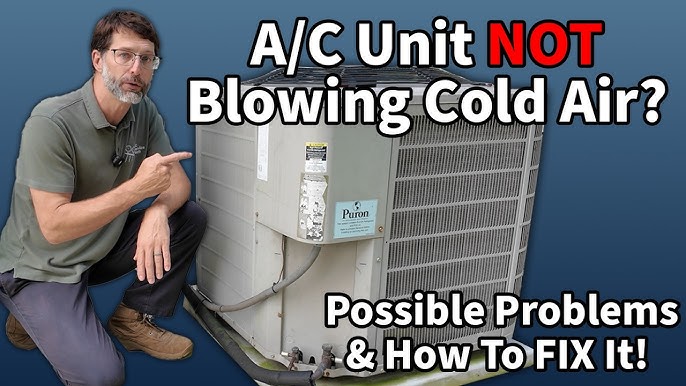
Is your central air conditioner running but not cooling your home like it should? It’s frustrating when you expect a cool breeze, but instead, the heat just won’t go away.
You might be wondering why your AC isn’t working properly and what you can do about it right now. This article will help you understand the common reasons behind this problem and guide you step-by-step to get your home feeling comfortable again.
Keep reading—you’re closer than you think to solving your cooling troubles.
Common Causes Of Poor Cooling
Dirty air filtersblock airflow, making the AC work harder. This causes less cool air to come out. Filters need cleaning or replacement often.
Thermostat issuescan cause wrong temperature readings. The AC might not turn on or cool enough. Check if the thermostat is set correctly or needs new batteries.
Refrigerant leakslower cooling power. The AC uses refrigerant to cool air. Leaks mean less refrigerant and less cold air. A professional should fix leaks.
Blocked condenser unitstops heat from leaving the system. Dirt, leaves, or debris can block it. Cleaning the condenser helps the AC cool better.
Electrical problemscan stop the AC from running well. Loose wires or tripped breakers cause this. Inspect wiring and circuit breakers for issues.
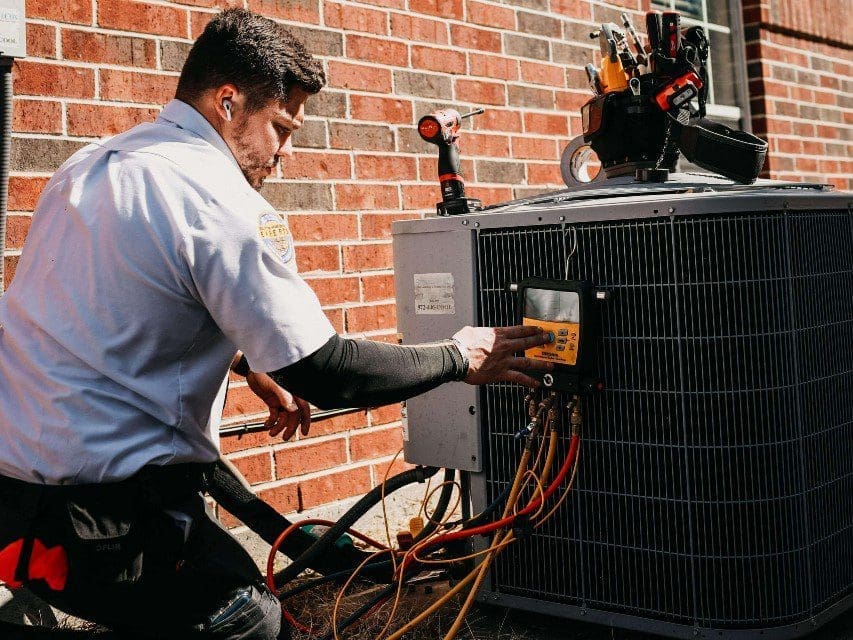
Credit: callmilestone.com
Quick Diy Fixes
Replacing air filtershelps the air conditioner blow cool air. Dirty filters block airflow and reduce cooling power. Check your filter every month. Swap it out if it looks dirty or clogged. Clean filters make your AC work better and last longer.
Resetting the thermostatcan fix settings that cause no cooling. Turn off the thermostat, wait a few minutes, then turn it back on. Make sure the thermostat is set to “cool”mode and the temperature is lower than the room temperature.
Clearing debris around the unitkeeps airflow smooth. Leaves, grass, and dirt can block the outdoor unit. Gently remove any debris from around and on top of the unit. Keep at least two feet of clear space for good airflow.
Checking circuit breakersavoids electrical issues. Sometimes the breaker for the AC trips and stops the unit. Find your home’s breaker box and look for any tripped switches. Flip the breaker off and on again to reset it.
When To Call A Professional
Refrigerant problems need expert handling. Low refrigerant causes poor cooling. Professionals can check and refill safely. Avoid adding refrigerant yourself; it can harm the system.
Electrical repairs are tricky and risky. Faulty wiring or a broken capacitor may stop the AC. A professional can find and fix electrical issues safely.
Compressor issues often cause the AC to stop cooling. This part is the heart of the system. A broken compressor needs expert repair or replacement.
Regular maintenance and tune-ups keep the system working well. Professionals clean, check parts, and fix small problems. This helps avoid big, costly repairs later.

Credit: fischerheating.com
Preventive Tips For Better Cooling
Replace your air filter regularly to keep air clean and flow strong. A dirty filter blocks airflow and reduces cooling.
Set your thermostat to the right temperature. Avoid setting it too low; this can make the system work harder.
Keep the outdoor unit free from leaves, dirt, and debris. Clean the coils to help the unit cool better.
Schedule yearly inspections with a professional. They check for leaks, refrigerant levels, and worn parts.

Credit: www.youtube.com
Frequently Asked Questions
Why Is My Central Air Conditioner Not Cooling Properly?
Your AC might have a dirty filter, low refrigerant, or a faulty thermostat. These issues reduce cooling efficiency and need prompt attention.
How Often Should I Clean My Ac Filter?
Clean your AC filter every 1 to 3 months. Regular cleaning improves airflow and helps your unit cool effectively.
Can A Frozen Evaporator Coil Cause Cooling Issues?
Yes, a frozen coil blocks airflow and stops cooling. It often occurs due to dirty filters or low refrigerant levels.
What Role Does Refrigerant Play In Ac Cooling?
Refrigerant absorbs heat from your home and releases it outside. Low refrigerant means your AC can’t cool efficiently.
Conclusion
A central air conditioner not cooling can cause real discomfort. Check the thermostat settings and air filters first. Dirty filters often block airflow. Clear debris around the outdoor unit too. Sometimes, low refrigerant levels need professional help. Regular maintenance keeps your system running well.
Don’t wait for heat to get worse. Simple steps can save money and stress. Stay cool by acting early and keeping your AC in good shape.