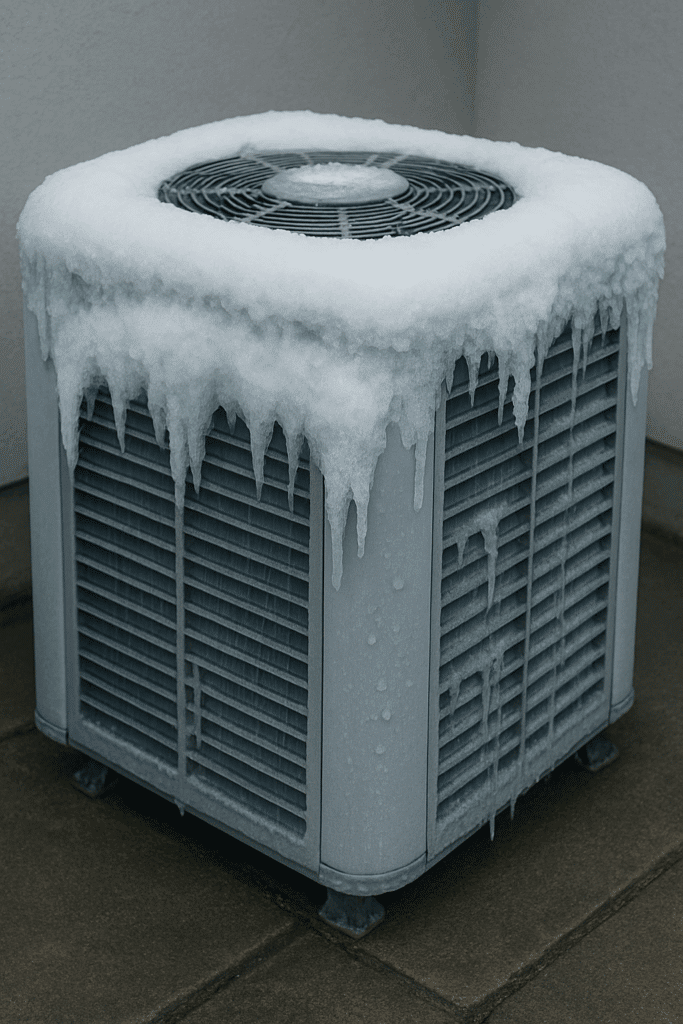
Have you ever walked into your home on a hot summer day, expecting a refreshing blast of cool air, only to find your central air unit struggling and encased in ice? If you’ve ever asked yourself, “Why is my central air unit freezing up with ice?”
You’re not alone. This common issue can leave you sweltering in discomfort and scratching your head in confusion. But don’t worry, understanding the causes behind this chilly predicament is simpler than you might think. We’ll uncover the reasons your AC might be turning into an unexpected icebox and how you can prevent it from happening again.
Stick around to discover how you can keep your home comfortably cool without the icy surprises.
Common Signs Of A Frozen Ac Unit
Recognizing the signs of a frozen central air unit helps prevent bigger problems. Early detection keeps your system running smoothly. Watch for these common signs to spot ice buildup on your AC unit.
Visible Ice Formation
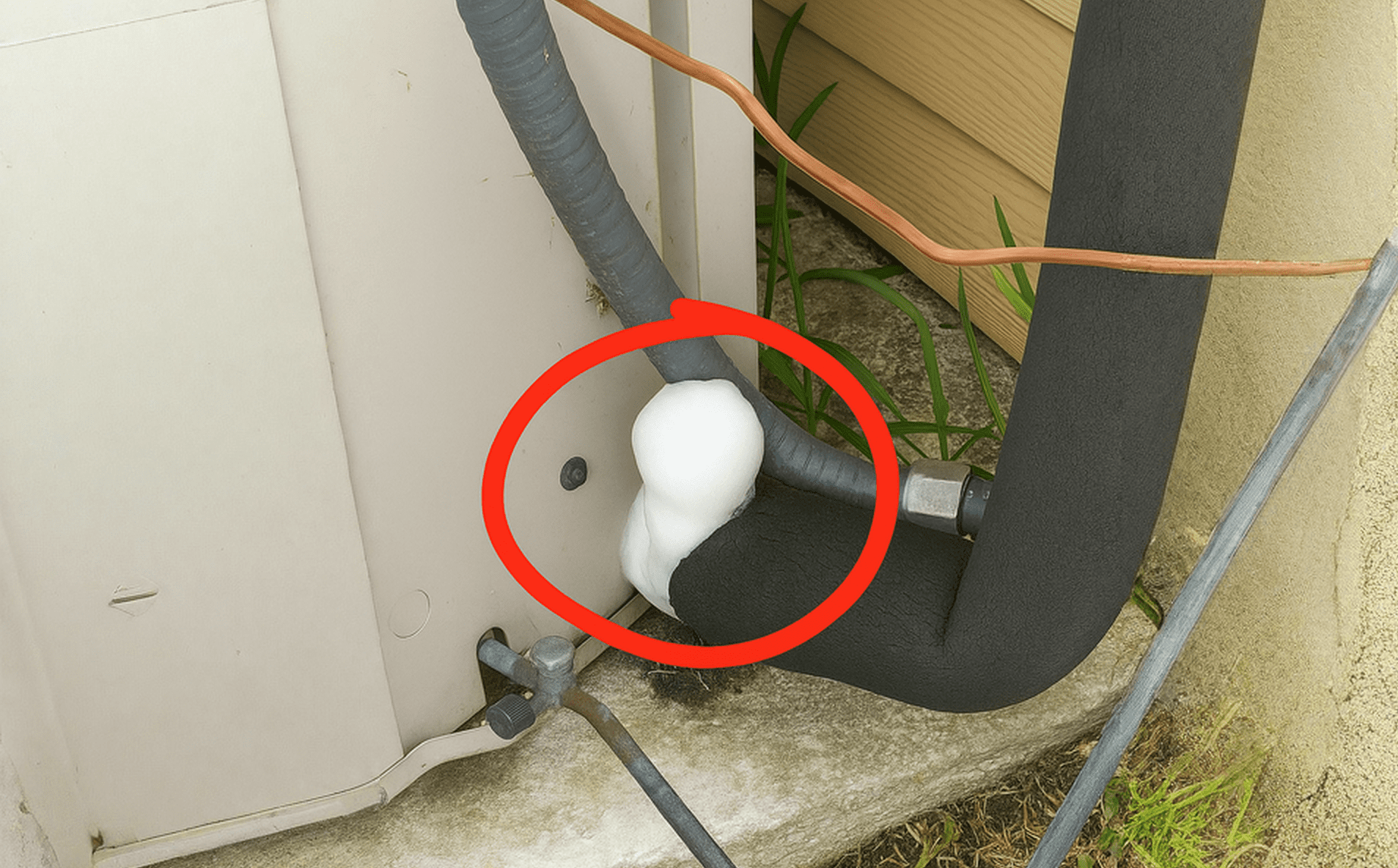
Ice appears on the refrigerant lines or outdoor unit. The coils may look frosty or covered in thick ice. This is the most obvious sign your AC is frozen.
Reduced Airflow
Air coming from vents feels weaker or colder than usual. The system struggles to push air through frozen coils. This lowers cooling performance and comfort.
Unusual Noises
You might hear strange sounds like gurgling or hissing. These noises come from refrigerant flow problems caused by ice. It signals your AC needs attention.
Increased Energy Bills
A frozen unit works harder to cool your home. This extra effort uses more electricity. Expect higher energy bills without proper repair or maintenance.

Credit: serviceplusheatingcooling.ca
Low Refrigerant Levels
Low refrigerant levels are a common cause of your central air unit freezing up with ice. Refrigerant is the substance that absorbs heat from inside your home and releases it outside. When there isn’t enough refrigerant, your system struggles to maintain the right temperature, causing the coils to get too cold and ice to form.
How Refrigerant Affects Cooling
Refrigerant plays a crucial role in your AC’s cooling process. It absorbs heat from the indoor air and carries it outside, helping to cool your home efficiently. If the refrigerant level drops, the pressure in the system falls, which lowers the temperature of the coils below freezing.
Have you ever noticed your AC blowing warm air even though it’s running? That’s often a sign of low refrigerant. When the coils get too cold, moisture in the air freezes on them, creating ice buildup that blocks airflow and reduces cooling performance.
Leaks And Their Impact
Leaks are the main reason refrigerant levels drop. Even a small leak can cause a steady loss of refrigerant over time. If left unchecked, this leads to ice formation on the evaporator coils and can damage your compressor, resulting in costly repairs.
You might not see a leak easily, but signs like hissing noises, oily spots near AC connections, or a sudden drop in cooling efficiency are clues. Fixing leaks early prevents ice buildup and keeps your system running smoothly.
Restricted Airflow Issues
Restricted airflow is one of the main reasons your central air unit might freeze up with ice. When air can’t flow freely through the system, the pressure drops, causing the temperature to fall below freezing. This leads to ice buildup on the evaporator coil and other parts of your AC unit.
Many homeowners don’t realize how simple airflow issues can cause big problems. Have you checked if your air filters or vents are clean? Even a small blockage can cause your unit to work harder and eventually freeze.
Dirty Air Filters
Dirty air filters block the airflow, making your AC struggle to pull enough air through the system. When the air movement slows down, the evaporator coil gets too cold, causing moisture to freeze on it.
Changing or cleaning your air filter every 1-3 months can prevent this. If you’ve skipped this step, check your filter now—you might be surprised by how clogged it is.
Blocked Vents And Registers
Blocked vents and registers limit the air entering or leaving your rooms. Furniture, curtains, or dust buildup can obstruct these openings without you noticing.
Try walking around your home and inspecting each vent. Can you feel strong airflow? If not, removing the blockage could solve your freezing problem fast.
Fan Problems
The fan inside your air handler or blower moves air across the evaporator coil. If the fan isn’t working properly, airflow drops dramatically.
Listen for unusual noises or check if the fan blades are spinning freely. A malfunctioning fan motor or dirty blades might need professional attention, but catching it early can save your unit from freezing again.
Thermostat And Temperature Settings
The thermostat and its temperature settings play a key role in the performance of your central air unit. Incorrect settings can cause the system to work harder than needed. This extra strain can lead to the unit freezing up with ice. Understanding thermostat placement and temperature settings can help prevent this issue.
Incorrect Thermostat Placement
Placing the thermostat in the wrong spot affects its readings. If it sits near heat sources like sunlight or appliances, it may think the room is warmer. The air conditioner then runs longer to cool the space. This overworking can cause the coils to freeze. Proper placement in a shaded, central area helps the thermostat measure temperature correctly.
Setting Temperatures Too Low
Setting the temperature much lower than needed causes the air conditioner to run nonstop. The constant operation lowers the coil temperature too much. Moisture in the air freezes on the coils, creating ice buildup. Keeping the thermostat at a moderate, comfortable temperature prevents the unit from freezing up.
Drainage Problems
Drainage problems often cause central air units to freeze up with ice. The system produces condensation as it cools the air. This water needs to drain away smoothly. When drainage fails, ice can build up on the coils and other parts. Understanding drainage issues helps prevent damage and maintain airflow.
Clogged Drain Lines
Drain lines carry condensation out of the air unit. Dirt, algae, and debris can block these lines. A clogged line stops water from flowing properly. Water then pools inside the unit. This trapped water causes the temperature to drop below freezing. Ice forms quickly around the coils and drain pan. Regular cleaning of drain lines avoids this problem. Simple tools or professional help can clear the blockage.
Water Accumulation Effects
When water accumulates inside the unit, it causes several issues. Excess water lowers the coil temperature and creates ice. Ice blocks airflow through the system. Reduced airflow makes the unit work harder and less efficiently. It can also damage internal parts over time. Standing water may lead to mold and bad smells. Ensuring proper drainage keeps the system dry and functioning well.
Credit: callmilestone.com
Mechanical Failures
Mechanical failures often cause a central air unit to freeze up with ice. These failures disrupt the normal flow of air and refrigerant. Ice forms when parts do not work as they should. Identifying these issues helps prevent damage and costly repairs.
Faulty Blower Motor
The blower motor pushes air over the evaporator coil. A faulty blower motor reduces airflow, causing the coil to get too cold. Without enough warm air, moisture freezes on the coil. This ice buildup blocks airflow further, worsening the freeze problem.
Common signs of a bad blower motor include:
- Weak air coming from vents
- Strange noises from the air handler
- Unit shutting off unexpectedly
Replacing or repairing the blower motor restores proper airflow and stops ice buildup.
Compressor Issues
The compressor moves refrigerant through the system. When it malfunctions, refrigerant flow slows or stops. Low refrigerant pressure causes the evaporator coil to freeze. Ice forms because the coil cannot warm up properly.
Signs of compressor problems include:
- Humming or clicking noises
- Unit not cooling well
- Frequent cycling on and off
Fixing compressor issues often requires a professional technician. Timely repairs prevent further damage and restore cooling efficiency.
Preventive Maintenance Tips
Preventive maintenance helps keep your central air unit running smoothly. It stops ice from forming and causing damage. Regular care reduces repair costs and improves efficiency. Follow these simple tips to avoid freezing problems.
Regular Filter Replacement
Dirty filters block airflow and cause the unit to freeze. Change filters every 1 to 3 months. Use the correct filter size for your system. Clean filters allow air to flow freely and keep coils from freezing.
Professional Inspections
Technicians find small issues before they become big problems. Schedule inspections once or twice a year. Experts check refrigerant levels, electrical parts, and airflow. Early detection helps prevent ice buildup and extends unit life.
Cleaning Coils And Components
Dust and dirt on coils reduce heat exchange. Clean evaporator and condenser coils yearly. Clear debris around the outdoor unit. Clean parts improve airflow and stop ice from forming on coils.

Credit: www.advantageairtech.com
Frequently Asked Questions
Why Does My Central Air Unit Freeze With Ice?
Your central air unit freezes due to restricted airflow or low refrigerant. Dirty filters, blocked vents, or leaking refrigerant cause ice buildup. This reduces cooling efficiency and may damage the system if not fixed promptly.
How Can Low Refrigerant Cause Air Conditioner Freeze-up?
Low refrigerant lowers pressure inside the coils, causing them to become too cold. Moisture in the air freezes on the coils, leading to ice formation. Regular maintenance helps detect and fix refrigerant leaks early.
Can Dirty Air Filters Lead To Freezing In Ac Units?
Yes, dirty air filters block airflow, causing the evaporator coil to freeze. Restricted air circulation lowers coil temperature, resulting in ice build-up. Replace or clean filters regularly to maintain proper airflow and prevent freezing.
What Role Does Airflow Play In Ac Freezing Issues?
Proper airflow keeps the evaporator coil warm enough to avoid freezing. Blockages or fan problems reduce airflow, causing coil temperature to drop and ice to form. Ensuring unobstructed vents and functioning fans prevents freeze-ups.
Conclusion
A frozen central air unit signals a problem that needs quick action. Ice forms when airflow is low or refrigerant leaks occur. Regular cleaning and filter checks help prevent freezing. Ignoring ice buildup can damage your system and raise bills.
Call a professional if ice keeps returning or you notice unusual noises. Taking small steps today keeps your air conditioner working well tomorrow. Stay alert and keep your home cool all summer.