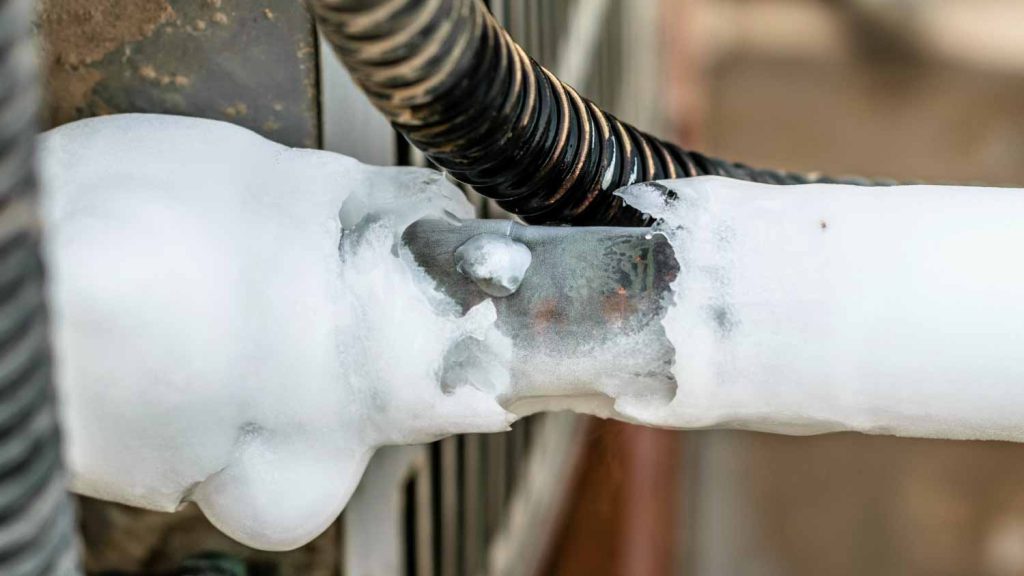
Are you tired of dealing with a compressor that’s freezing up? It’s frustrating when your essential appliance fails to work properly, leaving you puzzled and concerned.
A frozen compressor isn’t just an inconvenience—it could be a sign of a bigger problem lurking beneath the surface. But don’t worry, you’re not alone, and there are solutions waiting for you. We’ll uncover the reasons behind this chilling issue and guide you through practical steps to solve it.
By the end, you’ll feel empowered with the knowledge to keep your compressor running smoothly and efficiently. So, let’s dive in and melt away your compressor worries!

Credit: www.achrnews.com
Common Causes Of Compressor Freezing
Compressor freezing is a common problem in air conditioning systems. It causes poor cooling and can damage the unit. Understanding the common causes helps in quick troubleshooting. Several factors can lead to freezing, from mechanical issues to maintenance problems.
Identifying these causes early saves repair costs and extends the compressor’s life. Below are key reasons why compressors freeze.
Low Refrigerant Levels
Refrigerant absorbs heat to cool your home. Low levels reduce heat absorption. This causes the compressor to get too cold and freeze. Leaks or poor installation often cause low refrigerant.
Dirty Air Filters
Air filters trap dust and dirt. When dirty, airflow reduces. Reduced airflow lowers pressure in the system. This drop leads to freezing around the compressor.
Restricted Airflow
Blocked vents or closed registers limit air movement. Without enough air, the compressor gets too cold. Restricted airflow causes ice to form on coils and compressor parts.
Thermostat Issues
A faulty thermostat may misread room temperature. It can cause the system to run too long. Overworking the compressor leads to freezing.
Faulty Blower Motor
The blower motor moves air across the coils. If it fails, airflow stops. Lack of airflow causes the compressor to freeze quickly.
Improper Refrigerant Charge
Too much or too little refrigerant harms the system. Incorrect charge disrupts pressure balance. This imbalance causes freezing and reduces cooling efficiency.
Credit: tcomfort.com
Signs Your Compressor Is Freezing
Recognizing the signs of a freezing compressor helps prevent serious damage. Early detection allows timely repairs and keeps your system running smoothly. Watch for these key symptoms that indicate your compressor might be freezing.
Ice Buildup On Compressor
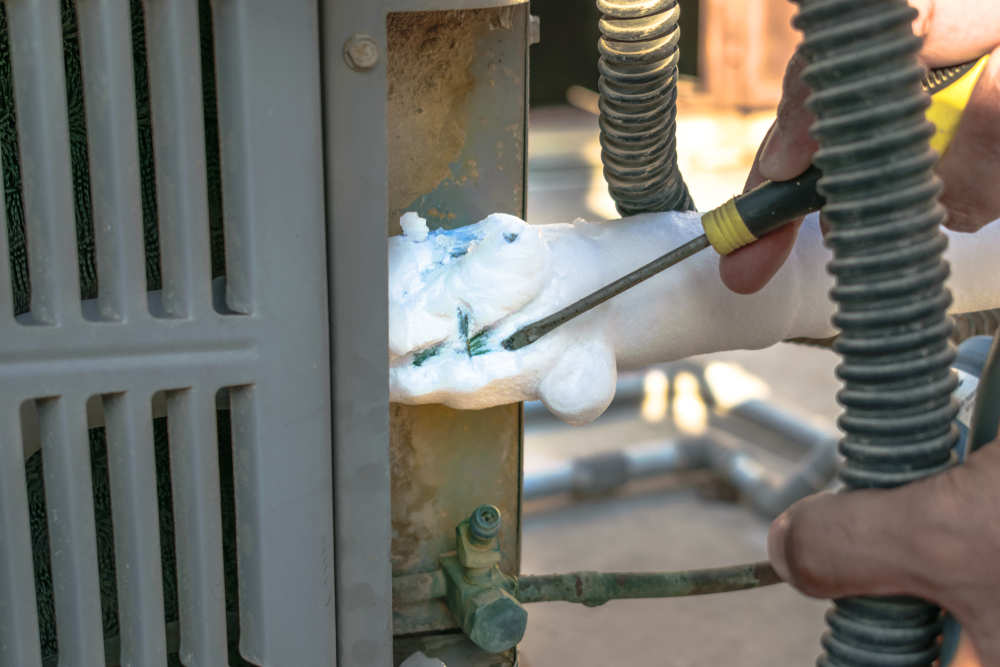
Visible ice or frost on the compressor is a clear warning. Ice forms when moisture freezes on cold surfaces. This buildup blocks airflow and reduces the compressor’s function. Check your unit regularly for any white or frosty patches.
Reduced Cooling Efficiency
Your system may struggle to cool the space properly. A freezing compressor lowers the unit’s ability to transfer heat. You might notice warmer air blowing from vents or uneven temperatures. This drop in performance signals possible freezing inside the compressor.
Unusual Noises
Listen for strange sounds coming from the compressor. Freezing can cause the motor to work harder, leading to rattling or humming noises. These sounds often mean the compressor is under stress. Prompt attention can prevent further damage.
Frequent Cycling
The compressor may turn on and off more often than normal. This frequent cycling happens because the system struggles to maintain the right temperature. It wastes energy and increases wear on the compressor parts. Notice if your unit runs in short bursts repeatedly.
Quick Fixes To Thaw A Frozen Compressor
A frozen compressor can bring your entire cooling system to a halt, leaving you uncomfortable and frustrated. Fortunately, thawing it doesn’t always mean calling a technician right away. Here are some quick and practical fixes you can try to get your compressor back in action.
Turn Off The System
First, switch off your HVAC system completely. This stops the compressor from working while it’s iced over, preventing further damage.
Have you ever tried to run a frozen engine? It’s similar—forcing it to operate can cause serious harm. Letting the system rest is the first step toward recovery.
Allow Compressor To Defrost
Give your compressor time to naturally thaw. This might take several hours depending on how thick the ice is.
You can speed up the process by placing a fan nearby to circulate air or gently applying warm towels. Avoid using direct heat sources like hair dryers, as they can damage components.
Clean Or Replace Air Filters
Dirty or clogged air filters restrict airflow, often leading to freezing issues. Check your filters and clean or replace them if they look dirty.
Think about the last time you changed your filters—was it recent? Keeping them clean ensures proper airflow and reduces the risk of ice buildup on your compressor.
Check And Adjust Thermostat Settings
Incorrect thermostat settings can cause your compressor to freeze. Make sure your thermostat is set to a reasonable temperature, especially during colder months.
If your thermostat is set too low or constantly running, it forces the compressor to work harder, leading to freezing. Adjusting these settings can prevent the problem from recurring.

Credit: www.reddit.com
Preventive Measures For Compressor Health
Keeping your compressor in top shape is key to avoiding freezing issues. Preventive measures help you spot problems early and extend the life of your equipment. Taking simple, regular actions can save you from costly repairs and downtime.
Regular Maintenance Schedule
Set a consistent maintenance routine to check your compressor’s key parts. Clean or replace air filters and inspect belts and hoses frequently. This routine helps catch small issues before they cause freezing.
Think about how skipping a simple oil change on your car leads to bigger problems. The same goes for your compressor. Regular attention keeps it running smoothly.
Keep Airflow Unobstructed
Blocked airflow makes compressors work harder and can lead to freezing. Make sure vents and intake areas are clear of dust, debris, or any objects. Even a small blockage can cause temperature imbalances inside the system.
Ask yourself: Are the areas around your compressor always clean and free? Taking a few minutes to clear airflow can prevent major headaches later.
Monitor Refrigerant Levels
Low or incorrect refrigerant levels often cause compressors to freeze. Use gauges or digital monitors to keep track regularly. If you notice a drop, it’s a signal to act before damage occurs.
Have you ever ignored a warning light on your car’s dashboard? Refrigerant levels give similar alerts for your compressor’s health—don’t overlook them.
Professional Inspections
Even if you handle basic maintenance, schedule professional inspections at least once a year. Experts can spot hidden issues like leaks or electrical faults. Their advice can guide you on when to repair or replace parts.
Remember, professionals bring experience and tools that most homeowners don’t have. Their inspections can be the difference between a quick fix and a costly breakdown.
When To Call A Professional
Knowing when to call a professional for your freezing compressor can save you time, money, and stress. Some problems are simple fixes, but others need expert skills and tools. If you ignore certain signs, you might cause more damage or even risk your safety.
Persistent Freezing Issues
If your compressor keeps freezing despite your attempts to fix it, it’s time to call a pro. This might mean there’s a deeper problem like a blocked airflow or a faulty thermostat. Professionals can diagnose these hidden issues quickly and prevent ongoing damage.
Have you noticed the ice returning every few days even after thawing? That’s a clear signal to stop DIY repairs and get expert help.
Refrigerant Handling
Dealing with refrigerant isn’t something you want to try on your own. Refrigerants are hazardous and require special equipment and certification to handle safely. Incorrect handling can lead to leaks, environmental harm, or even legal trouble.
Only a licensed technician should check or recharge your system’s refrigerant. If your compressor freezes due to low or leaking refrigerant, a professional can fix it properly without risking harm.
Electrical Component Repairs
Electrical faults often cause compressor freezing but fixing these requires skill. Problems with capacitors, contactors, or wiring can be tricky and dangerous. A professional has the tools and knowledge to safely inspect and repair electrical parts.
Have you experienced tripping breakers or strange noises alongside freezing? These signs suggest an electrical fault that needs expert attention.
Frequently Asked Questions
Why Does My Compressor Freeze During Operation?
A compressor freezes due to restricted airflow, low refrigerant levels, or dirty filters. These issues cause temperature drops, leading to ice buildup on the coil and compressor.
How Can Low Refrigerant Cause Compressor Freezing?
Low refrigerant reduces pressure inside the system, causing coils to get too cold. This temperature drop creates frost and ice on the compressor and coil surfaces.
Can Dirty Air Filters Lead To Compressor Freezing?
Yes, dirty air filters block airflow, reducing heat exchange. This causes the evaporator coil to freeze, which can extend to the compressor, causing it to freeze as well.
Does A Malfunctioning Thermostat Affect Compressor Freezing?
A faulty thermostat can cause irregular compressor cycles, leading to improper cooling. This irregularity can cause the compressor to freeze due to inconsistent temperature control.
Conclusion
A freezing compressor can cause serious problems for your system. Poor airflow, low refrigerant, or dirty coils often cause it. Fixing these issues quickly saves money and prevents damage. Regular maintenance keeps your compressor running smoothly. Watch for signs like ice buildup or strange noises.
Acting fast helps avoid costly repairs later. Keep your system clean and check refrigerant levels regularly. A healthy compressor means better performance and longer life. Stay alert and take care of your equipment. Simple steps can stop your compressor from freezing up again.