Imagine this: you’ve just finished a delightful dinner with your family, and as you tidy up, you load your trusty dishwasher. But wait—something’s not right.
Instead of quietly cleaning your dishes, water begins to bubble up from your kitchen sink. You might feel a mix of confusion and frustration. Why is your dishwasher backing up into your sink? This common household issue can turn a simple chore into a puzzling problem.
If you’ve found yourself in this situation, you’re not alone, and you’re in the right place. Understanding why this happens is the first step to fixing it. Let’s explore the possible reasons behind this plumbing conundrum and how you can get back to a smoothly running kitchen. Stay with us, and we’ll unravel this mystery together.
Common Causes Of Dishwasher Backup
Dishwasher backup into the sink is a common plumbing problem. It happens when water cannot flow out properly. Several factors can cause this issue. Understanding these causes helps you fix the problem faster and avoid damage.
Clogged Drain Hose
The drain hose carries dirty water from the dishwasher to the drain. Food particles, grease, and soap scum can block this hose. A clog stops water from flowing out, causing it to back up into the sink. Regular cleaning of the hose prevents blockages.
Blocked Air Gap
The air gap prevents dirty water from flowing back into the dishwasher. If it gets blocked by debris, water cannot drain properly. This blockage causes water to spill back into the sink. Cleaning the air gap keeps water flowing smoothly.
Garbage Disposal Issues
Many dishwashers connect to the garbage disposal drain. If the disposal is clogged or not working, water cannot drain. This causes dishwasher water to back up into the sink. Clearing the disposal or running it can fix the problem.
Drain Pipe Obstructions
The drain pipe connects the sink and dishwasher to the home’s plumbing. If the pipe is clogged with grease, food, or other debris, water will back up. This stops both the sink and dishwasher from draining properly. Clearing the pipe restores normal flow.
Credit: www.allamericanpha.com
Signs Of Dishwasher Backup
Noticing your dishwasher backing up into the sink is frustrating. Recognizing the signs early can save you from a messy kitchen and costly repairs. Pay attention to unusual changes in how your sink and dishwasher behave—they often reveal the problem before it gets worse.
Water Pooling In Sink
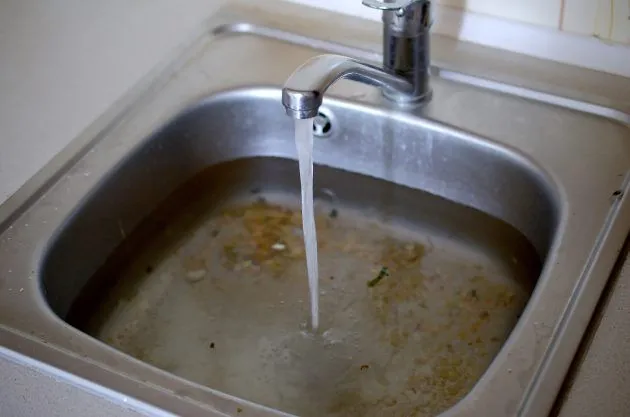
One of the first signs you might see is water collecting in your sink when the dishwasher runs. Instead of draining away, dirty water bubbles up, making it clear something is blocking the flow. Have you ever watched the water rise and wondered why it won’t go down?
This pooling happens because the drain line or the garbage disposal connected to the dishwasher is clogged. It’s a red flag that your dishwasher’s waste water has nowhere to go but back up into your sink.
Unpleasant Odors
If you start smelling a bad odor near your sink or dishwasher, it’s a warning sign. Food particles trapped in the drain can rot and create a foul smell. This unpleasant scent often means your dishwasher backup is causing stagnant water or debris buildup.
Try to notice if the smell appears right after running the dishwasher. That connection could help you pinpoint the issue faster.
Slow Drainage
Is your sink draining slower than usual? Slow drainage often accompanies dishwasher backup problems. Water may take longer to disappear because the shared drain line is partially blocked.
Slow drainage can sometimes feel like a minor nuisance, but it often signals a growing clog. Ignoring it could lead to water spilling over into your kitchen.
Unusual Noises
Strange sounds coming from your dishwasher during or after a cycle are worth noting. Gurgling, bubbling, or splashing noises often indicate water struggling to move through a clogged drain. These noises are your dishwasher telling you it can’t empty properly.
Pay attention to when these sounds happen. Are they new? Do they coincide with water backing up in the sink? These clues can help you fix the problem sooner.
Quick Fixes To Try First
Before calling a plumber, there are a few quick fixes you can try to stop your dishwasher from backing up into the sink. These simple checks often solve the problem and save you time and money. Let’s dive into practical steps you can take right now.
Clearing The Drain Hose
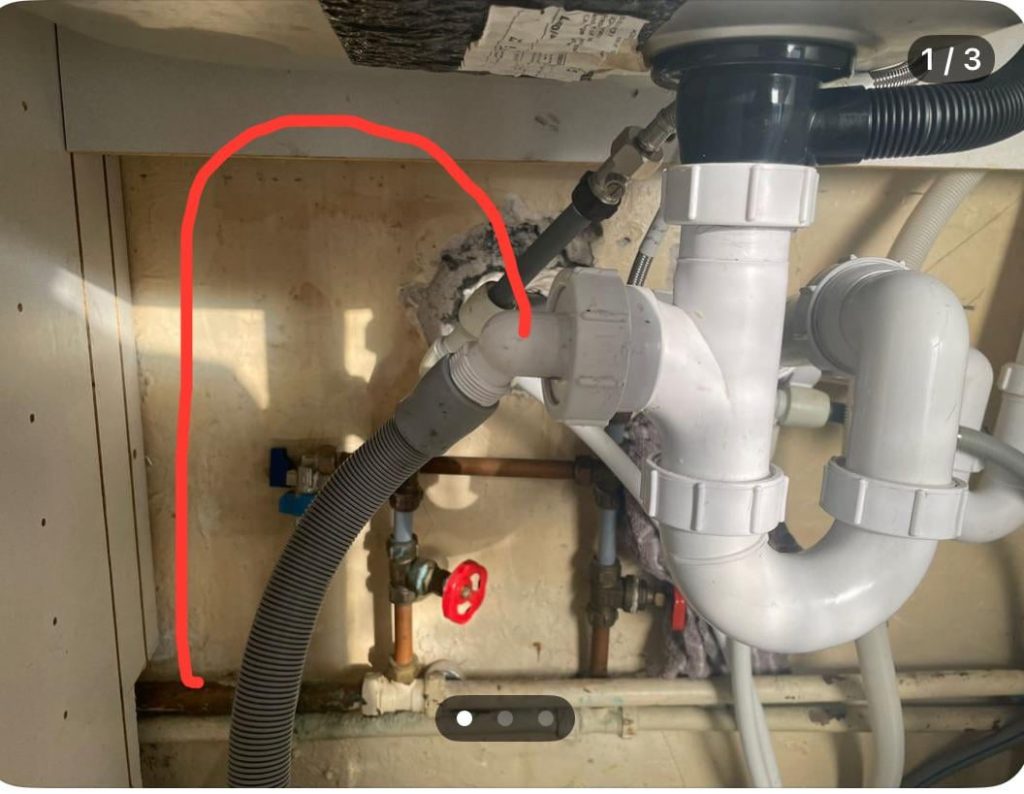
The drain hose connects your dishwasher to the sink drain or garbage disposal. If it’s clogged or kinked, water can’t flow properly and may back up into the sink. Check the hose for any visible blockages or bends, and gently remove any debris you find.
Try running water through the hose with a garden sprayer or a long flexible brush to clear stubborn gunk. You might be surprised how often a simple hose cleaning fixes the issue.
Cleaning The Air Gap
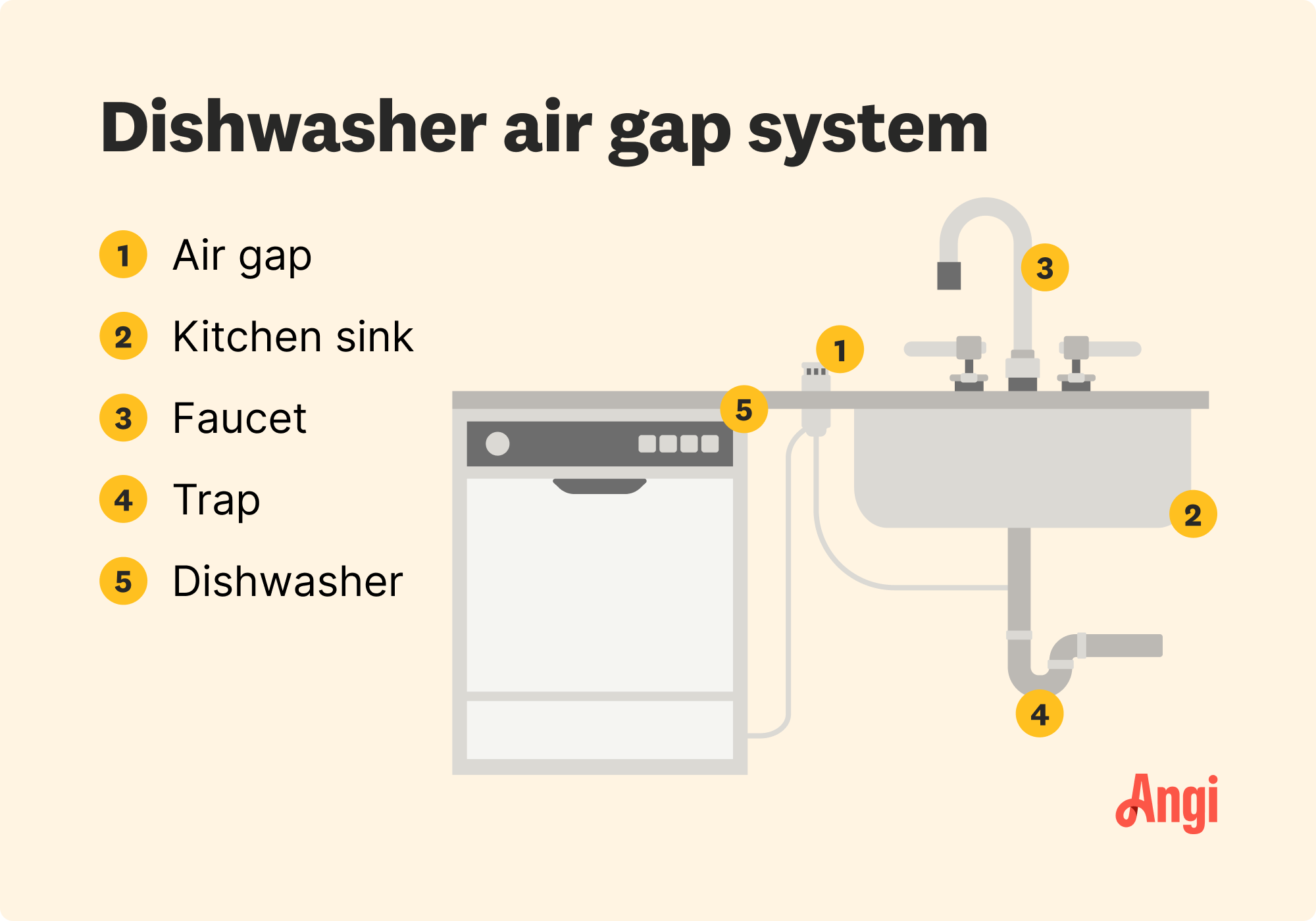
Your sink might have an air gap, a small cylindrical fixture usually near the faucet. It prevents dirty water from flowing back into the dishwasher. Over time, food particles and debris can clog this part, causing backups.
Remove the air gap cover and rinse it under running water. Use a small brush or toothpick to clear out anything stuck inside. Regularly cleaning the air gap keeps water flowing smoothly and avoids nasty backups.
Inspecting The Garbage Disposal
If your dishwasher drain hose connects to the garbage disposal, check if the disposal is clogged or jammed. A blocked disposal can stop water from draining properly, forcing it back into the sink.
Make sure the disposal is off, then inspect it for trapped food or debris. Running the disposal for a few seconds can help clear minor blockages. Also, remember to knock out the knockout plug if the disposal is newly installed.
Using A Plunger On The Sink
If your sink is draining slowly or water is pooling, a plunger can help clear the blockage causing the dishwasher backup. Use a cup plunger, not a flange plunger, for kitchen sinks.
Seal the plunger over the sink drain and push down firmly several times. This pressure can dislodge trapped debris in the pipes. Watch if the water starts draining faster—this is a good sign your problem is on its way to being solved.
Credit: www.angi.com
Preventing Future Backups
Preventing future backups in your dishwasher saves time and avoids mess. Simple habits and checks keep water flowing freely. Regular care stops clogs and blockages before they start. Small efforts protect your sink and plumbing system.
Regular Maintenance Tips
- Clean the dishwasher filter every few weeks.
- Run hot water before starting the dishwasher.
- Use dishwasher-safe cleaning products to clear grease.
- Check spray arms for food debris and rinse them.
- Inspect and clean the drain hose regularly.
Proper Dishwashing Practices
- Scrape off food scraps before loading dishes.
- Avoid overloading the dishwasher to ensure water flow.
- Do not put large items that block water jets.
- Use the right amount of detergent as per instructions.
- Run full loads to save water but avoid crowding.
Checking For Drain Blockages
Look under the sink for slow draining water. Clear any visible debris from the drain opening. Use a plunger gently to remove minor clogs. Consider a natural drain cleaner for buildup removal. Avoid pouring grease or thick liquids down the drain.
When To Call A Professional
Persistent backups need expert inspection. Strange noises or leaks signal plumbing issues. If water backs up despite cleaning, call a plumber. Professionals have tools to clear deep blockages safely. Early help can prevent costly repairs later.

Credit: www.youtube.com
Frequently Asked Questions
Why Is My Dishwasher Backing Up Into The Sink?
Dishwasher backup usually occurs due to clogged drains or blocked garbage disposals. It prevents water from draining properly, causing it to flow back into the sink.
How Can A Clogged Drain Cause Dishwasher Backup?
A clogged drain restricts water flow, forcing dishwasher water to return through the sink. Clearing the drain often solves the backup issue.
Can A Faulty Dishwasher Air Gap Cause Backup?
Yes, a malfunctioning air gap can block water flow. This causes dirty water to back up into the sink from the dishwasher.
Is Improper Dishwasher Installation A Reason For Backups?
Improper installation can cause drainage issues. Incorrect hose placement or lack of a high loop may lead to water backing up into the sink.
Conclusion
Dishwasher backup into the sink signals a drain problem. Clogs, blocked pipes, or a faulty air gap often cause this. Fixing these issues keeps your kitchen clean and safe. Regularly check and clean your dishwasher drain to avoid backups. Quick action prevents water damage and bad smells.
Call a plumber if the problem continues. Taking care of your dishwasher saves time and stress. Don’t ignore signs of backup—it’s easier to fix early. Keep your kitchen running smoothly and enjoy hassle-free dishwashing.