Have you ever opened your dishwasher, expecting to find sparkling clean dishes, only to be greeted by a musty smell and unsightly mold? You’re not alone.
Many people face the frustrating issue of a moldy dishwasher. But why does this happen, and more importantly, what can you do about it? We’ll uncover the surprising reasons behind this common household problem and provide you with simple, effective solutions to keep your dishwasher fresh and mold-free.
Imagine the relief and satisfaction of knowing your kitchen appliance is as clean as it should be. Ready to discover the secrets to a spotless dishwasher? Keep reading to learn how you can banish mold for good and enjoy the peace of mind that comes with a truly clean kitchen.

Credit: www.reddit.com
Common Causes Of Dishwasher Mold
Mold in dishwashers is a common problem that many face. It grows in warm, damp places, making dishwashers ideal for its growth. Understanding what causes mold helps prevent it and keeps your dishwasher clean.
Several factors contribute to mold buildup. Some are easy to fix, while others need regular attention. Identifying these causes can help you act quickly and stop mold growth early.
Moisture And Poor Ventilation
Dishwashers stay wet inside after cycles. Without proper airflow, moisture lingers for hours or days. This constant dampness creates a perfect environment for mold. Poor ventilation traps humidity, allowing mold spores to grow and spread.
Food Residue Buildup
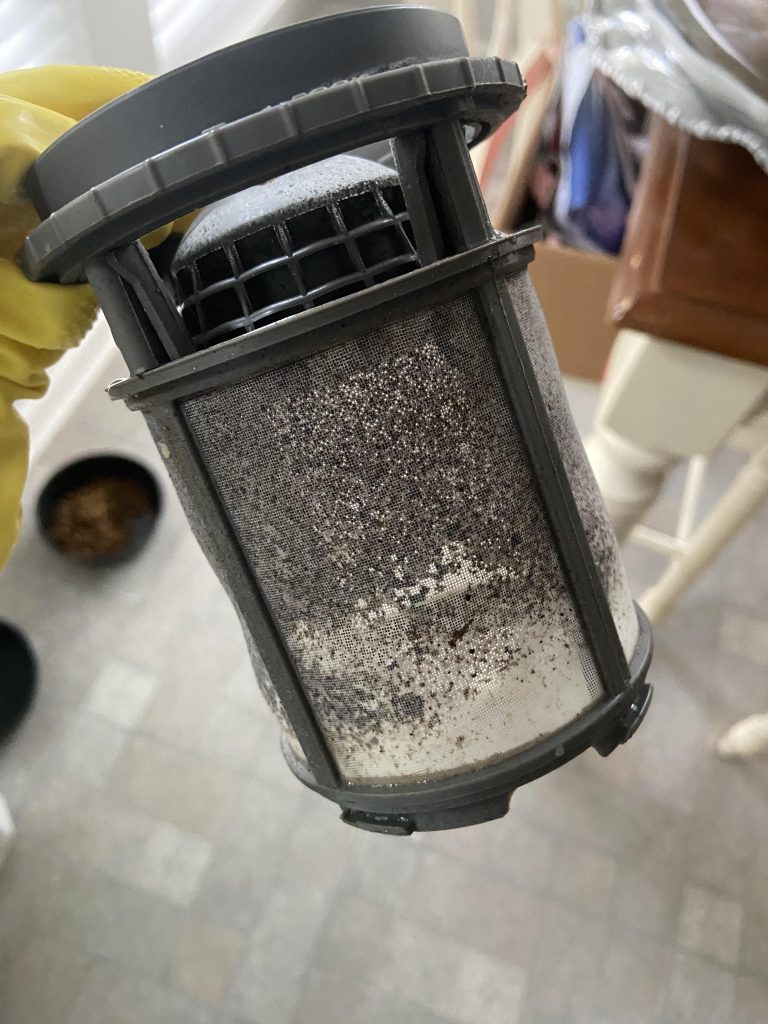
Leftover food bits in your dishwasher attract mold. Small particles stuck on filters, racks, or spray arms feed mold spores. This leftover food also blocks water flow, making cleaning less effective. Regular removal of food debris is essential to stop mold growth.
Clogged Drainage
A blocked drain slows water removal. Water pools inside the dishwasher basin. Standing water encourages mold to settle and multiply. Cleaning the drain regularly prevents water buildup and keeps mold away.
Worn Door Seals
Damaged seals allow water to leak and collect around the door. This trapped water stays moist for long periods. Mold thrives in these hidden wet areas. Replacing worn seals keeps the door tight and stops water from leaking.

Credit: www.sloanappliance.com
Signs Of Mold In Your Dishwasher
Noticing mold in your dishwasher can be unsettling, but recognizing the signs early can save you from bigger cleaning headaches and potential health issues. Mold thrives in damp, dark environments, and your dishwasher fits the bill perfectly if it isn’t properly maintained. Knowing what to look for helps you act quickly and keep your kitchen safe.
Visible Black Or Green Spots
One of the clearest signs of mold in your dishwasher is the appearance of black or green spots. These often show up around the door seals, filter, or inside the detergent dispenser.
If you see these spots, don’t ignore them. Mold can spread quickly, and those tiny specks could turn into a bigger problem affecting your dishwasher’s cleanliness and your dishes.
Musty Odor
A persistent musty or mildew smell coming from your dishwasher is a strong indicator that mold is growing inside. Even after a wash cycle, if your dishwasher smells unpleasant, it’s time to investigate.
That odor is caused by mold spores and bacteria trapped in hard-to-reach places. Have you ever opened the dishwasher only to be hit by a strange smell? It’s a warning sign that something needs cleaning.
Unusual Dishwasher Performance
Have you noticed your dishwasher isn’t cleaning as well as it used to? Mold buildup can clog filters and spray arms, reducing water flow and cleaning power.
Slow drainage or leftover food debris on dishes may mean mold or grime is blocking the system. When your dishwasher’s performance drops, it’s a practical clue that mold could be lurking inside.
Quick Cleaning Methods
Keeping your dishwasher clean stops mold from growing fast. Quick cleaning helps remove mold and bad smells. It also keeps your dishwasher working well. Use simple things found at home to clean your dishwasher quickly. These methods save time and make your dishwasher fresh again.
Vinegar And Baking Soda Wash
Vinegar and baking soda work well to clean mold. Pour one cup of vinegar into the bottom of the dishwasher. Run a hot water cycle without dishes. After that, sprinkle baking soda on the bottom. Run a short hot water cycle again. This removes mold and cleans the inside.
Using Bleach Safely
Bleach kills mold fast but must be used with care. Do not mix bleach with vinegar or other cleaners. Make sure the dishwasher is empty. Add one cup of bleach to the bottom. Run a full hot water cycle. Keep the kitchen well-ventilated during cleaning. This method clears tough mold spots.
Cleaning Dishwasher Filters
Filters catch food and dirt that cause mold. Remove the filter from the dishwasher bottom. Rinse it under warm running water. Use a soft brush to scrub stuck particles. Soak the filter in warm, soapy water for 10 minutes. Clean filters let water flow and stop mold growth.
Preventing Mold Growth
Mold growth in your dishwasher can be a frustrating problem, but it’s often preventable with the right habits. Mold thrives in damp, dark, and poorly ventilated spaces, which makes dishwashers a prime spot if not properly cared for. Taking steps to keep your dishwasher clean and dry will stop mold before it starts, saving you from unpleasant smells and potential health risks.
Regular Maintenance Tips
Cleaning your dishwasher regularly is key to preventing mold. Wipe down the door seals and edges where moisture tends to collect. Don’t forget to clean the filter and spray arms every few weeks to remove food particles and debris.
Running an empty cycle with a cup of white vinegar once a month can help kill mold spores and remove residue. Have you noticed how a quick clean can make your dishwasher smell fresh again?
Proper Loading Techniques
How you load your dishwasher affects water flow and drying efficiency. Avoid overloading, as it can block water jets and leave spots where water sits. Place larger items on the bottom rack and smaller ones on top to ensure thorough cleaning and drying.
Leave enough space between dishes to allow water and air to circulate freely. This simple habit reduces damp areas where mold can grow.
Ensuring Good Airflow
After a wash cycle, leave the dishwasher door slightly open to allow air to escape. This helps moisture evaporate quickly and prevents the humid environment mold loves.
Think about your kitchen setup—if your dishwasher is tucked in a tight corner, consider improving ventilation around it. Sometimes, a small change in airflow can make a big difference in keeping mold away.
Running Hot Water Cycles
Hot water cycles can kill mold spores and break down grease that feeds mold growth. Use the hottest water setting available on your dishwasher for regular washes. If you have a sanitize option, use it occasionally for an extra level of cleanliness.
Have you tried running a hot cycle when you notice a musty smell? It often clears out hidden grime and keeps your dishwasher healthier over time.
When To Call A Professional
Knowing when to call a professional for your moldy dishwasher can save you time, money, and stress. Some issues are more than just a quick clean-up. If you notice mold returning despite your best efforts, or if the problem seems tied to deeper mechanical or electrical faults, it’s time to get expert help.
Persistent Mold Issues
If mold keeps coming back no matter how often you clean your dishwasher, it may be hiding in places you can’t reach. Mold can grow in the door seals, underneath the racks, or inside the drainage system. Professionals have specialized tools and cleaners that can remove mold completely and prevent it from returning.
Ask yourself: Have you cleaned every nook and cranny without success? Persistent mold is a sign that professional inspection is necessary to avoid health risks.
Damaged Components
Damaged parts like cracked seals or broken filters allow moisture to stay trapped, creating the perfect mold-friendly environment. If you notice water pooling or parts that don’t fit snugly anymore, these might be the culprits. A technician can identify and replace faulty components, stopping mold growth at its source.
Ignoring damaged parts often leads to bigger problems down the line. Would you rather spend a little now or face a costly dishwasher replacement later?
Electrical Concerns
Mold near electrical parts is dangerous. Moisture combined with electrical wiring can cause short circuits or even fire hazards. If you spot mold around control panels or wiring, don’t risk trying to fix it yourself.
Calling a professional ensures the issue is handled safely and correctly. Your safety should always come first when dealing with electrical problems in your dishwasher.

Credit: www.townappliance.com
Frequently Asked Questions
Why Does Mold Grow Inside My Dishwasher?
Mold grows due to trapped moisture and food residue. Dishwashers provide a warm, damp environment perfect for mold growth. Poor ventilation and infrequent cleaning increase this risk. Regularly cleaning and drying your dishwasher prevents mold buildup effectively.
How Can I Prevent Mold In My Dishwasher?
To prevent mold, clean your dishwasher monthly with vinegar or baking soda. Leave the door open after cycles to allow air drying. Remove food particles from filters regularly. Proper maintenance reduces moisture and stops mold from developing.
Is Mold In Dishwasher Harmful To Health?
Yes, dishwasher mold can cause allergic reactions and respiratory issues. Mold spores spread through the air and contaminate dishes. Cleaning and disinfecting your dishwasher regularly protects your health and keeps your kitchen safe.
What Cleaning Agents Remove Dishwasher Mold Effectively?
White vinegar and baking soda are safe, effective mold removers. Use vinegar to spray affected areas and baking soda to scrub stains. Avoid harsh chemicals that can damage your dishwasher’s parts. Regular cleaning prevents mold recurrence.
Conclusion
A moldy dishwasher can cause bad smells and health risks. Cleaning it often stops mold from growing. Keep the door open after use to let moisture dry. Check and clean filters and seals regularly. Using the right detergent helps prevent mold build-up.
Small steps make a big difference in keeping your dishwasher fresh. Stay consistent with cleaning to enjoy a mold-free machine. Your dishes will come out cleaner and safer. Simple care keeps your dishwasher working well longer.