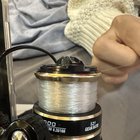
Have you ever cast your line, only to notice it feels loose and slack? It’s frustrating when your fishing line doesn’t stay tight, making it harder to catch fish and enjoy your time on the water.
You might wonder why this keeps happening and how to fix it fast. Understanding why your fishing line is loose can transform your fishing experience and help you land more fish with less hassle. Keep reading to discover the simple reasons behind loose lines and the easy steps you can take to tighten them up for better results.

Credit: www.reddit.com
Common Causes Of Loose Fishing Line
Loose fishing line can ruin your fishing experience. It makes casting harder and reduces control over your catch.
Understanding why your line is loose helps you fix the problem fast. Here are some common causes to check.
Improper Spooling Techniques
Spooling your line incorrectly causes slack and tangles. This happens if the line is too loose or too tight on the reel.
- Not keeping tension on the line while spooling
- Using the wrong spool size for your line
- Spooling over old line without removing it
- Allowing the line to twist during spooling
Worn Out Reel Components
Old reels can have parts that fail to hold the line properly. Worn drag washers or a loose spool can cause line slack.
| Component | Effect on Line |
| Drag washers | Fail to apply proper tension |
| Spool | May wobble or loosen line |
| Bearings | Can cause uneven line feed |
Incorrect Drag Settings
The drag controls how much resistance a fish feels. If set too loose, the line will slack easily.
Adjust your drag by:
- Tightening the drag knob gradually
- Testing with a firm pull on the line
- Ensuring drag applies pressure without breaking the line
Using The Wrong Line Type
Each fishing line type behaves differently. Using the wrong one can cause slack or poor control.
- Monofilament stretches more, causing loose feel
- Fluorocarbon is stiffer but may slip on some reels
- Braid has little stretch and better sensitivity
Signs Your Line Is Too Loose
Having a loose fishing line can cause many problems while fishing. It affects your control and chances of catching fish.
Look for these signs to know if your fishing line is too loose. Fixing it will improve your fishing experience.
Frequent Line Slack
If your fishing line often has slack, it means it is too loose. Slack makes it hard to feel bites and control the bait.
- The line hangs loosely from the rod tip.
- You feel little to no tension when casting.
- Bites are missed because the line does not pull tight.
Difficulty Casting
A loose line can cause trouble when you cast. The line may not fly straight or far enough.
| Problem | Cause | Effect |
| Line tangles in air | Loose line slack | Short casts |
| Line wraps around reel | Improper tension | Delays and frustration |
| Line falls off spool | Too loose winding | Line loss |
Tangled Or Knotted Line
A loose line often leads to tangles and knots. These problems slow you down and can break your line.
Common causes of tangles and knots include:
- Too much slack on the spool
- Improper casting technique
- Not tightening the line after casting
- Using the wrong type of line for your reel
Quick Fixes To Tighten Your Line
A loose fishing line can spoil your fishing experience. It makes casting and reeling hard. Fixing it quickly helps you get back to fishing.
Here are easy ways to tighten your fishing line. These tips focus on the reel and line setup.
Re-spooling The Reel Correctly
Loose line often comes from bad spooling. The line may not be tight on the reel. This causes slack and tangles.
To re-spool, remove old line. Start with a tight knot on the reel spool. Keep tension on the line while winding.
- Use your fingers to hold the line tight
- Wind slowly and evenly on the spool
- Fill the spool but do not overfill
- Check for twists or loose coils
Adjusting The Drag System
The drag system controls line tension during a catch. If it is too loose, the line feels slack. Adjusting drag tightens the line.
Turn the drag knob clockwise to increase resistance. Test it by pulling the line by hand. Set the drag to hold but not break the line.
- Start with light drag for small fish
- Increase drag for bigger or stronger fish
- Keep drag smooth to avoid sudden line release
- Check drag before every fishing session
Checking And Replacing Reel Parts
Worn or broken reel parts can cause loose line. Check the spool, bail arm, and line roller for damage. Replace parts if needed.
Look for cracks, rust, or loose screws. Clean the reel to remove dirt and salt. Proper maintenance keeps the line tight and reel working well.
- Inspect spool for dents or warping
- Check bail arm for smooth opening and closing
- Make sure line roller spins freely
- Replace damaged parts with correct sizes
- Lubricate moving parts after cleaning

Credit: www.reddit.com
Preventing Loose Line Issues
Loose fishing line can cause many problems while fishing. It can lead to missed catches and tangles. Keeping your line tight improves your fishing experience.
Taking simple steps helps prevent loose line issues. Focus on good maintenance, the right line, and checking your gear often.
Proper Line Maintenance
Regular care keeps your fishing line strong and tight. Remove old line and replace it before it wears out. Clean your line after each use to stop dirt build-up.
- Rinse line with fresh water after saltwater use
- Store line away from sunlight and heat
- Check for knots and frays before fishing
- Replace line if it feels brittle or rough
Choosing The Right Line For Your Reel
Using the correct line type and weight helps keep tension steady. Match the line strength with your reel and fishing style. A line too light can stretch and loosen easily.
| Line Type | Best Use | Recommended Reel |
| Monofilament | General fishing | Spinning reels |
| Fluorocarbon | Clear water, sensitive bites | Spinning and baitcasting reels |
| Braid | Heavy cover, long casts | Baitcasting reels |
Regular Equipment Inspections
Check your reel and rod before each trip. Look for loose parts that can cause slack line. Tighten screws and clean moving parts to keep your gear working well.
- Inspect reel spool for damage or dirt
- Check drag system for smooth operation
- Tighten handle screws and reel foot
- Lubricate reel gears as needed
Expert Tips For Smooth Casting
Loose fishing line can cause trouble while casting. It makes your cast less accurate and can tangle easily.
Using the right techniques helps keep your line tight. This leads to better control and smoother fishing.
Optimal Line Tension Settings
Setting the correct tension on your reel is key. Too loose or too tight can cause problems with your line.
Adjust your drag system so the line moves smoothly but stays firm. Test by pulling the line gently.
- Start with medium drag tension
- Tighten if the line slips too much
- Loosen if the line feels too hard to pull
- Check tension often during fishing
Techniques To Avoid Line Slack
Slack line causes poor casting and tangles. Keep your line tight when casting and retrieving.
Use your finger to hold the line on the rod during the cast. This helps control line release and tension.
- Hold the line with your finger before casting
- Keep your rod tip up to reduce slack
- Pull the line tight after the lure hits water
- Avoid sudden jerks that loosen the line
Best Practices For Casting And Retrieval
Good casting and retrieval habits help maintain line tension. Smooth, steady actions work best.
Cast with a steady motion and avoid stopping abruptly. Retrieve the line evenly to keep it tight.
- Use a smooth, controlled cast
- Keep your rod tip pointed slightly upward
- Retrieve the line at a steady pace
- Adjust speed based on fish activity
Credit: www.berkley-fishing.com
Frequently Asked Questions
Why Is My Fishing Line Always Loose On The Reel?
A loose fishing line often means improper spool tension or incorrect reel setup. Check the drag system and tighten the spool properly. Also, ensure the line is wound evenly and not overfilled to avoid slack and tangles.
How Does Line Tension Affect Fishing Performance?
Line tension controls hook setting and bite detection. Loose tension reduces sensitivity, making it harder to feel bites. Proper tension ensures better control and quicker response when a fish bites, improving your catch rate.
Can Wrong Fishing Line Cause Looseness?
Yes, using the wrong line thickness or type can cause looseness. Thinner lines may not maintain tension well on certain reels. Always match line strength and type to your reel specifications for optimal tightness.
How To Fix A Loose Fishing Line Quickly?
To fix a loose line, tighten the reel drag and rewind the line evenly. Check for twists or knots and remove them. Adjust the spool tension knob for proper line tightness before casting.
Conclusion
Loose fishing lines can be frustrating. They affect your fishing success. Check your reel settings and line type. Ensure proper tension and alignment. Regular maintenance helps avoid loose lines. Clean and store gear correctly. Pay attention to knot strength. Weak knots cause line slack.
Practice casting techniques for better control. These steps help keep your fishing line tight. Enjoy more successful fishing trips. Happy fishing!