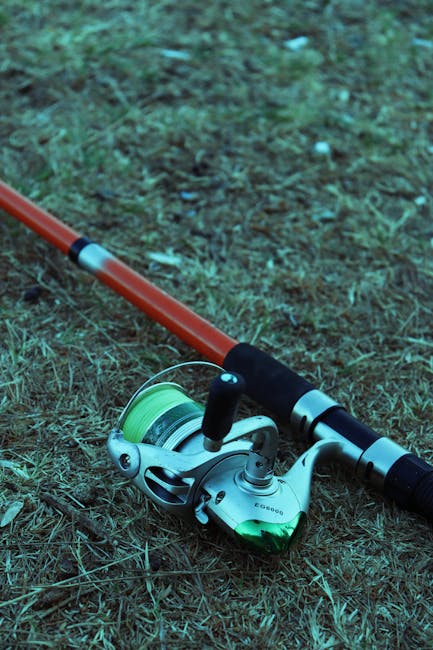
Are you frustrated because your fishing rod won’t reel in properly? You’re not alone.
When your reel sticks or feels sluggish, it can ruin your fishing experience and cost you that big catch. But don’t worry—understanding why this happens is simpler than you think. You’ll discover the most common reasons your fishing rod isn’t reeling in smoothly and learn easy fixes to get you back on the water quickly.
Keep reading to solve the problem and enjoy every fishing trip to the fullest.
Common Causes Of Reel Issues
A fishing rod that does not reel in properly can ruin your fishing trip. Knowing the common causes helps fix the problem quickly.
Reel issues often come from parts like the line, drag system, handle, or internal gears. Each part needs care and checks.
Line Tangling And Snags
Line tangling and snags stop your reel from working smoothly. This happens when the line loops or catches on objects.
- Overfilled spool causing loose line
- Wrong line type for the reel
- Damaged or old fishing line
- Hook or lure caught in the line
- Debris caught around the spool
Drag System Problems
The drag system controls the line tension when a fish pulls. If it is too loose or tight, reeling can be hard.
| Problem | Effect |
| Drag too tight | Line breaks easily |
| Drag too loose | Fish pulls too much line |
| Worn drag washers | Inconsistent tension |
| Dirty drag system | Sticky or rough reeling |
Reel Handle Malfunctions
Handle problems can stop the reel from turning. Loose or broken handles are common causes of this issue.
- Loose handle screws
- Broken handle arm
- Worn out bearings inside the handle
- Handle slipping on the reel shaft
Internal Gear Damage
Gears inside the reel make it turn smoothly. Damage to these gears can cause grinding or no reeling action.
- Worn or stripped gears
- Lack of lubrication causing friction
- Debris stuck inside the gear system
- Broken gear teeth

Credit: www.reddit.com
Diagnosing Reel Problems
If your fishing rod is not reeling in properly, the reel might have some issues. Checking the reel carefully can help find the problem.
Look at different parts of the reel to see what needs fixing or cleaning. This guide will help you check each part step-by-step.
Checking The Line And Spool
Start by looking at the fishing line and spool. The line may be tangled or stuck, which stops the reel from turning.
Make sure the line is wound evenly on the spool. Uneven or loose line can cause problems when reeling.
- Look for knots or twists in the line
- Check if the line is too tight or too loose
- Make sure the spool spins freely
Testing The Drag Adjustment
The drag controls how much force stops the line from pulling out. If it is set too tight, the reel may not turn well.
Try adjusting the drag knob to see if it moves smoothly. If it feels stuck or too loose, it may need cleaning or repair.
- Turn the drag knob slowly to test resistance
- Listen for any strange noises when adjusting
- Clean the drag system if it feels rough
Inspecting The Handle And Bearings
Check the handle of the reel for smooth movement. If it feels stiff or loose, the bearings could be damaged.
Bearings help the handle spin easily. Dirt or rust in the bearings can stop the reel from working well.
- Turn the handle and feel for smoothness
- Look for rust or dirt around the bearings
- Lubricate or replace bearings if needed
Assessing Gear Functionality
Inside the reel, gears move the spool when you turn the handle. Check if the gears are worn out or broken.
Damaged gears can stop the reel from reeling in. Open the reel carefully to look at the gear teeth for damage or dirt.
- Remove the reel cover carefully
- Inspect gear teeth for wear or damage
- Clean gears and add lubricant if dirty
- Replace gears if they are broken or worn
Quick Fixes For Reel Troubles
If your fishing rod is not reeling in properly, small problems might be the cause.
Fixing these issues can help you enjoy fishing without delays or frustration.
Untangling And Re-spooling Line
Tangled fishing line stops your reel from working smoothly. Start by carefully removing knots and twists.
- Check the line for tight knots.
- Gently pull loose sections to untangle.
- Cut damaged parts if needed.
- Re-spool the line evenly on the reel.
Adjusting And Cleaning The Drag
The drag controls how the line pulls out. Adjust it to fit your fishing needs.
| Drag Issue | Fix |
| Too tight | Loosen the drag knob slightly |
| Too loose | Tighten the drag knob |
| Sticky drag | Clean drag washers with mild soap and water |
Lubricating Moving Parts
Lubrication keeps the reel parts moving freely. Use fishing reel oil or grease.
- Remove dirt and old grease first.
- Apply a small amount of lubricant to gears and bearings.
- Avoid over-lubricating to prevent dirt buildup.
Replacing Worn Components
Old or broken parts cause reel problems. Inspect for damage regularly.
| Component | Signs of Wear | Replacement Tip |
|---|---|---|
| Line Roller | Rough spinning or cracks | Replace with manufacturer’s part |
| Drag Washers | Slipping or uneven drag | Buy new washers matching your reel model |
| Handle | Loose or wobbly grip | Tighten screws or replace handle |
Preventing Future Reel Issues
Fishing rods can stop reeling smoothly if the reel has issues. Preventing these problems helps keep your fishing trips fun. Taking care of your reel avoids expensive repairs.
Simple habits and good gear help your reel work well for a long time. Learn how to keep your reel in top shape.
Regular Maintenance Tips
Cleaning your reel after every use stops dirt and salt from building up. Check for parts that need oil or grease. Tighten loose screws to avoid damage.
- Rinse with fresh water after fishing
- Dry completely before storage
- Apply reel oil to moving parts
- Inspect the line and spool regularly
- Tighten any loose screws
Proper Storage Practices
Store your fishing rod and reel in a dry place to stop rust. Avoid direct sunlight to protect the line and reel parts. Use rod holders or cases to keep them safe.
- Keep reels away from moisture
- Use rod tubes or cases for transport
- Hang rods vertically to avoid bending
- Cover reels to stop dust buildup
Using Quality Line And Gear
Choose good fishing lines that match your reel type. Cheap lines can tangle or break easily. Use parts that fit your reel to avoid damage.
- Match line strength to your target fish
- Replace old or worn-out line often
- Use reels and rods made for your fishing style
- Buy quality parts for repairs or upgrades
Avoiding Common Mistakes
Do not force the reel if it feels stuck. Avoid overloading the line or spool. Do not leave your reel wet or dirty. Be gentle when casting and reeling in fish.
- Do not force stuck reels
- Do not overload your line
- Clean reel after every use
- Handle gear gently during fishing
When To Seek Professional Repair
Your fishing rod may stop reeling for many reasons. Some issues are easy to fix, but others need expert help. Knowing when to seek professional repair saves time and money.
Professional repair ensures your rod works safely and lasts longer. This guide helps you know when to call a repair service.
Identifying Serious Damage
Look for cracks or breaks in the rod or reel. If the handle or spool is loose or broken, this is serious damage. Also check if the reel gear slips or makes grinding noises.
Minor problems like tangled line or dirt can be fixed at home. Serious damage needs professional tools and skills.
Finding A Reliable Repair Service
Choose a repair service with good reviews and experience in fishing gear. Ask about their repair process and how long it takes.
A reliable service uses quality parts and offers a warranty on repairs. This protects your investment.
- Check online reviews and ratings
- Ask for recommendations from other anglers
- Verify repair guarantees and parts used
Cost Considerations
Repair costs depend on the damage type and parts needed. Sometimes repair costs approach the price of a new rod.
Compare repair prices with buying new equipment. Choose repair only if it is affordable and worth the effort.
- Get an estimate before repair starts
- Ask about hidden fees or extra charges
- Consider if repair improves rod performance
Warranty And Replacement Options
Check if your rod is still under warranty. Some repairs may be free or cheaper with a valid warranty.
If the rod is old or badly damaged, replacement may be better. Some shops offer trade-in or discount options for new gear.
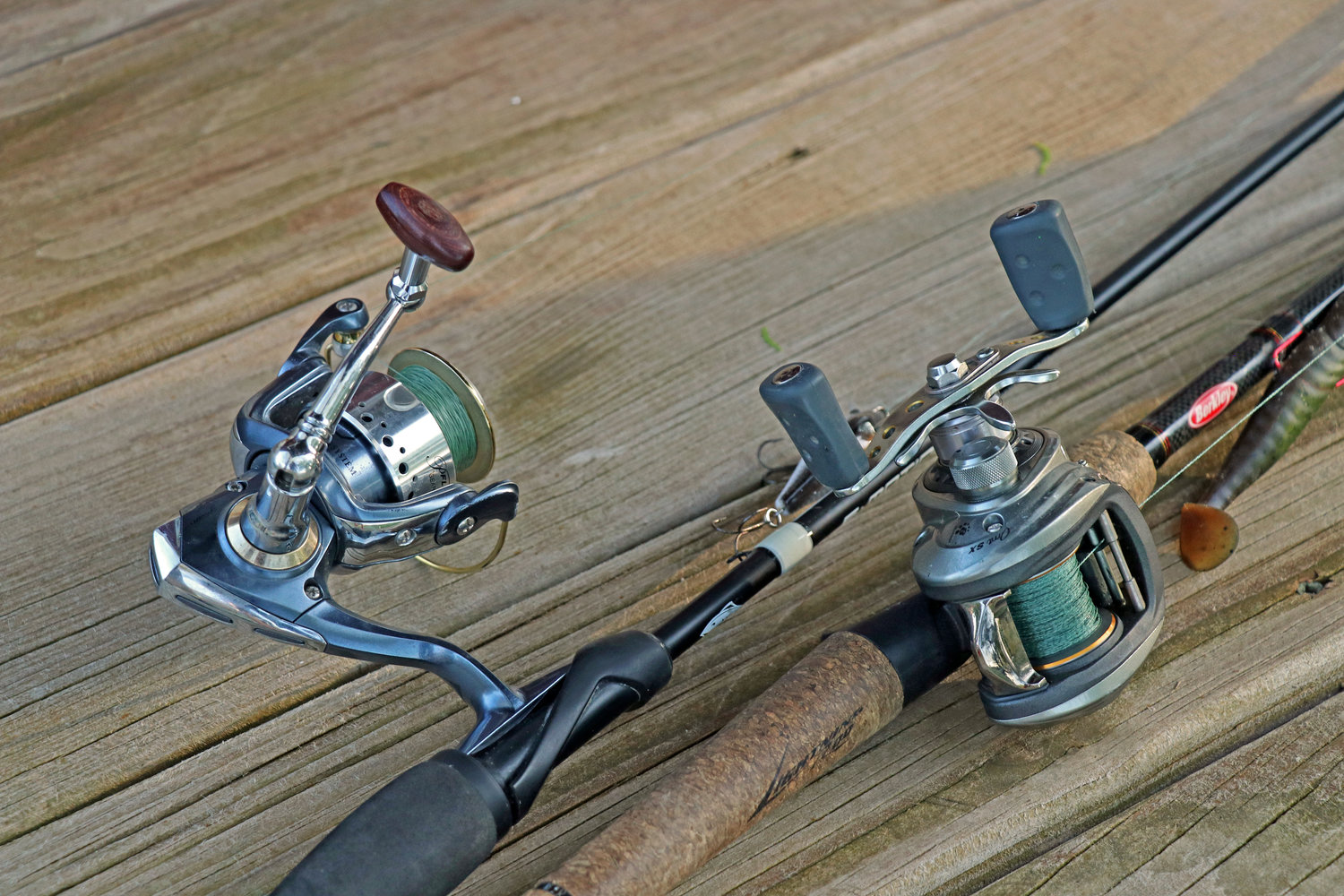
Credit: www.texaskayakfisher.com

Credit: www.aftco.com
Frequently Asked Questions
Why Is My Fishing Rod Not Reeling Smoothly?
Your reel might be dirty or poorly lubricated. Clean and oil the reel regularly for smooth operation and better performance.
What Causes A Fishing Rod To Jam While Reeling?
Line tangles, debris, or a damaged reel gear can cause jamming. Check for obstructions and repair or replace faulty parts.
How Do I Fix A Fishing Reel That Won’t Reel In?
Inspect the reel for damage or corrosion. Lubricate moving parts and adjust the drag system to restore proper function.
Can A Broken Fishing Line Affect Reeling?
Yes, a broken or tangled line can prevent reeling. Always check the line condition and replace or untangle it when needed.
Conclusion
Fixing a fishing rod issue isn’t too hard. Identify the problem first. Check line tangles or reel drag settings. Examine the rod for damage. Ensure the reel is clean and lubricated. Regular maintenance helps avoid problems. Proper gear handling is essential for smooth fishing.
Patience and practice improve your skills. Stay calm and enjoy the process. Remember, fishing is about learning and having fun. With these tips, your rod will reel in perfectly. Happy fishing!