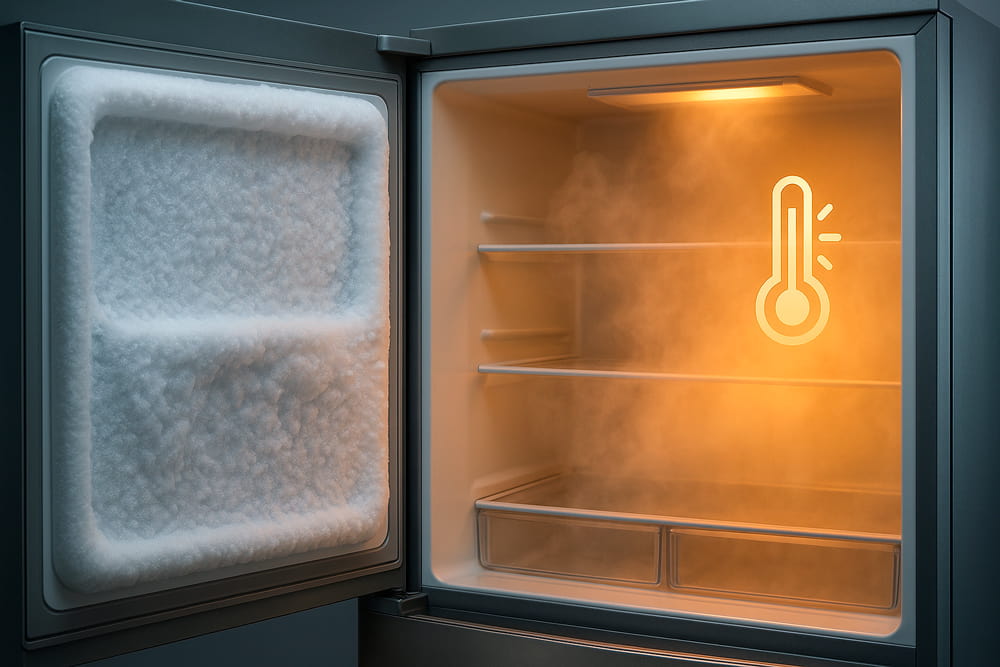
Have you ever opened your refrigerator, expecting a blast of chilly air, only to be met with an unexpected wave of warmth? Meanwhile, your freezer is working perfectly fine, keeping ice cream solid and ice cubes ready.
It’s a puzzling situation that can leave you wondering what went wrong. You’re not alone in this; many people experience this mysterious issue. The good news is, there’s a solution. We’ll uncover the reasons behind your refrigerator’s warm spell while your freezer stays frosty.
Stick around to discover practical tips that can save your groceries and your peace of mind. After all, understanding the root of the problem is the first step to fixing it. Let’s dive in and get your refrigerator back to its cooling best!

Credit: www.sloanappliance.com
Common Causes Of Warm Refrigerator
A warm refrigerator while the freezer works means something is stopping cold air from reaching the fridge. Several common issues cause this problem. Understanding these can help you find the right fix quickly.
Many refrigerator models rely on cold air moving from the freezer to the fridge. If this airflow is blocked or interrupted, the fridge section won’t stay cool. Problems often come from air vents, fans, or seals.
Blocked Air Vents
Blocked air vents stop cold air from flowing into the refrigerator. Food items placed too close to vents can block them. Dust or debris buildup also reduces airflow. Check and clear vents for better air movement.
Faulty Evaporator Fan
The evaporator fan moves cold air from the freezer to the fridge. If this fan fails, air circulation stops. Listen for fan noise when the fridge door is closed. No sound may mean the fan needs repair or replacement.
Dirty Condenser Coils
Dirty condenser coils make the fridge work harder to stay cold. Dust and dirt on coils reduce cooling efficiency. Clean coils regularly to improve cooling and reduce warm fridge problems.
Thermostat Issues
The thermostat controls the fridge temperature. A malfunctioning thermostat may not signal the fridge to cool properly. Test or replace the thermostat if the fridge stays warm despite other parts working.
Door Seal Problems
Worn or damaged door seals let warm air enter the fridge. This causes the temperature to rise inside. Check seals for cracks or gaps. Replace faulty seals to keep cold air inside.

Credit: www.dtappliance.com
How Freezer And Refrigerator Work Together
Your freezer and refrigerator often look like separate units, but inside, they work closely together to keep your food fresh and frozen. Understanding their teamwork helps you spot issues when your freezer is cold but your fridge feels warm. Let’s break down how these two compartments share the cooling process to keep your kitchen running smoothly.
Shared Cooling System
Both the freezer and refrigerator usually rely on a single cooling system powered by one compressor. This compressor pumps refrigerant through coils to absorb heat from inside the compartments.
The cooling system first chills the freezer, which acts like the main cooling source, before the cold air moves to the refrigerator. If the system works well, both compartments maintain their set temperatures efficiently.
Airflow Between Compartments
Cold air travels from the freezer to the refrigerator through vents or ducts. This airflow is crucial because the fridge depends on this supply of cold air to stay cool.
If these vents get blocked or the fan that moves the air stops working, your freezer can stay cold while the refrigerator warms up. Have you checked if anything inside is blocking those vents lately?
Role Of The Evaporator
The evaporator coil sits inside the freezer compartment, absorbing heat from the air inside. It’s cooled by refrigerant, which removes heat and keeps the freezer cold.
Once the evaporator cools the air, a fan pushes this chilled air into the refrigerator. If the evaporator coil freezes over or the fan fails, cold air won’t reach your fridge, making it warm despite a cold freezer.
Quick Fixes To Try
When your freezer is cold but your refrigerator feels warm, it’s tempting to panic or call a technician immediately. However, some common problems can be fixed quickly without professional help. Trying these quick fixes might save you time, money, and the hassle of food spoilage.
Unblock Air Vents
Air vents allow cold air to flow from the freezer to the refrigerator. If these vents are blocked by food items or ice buildup, the fridge won’t stay cool. Check for any obstructions and clear them out to restore proper airflow.
Have you ever stuffed your fridge so full that air can’t circulate? It’s a common mistake that’s easy to fix. Just rearranging shelves and removing oversized items can make a big difference.
Clean Condenser Coils
Dirty condenser coils reduce your fridge’s cooling efficiency. Dust and pet hair can accumulate on these coils, causing the compressor to work harder. Use a coil brush or vacuum to clean them at least twice a year.
Think about how your air conditioner performs on a dusty day. The same principle applies here. Keeping coils clean helps your fridge cool effectively and can lower your energy bills.
Check And Replace Door Seals
Worn or damaged door seals let warm air seep into the refrigerator, making it hard to stay cold. Inspect the rubber gaskets for cracks or gaps. If they don’t seal tightly, replacing them is usually a simple and affordable fix.
You can test your seals by closing the door on a piece of paper. If the paper slides out easily, the seal isn’t doing its job. Fixing this can improve cooling and save energy.
Reset Thermostat Settings
Sometimes, the thermostat settings might accidentally get changed or malfunction. Check the temperature controls to ensure they’re set correctly—usually around 37°F for the fridge. Resetting or adjusting the thermostat can restore proper cooling.
Have you ever bumped the thermostat while cleaning? A quick reset could be all your refrigerator needs to start cooling again.
Inspect And Replace Evaporator Fan
The evaporator fan circulates cold air inside the refrigerator. If it’s broken or blocked, your fridge can become warm even though the freezer works fine. Listen for unusual noises or check if the fan blades spin freely.
Replacing the fan motor might sound complicated but many models have accessible parts. Fixing this issue restores airflow and balances temperatures between your freezer and fridge.
When To Call A Professional
Knowing when to call a professional for your refrigerator problems can save you time and prevent further damage. Some issues might seem minor but can quickly escalate if not addressed properly. If you notice any unusual signs or persistent problems, it’s better to get expert help rather than risk costly repairs or a full appliance replacement.
Persistent Temperature Issues
If your refrigerator stays warm despite your efforts to adjust the settings, it’s a clear warning sign. Sometimes, the problem isn’t something you can fix by simply cleaning or reorganizing. When the temperature refuses to stabilize, a technician can diagnose if it’s a thermostat issue, a faulty fan, or something deeper.
Strange Noises
Have you heard unusual humming, buzzing, or rattling sounds coming from your fridge? These noises often indicate mechanical troubles that need professional attention. Ignoring them might lead to bigger problems, like motor failure or damaged parts that are expensive to replace.
Frost Build-up
Excessive frost or ice inside your refrigerator or freezer isn’t just annoying—it often signals a defrost system failure. This can cause your fridge to stop cooling properly, even if the freezer seems fine. A professional can check and repair components like the defrost heater or timer to fix the issue.
Compressor Problems
The compressor is the heart of your fridge’s cooling system. If it’s malfunctioning, your refrigerator might stay warm while the freezer works. Repairing or replacing a compressor isn’t a DIY task; it requires specialized tools and knowledge to handle refrigerants safely and ensure your fridge runs efficiently again.
Preventive Maintenance Tips
Keeping your refrigerator and freezer working well needs regular care. Simple maintenance can stop many common problems. It helps your fridge stay cold and your freezer freeze properly. Taking care of small things can save money and time. Here are some tips to keep your appliance running smoothly.
Regular Cleaning
Clean your fridge and freezer often. Dust and dirt on coils reduce cooling power. Wipe shelves and walls with mild soap and water. Remove expired or spoiled food to avoid bad smells. Clean drains and vents so air flows well. A clean fridge works better and lasts longer.
Proper Food Storage
Store food in the right way. Do not overfill the fridge or freezer. Leave space between items for air to move. Use airtight containers to keep food fresh. Label and date leftovers to use them on time. Proper storage keeps temperature steady and food safe.
Routine Door Seal Checks
Check door seals every month. Broken or dirty seals let cold air escape. Clean seals with warm water and a soft cloth. Replace seals if they are cracked or torn. Close doors gently to protect seals. Tight seals keep cold air inside and save energy.
Maintaining Airflow
Good airflow is key for cooling. Keep vents inside the fridge and freezer clear. Avoid blocking vents with large containers or bags. Place the fridge away from heat sources like ovens or sunlight. Proper airflow helps the fridge cool evenly and prevents warm spots.

Credit: www.sloanappliance.com
Frequently Asked Questions
Why Is My Refrigerator Warm But Freezer Cold?
A warm refrigerator with a cold freezer often means airflow is blocked. Check if vents are clogged or if the evaporator fan is faulty. Proper airflow is crucial to cool both compartments evenly.
Can A Faulty Damper Cause Fridge To Be Warm?
Yes, a faulty damper can prevent cold air from entering the fridge. The damper controls airflow from the freezer. If stuck or broken, it keeps the fridge warm while the freezer stays cold.
How Does A Broken Evaporator Fan Affect Cooling?
A broken evaporator fan stops cold air circulation inside the fridge. Without it, the freezer stays cold, but the fridge warms up. Replacing the fan often resolves this issue quickly.
Could A Dirty Condenser Coil Warm The Fridge?
Yes, dirty condenser coils reduce cooling efficiency. When coils are clogged with dust, the fridge struggles to stay cold. Cleaning coils regularly helps maintain proper temperature in both fridge and freezer.
Conclusion
A warm refrigerator with a cold freezer can be frustrating. Common causes include blocked vents or a faulty damper. Cleaning coils and checking door seals helps too. Fixing small issues early saves bigger problems later. Regular maintenance keeps your fridge running well.
Understanding these basics makes troubleshooting easier. Stay patient and check simple parts first. Your food stays fresh with a working fridge. Keep an eye on temperature to avoid spoilage. Small steps make a big difference for your appliance.