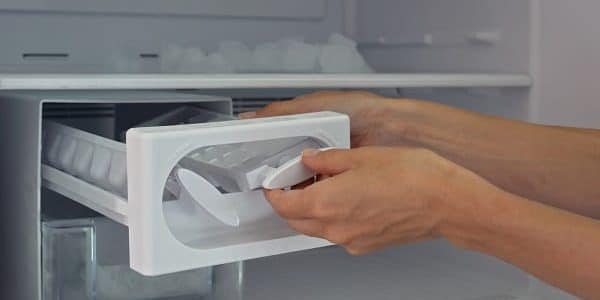
Is your Frigidaire ice maker suddenly refusing to make ice? You’re not alone, and it can be really frustrating when you expect a cool drink but find no ice at all.
Understanding why your ice maker isn’t working is the first step to fixing the problem quickly. You’ll discover simple reasons behind this common issue and easy solutions you can try right now. Keep reading to get your ice maker back up and running without hassle.

Credit: www.youtube.com
Common Ice Maker Issues
Frigidaire ice makers may stop making ice due to water supply issues or a frozen water line. Faulty sensors or a broken ice maker motor can also cause problems. Regular cleaning and checking connections can help keep ice production steady.
Common Ice Maker Issues Ice makers can be tricky. Sometimes, they just stop working. Understanding common issues can help you fix them quickly. Let’s explore these problems together.No Ice Production
No ice in the tray? Check the water supply. It might be off. Inspect the water line for kinks. These can block water flow. Also, ensure the ice maker is not in the “off” position. Sometimes, a simple switch can solve the issue.Slow Ice Making
Is your ice maker slow? Room temperature can affect ice production. Warmer environments slow down the process. Check the freezer settings. It should be cold enough. A full freezer can also slow ice production. Make some space for better airflow.Ice Cube Size Problems
Ice cubes too small or large? The water inlet valve might be faulty. It controls the water flow. Adjust the water level settings. Ensure it’s not too high or low. Sometimes, mineral deposits can clog the line. Clean it to restore normal function.Ice Maker Not Turning On
Ice maker not turning on? First, check the power source. Ensure it’s plugged in properly. Sometimes, the circuit breaker trips. Reset it if needed. The control arm might be stuck. Gently move it to the down position. This simple action can reactivate the ice maker.Checking Water Supply
Checking the water supply is vital when your Frigidaire ice maker stops making ice. The ice maker depends on a steady flow of water. Any disruption can stop ice production. Start by examining the water line, pressure, and filter. These parts often cause issues and are easy to fix.
Inspect Water Line
Look behind the fridge for the water line. Make sure it is not kinked or bent. A blocked or pinched line can stop water flow. Check for leaks or cracks along the line. Replace it if damaged. Ensure the connection to the fridge is tight and secure. Water must flow freely to the ice maker.
Test Water Pressure
Water pressure affects ice production. Low pressure means less water reaches the ice maker. Use a pressure gauge to test the water supply. The ideal pressure is usually between 20 and 120 psi. Contact a plumber if the pressure is too low. Sometimes, adjusting your home’s water system can help.
Clear Water Filter
The water filter traps dirt and debris. Over time, it can clog and reduce water flow. Remove the filter from the fridge and check for blockages. Replace the filter every six months or as recommended. A clean filter ensures fresh water and proper ice making.
Inspecting Ice Maker Components
When your Frigidaire ice maker stops making ice, the problem often lies within its internal parts. Inspecting these components closely can help you identify what’s wrong and save you from unnecessary repairs or replacements. Let’s break down the key elements you should check to get your ice maker back in action.
Examine Ice Mold
The ice mold is where water freezes into ice cubes. If it’s dirty or has mineral buildup, the cubes might not form properly. Look for cracks or damage that could cause leaks or incomplete ice formation.
Sometimes, the mold can freeze over unevenly, stopping ice production. You can gently warm the mold with a hairdryer on low to melt any stubborn ice. Have you noticed your ice cubes looking misshapen or smaller? That’s a clear sign to inspect this part closely.
Check The Ejector Blades
Ejector blades push the ice cubes out of the mold and into the bin. If these blades are stuck or broken, ice won’t be released properly. Make sure they move freely and aren’t obstructed by ice jams or debris.
Try spinning the blades by hand—do they rotate smoothly without resistance? If not, cleaning or replacing them might be necessary. Have you ever felt resistance while removing ice cubes manually? That’s often due to a faulty ejector mechanism.
Look At The Motor And Gears
The motor and gears drive the ejector blades and other moving parts. Listen for unusual noises like grinding or clicking, which can indicate worn gears or a failing motor. If the motor isn’t running, the ice maker won’t cycle properly.
Check for broken or missing gear teeth that can disrupt movement. Sometimes, a simple gear replacement can fix the issue without needing a whole new motor. Have you checked if your ice maker hums or stays silent when it should be working? That’s a critical clue about the motor’s condition.

Credit: www.dtappliance.com
Adjusting Temperature Settings
Adjusting the temperature settings in your freezer plays a key role in ice production. The freezer must stay cold enough to freeze water quickly. If the temperature is too warm, the ice maker stops making ice. If it is too cold, ice can become stuck or clump together. Finding the right balance helps your Frigidaire ice maker work properly.
Ideal Freezer Temperature
The ideal freezer temperature for ice making is around 0°F (-18°C). This temperature freezes water fast and keeps ice cubes solid. Temperatures above 10°F (-12°C) can slow down ice production. Temperatures below 0°F can cause ice buildup, which blocks the ice maker.
- Keep freezer at 0°F for best ice results
- Use a thermometer to check freezer temperature
- Adjust settings if temperature is too high or low
Impact Of Temperature On Ice Production
Temperature directly affects how fast your ice maker works. Warmer freezer air means water takes longer to freeze. This leads to fewer ice cubes and delays in ice making. On the other hand, very cold temperatures cause ice to freeze too hard. Hard ice can jam the ice maker or cause cubes to stick together.
Proper temperature control ensures steady ice production. It also prevents damage to the ice maker mechanism. Regular temperature checks help keep the ice maker running smoothly.
Resetting The Ice Maker
Resetting the ice maker can often solve common issues. It helps clear errors and restarts the ice-making process. This simple action can fix problems without needing professional help.
Manual Reset Steps
Locate the ice maker’s reset button. It is usually inside the freezer near the ice maker. Press and hold the button for about 10 seconds. You may hear a chime or the ice maker will start moving. Release the button and wait for the ice maker to complete a cycle. This can take up to an hour. Check if ice production resumes after the cycle.
When To Perform A Reset
- Ice maker stops making ice suddenly
- Ice cubes are small or misshapen
- Ice maker is noisy or stuck
- Power outage occurred recently
- After cleaning the ice maker or freezer
Resetting helps clear minor glitches. Do not reset repeatedly without checking other issues. If ice still does not form, other repairs might be needed.
Cleaning And Maintenance Tips
Keeping your Frigidaire ice maker clean and well-maintained is key to ensuring it works efficiently. Dirt, mineral deposits, and ice buildup can all stop your machine from making ice properly. Let’s look at simple cleaning and maintenance tips that you can do yourself to keep your ice maker running smoothly.
Removing Ice Buildup
Ice buildup can block the ice maker’s mechanisms and sensors, causing it to stop producing ice. Check inside the ice bin and freezer compartment regularly for thick ice layers. If you spot any, carefully remove the ice chunks using a plastic scraper or a soft cloth—never use sharp objects that might damage the machine.
After removing ice buildup, dry the area thoroughly. You might also want to defrost the freezer if ice keeps returning. Have you noticed ice forming faster than usual? That could mean your freezer temperature is too low or the door seal isn’t tight.
Regular Cleaning Schedule
Creating a cleaning routine helps prevent grime and mold from forming inside your ice maker. Aim to clean the ice bucket, water reservoir, and ice mold every one to two months. Use a mixture of warm water and mild dish soap to wash these parts, then rinse well to avoid any soap residue.
Don’t forget to clean the water filter too, if your model has one. A clogged filter reduces water flow and ice quality. Setting a reminder on your phone can make sticking to your cleaning schedule easier. How often do you clean your ice maker? If it’s been a while, now’s a great time to start.
When To Call A Technician
Knowing when to call a technician saves time and avoids further damage. Some ice maker issues need professional tools and skills. Ignoring serious problems can lead to costly repairs or replacements.
Signs Of Mechanical Failure
- The ice maker does not turn on or make any noise.
- Ice cubes are misshapen or hollow inside.
- Water leaks inside or under the refrigerator.
- Ice maker motor runs but no ice is produced.
- Unusual noises like grinding or clicking sounds.
- The ice maker cycles repeatedly without stopping.
Professional Repair Options
Technicians diagnose electrical and mechanical parts accurately. They fix or replace motors, sensors, and control boards. Repair services include cleaning ice maker components properly.
Technicians have access to original Frigidaire parts. They ensure repairs last longer and maintain warranty coverage. Call a professional for safe and reliable ice maker repair.

Credit: www.reddit.com
Frequently Asked Questions
Why Is My Frigidaire Ice Maker Not Producing Ice?
Your ice maker may not produce ice due to a frozen water line, low water pressure, or a faulty water inlet valve. Check for blockages, ensure the water supply is on, and inspect the valve for damage to fix the issue.
How Do I Reset My Frigidaire Ice Maker?
To reset, turn off the ice maker using the power switch or unplug the fridge. Wait 5 minutes, then restore power. This can clear minor glitches and restart the ice-making cycle effectively.
Can A Clogged Water Filter Stop Ice Production?
Yes, a clogged water filter can reduce water flow and stop ice production. Replace the filter every six months or as recommended to maintain optimal ice maker performance.
What Temperature Should My Freezer Be For Ice Making?
Set your freezer temperature between 0°F and 5°F (-18°C to -15°C). This range ensures water freezes properly and supports efficient ice production in your Frigidaire ice maker.
Conclusion
Troubles with your Frigidaire ice maker can be fixed step by step. Check water supply and temperature first. Clean the ice maker parts regularly to avoid blockages. Small problems often cause big ice issues. Stay patient and follow simple fixes.
Your ice maker can work well again soon. Keep these tips handy for future trouble. Don’t let a broken ice maker spoil your day. Simple care keeps ice flowing smoothly.