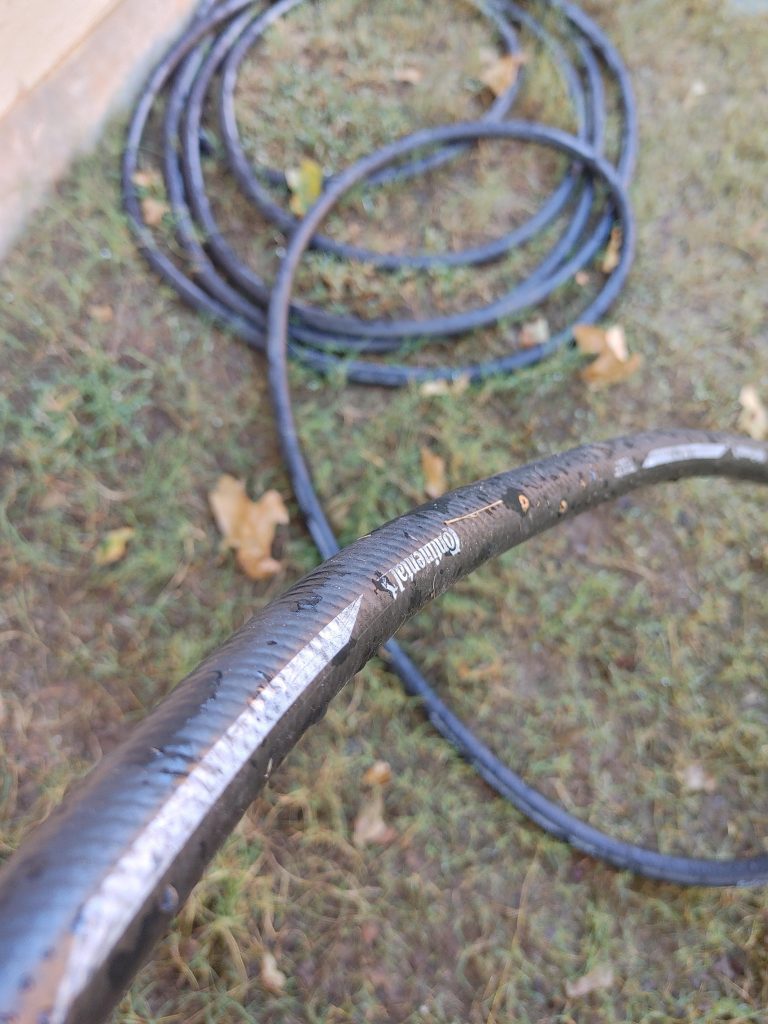
Have you ever grabbed your garden hose, only to find it sticky and hard to handle? It’s frustrating when something you use so often becomes unpleasant to touch.
You might wonder, “Why is my garden hose sticky? ” Understanding the reasons behind this sticky feeling can help you fix the problem and keep your hose in great shape. You’ll discover the common causes and simple solutions to get your garden hose back to feeling just right.
Keep reading—you’ll be surprised at how easy it is to solve this sticky situation!
Common Causes Of Sticky Garden Hoses
Garden hoses can become sticky over time. This can make them hard to use and store.
Sticky hoses usually show signs of wear or damage. Knowing why this happens helps you fix it.
Residue Buildup On Hose Surface
Residue from dirt, sap, or minerals can stick to the hose. This layer makes the hose feel sticky.
Water that dries on the hose leaves behind minerals. These minerals create a rough, sticky surface.
Chemical Reactions From Cleaning Agents
Some soaps and cleaners react with the hose material. This causes a sticky or tacky feeling.
Strong chemicals can break down the hose surface. This makes it soft and sticky over time.
Exposure To Sunlight And Heat
Sunlight and heat cause the hose material to degrade. This breakdown makes the hose sticky.
UV rays break down plastic and rubber. This leads to a sticky, weak hose surface.
Mold And Mildew Growth
Moist, shaded areas encourage mold and mildew growth. These fungi make the hose surface sticky.
Mold looks like dark spots or fuzzy patches. It creates a slimy texture on the hose.
- Keep hose dry when not in use
- Store hose in a well-ventilated area
- Clean hose regularly to prevent mold
Material Degradation Over Time
Hoses lose their original texture as they age. The materials break down and become sticky.
Plasticizers in the hose can leach out. This leaves a sticky residue on the surface.

Credit: www.reddit.com
How To Identify Sticky Hose Problems
A garden hose can become sticky due to dirt, chemicals, or aging materials. Knowing how to spot these issues helps you fix the problem quickly.
Look closely and use your hands to find out why your hose feels sticky. Checking for damage can also show if the hose needs repair or replacement.
Visual Inspection Tips
Start by looking at the hose surface in good light. Sticky spots may look shiny or dull compared to the rest of the hose. Dirt or mold can cause stickiness.
- Check for color changes on the hose
- Look for patches with dirt buildup
- Spot any mold or mildew growth
- Observe if the hose surface is cracked or peeling
Touch And Feel Tests
Use your hands to feel the hose along its length. Sticky areas often feel tacky or gummy. A smooth hose should not feel sticky or slimy.
| Test Area | What to Feel For | Possible Cause |
| Outer surface | Sticky, gummy spots | Residue or aging rubber |
| Ends and connectors | Sticky or rough texture | Sealant or dirt buildup |
| Along the hose | Uneven texture or stickiness | Wear or chemical damage |
Checking For Leaks And Cracks
Leaks and cracks can cause sticky sections by allowing dirt and water to mix on the hose surface. Check carefully for any breaks.
- Turn on the water and watch the hose closely
- Look for wet spots where water escapes
- Feel for cracks or weak spots by bending the hose gently
- Note any areas that feel softer or thinner than others
Simple Cleaning Methods
Sometimes, garden hoses become sticky due to residues. Cleaning them is simple with some basic methods.
These methods use household items to remove stickiness without harming the hose.
Using Mild Soap And Water
Mix mild soap with warm water. This helps to remove dirt and sticky residue.
Soak a soft cloth in the soapy water. Gently scrub the hose with it.
- Rinse with clean water after scrubbing
- Dry with a towel to prevent water spots
Vinegar Solutions For Residue Removal
Vinegar is excellent for breaking down sticky substances. Mix equal parts vinegar and water.
Apply this solution to the hose. Use a cloth or sponge to wipe away the residue.
- Leave the solution on for a few minutes
- Rinse thoroughly with water afterwards
Baking Soda Scrubs
Baking soda is a gentle abrasive. It can scrub off sticky residue without scratching.
Make a paste with baking soda and water. Apply it to the hose and rub gently.
- Rinse with water to remove the paste
- Pat dry with a cloth to prevent moisture
Avoiding Harsh Chemicals
Harsh chemicals can damage your garden hose. Avoid using bleach or strong solvents.
Stick to mild cleaning agents. This ensures the hose stays in good condition.
- Always test a small area first
- Use protective gloves when cleaning
Preventing Stickiness In The Future
A sticky garden hose can make watering your plants unpleasant. It may happen due to dirt, mold, or poor storage. Taking steps to prevent stickiness keeps your hose clean and easy to use.
Simple habits like cleaning and storing your hose properly help a lot. Choosing the right hose material and protecting it from weather also stops stickiness from forming.
Proper Hose Storage Techniques
Store your garden hose in a cool, dry place after use. Avoid leaving it in a pile on the ground. Use a hose reel or hanger to keep it off the floor.
Coiling the hose loosely helps prevent kinks and damage. Proper storage stops dirt buildup and keeps the hose surface smooth and clean.
- Use a hose reel or hanger
- Keep hose in a shaded, dry area
- Coil hose loosely without sharp bends
- Avoid storing on rough or dirty surfaces
Regular Cleaning Schedule
Clean your garden hose regularly to remove dirt and grime. Use mild soap and water with a soft cloth or sponge. Rinse well and let it dry completely before storing.
Cleaning prevents mold and sticky residue from building up on the hose surface. A clean hose lasts longer and stays easy to handle.
- Wash hose with soap and water every few weeks
- Rinse off all soap to avoid residue
- Dry hose fully before storing
- Check for mold spots and clean immediately
Choosing The Right Hose Material
Some hose materials resist stickiness better than others. Rubber hoses are less sticky but heavier. Vinyl hoses are lighter but can become sticky in heat.
Look for hoses made with UV-resistant coatings or special plastics. These materials stay smooth and clean longer under sun and weather.
- Rubber hoses resist stickiness well
- Vinyl hoses may get sticky in heat
- UV-resistant hoses last longer outdoors
- Choose materials suited to your climate
Protecting From Sun And Weather
Sunlight and weather damage hose surfaces. UV rays can break down plastic and make it sticky or brittle. Rain and dirt cause mold and grime buildup.
Keep your hose shaded or covered when not in use. Using a hose reel with a cover helps protect it. Move the hose indoors during extreme weather.
- Store hose in shade to avoid sun damage
- Cover hose with a tarp or reel cover
- Bring hose indoors during storms or winter
- Dry hose before storing to prevent mold
When To Replace Your Garden Hose
A sticky garden hose can be frustrating to use. It may also mean the hose is getting old or damaged. Knowing when to replace it helps keep your garden healthy.
Replacing a hose at the right time saves you from leaks and poor water flow. It also stops sticky hoses from ruining your hands or plants.
Signs Of Irreversible Damage
Look for cracks, holes, or hard spots on your hose. These signs mean the material is breaking down. Sticky texture that won’t wash off is another warning.
If water leaks from several places or the hose feels very stiff, it likely needs replacement. Old hoses can also smell bad or leave residue on your hands.
- Cracks and holes
- Hard or stiff sections
- Sticky or slimy surface
- Water leaking from multiple spots
- Bad smell or residue
Cost Vs. Repair Considerations
Repairing a hose with small holes can be cheap. Patching leaks may save money if damage is limited. But repeated fixes add up.
Replacing an old or sticky hose may cost more upfront. You avoid constant repairs and get better water flow. Think about how often you use your hose.
- Small leaks can be patched cheaply
- Frequent repairs waste time and money
- New hoses improve water pressure
- Replacement is better for heavy use
Selecting A Durable Replacement
Choose hoses made from tough materials like reinforced rubber or heavy-duty vinyl. These last longer and resist stickiness. Look for hoses that stay flexible in all weather.
Consider hose length and diameter for your watering needs. A durable hose saves money and makes gardening easier. Check reviews or ask for advice at garden stores.
- Reinforced rubber or heavy-duty vinyl
- Flexible in cold and hot weather
- Right length and diameter for your garden
- Good customer reviews or store advice

Credit: www.stanleytools.com

Credit: www.amazon.com
Frequently Asked Questions
Why Is My Garden Hose Sticky To Touch?
Your garden hose becomes sticky due to UV exposure, heat, or chemical breakdown of its materials. This causes the outer layer to degrade and become tacky. Regular cleaning and storing it away from direct sunlight can help prevent stickiness.
Can Mold Cause A Garden Hose To Feel Sticky?
Yes, mold or mildew growth on a garden hose can cause stickiness. Moist environments promote mold, which feels slimy or sticky. Cleaning the hose with a mild bleach solution can remove mold and restore the hose’s texture.
Does Hose Material Affect Stickiness Over Time?
Different hose materials age differently; rubber hoses often become sticky as their compounds break down. Vinyl hoses may stay firmer longer but can crack. Choose UV-resistant hoses to reduce sticky surface issues caused by sun damage.
How To Clean A Sticky Garden Hose Effectively?
To clean a sticky hose, use mild soap and warm water with a soft cloth. Avoid harsh chemicals that can worsen stickiness. Rinse thoroughly and dry the hose before storage to keep it smooth and flexible.
Conclusion
A sticky garden hose can be annoying and hard to use. Dirt, mold, or old material often cause this problem. Regular cleaning helps keep the hose smooth and easy to handle. Store the hose in a cool, dry place to prevent stickiness.
Check the hose for damage and replace it if needed. Taking simple steps keeps your garden hose working well longer. Enjoy watering your plants without any sticky mess. Easy care makes a big difference.