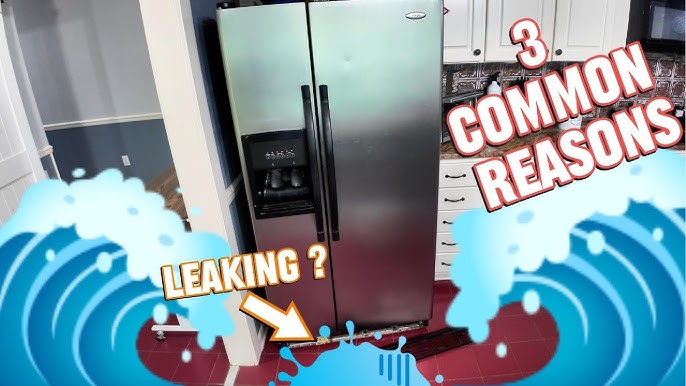
Is your GE refrigerator causing a puddle on your kitchen floor? You’re not alone.
A leaking refrigerator can be a frustrating mystery, making you worry about potential damage and costly repairs. But don’t fret just yet. Understanding why your GE refrigerator is leaking water can not only save you time and money but also give you peace of mind.
We’ll dive into the common reasons behind this issue, offering you simple solutions and tips to prevent future leaks. Stick with us to discover how you can keep your kitchen dry and your mind at ease, without the headache of unnecessary expenses.

Credit: www.yahoo.com
Common Leak Causes
Water leaks in GE refrigerators can stem from several common issues. Identifying the cause helps fix the problem quickly. Many leaks result from simple parts that need attention or cleaning.
Below are the frequent reasons why your GE refrigerator might be leaking water.
Clogged Defrost Drain
The defrost drain removes melted water during defrost cycles. It can get blocked by food debris or ice. This blockage causes water to pool inside the fridge or leak out.
Cleaning the drain with warm water or a pipe cleaner often clears the clog. This stops water buildup and leaks.
Damaged Door Seal
The door seal keeps cold air inside and moisture out. A damaged or cracked seal lets warm air enter. This causes condensation and water leaks inside the fridge.
Inspect the seal for cracks or tears. Replace it if damaged to prevent leaks.
Faulty Water Filter
A loose or old water filter can cause leaks near the filter area. Filters block impurities and control water flow. A faulty one may drip or leak water.
Check if the filter is installed properly. Replace it regularly to avoid leaks.
Broken Drain Pan
The drain pan collects water from the defrost cycle. If cracked or damaged, it leaks water under the refrigerator. This can cause puddles on the floor.
Inspect the pan for cracks or holes. Replace it if broken to stop leaks.
Ice Maker Issues
Ice maker problems can cause water leaks inside or under the fridge. A loose connection or broken tube may drip water. Ice build-up can also cause overflow.
Check all water connections to the ice maker. Clear ice clogs and repair damaged parts.
Credit: www.eastcoastappliance.com
Identifying Leak Sources
Water leaking from a GE refrigerator can cause damage and inconvenience. Finding the source of the leak helps fix the problem quickly. Different parts inside the fridge can cause leaks. Checking these parts carefully saves time and effort.
Start by checking the water lines. Then inspect the door gaskets. Finally, examine the drainage system. Each area can reveal clues about the leak’s origin.
Checking Water Lines
Water lines supply water to the fridge’s dispenser and ice maker. These lines can crack or loosen over time. Look behind the fridge for any wet spots or drips. Trace the lines from the water source to the fridge. Tighten loose connections with a wrench. Replace cracked or damaged lines to stop leaks.
Inspecting Door Gaskets
Door gaskets seal the fridge and freezer doors. A damaged gasket lets moisture build up inside. Check the gasket for cracks, tears, or dirt. Clean the gasket with warm soapy water to improve sealing. Replace the gasket if it is torn or warped. A good seal keeps moisture out and prevents leaks.
Examining Drainage System
The drainage system removes melted frost and water from the fridge. A clogged drain can cause water to pool inside. Locate the drain hole at the back or bottom of the fridge. Clear any blockages using warm water or a pipe cleaner. Make sure the drain pan under the fridge is clean and in place. A clear drainage system stops water leaks effectively.
Simple Fixes At Home
Dealing with a leaking GE refrigerator can be frustrating, but many common causes have easy fixes you can try yourself. Simple home repairs often save you time and money while getting your fridge back to normal quickly. Before calling a technician, you might want to check these straightforward solutions that have worked for many.
Clearing The Defrost Drain
The defrost drain often gets clogged with food debris or ice, causing water to pool inside or leak out. You can clear it by locating the drain hole, usually at the back or bottom of the fridge compartment.
Use warm water and a turkey baster or a pipe cleaner to flush out any blockages gently. Keeping this drain clear prevents water buildup and stops leaks before they start.
Replacing Door Seals
Worn or damaged door seals let warm air in, causing condensation and excess water inside your fridge. Check the rubber gasket around your fridge doors for cracks or gaps by closing the door on a piece of paper—if it slips out easily, the seal might need replacing.
Replacing door seals is affordable and straightforward. It improves energy efficiency and stops leaks by maintaining a tight seal.
Changing The Water Filter
If your GE refrigerator has a water dispenser or ice maker, a clogged or old water filter can cause leaks. Filters that aren’t replaced regularly may block water flow, leading to leaks inside the fridge or on the floor.
Locate your filter, usually inside the fridge or at the base, and replace it according to the manufacturer’s instructions. This fix often solves leakage and improves water taste and quality.
Fixing The Drain Pan
The drain pan collects water that drips from the defrost cycle, but if it cracks or shifts out of place, water can leak onto your floor. Inspect the pan under your fridge for cracks or misalignment.
If damaged, a replacement pan is inexpensive and easy to install. Ensuring the pan sits correctly will catch water properly and keep your kitchen dry.

Credit: www.reddit.com
When To Call A Technician
Knowing when to call a technician for your leaking GE refrigerator can save you time, money, and stress. Some problems might look simple but need expert attention to avoid bigger damage. If you notice certain signs or if your attempts to fix the leak don’t work, it’s time to get professional help.
Persistent Leaks
If water keeps pooling inside or outside your refrigerator despite your best efforts, a persistent leak is a red flag. Simple fixes like clearing a clogged drain or replacing a door gasket might not solve the issue. At this point, a technician can diagnose hidden problems, such as damaged seals or internal tubing issues, that are not easy to spot.
Complex Ice Maker Repairs
The ice maker is a common source of leaks but repairing it isn’t always straightforward. If you find water leaking around the ice maker or notice irregular ice production, the problem could be with the water inlet valve or the internal water lines. These parts require technical skills and special tools to repair or replace safely and correctly.
Electrical Component Issues
Water leaks near electrical components are especially dangerous. If you see water pooling near the compressor or control panel, avoid trying to fix it yourself. A technician must handle these issues to prevent electrical hazards and ensure the refrigerator runs safely and efficiently.
Preventive Maintenance Tips
Preventive maintenance is key to stopping your GE refrigerator from leaking water. Small, regular actions can save you from bigger problems and costly repairs. By paying attention to simple details, you keep your fridge running smoothly and dry.
Regular Cleaning Schedule
Dust and dirt can block the drain hole or drip pan, causing water to pool and leak. Clean the drip pan and drain area at least once a month to prevent buildup. Wiping down the seals and interior also helps keep moisture where it belongs.
Have you checked your fridge’s drain hole lately? I once ignored it and ended up with water pooling inside. After cleaning it out, the leaking stopped immediately.
Proper Door Closing
Make sure your fridge door closes fully every time. A slightly open door causes condensation and excess water inside. Check if the door gasket is sealing tightly; if it’s cracked or loose, replace it to avoid leaks.
Try this simple test: close the door on a dollar bill and pull it out gently. If it slides out easily, your seal might need attention. Proper door closing keeps the cold air in and water out.
Routine Filter Replacement
Water filters that are clogged or old can cause leaks from your dispenser or ice maker. Replace your water filter as recommended, usually every six months, to maintain proper flow. This keeps water clean and prevents pressure buildup that leads to leaks.
Remember, using the right filter model for your GE fridge is important. I once used a generic filter and noticed water pooling under the dispenser. Switching back to the official filter solved the problem.
Frequently Asked Questions
Why Is My Ge Refrigerator Leaking Water Inside?
Water inside your GE fridge often leaks due to a clogged or frozen defrost drain. Clean the drain to allow proper water flow and prevent leaks.
How Do I Fix A Leaking Ge Refrigerator Water Line?
Check the water line for cracks or loose connections. Tighten fittings or replace damaged parts to stop water leaks effectively.
Can A Blocked Drain Pan Cause Leaks In Ge Refrigerators?
Yes, a blocked or overflowing drain pan can cause water leakage. Clean the pan regularly to avoid water buildup and leaks.
Why Is Water Pooling Under My Ge Fridge?
Water pooling under the fridge usually means a clogged drain tube or leaking water supply. Inspect and clear blockages to fix the issue.
Conclusion
A leaking GE refrigerator can cause many problems at home. Checking the drain pan and door seals often solves the issue. Keep the defrost drain clear to prevent water build-up. Regular cleaning helps avoid leaks and keeps food fresh. Small fixes save money and stop bigger damage.
Watch for leaks early to act fast. Taking care of your fridge keeps it working well longer. Simple steps make a big difference in everyday use. Stay alert and fix leaks to protect your kitchen space.