
Is your heat pump freezing up even though it’s summer? You might think freezing is only a winter problem, but it can happen when you least expect it.
When your heat pump freezes, it won’t cool your home properly, leaving you uncomfortable and frustrated. Understanding why this happens is the first step to fixing it quickly and avoiding costly repairs. Keep reading to discover the surprising reasons behind your heat pump freezing up in summer and what you can do to stop it for good.

Credit: www.advantageairtech.com
Common Signs Of A Frozen Heat Pump
A heat pump freezing up during summer is unusual but possible. Recognizing signs early helps prevent damage and costly repairs. Here are common signs that indicate your heat pump might be frozen.
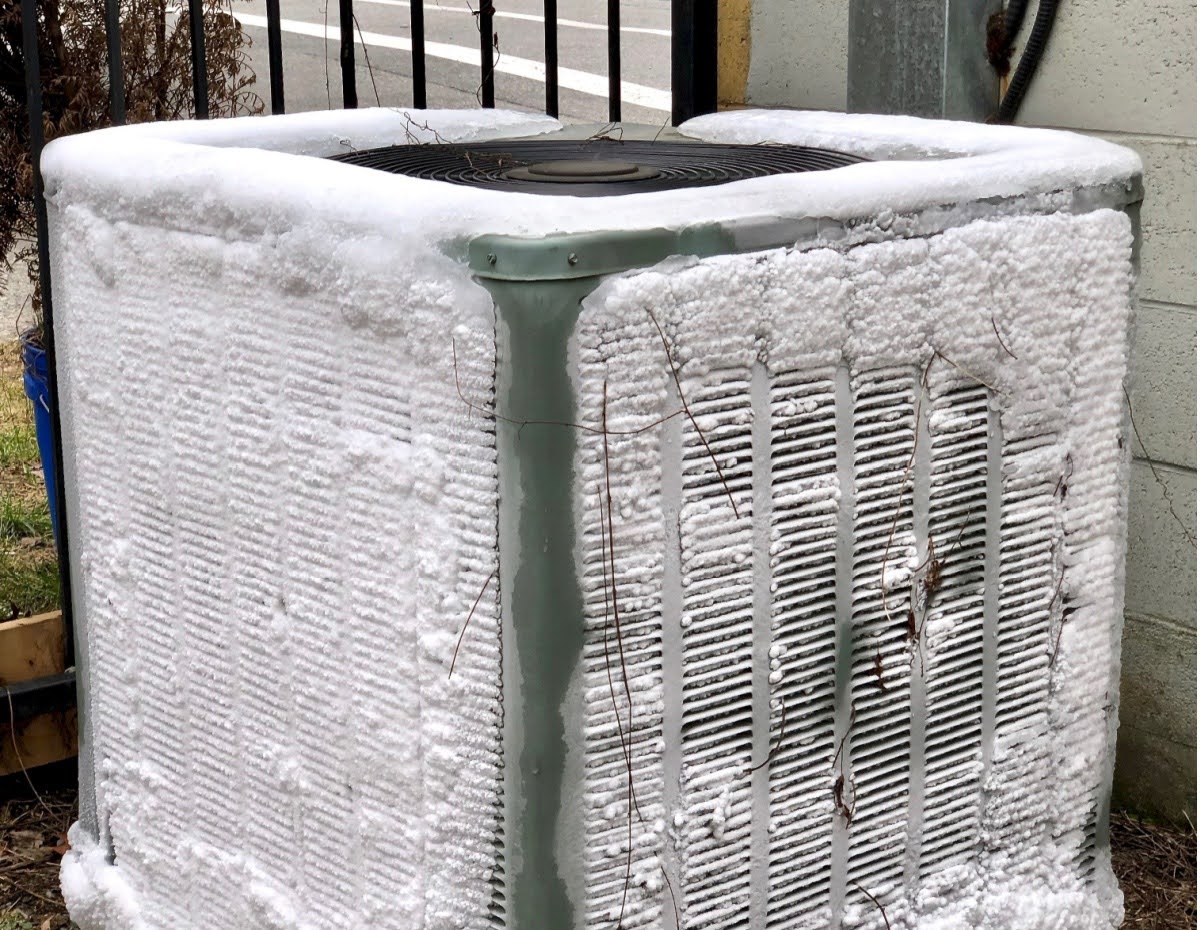
Visible Ice Buildup
Ice forms on the outdoor unit’s coils or pipes. This ice can appear as frost or thick layers of solid ice. Ice buildup blocks airflow and reduces heat transfer. It is a clear sign that the heat pump is struggling.
Reduced Heating Efficiency
Your heat pump struggles to warm your home. It runs longer but fails to reach the desired temperature. Energy bills may rise as the system works harder. Poor heating often means the unit has frozen components.
Unusual Noises
Listen for strange sounds from the outdoor unit. You might hear banging, clanking, or hissing noises. These sounds can come from ice obstructing moving parts. Unusual noises usually signal mechanical stress caused by freezing.
Credit: www.davisheat.com
How Heat Pumps Work In Summer
Heat pumps work differently in summer than in winter. They pull heat from inside your home and move it outside. This keeps your living space cool and comfortable during hot months. Understanding the process helps explain why a heat pump might freeze up in summer.
Cooling Mode Basics
In cooling mode, the heat pump acts like an air conditioner. It removes warm air from your home. A refrigerant absorbs this heat and carries it outside. The system then releases the heat into the outdoor air. This cycle repeats continuously to cool your home.
The heat pump has two main parts:
- Indoor unit – absorbs heat from the indoor air
- Outdoor unit – releases heat to the outside
Fans and compressors help move air and refrigerant through the system. The process keeps your indoor air fresh and cool.
Heat Transfer Process
The refrigerant inside the heat pump changes between liquid and gas. This change helps it absorb and release heat efficiently. Inside the home, the refrigerant evaporates, absorbing heat from the air.
Outside, the refrigerant condenses and releases the heat it carries. The compressor pumps the refrigerant through the system. This constant heat transfer makes cooling possible.
Proper airflow and refrigerant levels are key to smooth operation. Any disruption can cause the system to freeze up, even in summer.
Top Causes Of Summer Freezing
Summer freezing in your heat pump can feel like a strange problem. You expect it to cool your home, not freeze up. Understanding the top causes will help you spot the issue early and avoid costly repairs.
Low Refrigerant Levels
Refrigerant is essential for your heat pump’s cooling cycle. If the levels drop, the pressure inside the coils falls too low, causing moisture to freeze on the unit. Have you checked your refrigerant lately? Leaks or poor charging can silently cause this problem.
Dirty Air Filters
Clogged filters block airflow, making your heat pump work harder than it should. This strain lowers the temperature of the coils, leading to ice buildup. Think about the last time you changed your filter—could it be overdue?
Blocked Airflow
Besides dirty filters, other blockages like closed vents or debris around the outdoor unit can restrict airflow. Without proper air movement, the coils get too cold, and ice forms. Are you keeping the area around your heat pump clear and well-ventilated?
Faulty Defrost Cycle
Your heat pump has a defrost cycle to melt any ice that forms. If this cycle malfunctions, ice will accumulate instead of melting away. Sometimes, a simple sensor or control board issue can stop the defrost from working correctly—have you noticed if your unit runs the defrost regularly?
Thermostat Issues
A malfunctioning thermostat can send wrong signals, causing the heat pump to run continuously or not at all. This can lead to improper cooling and freezing problems. When was the last time you calibrated or tested your thermostat?
Impact Of Outdoor Conditions
Outdoor conditions greatly influence heat pump performance. These conditions affect how the unit works and can cause freezing even in summer. Understanding these impacts helps in preventing and fixing freeze-ups quickly.
Cold Weather Fluctuations
Temperature changes can confuse your heat pump. Sudden drops in temperature at night or early morning may cause ice to form. The heat pump struggles to keep up with quick cold spells. This leads to frost buildup on the outdoor coil. Even in summer, cool nights can trigger freezing issues.
Humidity Effects
High humidity levels add moisture to the air around the heat pump. Moist air can freeze when the unit cools the outdoor coil. This moisture turns into frost or ice, reducing efficiency. Dry air poses less risk of freezing. Humidity plays a big role in heat pump freeze-ups during warm months.
How To Prevent Freezing
Preventing your heat pump from freezing during summer is essential to keep it running smoothly and avoid costly repairs. Understanding the key steps you can take helps you stay ahead of potential problems. Let’s look at practical ways you can protect your system and maintain its efficiency.
Regular Maintenance Tips
Regular maintenance is the foundation of preventing freeze-ups. Schedule professional check-ups at least once a year to catch issues early. Simple inspections can identify worn parts or system imbalances before they cause freezing.
Besides professional help, keep an eye on your heat pump yourself. Listen for unusual noises and watch for frost buildup on the outdoor unit. These signs often point to underlying problems you can address quickly.
Cleaning And Replacing Filters
Dirty filters restrict airflow and can cause your heat pump to freeze. Check your filters every month during summer and clean or replace them as needed. Clean filters ensure proper airflow, reducing the risk of ice forming on coils.
Consider setting a reminder on your phone to check filters regularly. This small habit saves you from unexpected freezing and keeps your system efficient all season long.
Checking Refrigerant Levels
Low refrigerant levels directly contribute to freezing issues. If your heat pump isn’t cooling properly or you notice ice buildup, have a technician check the refrigerant charge. Too little refrigerant means the system struggles to maintain temperature balance.
Don’t ignore signs like longer cooling cycles or a drop in performance. Addressing refrigerant problems early prevents freezing and extends your heat pump’s lifespan.
When To Call A Professional
Knowing when to call a professional for a freezing heat pump in summer can save you time and money. Some issues are easy to fix on your own. Others require expert help to avoid further damage.
Trusting a skilled technician ensures your system runs safely and efficiently. Watch for clear signs that signal a serious problem. Acting fast helps prevent costly repairs.
Signs Of Serious Problems
- Ice buildup does not melt after turning off the heat pump.
- Unusual noises like banging or grinding sound from the unit.
- System frequently shuts off or fails to start.
- High energy bills without increased usage.
- Airflow feels weak or inconsistent through vents.
- Visible refrigerant leaks or frost on pipes.
Choosing The Right Technician
Look for licensed HVAC professionals with experience in heat pumps. Check online reviews and ask for references. Confirm they offer a warranty on repairs.
Choose someone who explains problems clearly and answers questions. Avoid hiring the cheapest option without checking credentials. A good technician saves money in the long run.

Credit: a1heating.com
Frequently Asked Questions
Why Does My Heat Pump Freeze In Summer?
Heat pumps can freeze in summer due to restricted airflow or low refrigerant. Dirty filters, blocked vents, or a malfunctioning defrost cycle cause ice buildup, affecting performance and efficiency.
Can Low Refrigerant Cause Summer Freezing?
Yes, low refrigerant reduces heat absorption, causing the evaporator coil to freeze. It indicates leaks or system issues needing professional repair to prevent damage and restore proper function.
How Does Airflow Affect Heat Pump Freezing?
Poor airflow limits warm air reaching the coil, causing it to freeze. Dirty filters, blocked vents, or fan problems reduce airflow, leading to ice formation during cooling mode.
Is A Dirty Filter Responsible For Freezing?
Yes, a dirty filter restricts airflow, causing the coil to freeze. Regular filter cleaning or replacement ensures proper airflow, preventing ice buildup and maintaining heat pump efficiency.
Conclusion
Understanding why your heat pump freezes is crucial. It often points to airflow issues or refrigerant leaks. Regular maintenance helps prevent these problems. Clean or replace filters frequently. Check for blockages around the unit. If issues persist, consult a professional technician.
They can diagnose and fix the problem effectively. Keeping your heat pump in good condition ensures comfort. It also saves energy and reduces bills. Stay proactive with care and maintenance. This keeps your home cool and efficient all summer long.