
Is your house air conditioner running but not cooling your rooms like it used to? You’re not alone, and it’s more frustrating than you might think.
When your AC fails to keep your home comfortable, it can quickly turn your space into an uncomfortable zone. You might be wondering if it’s a simple fix or a costly repair. Don’t worry—understanding why your air conditioner isn’t cooling properly can save you time, money, and stress.
Keep reading, and you’ll discover the common reasons behind this problem and what you can do about it right now.

Credit: www.searshomeservices.com
Common Causes Of Poor Cooling
When your house air conditioner stops cooling well, it can be very uncomfortable. Many problems cause poor cooling.
Knowing the common reasons helps you find the issue faster. Here are some usual causes of poor cooling in air conditioners.
Dirty Air Filters
Dirty air filters block the airflow inside your air conditioner. This makes the system work harder and cool less efficiently.
- Dust and dirt build up over time
- Reduces airflow and lowers cooling power
- Needs regular cleaning or replacement
Refrigerant Leaks
Refrigerant is the liquid that cools the air. If it leaks, your AC cannot cool properly. Signs include warm air and hissing sounds.
| Symptom | Effect |
|---|---|
| Low refrigerant level | Less cooling, longer run time |
| Hissing noise | Possible leak point |
| Ice buildup | Frozen coils reduce cooling |
Thermostat Issues
If the thermostat is set wrong or is broken, the AC may not cool as expected. It might turn off too soon or not turn on at all.
Check if the thermostat is on the right mode and set to a cooler temperature. Replace batteries if needed.
Blocked Condenser Unit
The condenser unit outside can get blocked by leaves, dirt, or debris. This stops heat from leaving your home.
- Clear debris around the unit
- Keep plants and bushes trimmed
- Clean condenser coils regularly
Faulty Compressor
The compressor pumps refrigerant through the AC system. If it fails, the air conditioner cannot cool your home.
Signs of a bad compressor include strange noises and warm air. A professional should inspect and fix this problem.
Quick Diy Fixes
Is your air conditioner not cooling your home? There are quick solutions you can try yourself. These simple steps may help restore comfort to your living space.
Before calling a professional, consider these easy fixes to get your air conditioning system running efficiently again.
Cleaning Or Replacing Filters
Dirty filters block airflow and reduce cooling efficiency. Check your air conditioner filters regularly. Clean or replace them if they are dirty.
Most filters need cleaning every month. Replace them every three months for best results.
Clearing Debris Around Unit
Debris around your air conditioner can block airflow. Keep the area around your unit clear. Remove leaves, grass, and other debris.
Check the space around your outdoor unit often. A clear area helps your air conditioner work better.
Resetting The Thermostat
Sometimes, a simple reset of the thermostat can fix cooling issues. Turn it off and then on again. Set the temperature lower than the current room temperature.
Make sure the thermostat is set to “cool” mode. Double-check the settings if the air conditioner is not cooling.
Checking For Ice Buildup
Ice buildup on your unit can stop it from cooling. Check for ice on the coils. Turn off the unit to let the ice melt.
Once the ice melts, turn the air conditioner back on. Keep an eye on it to see if the issue repeats.
When To Call A Professional
If your air conditioner stops cooling, you may need help. Some problems need a trained technician.
Knowing when to call a professional saves time and money. It also keeps you safe.
Handling Refrigerant Problems
Low refrigerant causes poor cooling. Only licensed pros can handle refrigerant safely.
They check for leaks and refill refrigerant to the right level. Do not try this yourself.
Fixing Electrical Components
Faulty wiring or parts can stop your AC from working. Electric repairs need expert skills.
A professional tests and replaces broken parts safely. Avoid electric shock by hiring a technician.
Compressor Replacement
The compressor is the heart of your AC. If it fails, cooling stops completely.
Replacing a compressor is complex and costly. A professional can assess and replace it properly.
Regular Maintenance Checks
Regular checkups keep your AC running well. Professionals clean and inspect parts.
They catch small issues before they become big problems. Schedule maintenance at least once a year.
Preventive Tips For Efficient Cooling
Keeping your air conditioner running well helps your house stay cool. Simple steps can improve its work and lower bills.
Use these tips to keep your AC in good shape and enjoy a cooler home all summer long.
Regular Filter Maintenance
Clean or change your air filter every one to three months. Dirty filters block airflow and reduce cooling. This makes the AC work harder and waste energy.
- Check the filter monthly during heavy use.
- Replace disposable filters on time.
- Wash reusable filters with water and let dry before reinstalling.
Ensuring Proper Insulation
Good insulation keeps cool air inside and hot air out. This helps your AC cool your home faster and use less power.
| Insulation Area | Why It Matters |
| Attic | Stops hot air from entering |
| Walls | Keeps indoor air temperature steady |
| Windows and Doors | Seals gaps to prevent air leaks |
Using Ceiling Fans
Ceiling fans help spread cool air around your rooms. They use less energy than air conditioners.
- Run fans with the AC to feel cooler.
- Turn off fans when you leave the room to save energy.
- Set fan direction to push air down in summer.
Scheduling Seasonal Tune-ups
Have a professional check your AC system before hot weather arrives. Tune-ups catch small problems early and keep your unit running well.
- Inspect and clean coils and fins
- Check refrigerant levels
- Test thermostat accuracy
- Examine electrical connections
Energy-saving Practices
Saving energy helps your air conditioner cool your home better. It also lowers your electricity bills.
Using simple energy-saving tips can make your house more comfortable on hot days.
Setting Optimal Thermostat Temperatures
Set your thermostat to a temperature that balances comfort and energy use. Too low makes the AC work harder.
- Keep the thermostat at 78°F (25°C) when you are home.
- Raise the temperature when you are away or asleep.
- Use fans to help the air circulate.
Using Smart Thermostats
Smart thermostats learn your schedule. They cool your home only when needed. This saves energy and money.
Many smart thermostats allow remote control through your phone. You can adjust settings anywhere.
Sealing Air Leaks
Air leaks let hot air enter your home and cool air escape. This makes your AC less effective.
| Common Leak Areas | What to Do |
| Windows | Use weatherstripping or caulk |
| Doors | Install door sweeps or seals |
| Attic Vents | Seal gaps with foam or insulation |
Limiting Heat-generating Activities
Some activities add heat inside your home. Limiting them helps your AC cool better.
- Cook meals during cooler parts of the day.
- Turn off lights and electronics when not in use.
- Use energy-efficient bulbs that produce less heat.
- Avoid using dryers; air dry clothes when possible.

Credit: www.youtube.com
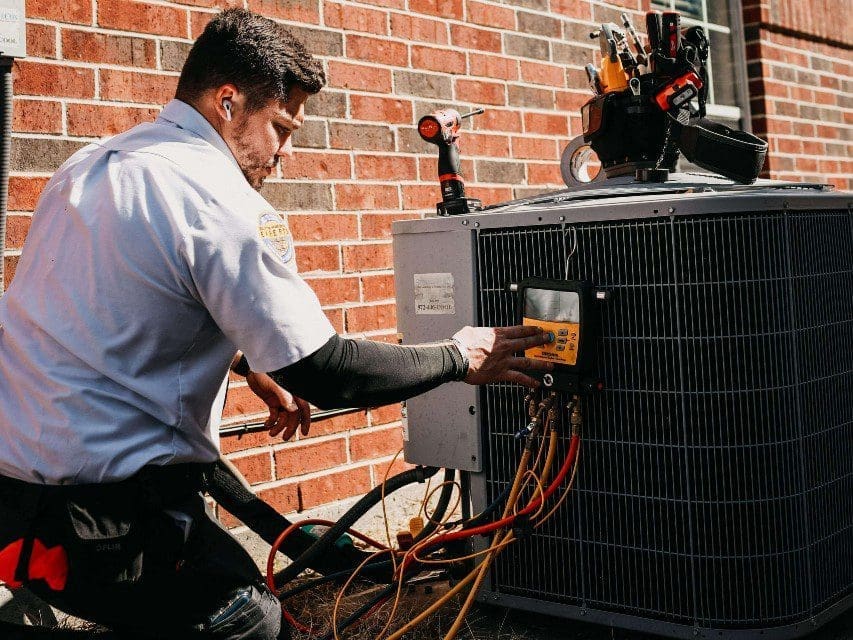
Credit: callmilestone.com
Frequently Asked Questions
Why Is My Air Conditioner Running But Not Cooling?
Your AC may have a dirty filter, low refrigerant, or a malfunctioning compressor. Check these parts first. Regular maintenance can prevent issues and improve cooling efficiency.
How Often Should I Clean My Ac Filter?
Clean your AC filter every 1 to 3 months. Dirty filters block airflow and reduce cooling performance. Regular cleaning helps your unit work efficiently and lowers energy bills.
Can A Frozen Ac Coil Cause No Cooling?
Yes, a frozen coil blocks heat exchange, stopping cooling. Causes include low refrigerant, poor airflow, or dirty filters. Turn off the AC and call a technician to fix it.
Does Thermostat Setting Affect Ac Cooling?
Yes, incorrect thermostat settings can prevent proper cooling. Set your thermostat to “cool” mode and a temperature lower than room temperature. This ensures the AC activates and cools the space.
Conclusion
A house air conditioner stops cooling for many reasons. Dirt, low refrigerant, or a broken part can cause problems. Regular cleaning and timely repairs keep the unit working well. Checking filters and vents helps airflow. Small issues can turn big if ignored.
Stay aware of signs like warm air or strange noises. Fixing the problem early saves money and keeps you cool. Don’t wait until the heat gets worse. A working AC makes home comfortable and safe.