Are you frustrated with your ice maker taking forever to produce those refreshing cubes? You’re not alone.
Many people experience this slow ice-making issue, and it can be quite puzzling. You rely on those ice-cold drinks, especially during the sweltering summer months, but when your ice maker drags its feet, it can leave you feeling hot and bothered.
But don’t worry, there are reasons for this sluggish behavior, and understanding them could be the key to solving your icy dilemma. Imagine the relief of opening your freezer to find a plentiful supply of ice, ready to cool your favorite drinks. Let’s dive into why your ice maker might be slowing down and how you can get it back to its frosty best. Keep reading to discover how you can speed things up and enjoy a constant flow of ice cubes once again.
Credit: www.kitchenaid.com
Common Causes Of Slow Ice Makers
Is your ice maker taking forever to fill up your glass? A slow ice maker can be frustrating, especially during hot days or when you have guests over. Understanding what causes this delay is the first step to fixing the problem and getting ice flowing like it should.
Clogged Water Filters
Water filters keep impurities out of your ice, but over time, they get clogged. This blockage reduces water flow, causing your ice maker to work slowly or produce smaller cubes.
Have you checked your water filter recently? Replacing it every six months can keep your ice maker running smoothly and prevent this common issue.
Low Water Pressure
Low water pressure means not enough water reaches your ice maker quickly. This can be caused by plumbing problems or even a kinked water line behind your fridge.
Try inspecting the water line for any bends or blockages. If the pressure remains low, consider calling a plumber to test your home’s water pressure.
Freezer Temperature Issues
If your freezer isn’t cold enough, ice formation slows down significantly. The ideal freezer temperature for ice makers is around 0°F (-18°C).
Are you sure your freezer is set correctly? Fluctuating temperatures due to frequent door openings or faulty seals might be the culprit behind your slow ice production.
Faulty Ice Maker Components
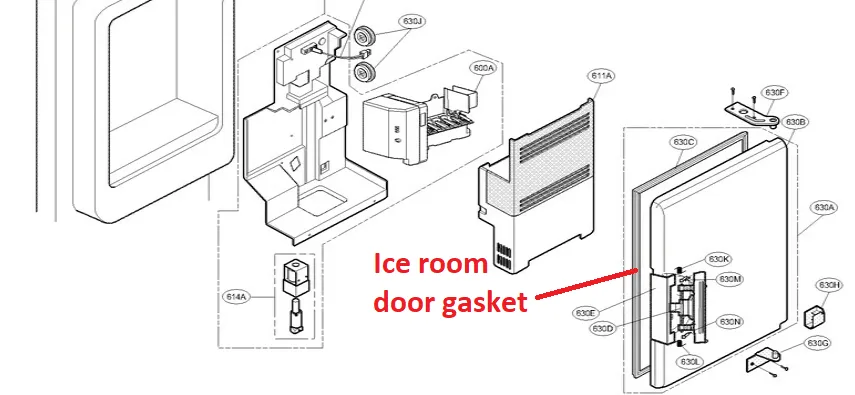
Sometimes, the problem lies within the ice maker itself. Components like the water inlet valve, ice mold thermostat, or motor can wear out or break over time.
Have you noticed unusual noises or incomplete ice trays? These signs might mean a part needs repair or replacement to get your ice maker back on track.
Credit: www.searshomeservices.com
Quick Diy Fixes To Speed Up Ice Production
Slow ice production can be frustrating, especially during hot days. Many common issues can be fixed at home without special tools. These quick DIY fixes can help your ice maker work faster and better.
Small adjustments and maintenance often solve slow ice making problems. These easy steps save time and money by avoiding service calls. Try these simple tips to get ice flowing smoothly again.
Replacing The Water Filter
A clogged water filter reduces water flow to the ice maker. Change the filter every six months or as the manufacturer suggests. A new filter improves water flow and ice quality.
Locate the filter inside the fridge or near the water line. Turn off water supply before removing the old filter. Install the new filter securely and run water for a few minutes to clear air.
Adjusting Water Pressure
Low water pressure slows ice production. Check the water line for kinks or damage. Ensure the water valve is fully open.
Use a pressure gauge to measure water pressure. The ideal range is 20 to 120 psi. Contact a plumber if pressure is too low or too high.
Setting The Right Freezer Temperature
Temperature affects ice maker speed. Keep the freezer between 0°F and 5°F (-18°C to -15°C) for best results.
Set the control panel or dial to the recommended temperature. Avoid placing warm items near the ice maker. This helps maintain a steady cold environment.
Resetting The Ice Maker
Sometimes the ice maker needs a reset to clear errors. Find the reset button or switch on the ice maker unit. Hold it for 10 seconds or follow the user manual instructions.
Unplug the fridge for a few minutes if there is no reset button. Plug it back in and wait for the ice maker to restart. This can fix minor glitches and speed up production.
When To Call A Professional
Knowing when to call a professional for a slow ice maker saves time and stress. Some problems need special tools and skills. Trying to fix them alone could cause more damage. A technician has experience and can find hidden issues fast.
Calling a professional ensures the problem is fixed right the first time. It also helps avoid costly repairs later. Certain signs clearly show it’s time to get expert help.
Persistent Mechanical Problems
When your ice maker keeps making noise or stops working often, it may have a mechanical problem. Parts like the motor or gears can wear out. These issues need careful inspection and repair. A professional can replace worn parts quickly and safely.
Electrical Issues
Ice makers rely on electrical parts to work correctly. Faulty wiring or broken sensors cause slow ice production. Electrical problems can be dangerous to fix without training. A technician knows how to handle wires and test circuits safely.
Complex Component Replacements
Some parts inside an ice maker are hard to reach or remove. Replacing these parts requires special tools and knowledge. Professionals have the right equipment to do this work. They ensure all components fit and work well after replacement.
Maintenance Tips To Keep Ice Makers Fast
Keeping your ice maker running fast is all about regular upkeep. Small maintenance habits can make a big difference in how quickly your ice maker produces ice. Neglecting these can slow down the process and leave you waiting longer for those chilly cubes.
Regular Cleaning
Ice makers collect minerals and debris over time, which can clog the system. Cleaning the ice maker every few months helps remove buildup and keeps water flowing smoothly. You don’t need fancy tools—just a soft cloth and a mild cleaning solution work well.
Have you noticed a strange taste or odor in your ice? That’s a clear sign your ice maker needs cleaning. A clean machine not only speeds up ice production but also improves the quality of your ice.
Timely Filter Changes
The water filter plays a crucial role in ice production speed. A clogged or old filter restricts water flow, slowing down ice formation. Changing filters as recommended by the manufacturer keeps water moving fast and ice cubes coming quickly.
Keep track of your filter’s lifespan. Setting a reminder can prevent delays caused by unnoticed filter issues. Your ice maker will thank you with faster, cleaner ice every time.
Monitoring Freezer Settings
Ice makers depend on the right freezer temperature to work efficiently. If your freezer is too warm, ice production slows or stops altogether. Check that your freezer is set between 0°F and 5°F (-18°C to -15°C) for optimal ice making.
Have you ever adjusted your freezer temperature without thinking about the ice maker? Small changes can have a big impact. Regularly monitoring and adjusting your freezer’s temperature ensures your ice maker stays quick and reliable.

Credit: www.searshomeservices.com
Frequently Asked Questions
Why Is My Ice Maker Producing Ice Slowly?
Slow ice production often results from low water pressure or a clogged filter. Ensure your water supply is steady and filters are clean for faster ice making.
Can A Dirty Filter Affect Ice Maker Speed?
Yes, a dirty filter restricts water flow, slowing ice production. Regularly replacing or cleaning the filter improves ice maker efficiency and speed.
Does Freezer Temperature Impact Ice Maker Speed?
Absolutely. If the freezer is too warm, ice forms slowly. Keep the freezer temperature between 0°F and 5°F for optimal ice production.
How Does Water Quality Influence Ice Maker Speed?
Poor water quality can cause mineral buildup, blocking water flow. Use filtered water and clean your ice maker to maintain fast ice production.
Conclusion
A slow ice maker can be frustrating to deal with. Check the water supply and temperature first. Keep the freezer at the right cold level. Clean the ice maker parts regularly to avoid clogs. Sometimes, worn-out parts need replacement. Small fixes can improve ice production a lot.
Patience helps while waiting for the ice to form. Taking these steps can bring your ice maker back to speed. Enjoy cool drinks without long waits again.