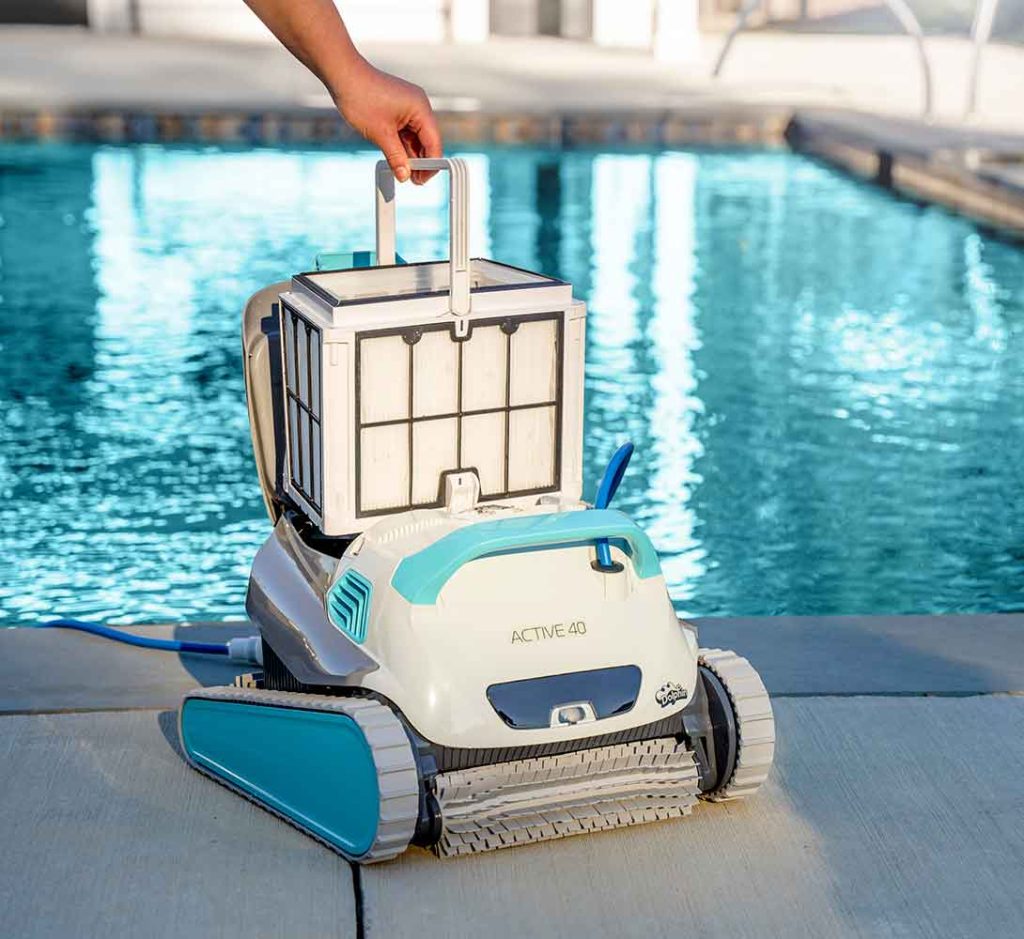
Your pool is your sanctuary, a place where you relax and unwind. But when your pool vacuum suddenly stops moving, it can throw a wrench into your peaceful oasis.
You’re left wondering why, and more importantly, how to fix it. You’re not alone in this struggle, and the solution is often simpler than you might think. Imagine crystal-clear water and a sparkling clean pool floor with minimal effort. Doesn’t that sound enticing?
Dive into this article to uncover the reasons behind your pool vacuum’s stubbornness and learn the quick fixes that will get it moving again. Your pool’s pristine condition is just a few steps away!
Common Causes Of Pool Vacuum Stalling
Pool vacuums can stop moving for several common reasons. Understanding these issues helps keep your pool clean and your vacuum working well. Many times, the problem lies in simple blockages or worn parts. Checking these areas can save time and prevent costly repairs.
Clogged Filter Or Skimmer Basket
A clogged filter or skimmer basket reduces water flow. This limits suction power, causing the vacuum to stall. Regularly cleaning these parts ensures strong water movement. Remove leaves, dirt, and debris to keep the system clear.
Blocked Vacuum Hose
Debris inside the vacuum hose can block water flow. This stops the vacuum from moving properly. Check the hose for clogs by detaching and flushing it with water. Straighten any kinks that may restrict suction.
Air Leaks In The System
Air leaks reduce suction and affect vacuum performance. Look for cracks or loose connections in hoses and fittings. Tighten or replace damaged parts to restore proper water pressure.
Worn Or Damaged Vacuum Parts
Old or broken parts like wheels, brushes, or belts can stop movement. Inspect these components for wear and tear. Replace any damaged parts to keep the vacuum running smoothly.

Credit: www.poolsuppliessuperstore.com
Quick Checks Before Troubleshooting
Before diving into complex fixes for your pool vacuum not moving, it’s smart to perform some quick checks. These simple inspections often reveal the root cause, saving you time and frustration. Have you ever found that a small overlooked detail was the real problem?
Inspecting The Pump And Filter
Your pool vacuum relies heavily on the pump and filter working correctly. Check if the pump is running smoothly without strange noises or vibrations. A clogged or dirty filter can reduce suction, preventing the vacuum from moving properly.
Remove the filter and rinse it thoroughly. If your pump basket is full of debris, clear it out. These small maintenance tasks can dramatically improve your vacuum’s performance.
Ensuring Proper Water Flow
Water flow is the lifeblood of your pool vacuum. If the flow is weak or inconsistent, the vacuum won’t move as it should. Look for any kinks or blockages in the hose that might be restricting water movement.
Sometimes, adjusting the hose length or repositioning the vacuum can restore proper flow. Do you know how long your vacuum hose has been in use? Old, stretched hoses often leak air, reducing suction power.
Verifying Power Supply
Electric-powered vacuums need a steady power supply to function correctly. Check if the vacuum is properly plugged in and that the outlet is working. Sometimes, a tripped breaker or a loose connection is the culprit.
If your vacuum uses batteries, test them or try fresh ones. Don’t overlook this simple step—it’s surprising how often power issues cause vacuum movement problems.
Fixing The Vacuum Hose Issues
Your pool vacuum relies heavily on the hose to create the suction needed for smooth movement. If your vacuum isn’t moving, the hose is often the first place to check. Addressing hose issues can quickly get your vacuum back on track without calling a professional.
Removing And Clearing Blockages
Blockages in the hose can choke off the suction, stopping your vacuum from moving. Disconnect the hose and carefully inspect it by running water through it or holding it up to the light. You might find leaves, dirt clumps, or even small toys stuck inside.
Use a long, flexible brush or a garden hose spray to push out any debris. Sometimes, gently shaking the hose or tapping it can loosen stubborn blockages. Have you ever been surprised by what’s hiding inside your pool vacuum hose?
Checking For Hose Leaks
Leaks in the hose reduce suction power, making your vacuum sluggish or immobile. Look for cracks, holes, or worn-out sections along the hose length. Even tiny holes can let air in, breaking the vacuum’s seal.
To test for leaks, submerge the hose underwater while it’s connected and watch for air bubbles escaping. If you spot leaks, patch small holes with waterproof tape or replace the damaged section entirely. Keeping your hose airtight is key to maintaining strong suction.
Reconnecting Hose Properly
Sometimes, the hose is fine, but it’s just not connected correctly. A loose or twisted connection can cause air to enter, breaking the vacuum’s suction. Ensure the hose fits tightly onto the vacuum head and the skimmer or pump intake.
Check that all clamps or connectors are secure and that the hose isn’t kinked or sharply bent. Have you checked your hose connections recently? A simple reconnection might be all you need to get your vacuum moving smoothly again.

Credit: www.youtube.com
Addressing Pump And Filter Problems
Pump and filter issues often cause pool vacuums to stop moving. These parts work together to create suction and move water. If either part has a problem, the vacuum may lose power or stop completely.
Checking the pump and filter regularly helps keep the vacuum running smoothly. Simple tasks like cleaning and adjusting settings can fix many common problems. Proper care prevents clogs and improves water flow.
Cleaning Or Replacing Filters
Dirty filters reduce water flow and weaken suction. Remove the filter and rinse it with a hose. For cartridge filters, soak them in filter cleaner to remove oils and debris. Replace filters if they look worn or damaged.
Clean filters keep water moving freely. This helps the vacuum move across the pool floor easily.
Adjusting Pump Settings
Check the pump’s speed and pressure settings. Too low pressure means weak suction. Increase the pump speed to boost power. Some pumps have multiple speed options; try the higher settings.
Make sure the pump is running long enough to circulate water well. Running it at the right speed improves vacuum movement.
Priming The Pump Correctly
Air trapped in the pump prevents proper suction. Turn off the pump and open the air relief valve. Let air escape until water flows steadily. Close the valve and restart the pump.
Priming the pump ensures strong suction. This helps the vacuum move and clean the pool efficiently.
Repairing Or Replacing Vacuum Components
Repairing or replacing vacuum components is often the key to getting your pool vacuum moving again. Over time, parts can wear out or break, which stops the vacuum from working properly. Taking the time to inspect and fix these components can save you money and extend the life of your equipment.
Inspecting Wheels And Brushes
Start by checking the wheels and brushes. Dirt, debris, or hair can get tangled and block movement. Make sure the wheels spin freely and the brushes aren’t worn down or missing bristles.
If the wheels feel stuck or the brushes look damaged, clean them carefully or consider replacing them. Sometimes, simply removing buildup can restore full motion.
Fixing Or Changing Drive Belts
The drive belt powers the vacuum’s movement. If it’s loose, cracked, or broken, the vacuum won’t move. Take off the vacuum cover to locate the belt and examine its condition.
A worn belt can often be tightened or repositioned, but if it’s damaged, replacing it is your best bet. Keeping a spare belt on hand can save time during maintenance.
Replacing Broken Parts
Broken parts like gears, axles, or motor components can also stop your vacuum from moving. Identify any cracked or missing pieces by looking closely at the vacuum’s mechanics.
Ordering replacement parts specific to your vacuum model is crucial. Installing new parts carefully often restores the vacuum’s original performance, making your cleaning routine hassle-free again.
Tips For Maintaining Your Pool Vacuum
Keeping your pool vacuum in top shape saves you time and frustration. Simple maintenance habits can prevent it from getting stuck or losing suction. Let’s look at practical tips that keep your vacuum moving smoothly and efficiently every time you use it.
Regular Cleaning Schedule
Cleaning your pool vacuum often is key. Dirt, leaves, and debris can clog the filter and wheels, making movement difficult. After every use, rinse the vacuum thoroughly and remove trapped debris from brushes and wheels.
Set a weekly check to deep clean the vacuum’s filter bag or cartridge. This stops buildup that slows down performance. Think about how a dirty vacuum cleaner at home struggles—your pool vacuum works the same way.
Proper Storage Techniques
Where and how you store your pool vacuum affects its lifespan. Avoid leaving it in direct sunlight or harsh weather, which can cause plastic parts to crack. Store it in a shaded, dry place to keep hoses and seals from drying out or getting brittle.
Make sure the vacuum is completely dry before storage to prevent mold and mildew. Hanging hoses off the ground helps avoid kinks or damage. Have you noticed how tangled hoses slow down your setup? A neat storage spot saves you hassle later.
Routine Equipment Inspections
Regularly inspect your vacuum for worn or broken parts. Check wheels, brushes, and hoses for signs of damage or wear. Small cracks or holes might let air in, reducing suction and stopping movement.
Test connections and seals before each use to catch leaks early. Replacing a cracked hose or a worn brush can make a huge difference in performance. What’s the last part you replaced on your vacuum? Keeping these details in check keeps your pool clean without extra effort.

Credit: www.doheny.com
Frequently Asked Questions
Why Is My Pool Vacuum Not Moving?
Your pool vacuum may not move due to clogged hoses, low water pressure, or a stuck wheel. Check for blockages and clean filters. Also, ensure the pump is running properly and the vacuum head is free to move.
How To Fix A Stuck Pool Vacuum Wheel?
To fix a stuck wheel, remove debris or hair wrapped around it. Lubricate the wheel axle if needed. Ensure the wheel spins freely to allow smooth movement across the pool floor.
Can Low Water Pressure Stop Pool Vacuum Movement?
Yes, low water pressure reduces suction and prevents the vacuum from moving. Check the pump and filter system. Clean or replace clogged filters and ensure the pump is operating at optimal pressure.
Does A Clogged Pool Vacuum Hose Affect Movement?
A clogged hose restricts water flow and suction, causing the vacuum to stop moving. Inspect and clear any debris inside the hose. Regular maintenance prevents blockages and ensures smooth vacuum operation.
Conclusion
A pool vacuum that won’t move can be frustrating. Check for blockages or tangled hoses first. Make sure the water flow is strong enough. Clean the filter regularly to keep suction steady. Small parts can wear out and need replacing.
Taking simple steps often fixes the problem quickly. Keep your pool clean and enjoy swimming more. Don’t ignore signs of trouble; early care helps. Regular checks save time and money in the long run. Your pool vacuum can work well again with a little attention.