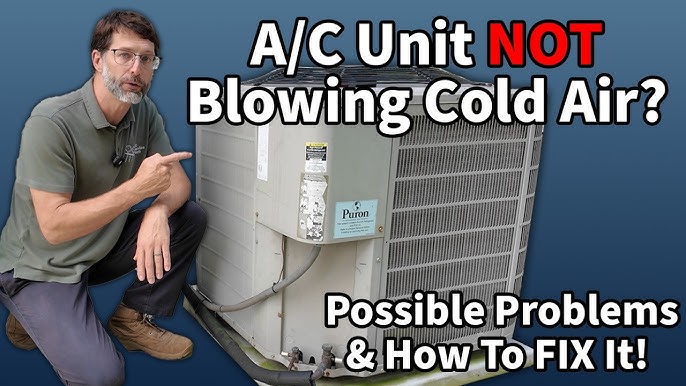
Feeling frustrated because your refrigerated air isn’t cooling? You’re not alone.
Many people experience this issue, especially during the hottest months. Imagine the disappointment of expecting a cool breeze, only to be met with a blast of warm air. It’s not just uncomfortable; it can be downright annoying. But before you panic or rush to call a technician, let’s explore why this might be happening.
Understanding the root of the problem is the first step toward finding a solution that brings back the refreshing coolness you crave. Stick with us, and you’ll discover some simple checks and fixes that could save you time and money. Ready to dive in and solve this cooling mystery? Let’s get started!
Common Cooling Issues
When your refrigerated air stops cooling, common issues often cause the problem. These issues can block airflow, reduce efficiency, or stop the system from working properly. Knowing these can help you spot the problem fast. Check these common causes to keep your air cool and fresh.
Dirty Air Filters
Air filters trap dust and dirt to keep air clean. Over time, filters clog with debris. This blocks airflow and makes cooling harder. Dirty filters force the system to work more. Replace filters regularly for smooth air flow and better cooling.
Blocked Vents
Blocked vents stop cool air from spreading around. Furniture, curtains, or dust can cover vents. This reduces air circulation and coolness in rooms. Clear any blockages near vents. Keep vents open to help air move freely and cool better.
Thermostat Problems
A faulty thermostat can cause wrong temperature readings. This stops the air conditioner from cooling correctly. Check if the thermostat is set to cool mode. Replace batteries or the device if it acts strange. A working thermostat keeps your air at the right temperature.
Low Refrigerant Levels
Refrigerant is the liquid that cools the air. Low levels mean less cooling power. Leaks or old systems often lose refrigerant. Signs include warm air or longer cooling times. A professional can check and refill refrigerant safely to restore cool air.

Credit: easycoolair.com.au
Mechanical Failures
Mechanical failures are often the hidden culprits behind a refrigerated air system that isn’t cooling properly. These issues can stop your unit from working efficiently, causing frustration and discomfort. Understanding the common mechanical problems can help you spot the cause and take action before the situation worsens.
Compressor Malfunctions
The compressor is the heart of your cooling system. If it fails, the refrigerant won’t circulate properly, and your air won’t get cold. Sometimes the compressor overheats, or its internal components wear out over time.
Have you noticed your system running loudly or not at all? These signs often point to compressor trouble. Fixing or replacing a compressor can be costly, but it’s essential for restoring your unit’s cooling power.
Fan Motor Issues
The fan motor moves air over the condenser coils to release heat. If this motor stops working, heat builds up and prevents your air from cooling down. Dust buildup or worn-out bearings can cause the fan to slow or stop entirely.
Listen for unusual noises or check if the fan blades are spinning when the unit runs. Repairing or replacing a faulty fan motor can quickly bring back the cool air you expect.
Faulty Condenser Coils
Condenser coils release heat from the refrigerant. When these coils become dirty or damaged, heat transfer is blocked, making your system less effective. You might feel warm air blowing even though the unit is running.
Cleaning the coils regularly can prevent this issue. If they’re bent or broken, professional repair is necessary to get your air conditioning back on track.
Electrical Problems
Electrical problems often cause your refrigerated air to stop cooling properly. These issues prevent the system from receiving the right power. Without power, the compressor and fans cannot work. This stops the cooling process and makes the air warm.
Checking electrical parts is important to find the cause. Some common electrical problems include tripped circuit breakers, wiring faults, and capacitor failures. Understanding these can help you spot the issue faster.
Tripped Circuit Breakers
Circuit breakers protect your electrical system from overload. When too much current flows, they trip to stop damage. A tripped breaker cuts power to your refrigerated air unit. This stops the compressor and fans from running.
Check your home’s breaker panel for any switched-off breakers. Resetting a tripped breaker may restore power. If it trips again, call a professional to inspect the system.
Wiring Faults
Wiring faults can cause power loss or shorts in your unit. Damaged or loose wires stop electricity flow. This prevents the refrigerated air from working correctly.
Look for signs like burned wires, frayed insulation, or loose connections. Wiring problems need a skilled technician to fix safely. Avoid touching wires yourself to prevent injury.
Capacitor Failures
Capacitors store energy to help start the compressor and fans. A failed capacitor cannot provide the needed boost. This makes the unit struggle to run or stop completely.
Signs of a bad capacitor include humming noises or no start at all. Capacitor replacement requires special tools and skills. Hiring a technician is the safest choice.

Credit: www.carrier.com
Maintenance Tips
Keeping your refrigerated air system in top shape means paying attention to maintenance. Neglect can cause your system to underperform or stop cooling altogether. Simple upkeep tasks can save you from costly repairs and keep your space comfortable.
Regular Filter Replacement
Your air filter traps dust, dirt, and other particles. Over time, it clogs and blocks airflow, making your refrigerated air less efficient. Check your filter every month and replace it at least every three months to maintain smooth airflow.
Think about how your breathing feels when you’re in a dusty room—your system struggles in the same way when filters are dirty. Don’t let a dirty filter be the reason your air stops cooling effectively.
Cleaning Coils And Vents
Coils and vents collect dust and debris, which reduce cooling efficiency. Dirty coils force your system to work harder, increasing energy use and wear. Clean them gently with a soft brush or vacuum at least twice a year.
Have you noticed warm spots in your room? It might be clogged vents blocking the cool air. Keeping vents clear ensures cool air reaches every corner.
Scheduling Professional Inspections
Even if you maintain your system well, professionals can spot hidden issues early. Annual inspections catch refrigerant leaks, electrical problems, and mechanical wear before they become serious. A technician’s eye can save you headaches and keep your system running smoothly.
When was the last time someone checked your system beyond the filter? Setting up a yearly visit can keep your refrigerated air working like new.
When To Call A Technician
Knowing when to call a technician can save time and prevent bigger problems. Some air conditioning issues need expert care. Trying to fix serious problems alone can cause more damage.
Recognizing the right moment to get professional help keeps your unit safe. It also ensures your home stays cool and comfortable.
Signs Of Serious Damage
- Unit makes loud or unusual noises.
- Airflow is weak or stops completely.
- Strong or bad smells come from the vents.
- System frequently turns on and off quickly.
- Water leaks or moisture build-up near the unit.
- Electric breakers trip when the AC runs.
These signs often mean internal parts are damaged or worn out. A technician can diagnose and fix these issues safely.
Cost Considerations
Repairs can vary in price depending on the problem’s severity. Sometimes small fixes cost less than full system replacement. Other times, replacing parts is more affordable long-term.
Getting a professional estimate helps plan your budget. It prevents unexpected expenses from surprise breakdowns.
Choosing The Right Service
- Look for licensed and insured technicians.
- Read reviews from past customers.
- Ask about experience with your AC brand and model.
- Request clear pricing and warranty details.
- Check if the company offers emergency services.
Picking a reliable service ensures quality work and peace of mind. Trust experts who communicate clearly and respect your home.
Credit: fischerheating.com
Frequently Asked Questions
Why Is My Refrigerated Air Not Blowing Cold?
Refrigerated air may not blow cold due to low refrigerant levels, dirty filters, or a faulty compressor. Check these components first for optimal cooling performance.
How Do I Fix A Refrigerated Air Not Cooling Issue?
Clean or replace air filters, check refrigerant levels, and inspect the compressor. If problems persist, call a professional technician for repair.
Can A Dirty Air Filter Cause No Cooling In Refrigerated Air?
Yes, a dirty air filter blocks airflow, reducing cooling efficiency. Regularly clean or replace filters to maintain proper cooling and air quality.
Is Low Refrigerant The Reason For No Cooling?
Low refrigerant prevents the system from absorbing heat effectively. Recharging refrigerant often resolves cooling issues but requires a certified technician.
Conclusion
A refrigerated air not cooling can be frustrating. Check the thermostat settings first. Clean or replace dirty filters. Ensure the condenser coils are free of dust. Listen for unusual noises from the unit. Low refrigerant levels often cause poor cooling.
Sometimes, a professional inspection is necessary. Regular maintenance keeps your system working well. Acting quickly saves you time and money. Stay cool by addressing problems early. Your comfort depends on a well-functioning air conditioner.