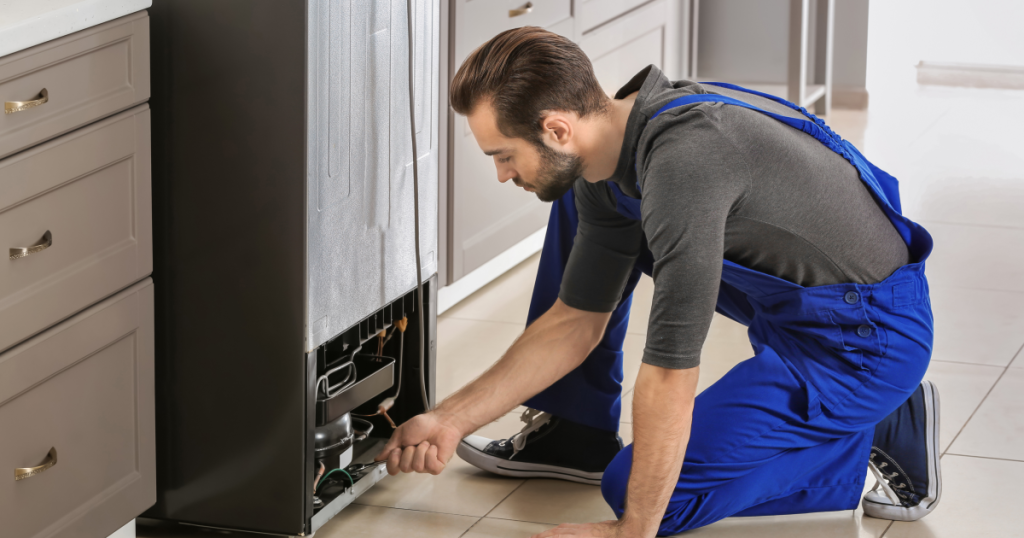
Is your refrigerator leaking water underneath, leaving puddles on your kitchen floor? You’re not alone, and it can be frustrating trying to figure out why this is happening.
A leaking fridge isn’t just annoying—it could signal a bigger problem that might cost you more if ignored. You’ll discover the most common reasons behind that mysterious water and simple steps you can take to fix it quickly. Keep reading to protect your appliance and your home from unexpected damage.

Credit: www.youtube.com
Common Causes Of Refrigerator Leaks
Water pooling under a refrigerator often comes from clogged or frozen defrost drains. Leaks may also result from damaged door seals or a broken water supply line. Checking these parts helps find and fix the leak quickly.
Understanding the common causes of refrigerator leaks can save you from a soggy mess on your kitchen floor. A leaking refrigerator might seem like a major issue, but often, it can be resolved with simple fixes. Let’s dive into the most frequent culprits behind those pesky puddles.Clogged Defrost Drain
A clogged defrost drain is a frequent offender when it comes to refrigerator leaks. Over time, debris and food particles can block the drain hose, causing water to back up and spill underneath. Cleaning the drain with warm water and a gentle brush can often solve the problem.Damaged Door Seals
Damaged door seals might seem trivial, but they can lead to significant leaks. If your door seals are cracked or worn, cool air escapes, causing condensation and water buildup. Regularly inspect and replace seals to maintain efficiency and prevent leaks.Blocked Drain Pan
The drain pan collects condensation and should be emptied and cleaned regularly. If it’s clogged, water will overflow and leak onto the floor. Check the pan’s position and cleanliness to ensure it functions properly.Improper Leveling
Is your refrigerator perfectly level? If not, water might accumulate unevenly and leak. Use a spirit level to adjust the refrigerator’s feet. Ensuring it’s level can prevent unnecessary leakage and improve performance.Frozen Or Cracked Water Line
A frozen or cracked water line can cause unexpected leaks. This issue is common in refrigerators with ice makers or water dispensers. Regularly inspect the water line for any signs of damage or freezing. Fixing or replacing it promptly can prevent water from pooling underneath. Are these leaks causing you more trouble than you anticipated? Identifying the root cause early can save you time and frustration. By addressing these common issues, you can keep your kitchen floor dry and your refrigerator running smoothly.Identifying The Leak Source
Water leaking under your refrigerator can cause damage and waste energy. Finding the exact source of the leak helps fix the problem fast. This section guides you through common areas where leaks start. Each part of your fridge needs checking to catch the issue early.
Checking The Drainage System
The drainage system removes water from the fridge. A clogged or frozen drain often causes leaks. Look for water pooling near the drain hole inside the fridge. Clear any blockages using warm water or a pipe cleaner. Ensure the drain pan under the fridge is clean and positioned correctly.
Inspecting Door Gaskets
Door gaskets seal the fridge to keep cold air inside. Damaged or dirty gaskets let warm air in, causing condensation and leaks. Check for cracks, tears, or dirt on the seals. Clean gaskets with mild soap and warm water. Replace them if they do not seal tightly.
Examining The Water Supply Line
Refrigerators with ice makers or water dispensers connect to a water line. A loose or damaged line can drip water underneath. Inspect the line for cracks or leaks. Tighten any loose connections. Replace the line if you see signs of wear or damage.
Looking For Ice Buildup
Ice buildup inside the fridge or freezer can melt and cause leaks. Check for frost or ice near vents and drains. Defrost the fridge if ice blocks airflow or drainage. Use the fridge’s defrost function or unplug it for a few hours.
Quick Fixes For Water Leaks
Water leaking underneath your refrigerator can be frustrating, but many common causes have straightforward solutions you can try yourself. These quick fixes often stop the leak without needing a costly repair call. Before you panic, take a moment to check these areas that often cause water buildup.
Clearing The Defrost Drain
Ice or debris can block the defrost drain, causing water to overflow inside your fridge and leak out underneath. To clear it, locate the drain hole at the back or bottom of your fridge’s freezer section. Use warm water or a pipe cleaner to gently remove any clogs.
Have you noticed water pooling right after the fridge goes through a defrost cycle? This is a key sign the drain might be blocked.
Replacing Door Seals
Damaged or worn door seals let warm air inside, causing excess condensation that turns into water. Inspect the rubber gasket around your fridge door for cracks or gaps. If the seal feels loose or brittle, replacing it can stop leaks and improve cooling efficiency.
Try closing the door on a dollar bill—if it slips out easily, your seal isn’t tight enough.
Cleaning The Drain Pan
The drain pan collects water from the defrost cycle, but if it’s dirty or cracked, water can spill onto your floor. Carefully slide out the pan from under the fridge and clean it with warm, soapy water. Check for any cracks and replace the pan if necessary.
Sometimes a quick clean can prevent a big mess, so don’t overlook this simple step.
Adjusting The Refrigerator Level
If your fridge isn’t level, water may not flow correctly to the drain, causing leaks. Use a carpenter’s level on top of the fridge to check. Adjust the leveling feet until the fridge sits evenly, allowing proper drainage.
Have you ever noticed water pooling only on one side? Uneven placement might be the culprit.
Repairing Or Replacing Water Lines
For fridges with ice makers or water dispensers, damaged or loose water lines can cause leaks underneath. Inspect visible hoses for cracks or loose connections. Tighten fittings or replace damaged lines to stop leaks quickly.
Does your fridge leak only when the ice maker runs? Focus on the water supply lines.

Credit: www.youtube.com
Preventing Future Leaks
Stopping water from leaking underneath your refrigerator isn’t just about fixing the issue once it happens. It’s about making changes that keep leaks from starting in the first place. You can protect your kitchen floor and avoid costly repairs by adopting some simple habits and checking your fridge regularly.
Regular Maintenance Tips
Keeping your refrigerator clean and well-maintained is key to preventing leaks. Check the drain hole and drip pan for clogs or damage every few months. If you notice any buildup, clean it with warm water and mild soap.
Also, inspect the door seals for cracks or gaps. Tight seals keep moisture inside where it belongs. Have you checked your seals lately? Worn-out seals let warm air in, causing excess condensation that can drip underneath.
Proper Food Storage Practices
How you store food inside your fridge can affect how much water collects and leaks. Avoid overfilling your fridge so air can circulate freely. This helps prevent frost buildup that melts and pools beneath the appliance.
Use airtight containers for leftovers and liquids. Spills inside the fridge can seep into cracks and cause leaks. Think about the last time you found a mystery puddle—was it due to a forgotten open container?
Monitoring Temperature Settings
Setting your fridge to the right temperature is more important than you might realize. If it’s too cold, ice can form and then melt, leading to water underneath. Too warm, and food spoils faster, creating moisture problems.
Keep your refrigerator between 37°F and 40°F (3°C to 4°C). Use a fridge thermometer to double-check the settings, especially during seasonal changes. Have you adjusted your temperature since winter started?
When To Call A Professional
Water leaking underneath a refrigerator can signal different problems. Sometimes, simple fixes work well. Other times, the issue needs expert help. Knowing when to call a professional can save time and prevent damage.
Complex Repairs
Some repairs require special tools and skills. Issues with the compressor, defrost system, or sealed components are complex. Attempting these fixes without experience may cause more harm. A professional technician can diagnose and repair safely.
Persistent Leak Issues
Leaks that continue after basic fixes need expert attention. Persistent water can damage floors and walls. Professionals find hidden problems like clogged drain lines or faulty seals. They ensure the leak stops completely.
Warranty And Service Support
Your refrigerator may still have a warranty. Calling a professional authorized by the manufacturer keeps the warranty valid. They provide proper service and use genuine parts. This protects your appliance and your investment.

Credit: www.reddit.com
Frequently Asked Questions
Why Is Water Leaking Under My Refrigerator?
Water leaks often occur due to a clogged or frozen defrost drain. This causes water to overflow inside and leak underneath. Regularly checking and unclogging the drain can prevent leaks and keep your fridge functioning properly.
How Do I Fix A Leaking Refrigerator Drain?
To fix a leaking drain, locate and clear any blockages in the defrost drain tube. Use warm water or a pipe cleaner to remove debris. This ensures proper drainage and stops water from pooling beneath the fridge.
Can A Damaged Door Seal Cause Leaks?
Yes, a faulty door seal can cause condensation and water leaks. If the seal is cracked or worn, warm air enters, causing excess moisture. Replace damaged seals to maintain temperature and prevent leaks.
Is The Water Filter Causing The Leak?
A loose or defective water filter can cause leaks under your fridge. Ensure the filter is correctly installed and replace it regularly. This helps prevent water spillage and maintains clean water supply.
Conclusion
A leaking refrigerator can cause many problems at home. Small leaks often come from blocked drains or frozen pipes. Cleaning these parts can stop the water. Sometimes, worn door seals let moisture build up inside. Checking and replacing them helps too.
Regular fridge care keeps it working well and dry. Don’t ignore water under your fridge; fix it soon. A little effort saves bigger repairs later. Keep your kitchen clean and safe by acting on leaks fast. Your fridge will thank you with better performance.