Have you ever opened your refrigerator only to find water droplets forming inside? It can be confusing and worrying.
You might wonder if something is wrong with your fridge or if your food is at risk. Understanding why your refrigerator is sweating inside is important to keep your food fresh and your appliance working well. You’ll discover the simple reasons behind this common problem and learn easy ways to fix it.
Keep reading, and you’ll never have to stress about a wet fridge again.
Common Causes Of Refrigerator Sweating
Understanding why your refrigerator is sweating inside helps you fix the problem before it causes damage or food spoilage. Sweating inside a fridge is usually a sign that moisture is accumulating where it shouldn’t. Let’s look at the common reasons this happens and what you can do about each one.
High Humidity Levels
If the air around your fridge is very humid, moisture can easily condense inside. This happens because warm, moist air meets the cold surfaces inside your fridge, turning into water droplets.
Think about a hot, rainy day when you open your fridge—do you notice more sweating? That’s exactly why controlling the room’s humidity or using a dehumidifier can help reduce the problem.
Frequent Door Opening
Opening your fridge door often lets warm air rush in. This warm air brings moisture that condenses on cold fridge walls and shelves.
Have you caught yourself grabbing snacks multiple times in a short period? Try to plan your fridge visits to minimize door openings and keep the inside dry.
Faulty Door Seals
Your fridge’s door seals are crucial for keeping cold air in and warm air out. If these seals are damaged or dirty, warm air can sneak inside, causing condensation.
Check your seals regularly by closing the door on a piece of paper—if it slips out easily, the seals might need cleaning or replacement to stop the sweating.
Blocked Air Vents
Air vents inside the fridge ensure proper cold air circulation. When these vents are blocked by food items, cold air can’t flow evenly, creating cold spots where moisture collects.
Make sure you don’t overcrowd the shelves or place large items directly in front of vents. This simple step improves airflow and reduces sweating.
Temperature Settings Issues
Setting your fridge temperature too low or too high can cause sweating. If it’s too cold, moisture freezes and then melts as water droplets. If it’s too warm, condensation forms more easily.
Do you know the ideal fridge temperature is around 37°F (3°C)? Adjust your settings accordingly and monitor the results to stop the sweating inside your refrigerator.

Credit: www.searspartsdirect.com
Effects Of Excess Moisture
Excess moisture inside your refrigerator doesn’t just make it uncomfortable to open the door; it can lead to several unwanted issues that affect your food, appliance, and even your electricity bill. Understanding these effects can help you take quick action before small problems turn into costly repairs or wasted groceries.
Food Spoilage Risks
When moisture builds up inside your fridge, it creates a damp environment that encourages mold and bacteria growth. This speeds up the spoilage of fruits, vegetables, and leftovers, making your food unsafe to eat sooner than expected.
Have you ever found your lettuce turning slimy or your bread molding overnight? That’s often a sign that excess moisture is at play, ruining your groceries and your budget.
Ice Buildup Problems
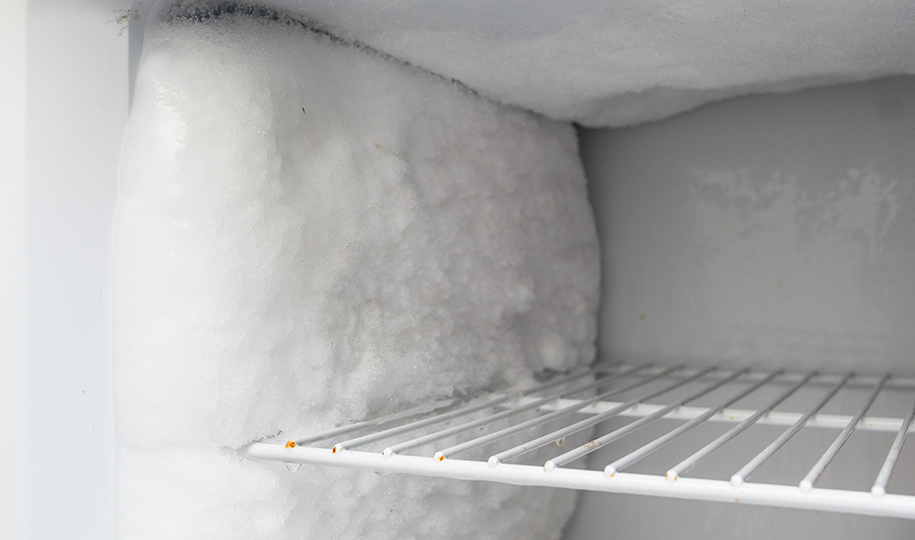
Excess humidity can cause frost or ice to form in unwanted places, like on the walls or shelves of your freezer compartment. This ice buildup can block vents and reduce airflow, making your fridge work harder to keep everything cold.
Unchecked, the ice can damage delicate components or cause doors to seal improperly, allowing even more moisture inside. Have you noticed thick frost layers that make it hard to close your freezer door fully?
Energy Efficiency Impact
A refrigerator struggling with excess moisture or ice buildup uses more energy to maintain the right temperature. This means higher electricity bills and more wear on your appliance.
Think about the last time your fridge seemed to run constantly—it might have been battling hidden moisture issues. Keeping your fridge dry not only protects your food but also saves you money on energy costs.
Quick Fixes To Reduce Sweating
Sweating inside a refrigerator can cause water buildup and spoil food. Fixing this issue fast helps keep your fridge dry and efficient. Some simple changes can stop moisture from forming inside your fridge.
These quick fixes address common causes of fridge sweating. They improve air flow, temperature, and door sealing to reduce humidity inside. Try these tips to keep your refrigerator running smoothly.
Adjusting Temperature Controls
Set your fridge temperature between 37°F and 40°F. Cooler temperatures reduce moisture inside the fridge. Avoid setting the temperature too low. It can cause frost buildup and make sweating worse. Check the thermostat regularly to keep it steady.
Improving Door Seal Condition
Check the door seals for cracks or dirt. Dirty seals let warm air inside, causing sweating. Clean seals with warm soapy water and dry them well. Replace seals if they are cracked or damaged. Good seals keep cold air in and moisture out.
Limiting Door Opening Frequency
Open the fridge door less often. Every time the door opens, warm air enters and causes moisture. Plan what you need before opening the door. Close the door quickly and fully to keep cold air inside. This reduces humidity and prevents sweating.
Clearing Air Vents
Keep air vents inside the fridge clear. Blocked vents stop cold air from circulating properly. Remove food items that block vents. Good air flow helps maintain even temperature and cuts down moisture. Check vents regularly for blockages.

Credit: www.reddit.com
Preventive Measures For Long-term Care
Preventive measures help keep your refrigerator dry and working well. Proper care stops sweating inside the fridge. It protects food and saves energy. Follow simple steps for long-term maintenance. These steps reduce moisture and keep your fridge fresh.
Regular Maintenance Tips
- Clean door seals to keep them tight and leak-free.
- Check and clear the drain hole to avoid water buildup.
- Defrost your fridge regularly to prevent ice buildup.
- Keep the fridge at the right temperature, around 37-40°F (3-4°C).
- Wipe moisture inside the fridge immediately to avoid mold.
Proper Food Storage Practices
- Cover food tightly to stop moisture release.
- Use airtight containers to keep food dry and fresh.
- Avoid placing hot food inside; let it cool first.
- Do not overfill the fridge; air must circulate freely.
- Store similar moisture foods together to balance humidity levels.
Controlling Kitchen Humidity
- Use a kitchen exhaust fan or open windows to reduce humidity.
- Avoid drying clothes or wet items near the fridge.
- Keep kitchen doors closed to limit moist air entry.
- Use a dehumidifier if the kitchen is very damp.
- Regularly clean behind and under the fridge to prevent dust buildup.
When To Call A Professional
Knowing when to call a professional can save you time, money, and frustration. Some refrigerator issues might seem minor but can quickly turn into bigger problems if ignored. Understanding the signs that require expert help is essential for keeping your fridge running smoothly.
Persistent Moisture Issues
If you notice water droplets forming inside your refrigerator regularly, even after wiping it down, it’s a red flag. This persistent moisture could mean the door seals are damaged or the fridge isn’t cooling properly. When simple fixes like cleaning the seals don’t work, it’s time to get a technician involved to prevent mold growth and food spoilage.
Defrost System Malfunctions
The defrost system prevents ice build-up inside your fridge. If you spot excessive frost or ice layers inside, or if the fridge keeps running without cycling off, the defrost heater or timer might be faulty. These components require specific knowledge and tools for repair, so calling a professional ensures the problem is fixed correctly.
Compressor And Cooling Problems
Your refrigerator’s compressor is its heart. Strange noises, warm interior temperatures, or the fridge running constantly can signal compressor or cooling system failures. Since these parts are complex and costly, a professional’s diagnosis is crucial before attempting any repairs yourself.
Credit: homewarranty.firstam.com
Frequently Asked Questions
Why Is There Water Inside My Refrigerator?
Water inside your refrigerator forms due to condensation. Warm air meets cold surfaces, causing moisture to collect. This usually happens when the door is opened frequently or left open too long.
Can A Faulty Door Seal Cause Refrigerator Sweating?
Yes, a damaged door seal lets warm air inside. This air condenses on cold surfaces, causing sweating. Inspect and replace the seal if it’s cracked or loose.
How Does High Humidity Affect My Refrigerator?
High humidity increases moisture inside the fridge. This excess moisture condenses on cold surfaces, causing sweating. Using a dehumidifier or keeping the door closed helps reduce this issue.
Does Overstocking The Refrigerator Cause Sweating?
Overstocking blocks air circulation inside the fridge. Poor airflow leads to uneven cooling and condensation. Arrange items properly to allow air to circulate freely.
Conclusion
Fixing a sweaty refrigerator inside can seem tricky. Start by checking the door seals. Ensure they close tightly. Examine the temperature settings. Adjust them to the right level. Regularly clean the interior and exterior. This helps prevent moisture build-up. Check for blocked vents.
Clear them to maintain airflow. Keep your refrigerator well-organized. Avoid overloading with food. This allows air to circulate freely. Regular maintenance is essential. It keeps your fridge efficient and dry. Address issues early to prevent bigger problems. A little effort can lead to a sweat-free fridge.
Enjoy a fresh, cool refrigerator always.