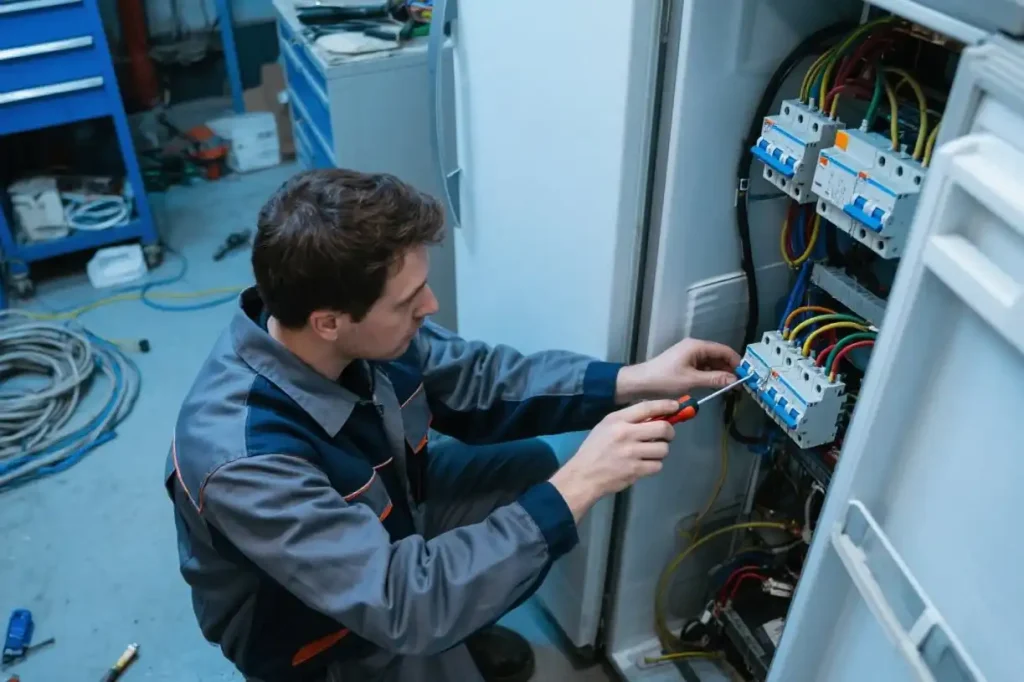
You’re here because your refrigerator is acting up, right? It’s supposed to keep your food fresh, not cause your electrical system to panic.
If your refrigerator is tripping the breaker, it can be frustrating and even a bit alarming. You might be worried about the safety of your home, or perhaps you’re simply annoyed with the constant disruptions. Either way, you’re not alone, and there are solutions to this common problem.
We’ll dive into the possible reasons behind this issue and guide you through simple steps to fix it. By understanding why this happens, you can protect your appliance, save money, and, most importantly, regain peace of mind in your kitchen. Stick around; you’ll want to know how to prevent this from happening again.
Common Reasons For Breaker Trips
Breaker trips can be frustrating, especially when your refrigerator suddenly stops working. Understanding the common reasons behind these trips can help you troubleshoot effectively and avoid repeated interruptions. Let’s look at some typical causes that might be behind your breaker tripping whenever your fridge kicks in.
Overloaded Circuit
One frequent cause is an overloaded circuit. Your refrigerator might be sharing a circuit with other high-power appliances like microwaves or toasters. When too many devices draw power simultaneously, the breaker trips to prevent overheating.
Have you checked what else is plugged into the same outlet or circuit? Unplugging some devices or moving your fridge to a dedicated circuit can often solve this problem.
Faulty Wiring
Wiring issues inside your home can also cause breaker trips. Loose connections or damaged wires increase resistance and can create heat, which trips the breaker as a safety measure.
It’s worth inspecting the wiring near the refrigerator’s plug and circuit breaker panel. If you notice frayed wires or scorch marks, it’s time to call an electrician before the problem worsens.
Short Circuits
A short circuit happens when a hot wire touches a neutral or ground wire, causing a surge of electricity. This sudden spike forces the breaker to trip immediately to protect your home.
Short circuits can occur inside your fridge’s wiring, especially if there’s moisture or damage. Pay attention if the breaker trips right when the fridge starts running—this could indicate an internal short.
Ground Faults
Ground faults occur when electrical current escapes the intended path and flows to the ground. This can happen if your refrigerator’s insulation wears down or water seeps into wiring.
Ground faults are dangerous because they increase the risk of electric shock. If your breaker trips and you notice dampness around the fridge, don’t ignore it—this could be a sign of a ground fault needing immediate attention.

Credit: www.reddit.com
Refrigerator Component Issues
Refrigerator component issues can often be the hidden culprits behind your breaker tripping unexpectedly. These internal parts work together to keep your fridge running smoothly, but when one fails, it can cause electrical problems that disrupt your entire kitchen. Understanding these components helps you spot problems early and avoid costly repairs or inconvenient outages.
Compressor Problems
The compressor is the heart of your refrigerator’s cooling system. If it starts to fail, it may draw excessive electricity, causing the breaker to trip. Have you noticed your fridge making louder noises or running non-stop? These signs often point to compressor stress, which can overload your circuit.
Sometimes, a failing compressor motor can short-circuit internally. This electrical fault can instantly trip your breaker to prevent further damage or fire risk. Checking compressor health is critical if your breaker trips right when the fridge kicks on.
Defrost Heater Malfunctions
The defrost heater melts frost buildup inside the freezer. When it malfunctions, it can cause electrical shorts or draw more current than usual. This extra load can trip the breaker, especially in older refrigerators with worn components.
If your fridge cycles frequently or you see ice buildup despite the defrost system running, this might be the issue. Have you tried unplugging the fridge and inspecting the heater wiring? Damaged insulation or moisture intrusion can cause a short that trips your breaker.
Faulty Start Relay
The start relay helps the compressor kick into action. A faulty relay can cause the compressor to draw too much current during startup, leading to breaker trips. If your fridge attempts to start but fails repeatedly, the relay might be the problem.
Replacing the relay is often a quick fix that stops breaker issues and restores normal function. Have you noticed clicking sounds or the compressor failing to run? These are strong clues your start relay needs attention.
Damaged Wiring Inside Fridge
Wiring inside the refrigerator can become damaged from age, vibration, or pests. Exposed or frayed wires can short out and cause your breaker to trip. This issue is tricky because the damage might be hidden behind panels or insulation.
Inspecting wiring carefully or hiring a professional can uncover these hidden faults. Ask yourself if the breaker trips only when you move the fridge or open certain compartments. Such patterns often point to wiring problems that need fixing before they cause bigger hazards.
Electrical System Troubles
Electrical system issues are often the hidden cause behind why your refrigerator trips the breaker. These problems can be subtle but have a big impact on your home’s safety and appliance performance. Understanding the electrical aspects can help you spot problems early and avoid costly repairs or hazards.
Breaker Capacity Mismatch
Each breaker is designed to handle a certain amount of current. If your refrigerator requires more power than the breaker can supply, it will trip to prevent overheating. This mismatch often happens when the breaker is too small or when multiple high-power devices share the same circuit.
Have you ever checked if your refrigerator’s power needs match your breaker’s rating? A simple label on the appliance or breaker panel can tell you if they align. Upgrading the breaker or moving the fridge to a dedicated line might be necessary to stop frequent trips.
Loose Connections
Loose wiring in your electrical panel or outlet can cause intermittent power surges or drops. These fluctuations make the breaker trip as a safety response. It’s surprising how often a loose connection, rather than a faulty appliance, causes the problem.
If you notice flickering lights or a burning smell near the outlet, it’s time to inspect the wiring. Tightening connections or replacing damaged wires can stabilize the power flow and keep your fridge running smoothly. Have you ever thought about how a small loose wire could disrupt your entire kitchen?
Aging Electrical Panel
Older electrical panels may not handle modern appliances well. Over time, wear and tear reduce their efficiency and safety. An aging panel might not supply consistent power, causing breakers to trip unexpectedly.
Imagine relying on an outdated system to power a high-tech refrigerator—chances are it won’t keep up. If your home’s panel is decades old, consider having an electrician evaluate it. Upgrading can prevent frequent breaker trips and improve overall electrical safety.

Credit: www.reddit.com
Diagnosing The Problem
Figuring out why a refrigerator trips the breaker needs careful checking. This process helps find the exact cause and ensures safety. Simple tools and careful observation often spot the issue early. Some tests require skill and special equipment.
Using A Multimeter
A multimeter measures electrical values like voltage and resistance. It helps check if parts inside the fridge cause short circuits. Test the compressor, start relay, and wiring for faults. Set the multimeter to the correct setting before testing. Unplug the fridge to avoid shock. Follow safety steps strictly.
Visual Inspection Tips
Look closely at the fridge’s power cord and plug. Check for cracks, burns, or frayed wires. Examine the outlet and breaker panel for damage or loose connections. Inside the fridge, find signs of water leaks or burnt components. Clean dust from coils and fans. Note any unusual smells or sounds.
Professional Testing
Electricians use advanced tools to test refrigerators. They perform insulation resistance tests and check circuit continuity. Professionals can detect hidden electrical faults safely. They also inspect the breaker panel and home wiring. Hiring a pro ensures correct diagnosis and repair. This step avoids risks and repeated breaker trips.
Diy Fixes For Breaker Trips
Dealing with a refrigerator that keeps tripping the breaker can be frustrating, but there are several DIY fixes you can try before calling a professional. These simple steps often resolve common electrical issues and get your fridge running smoothly again.
Resetting The Breaker
Start by locating your home’s electrical panel and identifying the breaker connected to your refrigerator. Flip the breaker fully to the “off” position and then back “on” to reset it. This quick action can clear minor electrical faults and restore power.
If the breaker trips again immediately, it’s a sign of a deeper issue. But if it stays on, monitor your fridge for a few hours to see if the problem recurs.
Reducing Circuit Load
Sometimes the breaker trips because the circuit is overloaded with too many devices. Check what else is running on the same circuit as your refrigerator. You might find other appliances like toasters, microwaves, or even multiple lights adding extra load.
Unplug or move some devices to a different outlet on another circuit. This simple step often prevents the breaker from tripping and helps your fridge run more reliably.
Replacing Faulty Components
Faulty parts inside your refrigerator can cause electrical shorts that trip the breaker. Common culprits include the start relay, compressor, or wiring harness. If you notice unusual noises or your fridge struggles to cool, one of these parts might be failing.
Testing these components requires a multimeter and some basic electrical knowledge. If you’re comfortable, start with the start relay—it’s inexpensive and often the cause. Otherwise, consider asking a knowledgeable friend or calling a technician to avoid safety risks.
When To Call A Professional
Knowing when to call a professional for a refrigerator tripping the breaker is important. Some problems need expert help to keep your home safe and your appliance working well. Do not ignore signs that the issue is beyond simple fixes.
Complex Electrical Issues
Refrigerators have many electrical parts. Problems like wiring faults or a faulty compressor require special tools and knowledge. A professional can diagnose and fix these complex issues safely. Trying to fix them without experience may cause more damage.
Safety Concerns
Electric problems can be dangerous. They may cause shocks, fires, or damage to your home’s electrical system. A licensed electrician knows how to handle these risks properly. Protect yourself and your family by calling an expert when safety is a concern.
Warranty Considerations
Many refrigerators come with warranties that cover repairs. Attempting repairs yourself might void this warranty. Professionals follow manufacturer guidelines and keep your warranty valid. Always check your warranty terms before making any repairs.
Preventing Future Breaker Trips
Preventing your refrigerator from tripping the breaker is essential to avoid inconvenient power outages and potential damage. Understanding the root causes is just the first step; taking proactive measures can help keep your kitchen running smoothly. Let’s look at practical ways you can stop those unexpected breaker trips before they happen.
Regular Maintenance
Keeping your refrigerator in good shape reduces the chances of electrical problems. Clean the condenser coils every few months to prevent overheating. Check the door seals to ensure they are tight; a poor seal forces the fridge to work harder, drawing extra current.
Have you ever noticed your fridge running louder or longer than usual? That might be a sign it needs a tune-up. Regularly inspect the power cord for damage and make sure the vents are clear of dust and debris.
Proper Circuit Usage
Is your refrigerator sharing a circuit with high-power appliances? That can cause the breaker to trip frequently. Ideally, your fridge should be on a dedicated circuit to handle its energy needs without overload.
Think about what else is plugged into the same outlet or circuit. Avoid using extension cords or power strips with your refrigerator, as these can increase resistance and risk tripping the breaker.
Upgrading Electrical Systems
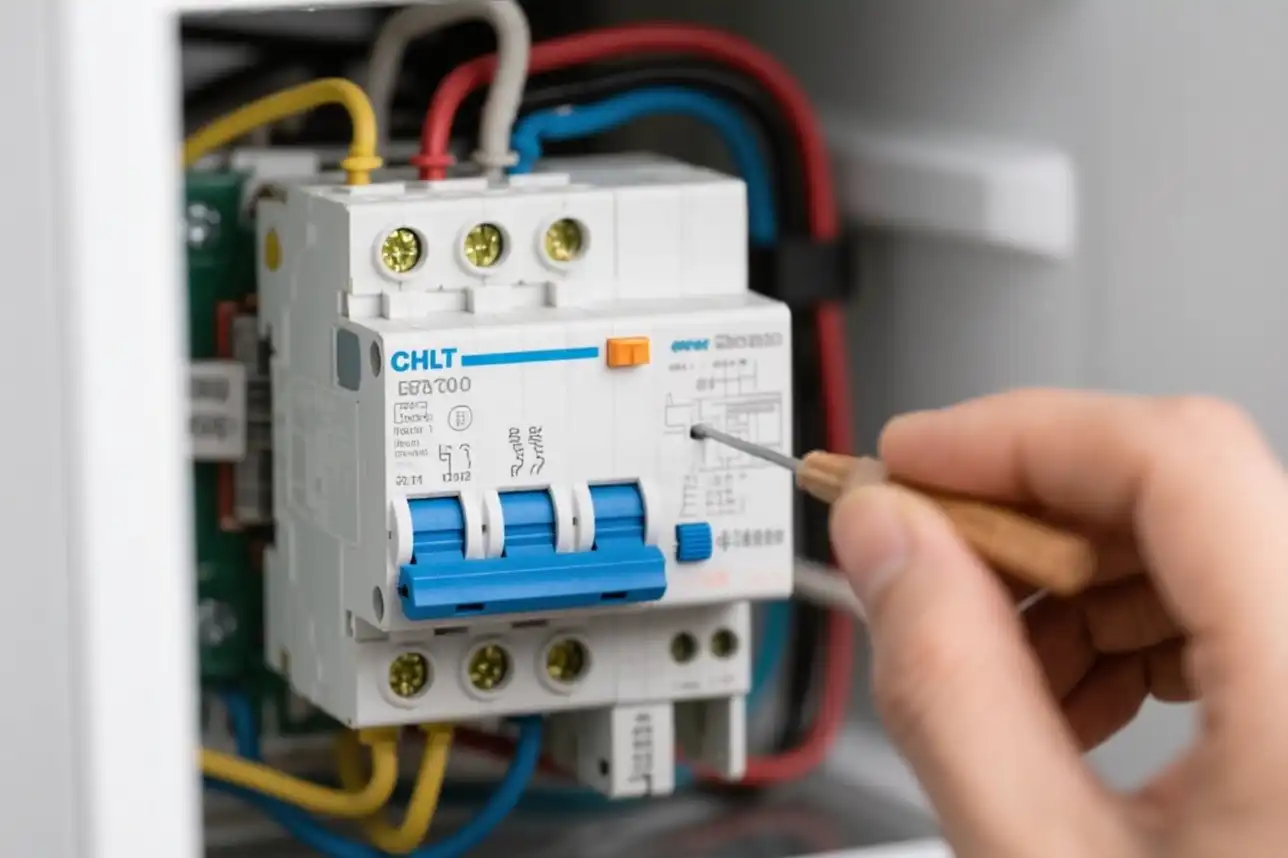
Older homes might have electrical wiring that can’t keep up with modern appliances. If your breaker trips repeatedly, it could be time to upgrade your electrical panel or circuit breakers to handle higher loads safely.
Consult an electrician to assess your system’s capacity. Sometimes, installing a dedicated circuit or replacing an outdated breaker can stop those frustrating power interruptions.
Credit: www.onesto-ep.com
Frequently Asked Questions
Why Does My Refrigerator Keep Tripping The Breaker?
Your refrigerator trips the breaker due to electrical overload, short circuits, or faulty components. It may draw excess current or have wiring issues that cause the breaker to trip as a safety measure.
Can A Faulty Compressor Cause Breaker Trips?
Yes, a faulty compressor can cause breaker trips. It may overheat or short internally, drawing too much power, which triggers the breaker to prevent damage or electrical hazards.
How Can I Fix A Refrigerator That Trips The Breaker?
First, unplug the fridge and inspect for damaged wires or components. Clean coils and check the compressor. If unsure, call a professional electrician or appliance repair technician for safe diagnosis and repair.
Does Using Multiple Appliances On One Circuit Cause Trips?
Yes, overloading a circuit with multiple appliances can cause breaker trips. Refrigerators need dedicated circuits to prevent overload and ensure stable power supply, reducing the risk of tripping.
Conclusion
A refrigerator that trips the breaker often signals an electrical issue. Check the power cord and outlet for damage. Overloaded circuits can also cause the breaker to trip. Sometimes, the fridge’s compressor or motor may draw too much power. Regular maintenance helps prevent these problems.
Address small issues early to avoid bigger repairs later. Stay safe by consulting a professional if unsure. Keep your fridge running smoothly and your home safe. Simple steps make a big difference.