Have you ever opened your refrigerator only to find water pooling inside? It’s frustrating and can make you worry about your food spoiling.
You might wonder, “Why is my refrigerator wet inside? ” Understanding the reasons behind this common problem can save you time, money, and stress. You’ll discover simple explanations and easy fixes to keep your fridge dry and your food fresh.
Keep reading—you’ll be surprised how small changes can make a big difference.
Common Causes Of Moisture Inside Refrigerators
Moisture inside a refrigerator is a common problem that can cause food spoilage and unpleasant odors. Understanding the causes helps fix the issue quickly. Moisture often builds up due to changes in temperature, faulty seals, or blockages. Identifying the exact reason makes it easier to keep the fridge dry and clean.
Temperature Fluctuations
When the fridge temperature changes often, moisture forms inside. Warm air enters and cools down, turning into water droplets. This happens if the thermostat is not set right. Also, power outages or frequent cooling cycles cause temperature swings. Stable temperature keeps moisture low and food fresh.
Door Seal Issues
A broken or loose door seal lets warm air in. This air cools inside and creates moisture. Check for cracks, dirt, or gaps in the seal. Even small leaks cause dampness over time. A tight door seal blocks humidity and keeps the fridge dry.
Blocked Drainage System
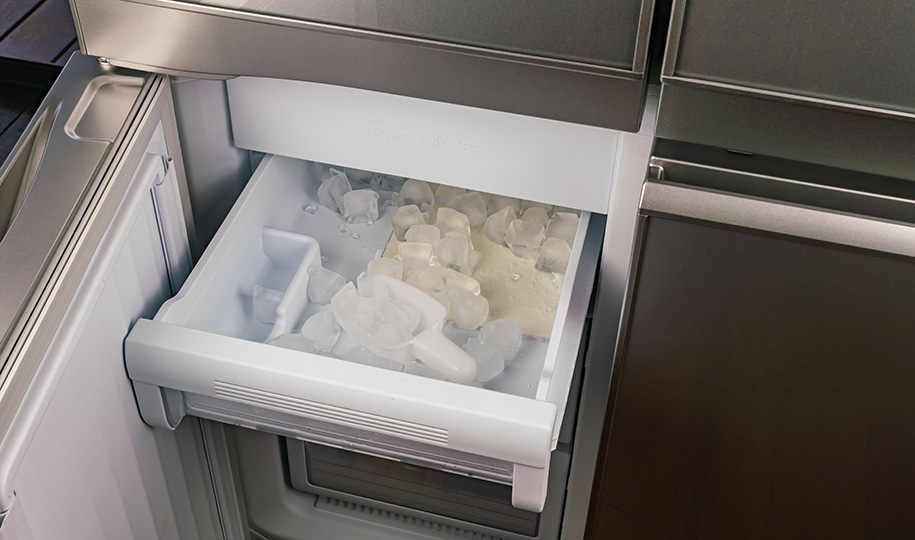
Fridges have a drain to remove excess water. If this drain gets blocked, water collects inside. Food particles or ice can clog the drain hole. Water then pools at the fridge bottom or walls. Cleaning the drain prevents water buildup and mold growth.
Frequent Door Opening
Opening the fridge door often brings warm, humid air inside. This air cools and forms moisture on shelves and walls. Long or repeated openings increase wetness. Limiting door use helps reduce moisture and saves energy.
High Humidity Levels
High humidity in the kitchen or home causes moisture inside the fridge. Humid air enters each time the door opens. This adds to the water droplets inside. Using a dehumidifier or improving ventilation lowers indoor humidity. This keeps the fridge dry and working well.
Credit: homewarranty.firstam.com
How Moisture Affects Refrigerator Performance
Moisture inside your refrigerator isn’t just an annoyance—it directly impacts how well your fridge works. Excess water can lead to several problems that reduce efficiency and even spoil your food. Understanding these effects can help you spot issues early and keep your fridge running smoothly.
Food Spoilage Risks
Too much moisture creates a damp environment where bacteria and mold thrive. This speeds up food spoilage, especially for fresh produce and leftovers. Have you noticed your veggies wilting faster or milk souring sooner? That’s often a sign of excess humidity inside your fridge.
Keeping moisture in check helps your food last longer and stay safe to eat. Simple steps like using airtight containers or wiping down wet shelves can make a big difference.
Increased Energy Consumption
When moisture builds up, your refrigerator’s compressor works harder to maintain the right temperature. This extra effort means your energy bills can creep higher without you realizing why. Imagine your fridge running almost constantly, trying to fight off humidity—this is both wasteful and costly.
Regularly checking and fixing leaks or door seals can prevent moisture buildup and save you money on electricity. It’s surprising how much a small fix can impact your energy use.
Frost Buildup Problems
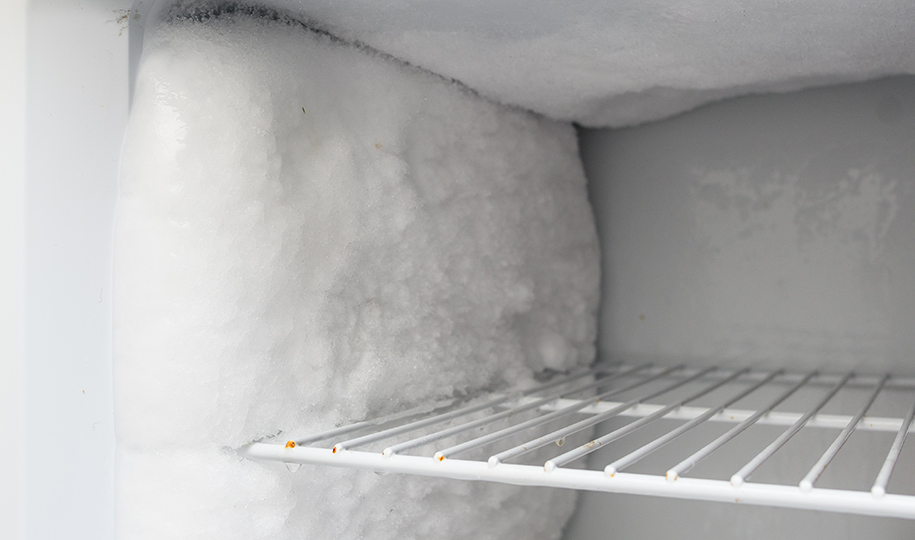
Excess moisture often turns into frost inside your freezer or fridge walls. This frost layer acts like an insulator, making cooling less effective. Have you ever scraped off thick ice and wondered why it keeps coming back? That persistent frost is a sign of moisture issues.
Frost buildup not only reduces storage space but also forces your fridge to use more power. Defrosting regularly and ensuring doors close tightly can help control this problem and keep your fridge efficient.
Quick Fixes For A Wet Refrigerator Interior
Dealing with a wet refrigerator interior can be frustrating. Moisture build-up inside your fridge may lead to food spoilage and unpleasant odors. Thankfully, there are easy solutions to tackle this issue. Let’s explore some quick fixes to keep your refrigerator dry and efficient.
Check And Replace Door Seals
Examine your refrigerator’s door seals for cracks or gaps. Damaged seals let warm air in, causing condensation. Replace any faulty seals to ensure a tight closure. This keeps moisture out and maintains a consistent temperature inside.
Clear The Drain Hole
A blocked drain hole causes water to accumulate inside. Locate the drain hole at the back of your fridge. Use a pipe cleaner or a straw to clear any blockages. Regular cleaning prevents water build-up and keeps your fridge dry.
Adjust Temperature Settings
Incorrect temperature settings lead to moisture issues. Set your refrigerator temperature between 37°F and 40°F. This range prevents condensation and keeps food fresh longer. Check settings regularly to avoid temperature fluctuations.
Limit Door Opening Frequency
Frequent door openings introduce warm air, leading to condensation. Try to open the fridge door only when necessary. Plan what you need before opening to minimize air exchange. This helps in maintaining a dry interior.
Use Moisture Absorbers
Place moisture absorbers like baking soda or silica gel inside. These products help in absorbing excess moisture. Replace them regularly to maintain their effectiveness. This simple step helps in reducing humidity inside your fridge.
Credit: www.tataneu.com
Preventive Measures To Keep Your Fridge Dry
Keeping your refrigerator dry prevents mold and bad smells. Moisture inside causes food to spoil faster. Follow simple steps to control wetness. These tips help your fridge stay clean and fresh.
Regular Cleaning Routine
Clean your fridge every few weeks. Remove spills and crumbs quickly. Wipe shelves and walls with mild soap and water. Avoid leaving old food inside. A clean fridge stops moisture build-up and keeps air flowing well.
Proper Food Storage Tips
Store food in sealed containers or wraps. Avoid placing hot food directly in the fridge. Let food cool to room temperature first. Keep fruits and vegetables in designated drawers. Proper storage limits water vapor and prevents dampness.
Maintain Optimal Humidity
Use the fridge’s humidity controls if available. Set the right level for different food types. High humidity causes condensation. Low humidity can dry out food. Balance humidity to reduce moisture inside your fridge.
Schedule Professional Maintenance
Check your fridge’s door seals regularly. Faulty seals let warm air in and cause wetness. Call a technician to inspect coils and drainage. Professional care ensures your fridge runs efficiently and stays dry.
Credit: homewarranty.firstam.com
Frequently Asked Questions
Why Is There Water Inside My Refrigerator?
Water inside your refrigerator usually forms due to condensation. Warm air enters when the door opens, causing moisture to collect. Poor door seals or blocked drainage can worsen this issue. Regular cleaning and checking seals help reduce water buildup.
How To Stop Moisture Inside The Fridge?
Keep the door closed as much as possible to prevent warm air entry. Check and replace faulty door seals. Clean the drain hole regularly to avoid blockages. Adjust the temperature to the recommended setting, usually around 37°F (3°C).
Can A Clogged Drain Cause Fridge Wetness?
Yes, a clogged drain can cause water to accumulate inside. The drain removes condensation, and if blocked, water pools inside. Cleaning the drain hole and drip pan regularly prevents this problem and maintains proper fridge function.
Does Fridge Temperature Affect Moisture Buildup?
Yes, improper fridge temperature can cause moisture buildup. Too warm temperatures increase condensation, while too cold can cause frost. The ideal fridge temperature is around 37°F (3°C) to minimize moisture and keep food fresh.
Conclusion
A wet refrigerator inside can cause food spoilage and odors. Check door seals and temperature settings often. Clean drains and avoid placing hot food inside. Small fixes prevent bigger problems later. Stay aware to keep your fridge dry and fresh.
Taking care of these issues saves money and time. A dry fridge means safer, longer-lasting food for your family.