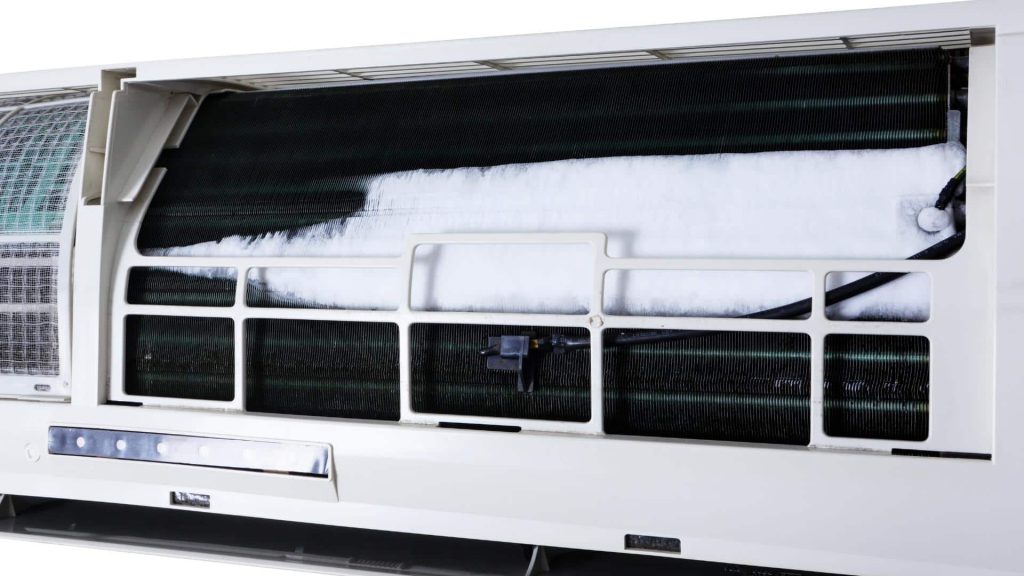
Picture this: You’re out on a road trip in your RV, ready to enjoy the great outdoors. But just as you’re about to unwind, your RV’s air conditioning unit starts acting up.
Instead of delivering a refreshing breeze, it’s freezing up and leaving you in a sweat. What’s going on? If you’ve ever faced this frustrating situation, you’re not alone. Many RV owners encounter this issue, and it can quickly turn your dream getaway into a sticky nightmare.
But don’t worry, understanding why your RV A/C is freezing up can help you fix the problem and get back to enjoying your travels. In this post, we’ll dive into the common reasons behind this chilling problem and guide you through the steps to prevent it from happening again. Keep reading, because your cool, comfortable RV experience is just a few tips away!
Common Causes Of Rv A/c Freezing
Understanding why your RV A/C is freezing up can save you from uncomfortable trips and costly repairs. Several common issues can cause ice buildup on your air conditioner. Identifying the root cause helps you fix the problem quickly and keep your RV cool and comfortable.
Low Refrigerant Levels
Low refrigerant is a frequent cause of A/C freezing. Without enough refrigerant, the evaporator coil gets too cold, causing moisture to freeze on it. Have you checked your refrigerant levels recently? If not, a professional recharge might be necessary to restore proper function.
Dirty Air Filters
Dirty or clogged air filters reduce airflow over the evaporator coil. This lack of airflow causes the coil to get excessively cold and freeze. Cleaning or replacing your air filters regularly is a simple step that can prevent freezing and improve air quality.
Blocked Airflow
Blocked vents or obstructed ductwork limit airflow inside your RV’s A/C system. Furniture, curtains, or debris can block vents without you realizing it. Are all your vents clear and unobstructed? Ensuring free airflow helps the system maintain the right temperature and avoids ice buildup.
Thermostat Issues
A faulty thermostat can cause the A/C to run continuously or cycle improperly. This unbalanced operation leads to freezing as the system struggles to regulate temperature. Testing your thermostat or replacing old units can help maintain consistent cooling and prevent freeze-ups.
Faulty Blower Motor
The blower motor pushes air across the evaporator coil. If it’s malfunctioning or running too slowly, airflow decreases, leading to freezing. Listening for unusual noises or feeling weak airflow can be signs you need to inspect or replace the blower motor.

Credit: www.reddit.com
How Low Refrigerant Leads To Freezing
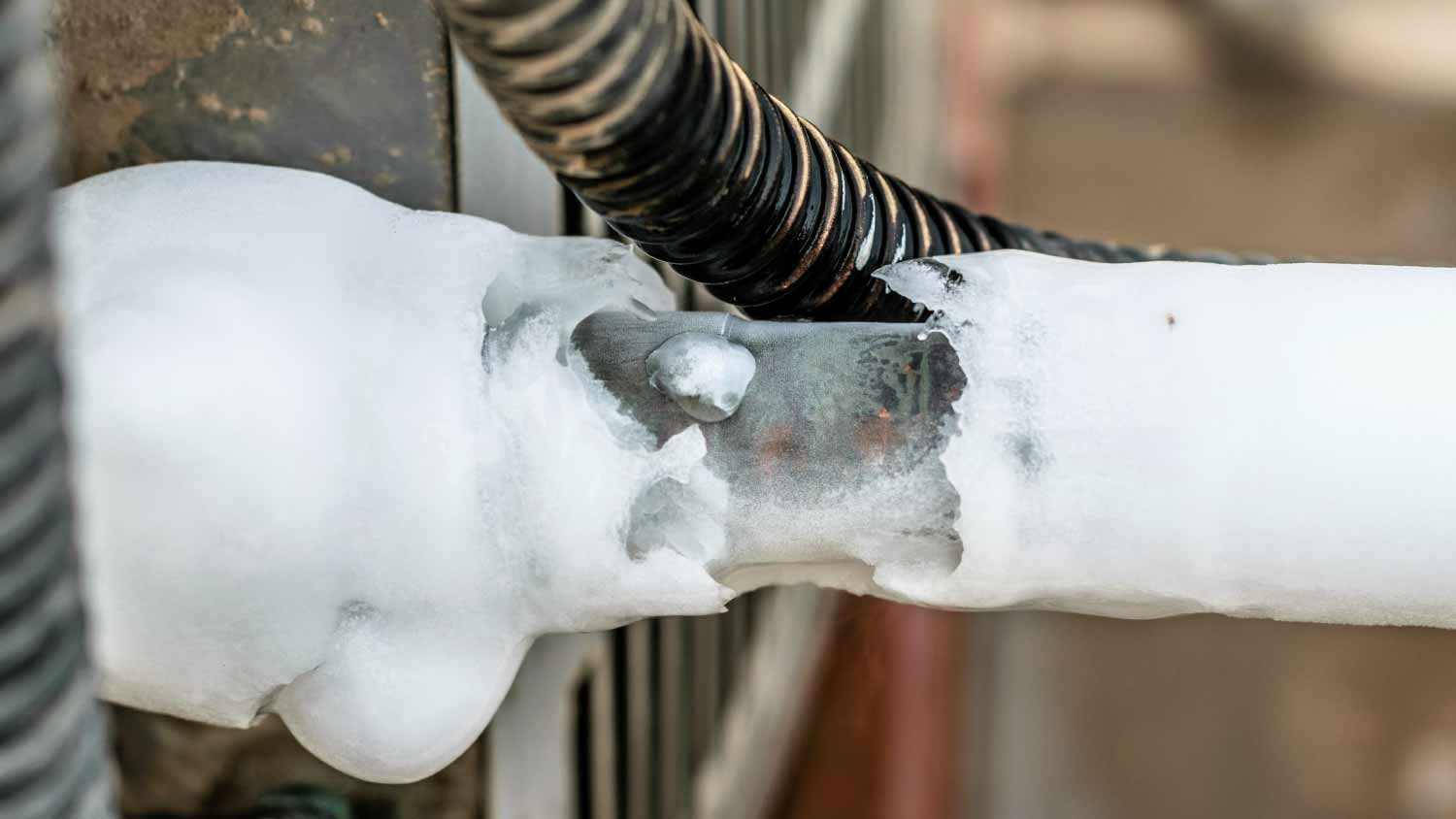
Low refrigerant in your RV’s A/C system often causes freezing issues. Refrigerant is a key fluid that absorbs heat from inside your RV. When its level drops, the cooling process gets disrupted. This disruption leads to ice forming on the coils and other parts.
Understanding how low refrigerant causes freezing helps you spot problems early. It also guides you to take the right steps to fix the issue and avoid damage.
What Happens When Refrigerant Levels Drop
Refrigerant absorbs heat inside the evaporator coil. Low levels mean less heat absorption. The coil temperature falls below freezing point. Moisture in the air freezes on the coil surface. This ice blocks airflow, reducing cooling power.
Signs Of Low Refrigerant Causing Freezing
- Ice buildup on the evaporator coil
- Weak or no cold air blowing
- Longer running times of the A/C unit
- Hissing sounds from the A/C system
Why Low Refrigerant Makes The Evaporator Coil Freeze
Less refrigerant means lower pressure inside the coil. This lowers the temperature drastically. The cold coil causes the moisture in the air to freeze. Ice forms quickly and thickens if the problem continues. The system struggles to work with frozen coils.
Effects Of Dirty Air Filters On Cooling
Dirty air filters cause many problems in your RV’s A/C system. They block airflow, making the unit work harder. This strain can lead to freezing issues and poor cooling performance.
Clogged filters trap dust and debris. This reduces the air passing through the system. Less airflow means the evaporator coil gets too cold. Ice forms on the coil, causing the A/C to freeze up.
Dirty filters also reduce efficiency. The system uses more energy to cool the space. This raises your electricity use and can damage parts over time.
Reduced Airflow Causes Coil Freezing
Air filters stop dirt from entering the system. When they are dirty, airflow slows down. Poor airflow lowers the temperature around the evaporator coil. The coil becomes too cold and ice builds up.
Increased Energy Use And Wear
The A/C works harder with clogged filters. It runs longer to cool your RV. This wastes energy and increases wear on components. Over time, this can cause breakdowns.
Poor Cooling Performance
Dirty filters mean less cool air reaches your RV. The cabin stays warm or unevenly cooled. This makes your ride uncomfortable during hot days.
Easy Maintenance Tips
- Check filters monthly during heavy use.
- Clean or replace filters as needed.
- Use filters designed for your RV A/C model.
- Keep the filter area free of dust and debris.
Airflow Problems And Their Impact
Airflow problems inside an RV’s A/C system often cause freezing issues. When air cannot flow freely, the evaporator coil gets too cold. This causes moisture to freeze on the coil, leading to ice buildup. Poor airflow reduces the system’s ability to cool the RV properly. It also puts extra strain on the A/C unit, which may lead to damage over time.
Several factors can block or restrict airflow. Dust, dirt, and debris often clog filters and vents. Obstructed or closed vents limit the air passing through the system. Damaged or dirty blower fans can also reduce airflow inside the unit. These problems cause uneven cooling and make the A/C freeze up more easily.
Blocked Or Dirty Air Filters
Air filters trap dust and dirt to keep the system clean. When filters get clogged, they block airflow. The A/C struggles to pull enough air through the filter. This causes the evaporator coil to get too cold and freeze. Regularly check and replace air filters to maintain good airflow.
Obstructed Air Vents
Air vents guide cooled air into the RV’s living space. Closed or blocked vents reduce airflow in the system. Furniture or items placed in front of vents can block air. Ensure all vents stay open and clear for proper air movement.
Malfunctioning Blower Fan
The blower fan pushes air through the A/C system. A weak or broken fan reduces airflow significantly. Dust buildup on the fan blades also lowers efficiency. Inspect and clean the blower fan regularly to avoid freezing problems.
Thermostat Settings Causing Freezing
Your RV’s A/C freezing up can often trace back to thermostat settings gone wrong. These tiny controls have a big impact on how your system cools. If they’re set improperly, the A/C might work too hard, leading to ice buildup.
How Incorrect Thermostat Settings Lead To Freezing
The thermostat tells your A/C when to turn on and off. Setting it too low makes the system run continuously. This nonstop operation causes the evaporator coils to get too cold, freezing up the moisture in the air.
Have you noticed your A/C running longer than usual? That’s a red flag your thermostat may be demanding more cooling than necessary.
Why Setting The Thermostat Too Low Is Problematic
It might seem smart to crank the thermostat to the lowest temperature on a hot day. However, this forces your A/C to operate non-stop. Without breaks, ice forms on the coils, which blocks airflow and reduces cooling efficiency.
Try setting your thermostat around 75°F instead of 68°F and observe the difference. You might find your RV stays comfortably cool without the freezing issue.
Impact Of Faulty Or Misplaced Thermostats
If your thermostat is faulty or placed near a heat source, it sends wrong temperature readings. This confuses the system into overcooling or undercooling. A misplaced thermostat might cause the A/C to freeze because it’s working harder to correct false signals.
Check if your thermostat is exposed to direct sunlight or near appliances that emit heat. Moving it to a shaded and central location can improve accuracy and prevent freezing.
How To Adjust Your Thermostat To Prevent Freezing
- Set the temperature to a moderate, comfortable level (around 75°F).
- Use the “auto” fan setting instead of “on” to allow the system to cycle properly.
- Regularly calibrate or replace your thermostat if it’s giving inconsistent readings.
- Ensure the thermostat is installed in a location free from direct sunlight and heat sources.
Have you tried these tweaks yet? Small changes in thermostat settings can save you from costly repairs and uncomfortable trips.
Blower Motor Malfunctions Explained
The blower motor plays a key role in your RV’s air conditioning system. It pushes air over the evaporator coils and into the RV’s interior. When the blower motor malfunctions, airflow reduces or stops. This causes the evaporator coils to get too cold and freeze up. Understanding blower motor issues helps you spot the root cause of A/C freezing problems.
Blower motor problems often stem from electrical faults, worn parts, or blockages. These issues reduce airflow, making the system inefficient. The frozen coils stop cooling your RV properly, leading to discomfort inside. Below are common blower motor malfunctions explained.
Electrical Problems Affecting The Blower Motor
The blower motor needs a steady electrical supply to work. Faulty wiring or blown fuses can interrupt power. Loose connections cause the motor to stop or run weakly. Check your RV’s fuse box and wiring for damage or corrosion. Repairing or replacing faulty parts restores proper blower function.
Worn Out Bearings And Motor Parts
Over time, the blower motor’s bearings wear down. This causes the motor to make noise or stop turning. Dirt and dust buildup can also jam the motor blades. Regular cleaning and lubrication keep the motor running smoothly. Replace worn parts to prevent airflow loss and freezing coils.
Blocked Airflow And Dirty Filters
Air filters trap dust and debris before air reaches the blower motor. Dirty or clogged filters restrict airflow. Blocked vents or ducts also reduce air movement. Inspect and clean filters often. Clear vents and ducts to ensure smooth airflow. Good airflow prevents coil freezing and improves cooling.
Quick Fixes For A Freezing Rv A/c
If your RV A/C is freezing up, don’t panic. Many issues can be resolved quickly with some simple checks and fixes. You don’t need to wait for a professional to get your A/C running smoothly again.
Cleaning Or Replacing Air Filters
A dirty air filter restricts airflow, causing the evaporator coil to get too cold and freeze. Check your filter regularly and clean or replace it if it looks clogged. Keeping the filter clean improves airflow and prevents ice buildup.
Checking And Refilling Refrigerant
Low refrigerant levels can cause your A/C to freeze. If you notice ice forming, it might mean there’s a leak or the system is low on refrigerant. You can check the levels yourself with a gauge, but refilling usually requires a professional unless you’re experienced.
Unblocking Air Vents
Blocked air vents reduce airflow and lead to freezing. Make sure nothing is covering or obstructing the vents inside your RV. Even furniture or curtains can block airflow enough to cause problems.
Adjusting Thermostat Settings
Setting your thermostat too low can cause the A/C to freeze. Try raising the temperature a few degrees and see if the freezing stops. Sometimes, small tweaks in settings make a big difference.
Inspecting The Blower Motor
The blower motor pushes air across the evaporator coil. If it’s malfunctioning or running slowly, airflow drops and freezing happens. Listen for unusual sounds or weak airflow, and consider having the motor inspected or replaced if needed.

Credit: www.youtube.com
Preventive Measures To Avoid Freezing
Preventing your RV A/C from freezing up takes more than just quick fixes. It requires consistent care and attention to how you use the system daily. By taking specific preventive steps, you can keep your A/C running smoothly and avoid those frustrating ice buildups.
Regular Maintenance Schedule
Keeping a regular maintenance schedule is essential to avoid freezing issues. Clean or replace the air filters every month during heavy use to prevent dust buildup that restricts airflow. Also, check the refrigerant levels; low refrigerant can cause the coils to freeze.
Think about how often you’ve skipped maintenance. Could that be why your A/C is freezing? Setting reminders on your phone can help you stay on track without the hassle.
Proper Thermostat Usage
Using your thermostat correctly plays a big role in preventing freezing. Avoid setting the temperature too low, especially on hot days, as this forces the system to work harder and can cause ice to form. Instead, aim for a moderate setting and let the A/C cycle naturally.
Have you noticed your A/C freezing more when you crank the temperature way down? Try adjusting it just a few degrees higher and see if that makes a difference. Small changes can have a big impact.
Ensuring Clear Airflow
Blocked or limited airflow is a common cause of freezing. Make sure vents and registers inside your RV are open and unobstructed by furniture or curtains. Outside, clear away any debris or leaves that might block the unit’s intake and exhaust areas.
Imagine running a race with your nose pinched—your body struggles, right? Your A/C feels the same when airflow is restricted. Regularly inspect and clear pathways to keep air flowing freely.
Professional Inspections
Even with great care, some problems need a professional eye. Schedule an annual inspection with a qualified technician to catch hidden issues like leaks, worn-out parts, or electrical problems. Professionals can also recharge refrigerant safely and fine-tune your system for optimal performance.
Have you ever had a professional find a problem you missed? Investing in expert inspections can save you time and money by preventing bigger repairs down the line.
Credit: www.angi.com
Frequently Asked Questions
Why Does My Rv A/c Freeze Up?
Your RV A/C freezes due to restricted airflow, low refrigerant, or dirty filters. These issues cause the evaporator coil to get too cold, leading to ice buildup. Regular maintenance and cleaning help prevent freezing and keep the system running efficiently.
How Can Low Refrigerant Cause Freezing In Rv A/c?
Low refrigerant reduces the pressure in the system, causing the evaporator coil to freeze. This stops proper heat exchange and airflow. A certified technician should check and recharge refrigerant to avoid damage and ensure your RV A/C works correctly.
Can Dirty Filters Make Rv A/c Freeze?
Yes, dirty or clogged air filters restrict airflow over the evaporator coil. This causes the coil to become too cold and freeze. Replacing or cleaning filters regularly improves airflow and prevents ice buildup, keeping your RV A/C efficient and reliable.
Does Blocked Airflow Lead To Rv A/c Freezing?
Blocked airflow reduces heat absorption on the evaporator coil, causing it to freeze. Check vents and ensure no obstructions like furniture or debris block air circulation. Good airflow is essential to prevent freezing and maintain optimal cooling performance.
Conclusion
Your RV A/C freezing up can feel frustrating and confusing. Common causes include dirty filters, low refrigerant, or poor airflow. Regular cleaning and quick repairs help keep your system working well. Check your unit often to catch problems early. A well-maintained A/C keeps your RV cool and comfortable on every trip.
Don’t wait for bigger issues. Stay on top of care to enjoy smooth, chill rides ahead.