Picture this: you’re on a road trip, the sun is shining, and your RV is your home on wheels. But suddenly, your sanctuary turns into a freezer because your air conditioner is freezing up.
Frustrating, right? You might be wondering, “Why is my RV air conditioner freezing up? ” Don’t worry, you’re not alone. This is a common problem many RV owners face, and it can turn your dream trip into a chilly nightmare.
We’ll dive into the reasons why your RV air conditioner might be freezing and, more importantly, how you can fix it. We’ll explore simple solutions and preventative tips to keep your adventures cool and comfortable. So, if you want to avoid those icy surprises and enjoy your travels without a hitch, keep reading. You’ll be glad you did!

Credit: furrion.com
Common Signs Of A Frozen Rv Ac
Recognizing the signs of a frozen RV air conditioner helps prevent bigger problems. Spotting these early can save time and repair costs. Watch for changes in how your AC looks and sounds. These signs often show before the AC stops working completely.
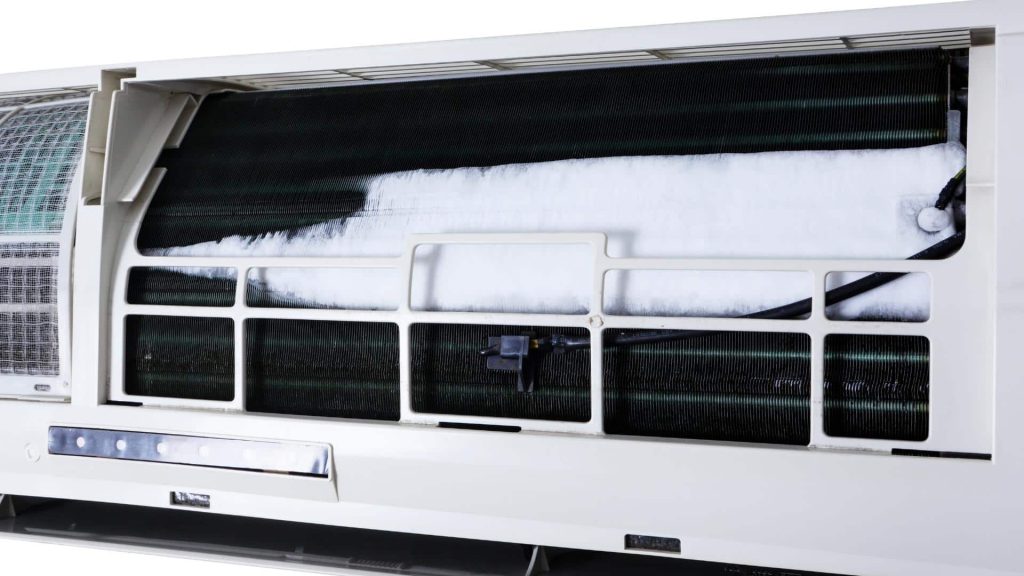
Ice Formation On Coils
Ice buildup on the AC coils is a clear sign of freezing. The coils may look frosty or have thick ice layers. This ice blocks heat exchange and lowers cooling power. Ice can spread over the evaporator coils inside the unit. Check the coils regularly during use to catch ice early.
Reduced Airflow
When the AC freezes, airflow drops noticeably. You may feel weaker or less cold air from the vents. Ice blocks the air passage, making the fan less effective. The RV interior may feel warmer than usual. Reduced airflow causes the system to work harder and wear out faster.
Unusual Noises
Frozen AC units often make strange sounds. Listen for rattling, buzzing, or hissing noises. Ice can cause parts to stick or rub incorrectly. These sounds warn of mechanical stress inside the unit. Ignoring unusual noises can lead to full system failure.
Low Refrigerant Levels
Low refrigerant levels in an RV air conditioner cause freezing problems often. The refrigerant helps cool the air inside the RV. When its amount drops, the cooling system struggles to work properly. This leads to ice forming on the coils and pipes. Understanding how refrigerant works and spotting leaks helps keep your AC running smoothly.
How Refrigerant Affects Cooling
Refrigerant absorbs heat from inside the RV. It changes from liquid to gas inside the coils. This process cools the air around the coils. Low refrigerant means less heat absorption. The coils get too cold and ice forms on them. The ice blocks airflow and reduces cooling power. The AC then works harder, causing more ice build-up. Keeping the right refrigerant level is key for efficient cooling.
Detecting Leaks
Refrigerant leaks cause low levels in the system. Leaks can happen at joints, hoses, or coils. Signs of leaks include:
- Hissing sounds near the AC unit
- Oily spots on or around the unit
- Reduced cooling performance
- Ice buildup on the coils
Check the AC unit regularly for these signs. A professional can use special tools to find leaks. Fixing leaks and refilling refrigerant stops freezing and improves cooling.
Dirty Air Filters
Dirty air filters are one of the most common reasons your RV air conditioner might be freezing up. When filters get clogged with dust, dirt, and debris, they restrict the airflow needed for the AC to function properly. This lack of airflow causes the evaporator coils to get too cold and freeze over.
Impact On Airflow
Restricted airflow means less warm air passes over the evaporator coils. Without enough warm air, the coils stay too cold, causing moisture in the air to freeze on them. This ice buildup blocks the coils further, making the problem worse and eventually leading to a complete freeze-up.
Have you noticed your AC struggling to cool or strange frost forming on the vents? These are clear signs your filters might be dirty. The AC works harder, which can also drain your RV’s battery faster, leaving you with a cold unit and less power.
Maintenance Tips
Cleaning or replacing your air filters regularly can prevent freezing issues. Check your filters every couple of weeks, especially during heavy use. If they look clogged or dusty, either clean them with water and let them dry completely or swap them out for new ones.
Keep a schedule to avoid forgetting this simple task—it saves you from costly repairs. Also, consider carrying spare filters on your trips so you can swap them out quickly if needed. Your RV’s AC will thank you with better performance and longer life.
Blocked Or Closed Vents
Blocked or closed vents can cause your RV air conditioner to freeze up. Vents are essential for proper air flow. When they are blocked or shut, air cannot move freely. This causes uneven cooling and ice build-up on the AC coils. Understanding how vents affect your system helps prevent freezing problems.
Effect On Air Circulation
Air needs to flow smoothly through the vents to keep the AC working. Blocked or closed vents reduce the air volume reaching the cooling coils. This makes the coils too cold, causing moisture to freeze. Poor circulation also makes the AC work harder, lowering efficiency and increasing wear. Good vent flow keeps the air conditioner balanced and ice-free.
Common Vent Issues
- Furniture or objects blocking floor or wall vents
- Dirty or clogged vent covers restricting airflow
- Closed or partially closed vents limiting air passage
- Damaged vents causing leaks or poor distribution
Check vents regularly to avoid these problems. Clear blockages and ensure vents remain open. Clean vent covers often to maintain good air movement. Fix damaged vents quickly to keep the system running smoothly.
Thermostat Problems
Thermostat problems often cause an RV air conditioner to freeze up. The thermostat controls the temperature and signals the AC to turn on or off. If it malfunctions, the AC may run too long or not enough, leading to ice build-up. Understanding these issues helps prevent freezing and ensures smooth operation.
Incorrect Settings
Setting the thermostat too low can make the AC run continuously. Continuous running causes the evaporator coil to get too cold. This leads to ice forming on the coil and pipes. Setting the temperature too close to outside weather also stresses the system. Adjusting to a moderate, stable setting helps avoid freezing.
Calibration Issues
The thermostat may not measure temperature correctly if it is out of calibration. This causes the AC to run even if the space is cool enough. A faulty sensor sends wrong signals, confusing the system. Checking calibration and recalibrating or replacing the thermostat fixes this problem. Regular maintenance ensures accurate temperature control and prevents freezing.
Fan Malfunctions
Fan malfunctions are a common culprit behind your RV air conditioner freezing up. When the fan doesn’t work properly, it disrupts airflow across the evaporator coils, causing them to get too cold and ice to form. Understanding the specific fan issues can help you fix the problem quickly and avoid costly repairs.
Fan Motor Failures
The fan motor is the heart of your RV’s air conditioner fan system. If it fails or runs inconsistently, airflow reduces drastically. Without enough air moving over the coils, they can freeze up in no time.
Have you noticed your AC fan running slower or making strange noises? That’s often a sign the motor is wearing out. Sometimes the motor brushes get worn, or the capacitor that helps start the motor could be faulty.
Replacing the motor or capacitor isn’t always complicated, but it’s important to test these parts first. A simple multimeter check can confirm if the motor is getting power or if it’s burned out. Don’t ignore a weak or failing motor—your AC won’t work right until it’s fixed.
Blade Obstructions
Obstructions in the fan blades can also cause your RV air conditioner to freeze up. Dirt, leaves, or debris can get stuck, slowing the blades or stopping them from spinning at full speed.
Even a small blockage can reduce airflow enough for the evaporator coils to freeze. It’s easy to overlook this since the fan might still be moving, but not efficiently.
Check around the fan blades regularly, especially after traveling through dusty or leafy areas. Cleaning the blades and removing any blockages can restore airflow and prevent freezing issues. Have you cleaned your fan blades lately? It might be the quick fix you need.
Environmental Factors
Environmental factors play a big role in why your RV air conditioner may freeze up. These outside conditions affect how the air conditioner works and can cause ice to build on the cooling coils. Understanding these factors helps you prevent freezing and keep your RV cool.
High Humidity Effects
High humidity makes the air conditioner work harder. The unit pulls more moisture from the air, which can cause ice to form on the coils. When moisture freezes, it blocks air flow. This leads to a frozen AC that does not cool properly.
Humidity also lowers the air temperature near the coils. This can cause the temperature to drop below freezing. The result is ice buildup on the evaporator coils. This ice stops the AC from working well and may damage the system.
Extreme Temperatures
Very hot or very cold weather affects the AC’s performance. In extreme heat, the air conditioner runs nonstop. This constant running can cause parts to get too cold, leading to freezing.
Cold outside temperatures also cause freezing problems. When the outside air is too cold, the refrigerant temperature drops. The coils get too cold, and ice forms quickly. This stops the AC from working and can cause damage.

Credit: www.youtube.com
Preventing Rv Ac Freezing
Preventing your RV air conditioner from freezing up is key to staying cool and comfortable during your travels. A frozen AC not only stops working efficiently but can also damage your unit, leading to costly repairs. Taking simple, consistent steps can keep your system running smoothly and extend its lifespan.
Regular Maintenance
Keeping your RV AC clean and well-maintained is crucial. Dirt and debris clog the filters and coils, reducing airflow and causing the unit to freeze. Check and replace air filters every few weeks during heavy use to ensure proper airflow.
Another important task is cleaning the evaporator and condenser coils. Dust buildup here limits heat exchange, making the system work harder and increasing the risk of freezing. Use a soft brush or coil cleaner to gently remove dirt without damaging the fins.
Have you checked your refrigerant levels lately? Low refrigerant can cause the coils to get too cold and freeze up. If you notice your AC struggling to cool, get a professional to inspect and recharge the system if needed.
Proper Usage Tips
How you operate your RV AC affects its performance and risk of freezing. Avoid setting the temperature too low, especially on very hot days. A setting around 75°F balances comfort and efficiency without overworking the unit.
Ensure that your RV’s windows and doors are properly sealed before turning on the AC. Warm, humid air entering the RV can cause condensation and ice buildup on the coils. Using ceiling fans or vent fans can help circulate air and reduce moisture inside.
Don’t forget to give your AC breaks during long runs. Continuous operation strains the system and increases freezing chances. Turning off the AC for short periods or using the fan-only mode can help the unit catch up and prevent ice formation.
When To Call A Professional
Knowing when to call a professional for your RV air conditioner freezing up can save you time and avoid costly damage. While some issues are simple to fix, others need expert attention to keep your unit running smoothly. If you notice persistent problems or unusual signs, it’s best to get the right help without delay.
Signs You Need Expert Help
Is your AC freezing up repeatedly even after basic cleaning and troubleshooting? That’s a clear sign to reach out to a technician. Other warning signs include:
- Ice buildup inside the unit that doesn’t melt quickly
- Unusual noises like rattling or hissing
- Reduced cooling performance despite running continuously
- Water leaks or excessive condensation around the unit
These issues often point to underlying problems like refrigerant leaks, clogged coils, or faulty components. Trying to fix these without proper tools or knowledge can make things worse.
Choosing The Right Technician
Not all RV AC repair services have the same skills or experience. Look for technicians who specialize in RV air conditioners and have good customer reviews. Ask about their certifications and whether they use manufacturer-approved parts.
Getting a technician who understands your specific model can speed up repairs and prevent recurring problems. Don’t hesitate to ask for a clear estimate and explanation before any work begins. Your RV deserves the best care to keep you cool on every adventure.

Credit: www.lippert.com
Frequently Asked Questions
Why Does My Rv Ac Freeze Up Frequently?
Your RV AC freezes due to low refrigerant, dirty filters, or poor airflow. These issues reduce cooling efficiency and cause ice buildup. Regular maintenance and cleaning can prevent freezing and keep your AC running smoothly.
How Can I Prevent My Rv Air Conditioner From Freezing?
Prevent freezing by cleaning filters, checking refrigerant levels, and ensuring proper airflow. Avoid running the AC on low fan settings for long periods. Regular inspections help detect early signs of freezing.
What Causes Low Refrigerant In Rv Air Conditioners?
Low refrigerant usually results from leaks or improper charging during installation. It reduces cooling capacity and leads to freezing. A professional should check and recharge your system to fix refrigerant issues.
Can Dirty Filters Make My Rv Ac Freeze Up?
Yes, dirty filters block airflow and cause the evaporator coil to freeze. Clean or replace filters regularly to maintain airflow and prevent ice buildup. This improves AC performance and prevents freezing.
Conclusion
A freezing RV air conditioner signals a problem needing quick care. Dirt, low refrigerant, or poor airflow often cause the issue. Regular cleaning and checks keep the AC running well. Fix small problems early to avoid big repairs later. Stay comfortable on the road by keeping your AC in good shape.
Don’t ignore signs of freezing to enjoy cool, smooth trips every time.