Is your RV refrigerator not cooling like it used to? You rely on it to keep your food fresh and drinks cold during your trips, so when it stops working properly, it can be frustrating and stressful.
You might be wondering why this is happening and what you can do to fix it quickly. You’ll discover the common reasons behind your RV refrigerator’s cooling problems and simple steps to get it back to perfect working order. Keep reading—you don’t want to miss these easy solutions that could save your next adventure.
Common Cooling Issues
RV refrigerators can stop cooling for several common reasons. Understanding these issues helps you find quick fixes. Most cooling problems relate to power, airflow, or mechanical faults. Checking each area can save you time and money.
Power Supply Problems
RV refrigerators need a steady power supply to work correctly. Loose connections or blown fuses can cut power. Sometimes, the battery or generator may not provide enough energy. Always verify the power source before troubleshooting further.
Thermostat Malfunctions
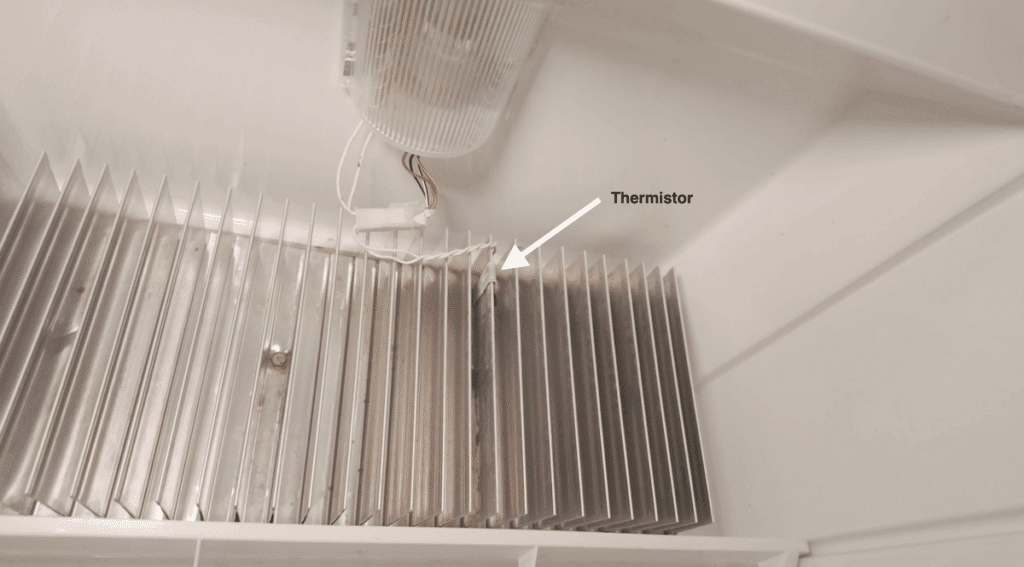
The thermostat controls the temperature inside the fridge. A broken or miscalibrated thermostat can cause poor cooling. It may fail to signal the cooling unit to turn on or off. Testing the thermostat helps identify if it needs replacement.
Dirty Condenser Coils
Condenser coils remove heat from the refrigerator. Dust and dirt build-up blocks airflow around coils. Dirty coils make the fridge work harder and cool less efficiently. Cleaning coils regularly improves performance and extends fridge life.
Blocked Vents
Blocked vents reduce air circulation inside the refrigerator. Food items or debris can block airflow paths. Without proper airflow, cold air cannot spread evenly. Clear vents to maintain consistent and effective cooling.
Faulty Cooling Unit
The cooling unit is the heart of the fridge’s system. Mechanical issues or refrigerant leaks can damage it. A faulty cooling unit cannot maintain the right temperature. Professional repair or replacement may be necessary in this case.
Credit: blog.campingworld.com
Electrical Troubleshooting
Electrical issues are often the hidden culprits behind an RV refrigerator that stops cooling. Since your fridge relies heavily on a stable electrical supply, even a minor disruption can cause it to malfunction. Let’s walk through some practical electrical troubleshooting steps that you can do yourself to pinpoint the problem.
Checking Power Connections
Loose or corroded power connections can interrupt the flow of electricity to your refrigerator. Start by unplugging the fridge and inspecting the power cord for any visible damage or wear. Then, ensure the plug is firmly seated in the outlet and that the outlet itself is delivering power.
Try plugging another device into the same outlet to confirm it’s working. If the outlet is controlled by a switch, verify that the switch is turned on. You might be surprised how often a simple loose plug or a switched-off outlet is the cause.
Inspecting Fuses And Circuit Breakers
Your RV’s electrical system includes fuses and circuit breakers that protect your fridge from electrical surges. Check the fuse box or breaker panel for any blown fuses or tripped breakers related to the refrigerator circuit.
Replace any blown fuses with the exact type and rating specified by the manufacturer. If a breaker has tripped, reset it but keep an eye on it—frequent trips suggest a deeper electrical fault that needs professional attention.
Testing The Battery And Converter
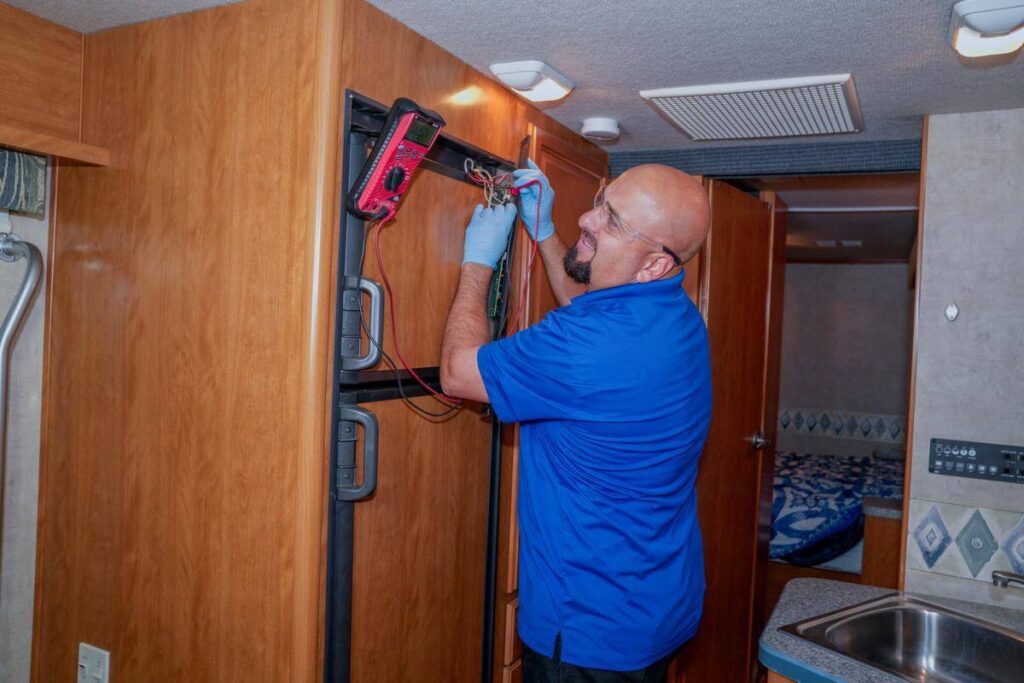
The RV’s battery and converter are critical to supplying steady DC power to your refrigerator. Use a multimeter to measure the battery voltage; it should read around 12.6 volts when fully charged. Lower voltage levels can cause the fridge to underperform or stop cooling altogether.
The converter converts AC power to DC to keep the battery charged and run appliances. If your converter isn’t working properly, your battery won’t charge, and the fridge won’t get enough power. Testing or replacing the converter might require technical skills, but it’s worth checking if other electrical troubleshooting steps don’t solve the problem.
Mechanical Repairs
A common cause for an RV refrigerator not cooling is a dirty condenser or blocked vents. Electrical issues or low coolant levels may also affect its performance. Regular maintenance helps keep the fridge running efficiently during trips.
Mechanical problems often lurk behind the mystery of why your RV refrigerator isn’t cooling. Tackling these issues requires a keen eye and a bit of elbow grease. You don’t need to be a mechanical wizard; just a willingness to get your hands dirty can make all the difference. Let’s dive into some practical mechanical repairs that can restore your fridge to its optimal performance.Cleaning And Replacing Coils
Over time, dust and grime accumulate on your refrigerator coils, hindering their efficiency. This layer of dirt acts as a barrier, preventing the coils from effectively releasing heat. Grab a coil cleaning brush or a vacuum with a brush attachment. Gently clean the coils, ensuring no dust or debris is left behind. If the coils are damaged, replacing them might be the best option. New coils can significantly improve cooling efficiency, breathing new life into your appliance.Unblocking Airflow Paths
Blocked airflow is a silent saboteur of your refrigerator’s performance. Check the vents and pathways for any obstructions. Items like food packaging or ice buildup can block the airflow, causing uneven cooling. Organize your fridge contents to allow proper air circulation. Consider using a small fan inside the fridge to enhance airflow. This simple fix can dramatically improve cooling efficiency, keeping your perishables fresh.Fixing Or Replacing Fans
Fans play a crucial role in circulating cold air throughout your refrigerator. If your fan isn’t spinning, it’s time for inspection. Listen for unusual noises or complete silence, both indicators of a faulty fan. Ensure the fan blades move freely by hand. If they’re stuck or damaged, replacement is necessary. A new fan can ensure consistent cooling, saving you from spoiled groceries and frustration. Isn’t it empowering to realize that with a few tools and determination, you can tackle these mechanical repairs yourself? Remember, the key is in the details. Take it step by step, and your RV refrigerator will be back to keeping things cool in no time.Thermostat And Control Fixes
When your RV refrigerator isn’t cooling properly, the thermostat and controls are often the first places to check. These components regulate the temperature inside your fridge, so if they malfunction, cooling issues arise quickly. Fixing these parts can restore your fridge’s performance without needing a full replacement.
Calibrating The Thermostat
Sometimes the thermostat isn’t broken but just out of sync with the actual temperature. Calibration adjusts the thermostat so it accurately senses and maintains the right cooling level.
Start by comparing the thermostat setting to the temperature inside the fridge using a thermometer. If there’s a difference, adjust the thermostat dial slightly up or down and check again after a few hours.
Have you tried this simple fix before calling a technician? Small calibration tweaks can save you a lot of time and money.
Replacing Faulty Controls
If calibration doesn’t help, faulty controls might be the culprit. Controls include switches, circuit boards, or sensors that manage power flow and cooling cycles.
Look for signs like unresponsive buttons or erratic temperature changes. Replacing these parts usually requires disconnecting power, removing the control panel, and swapping the faulty unit with an exact match.
Remember, using the correct replacement parts is critical. Have you checked if your RV’s manual lists compatible control models before buying? This avoids compatibility issues and ensures smooth operation.
When To Call A Professional
Knowing when to call a professional for your RV refrigerator saves time and prevents damage. Some problems need expert tools and skills. Trying to fix these on your own can be risky. A trained technician can find hidden issues and fix them correctly.
Signs Of Refrigerant Leaks
Refrigerant leaks reduce cooling power quickly. Look for:
- Unusual hissing sounds near the fridge
- Ice buildup inside the freezer section
- A strong chemical smell around the unit
- Warm spots on the fridge surface
Leaking refrigerant is dangerous and needs immediate repair.
Complex Electrical Issues
Electrical problems can stop the fridge from running. Watch for these signs:
- The fridge won’t turn on
- Frequent power cycling or flickering lights
- Burning smells or visible sparks
- Tripped breakers or blown fuses
These issues require a professional to avoid shocks or fires.
Major Component Failures
Major parts like compressors or fans can fail over time. Signs include:
- Loud or unusual noises
- The fridge runs constantly without cooling
- Visible damage or corrosion on parts
- Sudden complete loss of cooling
Replacing these parts needs special tools and knowledge.

Credit: www.youtube.com
Preventive Maintenance Tips
Preventive maintenance keeps your RV refrigerator working well and cooling properly. Small, regular tasks stop bigger problems later. These tips help your fridge stay efficient and last longer. Follow simple steps to avoid common cooling issues and enjoy fresh food on your trips.
Regular Cleaning Schedule
Clean the fridge interior every few weeks. Remove old food and wipe surfaces with mild soap. Check the door seals for dirt and debris. Clean the coils and vents outside to remove dust. A clean fridge runs cooler and uses less power.
Proper Ventilation Practices
Make sure vents are clear of objects and dirt. Good airflow helps the fridge cool evenly. Avoid blocking vents with items inside or outside the fridge. Keep the RV parked in shaded areas to reduce heat. Proper ventilation prevents overheating and cooling failures.
Seasonal Checks Before Travel
Inspect the fridge before every trip. Check the power source and connections. Test the cooling on both electric and gas modes. Look for any signs of leaks or damage. Doing these checks ensures your fridge works well on the road.
Credit: blog.campingworld.com
Frequently Asked Questions
Why Is My Rv Refrigerator Not Cooling Properly?
Your RV refrigerator may not cool due to dirty vents, low propane, or power issues. Check ventilation, fuel supply, and electrical connections first.
How Can I Fix An Rv Fridge That Won’t Cool?
Clean the vents, ensure propane is on, and verify power source. If problems persist, inspect the thermostat or call a technician.
Does Rv Refrigerator Cooling Depend On Power Type?
Yes, RV refrigerators often switch between propane and electric power. Cooling efficiency depends on a steady power source and proper fuel supply.
Can A Dirty Condenser Affect Rv Fridge Cooling?
Absolutely. A dirty condenser restricts airflow, reducing cooling efficiency. Clean the condenser regularly to maintain optimal cooling performance.
Conclusion
A cold RV fridge keeps food fresh and drinks cool. Check power sources and ventilation first. Clean the coils and inspect the door seal. Small fixes often solve the problem quickly. If issues persist, seek professional help. Staying proactive prevents costly repairs later.
Your RV trips become more comfortable and enjoyable. Keep these tips in mind for smooth fridge operation. Safe travels and happy camping!