Have you ever walked into your kitchen only to find that your sink is backing up into your dishwasher? It’s frustrating, messy, and downright confusing.
You might be wondering why this is happening and how to fix it before it becomes a bigger issue. The good news is, you’re not alone in facing this annoying problem, and there are solutions. Understanding why this happens can save you time, stress, and even money.
Dive into this article to uncover the hidden reasons behind this common kitchen woe, and discover simple tips to keep your sink and dishwasher running smoothly. Let’s get to the root of the problem so you can enjoy a hassle-free kitchen experience!
Common Causes Of Sink Backups
Sinks backing up into dishwashers can be frustrating and messy. Understanding the common causes helps you troubleshoot effectively and avoid recurring problems. Let’s break down what might be causing your sink to send water and debris back into your dishwasher.
Clogged Drain Pipes
Drain pipes clogged with food scraps, grease, or soap buildup often cause water to back up. When water can’t flow freely, it looks for the easiest escape route—often your dishwasher.
Have you noticed slow draining or gurgling sounds? These signs hint at a blockage that needs clearing before it worsens.
Blocked Air Gap
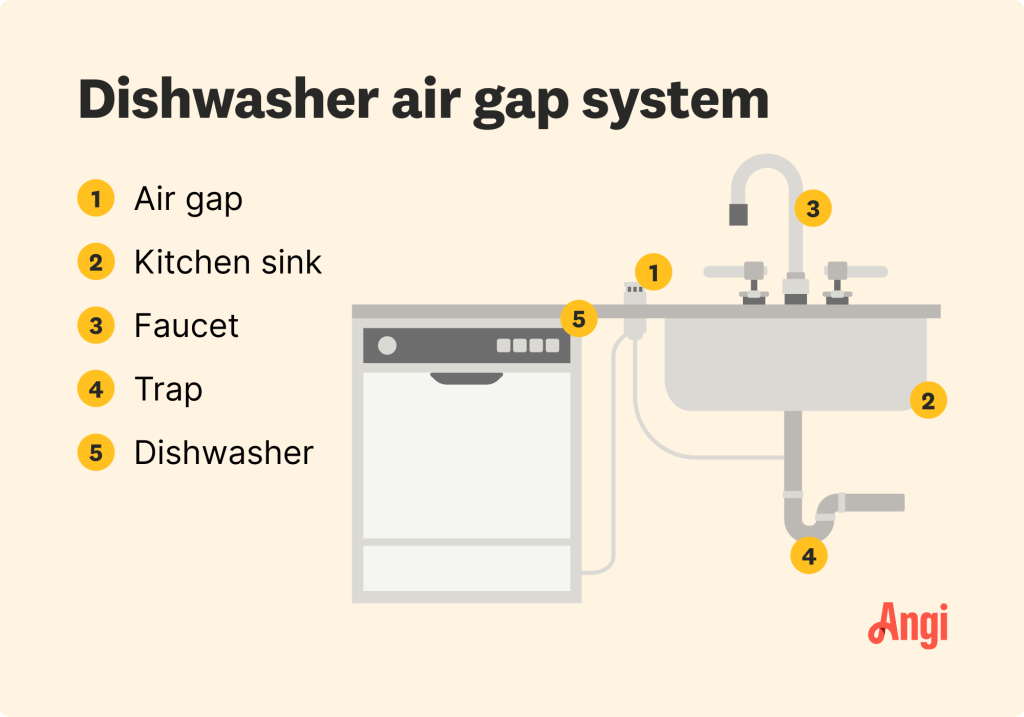
The air gap prevents dirty water from siphoning back into the dishwasher. If it becomes blocked by debris or mineral deposits, it can cause water to overflow into your appliance.
Cleaning the air gap regularly is simple but often overlooked. Could a quick rinse fix your problem?
Garbage Disposal Issues
If your dishwasher drains through the garbage disposal, a jam or clog there can cause backups. Sometimes, leftover food or broken disposal parts block water flow.
Have you checked if the disposal is running smoothly? Even a small issue here might flood your dishwasher.
Improper Dishwasher Installation
Dishwashers must be installed with a proper drain hose loop or air gap to prevent backflow. If the hose is too low or kinked, water may easily flow backward.
Did you install the dishwasher yourself or hire a pro? Mistakes during installation can create persistent drainage issues that are easy to fix once identified.

Credit: www.reddit.com
How Sink Backups Affect Your Dishwasher
Sink backups can cause serious issues for your dishwasher, often leading to unexpected messes and costly repairs. Understanding how these backups affect your dishwasher helps you spot problems early and protect your appliance. Let’s break down the main ways sink backups interfere with your dishwasher’s function and safety.
Water Flow Disruption
When your sink clogs and water starts backing up, it interrupts the normal flow of water into and out of your dishwasher. This can cause your dishwasher to fill improperly or drain slowly. You might notice dishes not getting clean or water pooling inside the appliance after a cycle.
Have you ever run your dishwasher only to find water spilling out into the sink? That’s a clear sign your sink backup is messing with the water flow. Fixing the clog quickly can save you from repeated dishwasher problems.
Dishwasher Contamination Risks
Backed-up water from your sink often contains food particles, grease, and bacteria. When this dirty water flows into your dishwasher, it contaminates your clean dishes and utensils. This can lead to unpleasant odors and health risks from germs lingering on your kitchenware.
Think about the last time you found a strange smell in your dishwasher—could it have been from contaminated water? Regularly checking for sink clogs helps avoid this hidden contamination.
Potential Damage To Appliance
Repeated exposure to dirty, stagnant water strains your dishwasher’s internal parts. The motor, pump, and seals can wear out faster or even break due to water pressure issues and debris buildup. Repairing these damages can be expensive and inconvenient.
If you ignore sink backups, you might face a dishwasher that leaks, won’t start, or makes unusual noises. Catching the problem early by watching for signs of sink backups protects your investment and keeps your appliance working smoothly.
Diy Fixes For Sink Backups
Sink backups into the dishwasher can cause frustration and mess. Many causes exist, but some fixes are simple enough to try at home. These DIY steps help clear blockages and restore proper drainage. Use basic tools and follow these tips carefully to avoid damage.
Clearing The Drain
Clogs in the sink drain often cause backups into the dishwasher. Remove any visible debris from the drain opening. Use a plunger to dislodge stubborn clogs. For deeper blockages, a drain snake can help reach and remove debris. Flush the drain with hot water to clear leftover residue.
Checking And Cleaning The Air Gap
The air gap prevents water from flowing back into the dishwasher. It sits on the sink or countertop near the faucet. Remove the air gap cover and clean inside with a brush or cloth. Clear any debris or buildup that may block water flow. Reassemble it securely to maintain proper function.
Resetting The Garbage Disposal
A garbage disposal connected to the dishwasher drain can cause backups if jammed. Turn off the disposal and check for blockages inside. Use a hex wrench to manually turn the disposal’s motor shaft. Press the reset button on the bottom of the unit. Run cold water and turn on the disposal to test it.
Inspecting Dishwasher Drain Hose
The drain hose carries water from the dishwasher to the sink drain or disposal. Check the hose for kinks, bends, or clogs. Detach the hose carefully and flush it with water. Replace the hose if damaged or cracked. Ensure the hose loops upward to prevent backflow into the dishwasher.

Credit: www.reddit.com
When To Call A Professional
Knowing when to call a professional can save you time, money, and a lot of frustration. Sometimes, the problem behind your sink backing up into your dishwasher is more than a simple clog. Recognizing the signs that need expert help can prevent further damage and ensure your plumbing system works smoothly again.
Persistent Clogs
If you’ve tried all the usual fixes like plunging or using a drain cleaner, but the backup keeps coming back, it’s time to get a professional involved. Persistent clogs often hide deeper in the pipes where DIY methods can’t reach. Ignoring these can lead to bigger blockages and costly repairs.
Complex Plumbing Issues
Sometimes, the cause of your dishwasher backing up isn’t just a clog. It could be a problem with the venting system, a broken garbage disposal, or issues with the main sewer line. These are complex problems that require a trained plumber to diagnose and fix safely and correctly.
Appliance Repair Needs
Your dishwasher itself may be the root of the backup. Malfunctions like a faulty drain pump or a blocked filter can cause water to flow back into the sink. If you notice strange noises or water pooling inside the dishwasher, calling an appliance repair specialist is the smart choice.
Preventing Future Backups
Preventing future backups in your sink and dishwasher saves you time, money, and frustration. Small habits and regular care can keep your drains flowing smoothly. Let’s look at practical ways to stop backups before they start.
Regular Drain Maintenance
Keeping your drains clean is essential. Use a drain strainer to catch food bits and debris before they enter the pipes. Avoid harsh chemical cleaners; instead, flush your drains monthly with a mix of baking soda and vinegar followed by hot water.
I once ignored a slow drain until it backed up into my dishwasher. After that, I started a simple routine of cleaning and checking the drains every few weeks. It made a huge difference, and the backups stopped completely.
Proper Waste Disposal
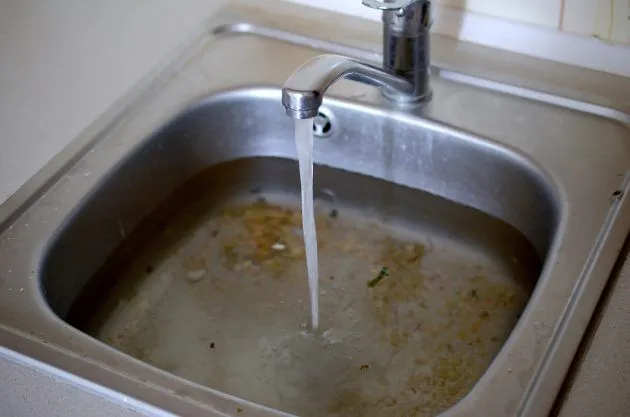
What you put down your sink matters a lot. Grease, coffee grounds, and fibrous foods like celery can clog pipes quickly. Instead of rinsing grease down the drain, pour it into a container and throw it in the trash.
Think about what’s safe to flush or rinse away. Could you change a habit, like scraping plates into the bin before washing? These small steps prevent buildup that leads to backups.
Routine Appliance Checks
Check your dishwasher and sink connections regularly. Look for leaks, loose hoses, or blockages where the dishwasher drains into the sink plumbing. Tighten any loose fittings and clear any visible debris.
Have you noticed water pooling under your sink or a strange smell? These can be early signs of a problem. Catching issues early stops backups and keeps your appliances working well.
Credit: www.allamericanpha.com
Frequently Asked Questions
Why Does My Sink Drain Into The Dishwasher?
This happens when the kitchen drain line is clogged or blocked. Wastewater from the sink backs up and flows into the dishwasher drain hose. It usually means a clog in the shared drain pipe or a faulty air gap in the dishwasher.
How Can A Clogged Pipe Cause Dishwasher Backup?
A clogged pipe restricts water flow, causing drainage issues. Water then flows backward through the dishwasher drain hose into the appliance. Clearing the clog or cleaning the pipes resolves this problem and restores proper drainage.
Can A Blocked Garbage Disposal Cause Dishwasher Backup?
Yes, a blocked or clogged garbage disposal can cause sink water to back up. Since the dishwasher drains through the disposal, a blockage prevents water from draining properly, leading to backup into the dishwasher.
What Role Does The Dishwasher Air Gap Play?
The air gap prevents dirty water from flowing back into the dishwasher. If it’s clogged or missing, wastewater can reverse flow and enter the dishwasher. Cleaning or installing a proper air gap helps prevent backups.
Conclusion
A sink backing up into a dishwasher signals a clog or drain issue. Blocked pipes or a faulty garbage disposal often cause this problem. Fixing it early prevents water damage and keeps appliances working well. Regular cleaning and proper waste disposal help avoid backups.
Call a plumber if the problem continues or worsens. Understanding the cause saves time and money in the long run. Keep your kitchen running smoothly with simple care steps. Don’t ignore these signs; act to protect your home.