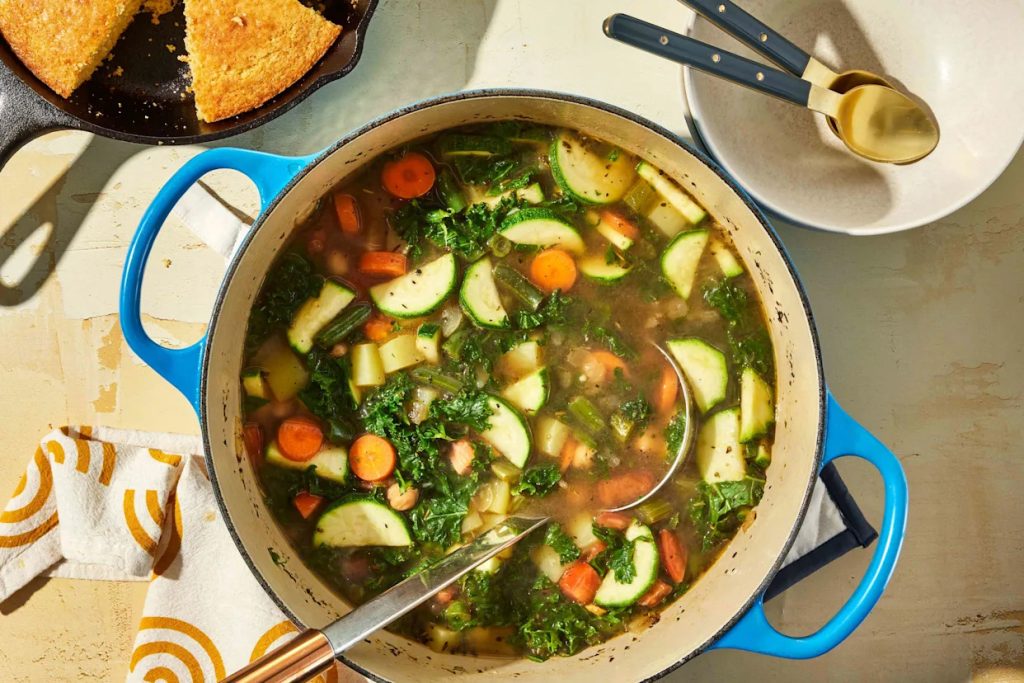
Have you ever opened your refrigerator to find your soup bubbling away like it’s auditioning for a science experiment? It’s a scene straight out of a culinary mystery, and you’re probably wondering what’s going on.
You carefully made that soup to enjoy later, not to watch it turn into a bubbling cauldron. This unusual phenomenon might have left you puzzled, but don’t worry, you’re not alone. Many people have found themselves asking, “Why is my soup bubbling in the refrigerator?
” The answer isn’t just important for your curiosity; it’s crucial for your health and the taste of your meal. If you’ve ever been tempted to just ignore those bubbles and hope for the best, think again. Understanding why this happens can save you from potential food safety issues and ensure that your next bowl of soup is as delicious as you intended. So, stay with us as we dive into the surprising reasons behind this kitchen conundrum and discover how to keep your soup safe and satisfying.
Common Causes Of Bubbling Soup
Noticing your soup bubbling in the refrigerator can be surprising and a bit worrying. Understanding why this happens helps you decide whether the soup is still safe to eat or if it’s time to discard it. Let’s look at the common causes behind bubbling soup in your fridge.
Fermentation Process
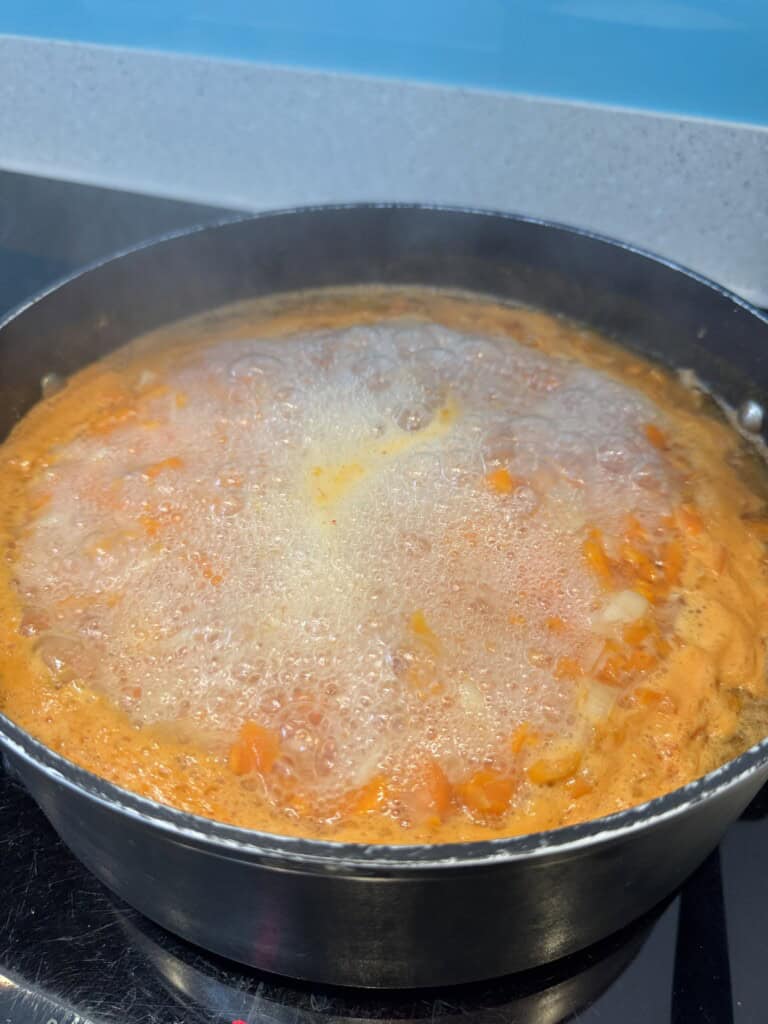
Fermentation occurs when natural sugars in the soup start breaking down into gases like carbon dioxide. This usually happens if the soup contains ingredients like vegetables, dairy, or grains that can ferment. Have you ever left homemade soup a little too long and noticed tiny bubbles forming? That’s fermentation in action.
This process can cause the soup to bubble, especially if it’s stored in a sealed container. The gas builds up pressure, creating visible bubbling. If the smell turns sour or off, it’s a clear sign fermentation is spoiling your soup.
Microbial Activity
Bacteria and yeast can grow in soup, especially if it wasn’t cooled quickly or stored properly. These microbes produce gases as they digest food particles, leading to bubbling. Think about times when soup was left out too long before refrigeration—chances are microbial growth started then.
Even in the fridge, some bacteria can slowly multiply and cause bubbling. Pay attention to texture changes, unusual odors, or slime, which often accompany microbial activity. These signs mean your soup is no longer safe to consume.
Chemical Reactions
Sometimes bubbling happens due to chemical reactions between ingredients, especially in soups with acidic components like tomatoes or vinegar. When acids react with baking soda or other alkaline substances, they release carbon dioxide gas.
Did you ever add baking soda to reduce acidity and notice fizzing? That reaction can continue in the fridge if ingredients aren’t fully mixed. Although less common, chemical reactions can cause bubbling without spoilage, but it’s important to check the soup’s smell and appearance to be sure.
Credit: laurenscravings.com
How Temperature Affects Soup
Understanding how temperature affects your soup can explain why it sometimes bubbles in the refrigerator. Soup is a living mixture of ingredients that react to their environment, especially temperature. If your fridge isn’t cold enough or if the temperature changes often, these shifts can cause unexpected reactions inside your soup container.
Ideal Refrigerator Conditions
Your refrigerator should maintain a steady temperature between 35°F and 38°F (1.6°C to 3.3°C) to keep food fresh and safe. At this range, bacterial growth slows down significantly, preventing fermentation or gas buildup inside your soup. If you’ve noticed bubbling, check if your fridge is colder or warmer than this zone.
Proper airflow inside the fridge also matters. Avoid overpacking, which can block vents and cause uneven cooling. Placing soup containers away from the fridge door helps maintain a consistent temperature around them.
Impact Of Temperature Fluctuations
Do you open your fridge door frequently or leave it open for too long? These actions cause temperature swings that can wake up dormant bacteria in your soup. When soup warms slightly, bacteria start producing gases, creating bubbles inside the container.
Even small variations, like power outages or fridge malfunctions, can cause your soup to bubble. This bubbling is a sign of fermentation or spoilage beginning, which can affect taste and safety. Keeping your fridge temperature stable helps prevent this unwanted reaction.
Have you ever left soup out on the counter and noticed it bubbling before refrigerating it? That initial rise in temperature can set the stage for bubbling later, even if you cool it properly afterward. Think about how you handle and store your soup right after cooking—it matters more than you might realize.
Signs Of Spoiled Soup
Noticing your soup bubbling in the refrigerator can be unsettling. It often signals that something is off with your soup’s freshness. Recognizing the signs of spoiled soup can help you avoid foodborne illnesses and prevent wasting ingredients.
Unusual Smell And Taste
One of the first signs your soup has gone bad is an unusual smell. Spoiled soup often emits a sour, rancid, or off-putting odor that you wouldn’t expect from your original recipe. If you catch even a faint unpleasant smell, it’s best not to taste it.
However, if you do taste the soup and notice a strange or bitter flavor, spit it out immediately. Your taste buds can help protect you from harmful bacteria that cause food poisoning.
Change In Texture And Color
Have you ever seen your soup develop a slimy film or strange bubbles inside the container? These changes are clear indicators of bacterial growth. The texture might become thicker, gooey, or grainy, which is a red flag.
The color might also shift from its original shade to dull, cloudy, or even show patches of mold. If your soup looks different than when you first stored it, trust your eyes and discard it without hesitation.
Safety Concerns With Bubbling Soup
Seeing your soup bubble in the refrigerator can be worrying. It signals that something might be wrong with your food. Understanding the safety concerns helps you avoid health problems. Pay close attention to signs that show spoilage or fermentation. Acting fast keeps you and your family safe.
Potential Health Risks
Bubbling soup often means bacteria or yeast are active inside. These microbes produce gases that cause the bubbling effect. Eating spoiled soup can lead to food poisoning. Symptoms include stomach pain, vomiting, and diarrhea. Some bacteria produce toxins that are harmful even after heating. People with weak immune systems face higher risks. It’s safer to avoid any soup that bubbles in the fridge.
When To Discard
Discard soup if you notice bubbling in the refrigerator. Other signs include bad smell, slimy texture, or color changes. Don’t taste the soup to check if it is safe. Trust your senses and throw it away if unsure. Keep leftovers in airtight containers and refrigerate quickly. Use soup within 3 to 4 days to reduce risk. Always follow proper food storage rules to prevent spoilage.
Preventing Bubbling In Stored Soup
Preventing bubbling in stored soup is essential for food safety and quality. Bubbling often signals unwanted fermentation or gas buildup. This can happen if soup cools improperly or is stored in unsuitable containers. Taking the right steps keeps soup fresh and safe to eat.
Proper Cooling Techniques
Cool soup quickly before placing it in the refrigerator. Hot soup left at room temperature for long allows bacteria to grow. Use shallow containers to spread the soup thin. This helps heat escape faster.
Stir soup occasionally while cooling. Stirring releases steam and heat, speeding up cooling. Avoid covering soup tightly until it cools. Covering traps heat and moisture, causing bubbling.
Storage Tips
- Use airtight containers to store soup. This prevents air from entering and forming bubbles.
- Leave some space at the top of the container. Soup expands as it cools, so space avoids pressure buildup.
- Label containers with the date of storage. Consume soup within 3-4 days to keep it fresh.
- Keep the refrigerator temperature below 40°F (4°C). Cold slows bacterial growth and prevents bubbling.
- Do not overcrowd the fridge. Air needs to circulate around containers for even cooling.
Credit: www.yummytummyaarthi.com
Myths About Bubbling Soup In The Fridge
Bubbling soup in the fridge often raises many questions. People worry it means spoilage or danger. Some think bubbling is normal and safe. Others fear bacteria or fermentation. These ideas can confuse and scare. Understanding the truth helps keep food safe and reduces waste.
Is Bubbling Normal?
Bubbling in refrigerated soup is not common but can happen. Sometimes, trapped air escapes as tiny bubbles. This can occur if the soup was hot when stored. Cooling causes gases to form and rise slowly. Another reason is fermentation by natural bacteria. This is rare if the soup was handled properly. Bubbling does not always mean the soup is spoiled. Look for other signs like smell, color, and texture.
Does Bubbling Mean It’s Safe?
Bubbling alone does not guarantee safety. It can be a sign of fermentation, which may cause food poisoning. Spoiled soup often smells sour or off. Texture may turn slimy or thick. If soup bubbles and smells bad, do not eat it. Safe soup should smell fresh and look normal. When in doubt, throw it away. Better safe than sorry with food safety.

Credit: reallifenutritionist.com
Frequently Asked Questions
Why Is My Soup Bubbling In The Fridge?
Soup bubbles in the fridge due to fermentation or gas release. Microbes break down ingredients, producing carbon dioxide. This causes bubbling, indicating spoilage or ongoing fermentation. Always check for off smells or textures before consuming.
Can Cold Temperature Cause Soup To Bubble?
Cold temperatures slow bacterial growth but don’t stop gas production. Some fermentation can continue, causing bubbles. If soup bubbles in the fridge, it may be fermenting or spoiling. It’s best to inspect and smell before eating.
Is Bubbling Soup Safe To Eat After Refrigeration?
Bubbling soup often signals fermentation or spoilage, making it unsafe. Consuming it may cause stomach upset or food poisoning. Always discard soup showing unusual bubbling or odors to ensure food safety.
How Can I Prevent Soup From Bubbling In The Fridge?
Cool soup quickly before refrigerating to slow fermentation. Store in airtight containers to limit oxygen exposure. Consume within 3-4 days to avoid spoilage and bubbling caused by gas buildup.
Conclusion
Seeing bubbles in your soup inside the fridge can be surprising. This usually happens because of natural fermentation or trapped air. It means the soup is changing but not always spoiled. Smell and taste help decide if the soup is safe to eat.
Always store soup in clean, airtight containers. Keep your fridge at the right cold temperature. These steps help avoid unwanted bubbling and keep your food fresh. Understanding why soup bubbles helps you handle it better. Stay careful, but don’t worry too much about small bubbles.