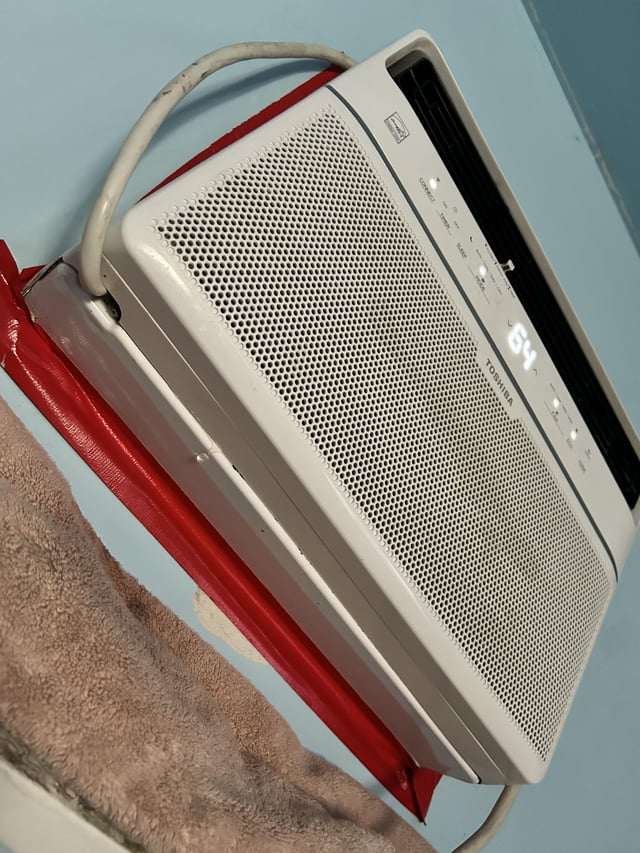
Is your Toshiba air conditioner leaking water and leaving you worried? You’re not alone.
When your AC starts dripping inside your home, it can cause damage and frustration. But don’t panic—understanding why this happens is the first step to fixing it quickly. You’ll discover the common reasons behind your Toshiba air conditioner leaking water and simple solutions you can try right away.
Keep reading to protect your home and get your AC working perfectly again.
Common Causes Of Leaks
Water leaking from a Toshiba air conditioner is a common issue. It can cause damage and reduce the unit’s efficiency.
Understanding the common causes helps you fix the leak fast and avoid bigger problems.
Clogged Drain Line
The drain line can get blocked by dirt, dust, or algae. This stops water from flowing out properly.
- Causes water to back up inside the unit
- Leads to water leaking indoors
- Needs regular cleaning to keep clear
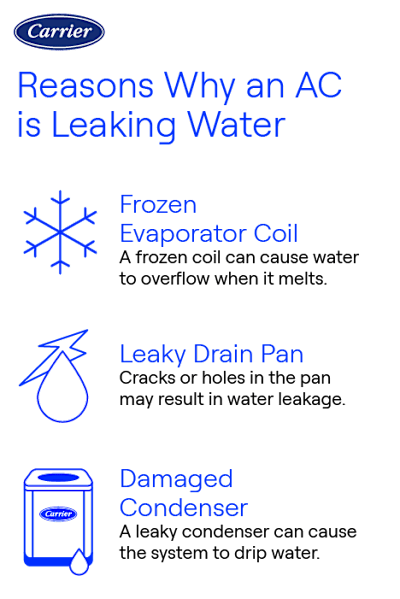
Frozen Evaporator Coil
When the evaporator coil freezes, it melts and creates excess water. This water can leak if the drain system is not working well.
Improper Installation
If the air conditioner is not installed right, it may tilt the wrong way. This stops water from draining properly.
- Unit not level
- Drain pipe not connected tightly
- Leaks start soon after installation
Damaged Drain Pan
The drain pan holds water that drips from the coil. If it cracks or rusts, water will leak out.
| Damage Type | Effect |
| Cracks | Water leaks outside the pan |
| Rust | Weakens pan, causes holes |
| Blockage | Water overflow |
Low Refrigerant Levels
Low refrigerant makes the coil too cold. This causes ice to form and melt into water that can leak.
Credit: www.carrier.com
How To Inspect Your Ac
Water leaking from your Toshiba air conditioner can cause damage. It is important to check the unit carefully.
Inspecting your AC helps find the cause of the leak. This guide shows simple checks you can do yourself.
Checking The Drain Line
The drain line moves water away from the AC. If it is blocked, water can leak inside your home.
Look for any dirt or debris clogging the drain line. Clear it with a wet-dry vacuum or a long brush.
- Locate the drain line outside your home
- Check for visible blockages
- Use a vacuum to suck out clogs
- Flush with water to ensure flow
Examining The Drain Pan
The drain pan catches water from inside the AC. If it is cracked or rusted, water can leak out.
Look under the AC for the pan. Check for holes, rust, or water overflow signs.
- Turn off the AC before checking
- Use a flashlight to see clearly
- Replace or repair damaged pans
- Keep the pan clean to avoid clogs
Looking For Ice Build-up
Ice can form on the AC coils if airflow is poor. When it melts, water leaks from the unit.
Check the coils for frost or ice. Turn off the AC and let the ice melt before use.
- Inspect the evaporator coils inside the unit
- Look for white or clear ice patches
- Check air filters and clean if dirty
- Make sure vents are not blocked
Assessing Refrigerant Levels
Low refrigerant causes ice build-up and leaks. Only professionals should check refrigerant levels.
If your AC is leaking water and you see ice, call a technician. They will measure and refill refrigerant if needed.
Quick Fixes You Can Try
A leaking Toshiba air conditioner can cause water damage and reduce cooling. Fixing simple issues might stop the leaks quickly. Try these easy steps before calling a technician.
Most leaks happen because of blocked or damaged parts. You can check and fix these parts yourself safely.
Clearing The Drain Line
The drain line can get clogged with dirt or algae. This blocks water from flowing out and causes leaks. Cleaning the drain line often stops the water from leaking.
Use a wet/dry vacuum or a pipe cleaner to clear the line. Push it gently to remove the blockage. Flush with water to check flow.
- Turn off the AC and power supply
- Locate the drain line outside your home
- Use a vacuum or pipe cleaner to clear the clog
- Flush with water to ensure it flows freely
- Turn the AC back on and watch for leaks
Thawing The Evaporator Coil
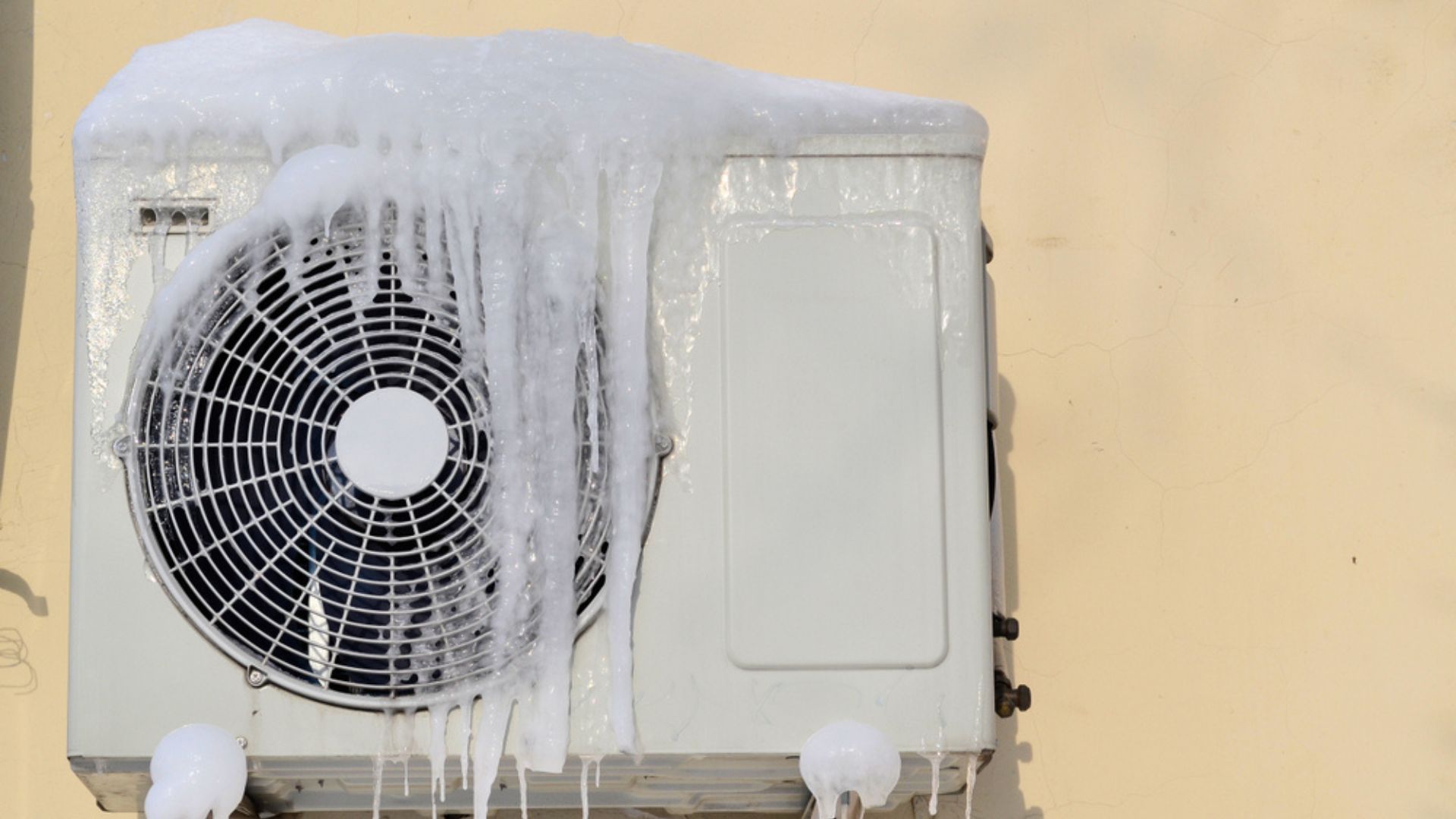
The evaporator coil can freeze and block water flow. Ice buildup makes water drip inside your home. Thawing the coil stops the leak.
Turn off the AC and let the ice melt. You can use a fan or a hairdryer on low heat. Avoid sharp tools to break the ice.
- Switch off your AC unit
- Let the ice melt naturally or use a fan
- Use a hairdryer on low heat if needed
- Do not use sharp objects to chip ice
- Turn the AC back on after thawing
Realigning The Unit
If your AC unit is not level, water may leak from the drain pan. Check if the unit is tilted or uneven. Realigning the unit helps water flow correctly.
Use a level tool to check the position. Adjust the unit by raising or lowering the sides. Make sure it drains water toward the drain line.
- Turn off the AC and unplug it
- Place a level tool on the unit
- Adjust the unit to make it level
- Check that water drains toward the drain line
- Power on the AC and monitor for leaks
Replacing The Drain Pan
The drain pan holds water before it drains out. If it is cracked or rusted, water leaks inside your home. Replacing the pan stops leaks caused by damage.
Inspect the drain pan for holes or rust. Buy a new pan that fits your model. Turn off the AC, remove the old pan, and install the new one carefully.
- Turn off and unplug your air conditioner
- Locate and inspect the drain pan
- Remove the damaged drain pan
- Install a new drain pan made for your AC
- Turn the AC on and check for leaks
Credit: orzechheating.ca
When To Call A Professional
Water leaking from your Toshiba air conditioner is a sign that something is wrong. Some leaks are easy to fix yourself. Others need a professional to check the unit.
Knowing when to call a technician can save you money and stop damage to your home. Below are key signs you should not ignore.
Persistent Leaks
If your air conditioner leaks water often, it may have a clogged drain or broken parts. Fixing this needs skill and tools. A professional can clean and repair the system safely.
- Water pools near the unit every time it runs
- Leaks continue after simple cleaning
- Signs of water damage on walls or floor
Refrigerant Issues
Low refrigerant causes ice to form on coils. When ice melts, it creates water leaks. This problem needs a professional to handle refrigerant safely.
| Symptom | What It Means |
| Ice build-up on coils | Low refrigerant levels |
| Unit not cooling well | Possible refrigerant leak |
| Water dripping inside | Melting ice from coils |
Electrical Problems
Electrical faults can cause the unit to stop working properly, leading to water leaks. Only a trained technician should check electrical parts to avoid risks.
- Air conditioner turns on and off randomly
- Burning smell near the unit
- Unit does not respond to controls
Preventive Maintenance Tips
Keeping your Toshiba air conditioner in good shape helps stop water leaks. Regular care prevents damage and keeps the air clean.
Simple maintenance steps save money and improve your AC’s lifespan. Focus on three main areas for best results.
Regular Filter Cleaning
Dirty filters block airflow and cause water to build up inside the unit. Clean filters make your AC work well and stay dry.
- Remove filters every month.
- Wash with warm water and mild soap.
- Let filters dry completely before putting back.
- Replace filters if they are torn or very dirty.
Scheduled Drain Line Flushes
Drain lines can clog with dirt or mold, causing water to leak inside your home. Flushing the drain line keeps water flowing out.
| Action | Frequency |
| Flush drain line with water | Every 3 months |
| Use a wet-dry vacuum to clear clogs | Every 6 months |
| Check for leaks or cracks | Annually |
Routine System Checks
Regular checks find small problems before they cause leaks. Look for ice buildup, strange noises, and water pools near the AC.
- Inspect the evaporator coil for frost.
- Ensure the unit is level to drain water properly.
- Check the condensate pan for cracks or rust.
- Listen for unusual sounds from the blower fan.
- Schedule a professional checkup once a year.

Credit: www.youtube.com
Frequently Asked Questions
What Causes Toshiba Ac To Leak Water?
Toshiba air conditioners might leak water due to a clogged drain pipe or a dirty air filter. These issues can block water flow, causing it to overflow. Regular maintenance and cleaning can prevent these problems, ensuring efficient operation and preventing leaks.
How Can I Fix A Leaking Toshiba Ac?
To fix a leaking Toshiba AC, first, check and clean the air filter and drain pipe. Ensure the unit is properly leveled. If the problem persists, it may require professional servicing to address any internal issues causing the leak.
Is A Leaking Ac Dangerous?
Yes, a leaking AC can be dangerous as it may cause water damage to your property. Additionally, it can lead to mold growth, which poses health risks. Promptly addressing leaks is crucial to avoid potential hazards and maintain a safe environment.
How Often Should I Service My Toshiba Ac?
To keep your Toshiba AC in optimal condition, service it at least once a year. Regular maintenance prevents issues like leaks and ensures efficient performance. Consider scheduling professional check-ups before peak usage seasons for reliable operation.
Conclusion
A leaking Toshiba air conditioner needs quick attention. Water leaks often mean a clogged drain or frozen coils. Regular cleaning helps prevent these problems. Check the drain pipe and filters often. Small fixes stop bigger damage later. Keep your AC running well and dry.
Don’t ignore leaks; they waste energy and cause harm. Simple care makes your unit last longer. Stay alert to signs and act fast. This keeps your home cool and comfortable.