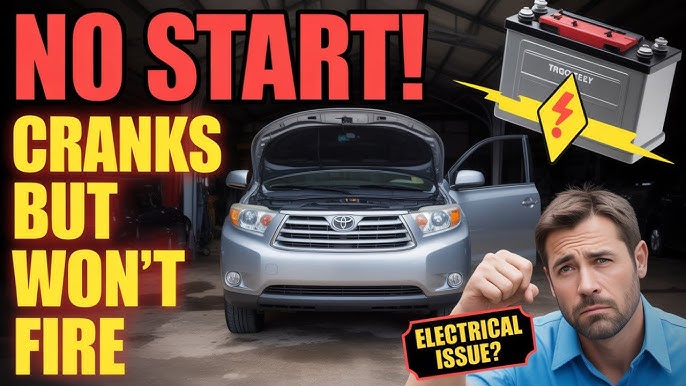
Is your Toyota refusing to start right when you need it most? It’s frustrating, confusing, and can leave you stranded wondering what went wrong.
You rely on your car every day, so when it won’t turn over, it’s natural to feel stuck and unsure where to begin. But don’t worry—you’re not alone, and there are simple reasons behind this problem that you can understand.
Keep reading, because uncovering the cause of your Toyota’s starting trouble is easier than you think, and knowing what to check can save you time, money, and stress. Let’s get to the bottom of why your Toyota isn’t starting and help you get back on the road quickly.
Common Reasons Toyota Fails To Start
When your Toyota refuses to start, it can be frustrating and stressful. Understanding the common reasons behind this issue can save you time and money. Let’s look at the most frequent causes that stop your Toyota from starting and what you can do about them.
Dead Or Weak Battery
A dead or weak battery is often the first suspect when your Toyota won’t start. Batteries lose their charge over time or can fail suddenly, especially in extreme weather. If your dashboard lights are dim or flickering, your battery might need a jump start or replacement.
Have you ever tried turning the key only to hear a clicking sound? That’s a classic sign the battery isn’t supplying enough power. Testing your battery voltage with a multimeter can quickly tell you if it’s the culprit.
Faulty Starter Motor
The starter motor is responsible for turning the engine over when you turn the key. If it’s worn out or damaged, your Toyota won’t start even if the battery is fine. You might hear a grinding noise or no noise at all when trying to start.
Replacing a starter motor can be costly, but diagnosing it early can prevent being stranded. Sometimes tapping the starter gently with a tool can get it working temporarily, giving you time to arrange repairs.
Ignition Switch Issues
Your ignition switch sends power to the starter and other essential systems. A faulty switch can cause intermittent starting problems or complete failure. You might notice accessories like lights or radio not turning on when the key is in the “on” position.
Have you experienced your key feeling loose or hard to turn? These can be warning signs your ignition switch needs inspection or replacement.
Fuel System Problems
If your Toyota cranks but doesn’t start, fuel delivery could be the problem. Issues like a clogged fuel filter, failing fuel pump, or empty gas tank prevent the engine from getting the fuel it needs. A sudden loss of power or sputtering before stalling also point to fuel system trouble.
Check your fuel gauge regularly and listen for the fuel pump’s humming sound when you turn the key. Ignoring these signs can lead to more serious engine damage.
Engine Timing Errors
Engine timing controls when valves open and close in relation to piston movement. If the timing belt or chain slips or breaks, your Toyota won’t start or may run very poorly. This problem can cause serious engine damage if not addressed promptly.
Have you noticed strange noises from the engine or rough running before the no-start situation? These are red flags to have your timing components checked immediately.
Security System Lockout
Your Toyota’s security system can sometimes prevent the engine from starting if it doesn’t recognize the key or detects a possible theft. This lockout can be confusing because the key looks fine, but the car won’t turn over.
If you see a flashing security light on the dashboard or the engine suddenly stops after starting, your security system might be at fault. Try using a spare key or resetting the system to see if that resolves the issue.

Credit: us.haynes.com
Battery Troubles And Solutions
Battery problems are a common reason why your Toyota may not start. The battery provides the power needed to crank the engine. Without a good battery, your car will fail to turn on. Understanding battery issues helps you fix the problem fast.
Checking Battery Health
Start by inspecting the battery for visible damage or corrosion. Corroded terminals can block power flow. Clean the terminals gently with a brush if you see white or green buildup.
Use a multimeter to check the battery voltage. A healthy battery shows around 12.6 volts when the car is off. Lower voltage means the battery may be weak or dead.
Look for signs like slow engine cranking or dim lights. These often point to battery problems.
Jump Starting Techniques
Jump starting can bring a dead battery back to life temporarily. You need jumper cables and another vehicle with a good battery.
- Connect the red cable to the positive terminal of the dead battery.
- Attach the other red cable end to the positive terminal of the good battery.
- Connect one black cable end to the negative terminal of the good battery.
- Attach the other black cable end to an unpainted metal part on the dead car’s engine.
- Start the working car and let it run for a few minutes.
- Try starting your Toyota. If it starts, let it run to recharge the battery.
Remove the cables in reverse order. Avoid sparks and keep cables away from moving parts.
Replacing The Battery
When the battery is old or damaged, replacement is the best option. Most car batteries last 3-5 years.
Buy a battery that matches your Toyota’s specifications. Check size, voltage, and cold-cranking amps.
Wear gloves and safety glasses during replacement. Remove the negative cable first, then the positive.
Place the new battery securely in the tray. Connect the positive cable first, then the negative.
Dispose of the old battery properly at a recycling center.
Starter Motor Fixes
The starter motor is the heart of your Toyota’s ignition system. If your car isn’t starting, the starter motor might be the culprit. Understanding how to spot starter motor problems and knowing what fixes are available can save you time and money.
Signs Of Starter Failure
You might hear a clicking noise when you turn the key but the engine doesn’t crank. This is a classic sign the starter motor is struggling. Other symptoms include a grinding noise, slow cranking, or no sound at all when you try to start your Toyota.
Sometimes your dashboard lights up, but the engine remains silent. That means electrical power is reaching the starter, but it’s not functioning correctly. Have you ever noticed your car hesitating only to start after several tries? That’s another red flag.
Testing The Starter
Testing the starter motor doesn’t require fancy tools. You can start by checking the battery voltage to ensure it’s fully charged, as a weak battery can mimic starter issues. Next, inspect the wiring for loose or corroded connections that might block power flow.
If those look fine, listen closely when you turn the key. A rapid clicking sound often points to a faulty solenoid or starter motor. Using a multimeter, you can test for voltage at the starter terminal—no voltage means the problem might be elsewhere in the circuit.
Repair And Replacement Options
Minor starter problems like loose connections or worn brushes can often be repaired at home or by a mechanic. Cleaning terminals and tightening connections is a simple fix that sometimes gets your Toyota starting again.
If the starter motor itself is damaged, replacing it is usually the best option. New starters vary in price, but investing in a quality replacement can prevent repeated issues. Would you prefer a brand-new starter or a rebuilt one? Rebuilt starters cost less but may have a shorter lifespan.
Remember, addressing starter motor issues early can prevent you from being stranded unexpectedly. Keep an ear out for unusual noises and don’t ignore slow or failed starts.
Fuel Delivery Issues
Your Toyota not starting can be frustrating. One common cause is fuel delivery issues. These problems can prevent the engine from getting the fuel it needs. Understanding the potential causes helps solve the issue quickly. Let’s explore some common fuel delivery problems.
Clogged Fuel Filter
The fuel filter keeps dirt out of the engine. Over time, it can get clogged. A clogged filter blocks fuel flow. This can prevent your car from starting. Regular filter changes can prevent this issue. Always check your vehicle’s manual for the right replacement schedule.
Fuel Pump Malfunction
The fuel pump moves fuel from the tank to the engine. If it fails, fuel won’t reach the engine. Signs of a failing pump include sputtering and power loss. Listen for unusual sounds from the fuel tank. If you suspect a problem, have a mechanic inspect it promptly.
Fuel Quality Concerns
Poor fuel quality affects engine performance. Contaminated or low-grade fuel can cause starting issues. Always use fuel from reputable stations. Check for water or debris in the fuel tank. If needed, use a fuel system cleaner to remove impurities.
Ignition And Security Glitches
Ignition and security glitches often cause Toyota cars not to start. These issues block the engine from turning over. Faulty ignition switches and immobilizer problems are common culprits. Understanding these faults helps diagnose the problem fast. Proper care and troubleshooting can get your car running again.
Troubleshooting Ignition Switch
The ignition switch sends power to the starter motor. A bad switch may prevent the car from starting. Signs of a faulty ignition switch include:
- No dashboard lights when turning the key
- Car stalling while driving
- Difficulty turning the key
Check for loose wiring around the ignition switch. Use a multimeter to test voltage flow. Replace the switch if it shows no current. Avoid forcing the key; this may cause further damage.
Dealing With Immobilizer Problems
The immobilizer stops unauthorized car use by disabling the engine. It works with the key’s chip. If the immobilizer malfunctions, the car won’t start. Common signs include a blinking security light and no engine crank.
Try using a spare key to bypass chip errors. Reset the immobilizer by locking and unlocking the doors with the remote. If problems persist, visit a dealership for reprogramming. Avoid trying to disable the immobilizer yourself; this can cause more issues.
Credit: www.toyotaofrichardson.com
Quick Tips To Get Toyota Running
Getting your Toyota to start again can be simple with a few quick tips. Sometimes, small issues stop the engine from turning over. These easy steps help fix common problems fast. They save time and avoid stress. Follow these tips to check your car and get it running smoothly.
Resetting Electronic Systems
Toyotas rely on electronic systems to start properly. A glitch in the system can prevent ignition. Resetting these systems can clear errors. Try this:
- Turn off the ignition and remove the key.
- Disconnect the negative battery cable.
- Wait for 10 to 15 minutes to reset the system.
- Reconnect the battery cable firmly.
- Try starting the car again.
This simple reset can solve minor electronic faults blocking your start.
Basic Maintenance Checks
Look over basic parts that affect starting. Check the battery first. A dead or weak battery stops your Toyota from starting. Inspect battery terminals for corrosion or looseness. Make sure fuel is enough. A low fuel level causes no start issues. Check spark plugs for dirt or wear. Dirty plugs can stop ignition. Also, check the starter motor and ignition switch for signs of damage.
- Battery charge and terminals
- Fuel level
- Spark plugs condition
- Starter motor and ignition switch
Keeping these parts in good condition helps avoid start problems.
When To Call A Professional
Some problems need expert help. If your Toyota still won’t start after checks, call a mechanic. Complex issues like fuel pump failure or electronic control unit faults need tools and knowledge. Avoid trying repairs beyond your skill. A professional will diagnose and fix the root cause quickly. Save time and prevent damage by getting expert support.

Credit: us.haynes.com
Frequently Asked Questions
Why Won’t My Toyota Start But The Battery Is Fine?
A healthy battery doesn’t guarantee ignition. Check the starter motor, ignition switch, or fuel delivery system for issues. Faulty spark plugs or a bad alternator can also prevent your Toyota from starting despite a good battery.
How To Diagnose A No-start Toyota Engine?
Listen for clicking sounds or complete silence when turning the key. Check battery voltage, fuel level, and spark plug condition. Use an OBD-II scanner to identify error codes related to ignition or fuel systems.
Can A Faulty Fuel Pump Cause Toyota Starting Problems?
Yes, a bad fuel pump can stop fuel from reaching the engine. This prevents combustion and causes starting failure. Listen for a humming sound near the fuel tank when turning the key to test if the pump works.
What Role Does The Immobilizer Play In Toyota Not Starting?
The immobilizer prevents unauthorized engine starts. If the key or its chip is damaged, the immobilizer may block ignition. Try using a spare key or resetting the system to resolve this issue.
Conclusion
A Toyota that won’t start can cause real stress. Check the battery first; weak or dead ones are common. Listen for clicking sounds or no noise at all. Fuel issues or a faulty starter might also stop the engine. Regular maintenance helps avoid these problems.
Don’t ignore warning signs or strange noises. Seek help from a mechanic if needed. Staying calm and checking basics saves time and money. Your Toyota will run smoothly again with proper care.