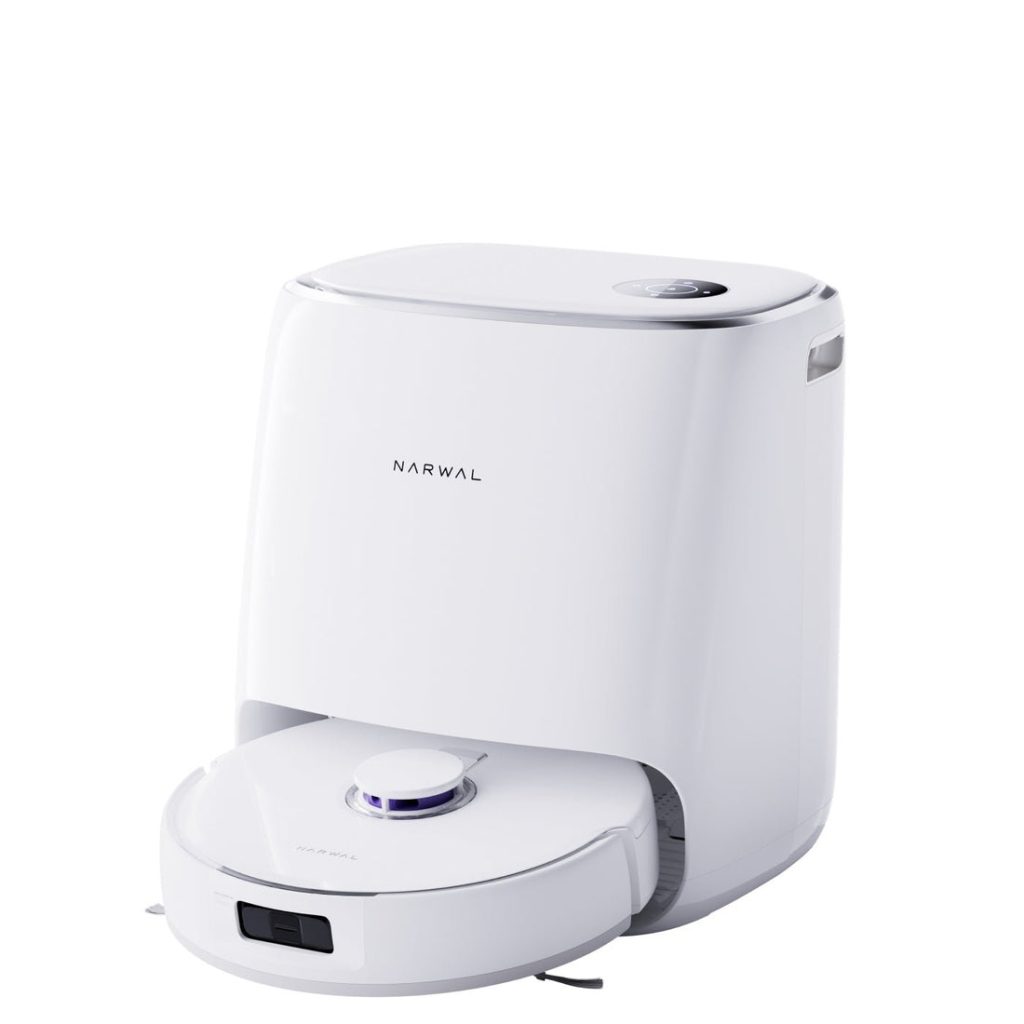
Have you ever turned on your vacuum cleaner only to see smoke coming out of it? It’s a scary sight and can make you worry about safety and damage.
You might be asking yourself, “Why is my vacuum smoking? ” Understanding the reasons behind this problem can save your vacuum and even prevent a fire hazard. You’ll discover the common causes of a smoking vacuum and easy steps you can take to fix it.
Keep reading to protect your home and get your vacuum working smoothly again.
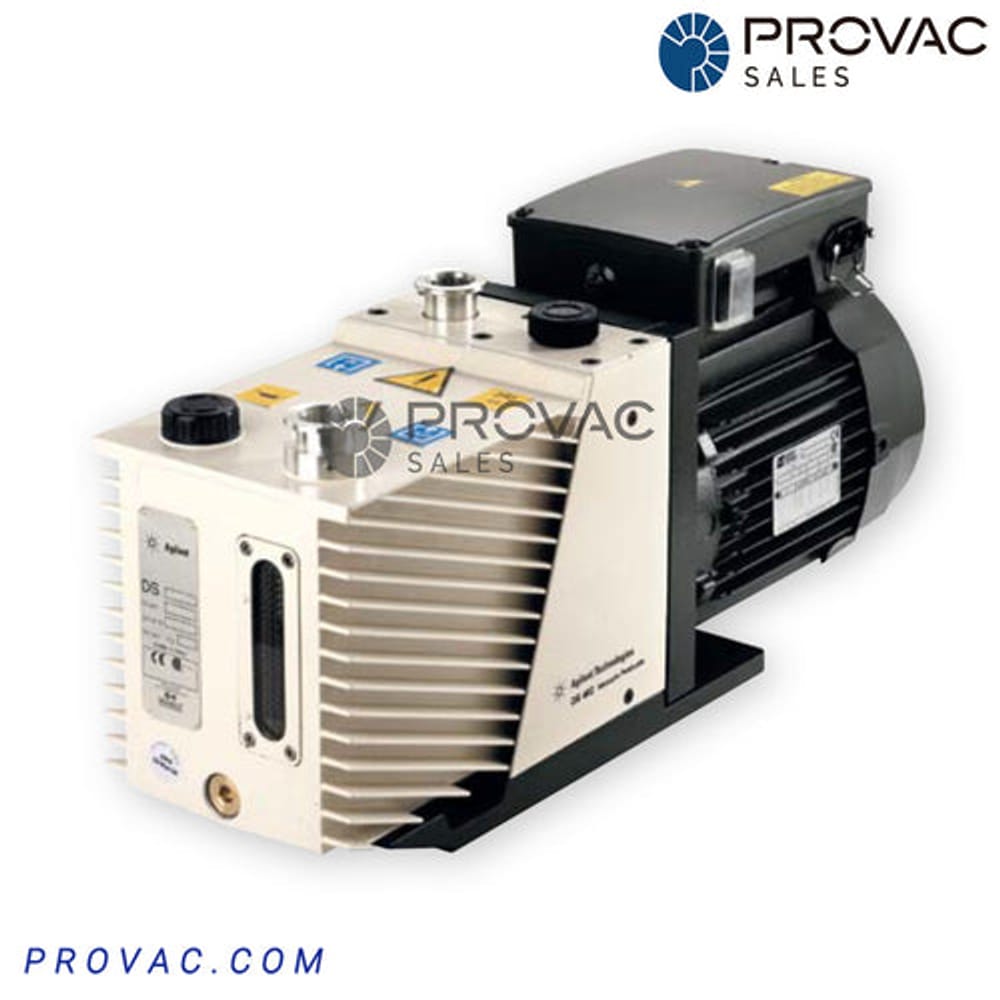
Credit: www.provac.com
Common Reasons For Vacuum Smoking
Seeing smoke coming from your vacuum can be alarming. It’s a clear sign something is wrong, and ignoring it could lead to costly repairs or even a fire hazard. Understanding the common reasons behind vacuum smoking helps you act quickly and safely to fix the problem.
Clogged Filters And Hoses
Clogged filters and hoses restrict airflow, causing your vacuum to work harder than it should. This extra strain can make the motor overheat and emit smoke. Have you checked your vacuum’s filter or hose for blockages recently? Removing hair, dust, or debris buildup can often stop the smoke instantly.
Overheated Motor
Your vacuum’s motor can overheat if it runs too long or is stressed by blockages. Overheating may produce a burning smell and visible smoke. If your vacuum shuts off suddenly or feels hot to the touch, it’s a sign the motor needs a break or professional inspection to avoid permanent damage.
Debris In Brush Roll
Debris wrapped tightly around the brush roll can cause friction and lead to smoke. Items like strings, hair, or fabric scraps can get stuck and make the brush roll struggle to spin properly. Regularly cleaning the brush roll keeps your vacuum running smoothly and prevents overheating.
Electrical Issues
Electrical problems, such as damaged wiring or a faulty switch, can cause sparks or smoke inside your vacuum. These issues are risky and require immediate attention. If you smell burning plastic or see smoke near electrical components, unplug the vacuum and consider professional repair to keep yourself and your home safe.
How To Identify The Source Of Smoke
Smoke coming from a vacuum can be alarming. Finding the source is important for safety and repair. You can check several parts to spot the problem quickly. Start by examining common areas where smoke can begin. Understanding these signs helps prevent damage and keeps your vacuum working well.
Checking The Filter And Bag
A clogged filter or full bag often causes smoke. Dirt blocks airflow and overheats the motor. Remove the bag or empty the dustbin. Inspect the filter for dirt and dust buildup. Clean or replace the filter if it looks dirty. A clean filter helps air flow freely and stops smoke.
Inspecting The Brush Roll
The brush roll can get tangled with hair and debris. This causes extra friction and heat. Turn off the vacuum and unplug it first. Look under the vacuum to see the brush roll. Remove any hair, string, or dirt wrapped around it. A clean brush roll spins easily and avoids smoking.
Examining The Motor Area
Smoke may come from the motor if it overheats. Check around the motor for dust or burnt smells. Ensure the motor vents are not blocked. Overheating motors often need professional repair. Avoid using the vacuum until the motor cools down and the problem is fixed.
Detecting Electrical Smells
Burning plastic or electrical odors signal wiring issues. These smells often come with smoke or sparks. Unplug the vacuum immediately for safety. Check power cords and plugs for damage. If you find any frayed wires, do not use the vacuum. Electrical problems need expert attention to avoid fire risk.
Quick Fixes For Vacuum Smoking
Seeing smoke come from your vacuum can be alarming, but often, the solution is simpler than you think. Quick fixes usually involve checking key parts of your vacuum that may be clogged, dirty, or stuck. Taking a few minutes to inspect and maintain these areas can save you from costly repairs or replacements.
Cleaning Or Replacing Filters
Filters trap dust and dirt, but they can get clogged over time. A dirty filter restricts airflow, causing the vacuum to overheat and potentially smoke. Check your vacuum’s manual to find the filter location and either wash it if it’s reusable or replace it if it’s disposable.
Have you noticed less suction power lately? That’s a clear sign your filter needs attention. Regular filter maintenance keeps your vacuum running smoothly and prevents overheating.
Clearing Blockages
Blockages in the hose or brush area can cause your vacuum to work harder than it should. This extra strain can lead to motor overheating and smoke. Detach the hose and check for clogs by shining a flashlight inside or using a long object to gently push debris out.
Don’t forget to inspect the air pathways near the brush roll and intake vents. Clearing these blockages not only stops the smoke but also improves cleaning performance. When was the last time you checked for hidden debris in your vacuum?
Lubricating Or Replacing Brush Roll
If the brush roll is stuck or not spinning freely, it creates friction that can cause smoke. Hair, threads, and dirt often wrap around the brush, restricting its movement. Carefully remove the brush roll and clean it, or apply a light lubricant if your model allows.
In some cases, the brush roll bearings wear out and need replacement. If you hear unusual noises or see the brush roll barely turning, it might be time to get a new one. Keeping the brush roll in good shape helps your vacuum clean better and stay cool.
Resetting The Vacuum
Most modern vacuums come with a reset button to protect the motor from overheating. If your vacuum smokes, it might have overheated and shut down automatically. Locate the reset button, usually near the power cord or underneath the machine, and press it after letting the vacuum cool down.
Have you tried turning your vacuum off and on again? Sometimes, a simple reset can fix the problem and prevent smoke without any extra hassle. This small step can get you back to cleaning quickly and safely.
Credit: us.narwal.com
Preventive Measures To Avoid Smoking
Preventing your vacuum from smoking is easier than you might think. Small habits and timely care can save you from costly repairs and frustrating breakdowns. Let’s look at practical ways you can keep your vacuum running smoothly and smoke-free.
Regular Maintenance Tips
Clean or replace vacuum filters regularly to avoid blockages that cause overheating. Check the brush roll for tangled hair or debris, which can strain the motor.
Empty the dustbin or bag before it gets too full; a clogged vacuum has to work harder and may start smoking. Inspect the power cord for any damage—frayed wires can lead to electrical issues.
Have you noticed your vacuum’s suction dropping? That’s often a sign it needs a thorough clean or filter change. Keeping up with these small tasks can prevent smoke and extend your vacuum’s life.
Proper Usage Practices
Don’t run your vacuum over large objects or thick rugs that it’s not designed for. This can cause the motor to overheat quickly and produce smoke.
Use your vacuum in short bursts if you’re cleaning a large area, giving it time to cool down between sessions. Avoid blocking the air vents during use; restricted airflow leads to overheating.
Ask yourself if you’re pushing the vacuum too hard or using it on surfaces it wasn’t made for. Adjusting your cleaning habits can make a big difference.
Choosing The Right Attachments
Select attachments that match the floor type you’re cleaning. Using a hard floor attachment on carpet can cause excessive strain and overheating.
Make sure attachments fit securely to avoid air leaks that reduce suction and increase motor workload. Some vacuums even offer specialized tools for pet hair or delicate surfaces.
Have you checked if your vacuum’s attachments are compatible? Using the right tools helps your vacuum work efficiently and prevents smoking.
When To Seek Professional Help
If you notice persistent smoke despite following all preventive steps, it’s time to call a professional. Electrical or motor issues need expert diagnosis and repair to avoid hazards.
Don’t ignore burning smells or unusual noises—they often signal deeper problems. Regular professional check-ups can catch issues before they cause damage.
Could a quick repair save your vacuum? Sometimes, a skilled technician can fix problems that seem overwhelming to you.
Credit: us.narwal.com
Frequently Asked Questions
Why Is My Vacuum Emitting Smoke?
If your vacuum is emitting smoke, it could be due to a clogged filter or hose. Check for blockages and clear any obstructions. A damaged belt can also cause smoking. Ensure it is intact and properly aligned. Regular maintenance helps prevent such issues.
Can A Burning Smell Indicate Vacuum Problems?
Yes, a burning smell often indicates a problem with your vacuum. It could mean the motor is overheating or the belt is slipping. Check for clogs and ensure the belt is in good condition. Regular maintenance can help prevent these issues.
How Do I Fix A Smoking Vacuum?
To fix a smoking vacuum, first unplug it immediately. Check for clogs in the hose and filters. Inspect the belt for signs of wear or damage. Replace any faulty parts. Regular cleaning and maintenance can prevent future problems.
Is It Safe To Use A Smoking Vacuum?
Using a smoking vacuum is unsafe. It can cause further damage or even a fire hazard. Immediately unplug the vacuum and inspect it for issues. Address the problem before using the vacuum again. Regular maintenance ensures safe and efficient operation.
Conclusion
A vacuum smoking is a sign of trouble inside. Check the filters and bags often. Clean or replace them to stop smoke. Avoid running the vacuum too long. Keep the motor cool and clear of dust. Regular care helps your vacuum last longer.
Don’t ignore unusual smells or smoke. Fix problems early to save money. Your vacuum will work better and safer this way. Simple steps keep your home clean and fresh.