
Is your window air conditioner suddenly spitting water inside your room? This unexpected drip can be frustrating and worrying.
You might wonder if your AC is broken or if there’s a bigger problem lurking. The truth is, water coming from your unit is a common issue with simple causes—and easy fixes. Keep reading to find out why your window air conditioner is spitting water and how you can stop it before it damages your space.
Common Reasons For Water Leakage
Window air conditioners can sometimes leak water. This is a common problem many people face. Understanding why it happens helps you fix it quickly.
Water leakage can harm your walls and floors. It also means your air conditioner is not working well. Let’s look at common causes of this issue.
Clogged Drainage System
Air conditioners remove moisture from the air. This moisture turns into water inside the unit. The drainage system lets this water flow outside.
If the drainage hole or pipe gets clogged with dirt or mold, water cannot escape. This causes water to spill inside your home.
- Dirt blocks the drain hole
- Mold grows in the drainage pipe
- Drain pan gets cracked or damaged
Improper Installation
Installing a window air conditioner wrong can cause water leaks. The unit must tilt slightly outside. This lets water drain properly.
If the air conditioner is flat or tilted inward, water collects inside. This water spills over and leaks into your room.
- Unit not tilted correctly
- Seals around the unit are loose
- Gaps let water enter indoors
Dirty Air Filters
Air filters catch dust and dirt in the air. When filters are dirty, air flow slows down. This can cause moisture to build up inside.
With poor air flow, water may not evaporate well. The water then drips inside instead of draining outside.
- Filters clogged with dust
- Reduced air flow inside the unit
- Water collects instead of draining
Frozen Evaporator Coils
Evaporator coils cool the air inside the unit. Sometimes, these coils freeze due to low refrigerant or dirt buildup. Ice forms on the coils.
When the ice melts, it creates excess water. This water can overflow and leak inside your home.
- Low refrigerant levels cause freezing
- Dirty coils block airflow
- Ice melts and causes water spills

Credit: northnjhvac.com
How Water Forms Inside The Unit
Window air conditioners often produce water inside the unit. This happens because of the air cooling process. The cold parts inside the unit cause moisture to build up.
Understanding how water forms helps explain why your air conditioner might spit water. It all starts with condensation and temperature differences.
Condensation Process
Condensation happens when warm air meets a cold surface. The air cools down and turns its moisture into water droplets. Inside an air conditioner, the cold coil causes this change.
The coil cools the air and removes moisture. This water then drips inside the unit. If the water does not drain properly, it can build up and spit out.
Role Of Temperature Differences
Temperature differences between the inside and outside air cause water to form. Warm, humid air from the room hits the cold coils. The air cools quickly and loses moisture.
When the cold coil temperature is very low, more water forms. This water collects and needs to drain away. If the drain is blocked, water can leak or spit out.
- Warm air holds more moisture than cold air
- Cold coils cool air and cause moisture to condense
- Water must drain to avoid buildup and spitting
Fixing Drainage Issues
Your window air conditioner may spit water because of drainage problems. Water should drain away smoothly to avoid leaks.
Fixing drainage issues helps your air conditioner work better and stops water from spilling inside.
Cleaning The Drain Pan
The drain pan collects water that drips from the cooling coils. Dirt can block it and cause overflow.
Clean the drain pan regularly to remove dirt and prevent water from spilling out.
- Turn off the air conditioner and unplug it.
- Remove the front cover to access the drain pan.
- Use a cloth or sponge to wipe out dirt and mold.
- Rinse with warm water if needed and dry the pan well.
- Put the cover back and turn on the unit.
Unclogging The Drain Pipe
The drain pipe carries water from the drain pan outside. It can get clogged with dirt or algae.
Clear the drain pipe to allow water to flow out without backing up and causing leaks.
- Locate the drain pipe at the back or bottom of the air conditioner.
- Use a wet-dry vacuum to suck out any clog from the pipe.
- Flush the pipe with a mixture of water and vinegar to kill algae.
- Check that water flows freely through the pipe after cleaning.
Maintaining Air Filters And Coils
Keeping your window air conditioner’s air filters and coils clean helps it run smoothly. Dirty filters and coils can cause water to spit out of the unit.
Regular maintenance prevents blockages that lead to water buildup and leaks. Let’s look at simple ways to keep these parts clean and when to replace filters.
Regular Cleaning Tips
Clean air filters and coils at least once a month during use. This stops dust and dirt from blocking airflow and causing water to drip inside.
- Turn off and unplug the air conditioner before cleaning.
- Remove the air filter and wash it gently with warm water and mild soap.
- Let the filter dry completely before placing it back in the unit.
- Use a soft brush or vacuum to clean the coils carefully.
- Check the drain pan and drain hole for clogs and clear any blockages.
When To Replace Filters
Air filters lose effectiveness over time and need replacement. Look for these signs to know when to change the filter:
| Sign | Reason | Recommended Action |
|---|---|---|
| Filter looks torn or damaged | Can no longer block dust well | Replace immediately |
| Filter stays dirty after cleaning | Build-up reduces airflow | Replace soon |
| Unit runs less efficiently | Clogged filter strains the AC | Check and replace if needed |
| More than 3 months of use | Filters wear out with time | Replace regularly |
Ensuring Proper Installation
A window air conditioner may spit water if it is not installed correctly. Proper installation helps the unit drain water safely. This stops water from leaking inside your home.
Checking the installation can fix many common problems. Two important parts are leveling the unit and sealing gaps.
Leveling The Unit
The air conditioner must be slightly tilted outside. This angle helps water flow out and not inside. If the unit is not level, water can collect and drip indoors.
Use a level tool to check the angle. Adjust the unit by adding shims or supports under the frame. Make sure the tilt is just enough for drainage.
- Place the level on top of the unit
- Adjust so the back is lower than the front
- Check that water drains outside through the drain holes
- Tighten screws to keep the unit steady
Sealing Gaps And Openings
Gaps around the air conditioner let warm air and moisture inside. This causes water to form and leak. Sealing these gaps stops air and water problems.
Use weatherstripping or foam to fill spaces between the unit and window frame. Check for cracks or holes and seal them with caulk.
- Inspect all edges around the unit
- Apply weatherstripping on gaps larger than 1/8 inch
- Use caulk for small cracks and holes
- Check seals yearly and replace if damaged
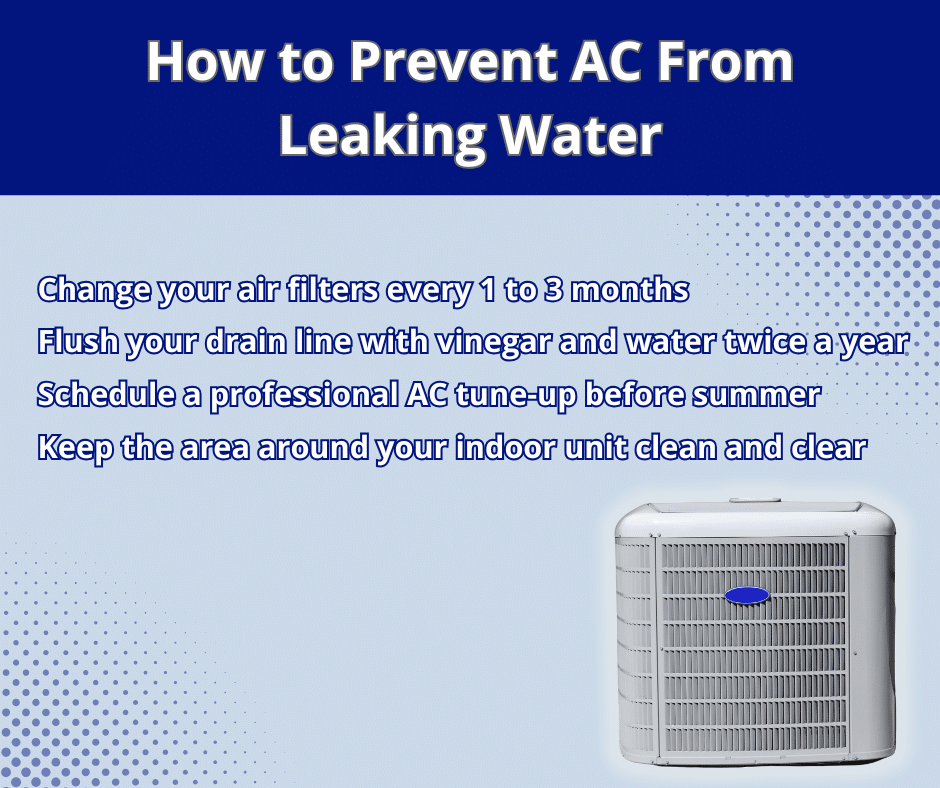
Credit: honorservices.com
Preventing Future Water Problems
Window air conditioners can spit water if they have drainage issues. This problem can damage walls and floors.
Taking care of your air conditioner helps stop water problems before they start. Regular checks keep it working well.
Routine Maintenance Schedule
Cleaning your air conditioner often helps prevent water buildup. Dirt and dust block water from draining correctly.
Check the drain holes and clean the filter every month. This keeps water flowing out as it should.
- Turn off the unit before cleaning
- Remove and wash the filter with warm water
- Clear any dirt from drain holes
- Wipe the inside of the unit to remove dust
- Make sure the unit is tilted slightly backward
Professional Servicing Benefits
Experts can find hidden problems that cause water leaks. They check parts that are hard to reach.
Regular professional service keeps your air conditioner working well longer. It also lowers repair costs.
- Inspect and clean internal parts deeply
- Fix or replace damaged drain pans and tubes
- Check refrigerant levels and refill if needed
- Test the unit for proper drainage
- Give advice on how to use the unit safely

Credit: www.reddit.com
Frequently Asked Questions
Why Is My Ac Leaking Water Inside?
If your AC leaks water inside, it might be due to a clogged drain line or a misaligned unit. Ensure the unit is level and check for blockages. Regular maintenance can prevent this issue by keeping components clean and functioning properly.
How Can I Stop Ac Spitting Water?
To stop your AC from spitting water, clean or replace the air filter regularly. Ensure the unit is level to prevent water buildup. Also, clear any obstructions in the drain line. This maintenance can enhance efficiency and prevent water issues.
Is Water Spitting From Ac Normal?
Water spitting from an AC isn’t normal and indicates a problem. Possible causes include a clogged drain line, dirty filters, or incorrect installation. Addressing these issues can prevent damage and improve performance, ensuring your AC operates efficiently and without water issues.
What Causes Ac To Drip Water?
An AC may drip water due to a blocked drain line or dirty filters. It can also result from a damaged condensate pump. Regular cleaning and maintenance can help prevent these issues, ensuring the AC functions correctly and efficiently, without unwanted water leaks.
Conclusion
Water coming from your window air conditioner is common. It usually means a clogged drain or dirty filter. Cleaning the filter and checking the drain can fix this. Make sure the unit is level to prevent leaks. Regular maintenance keeps your air conditioner working well.
Don’t ignore water issues, as they can cause damage. A little care helps your AC stay efficient and dry. Keep an eye on your unit for any signs of trouble. Simple steps can stop water from spilling out. Stay comfortable and avoid costly repairs by acting early.