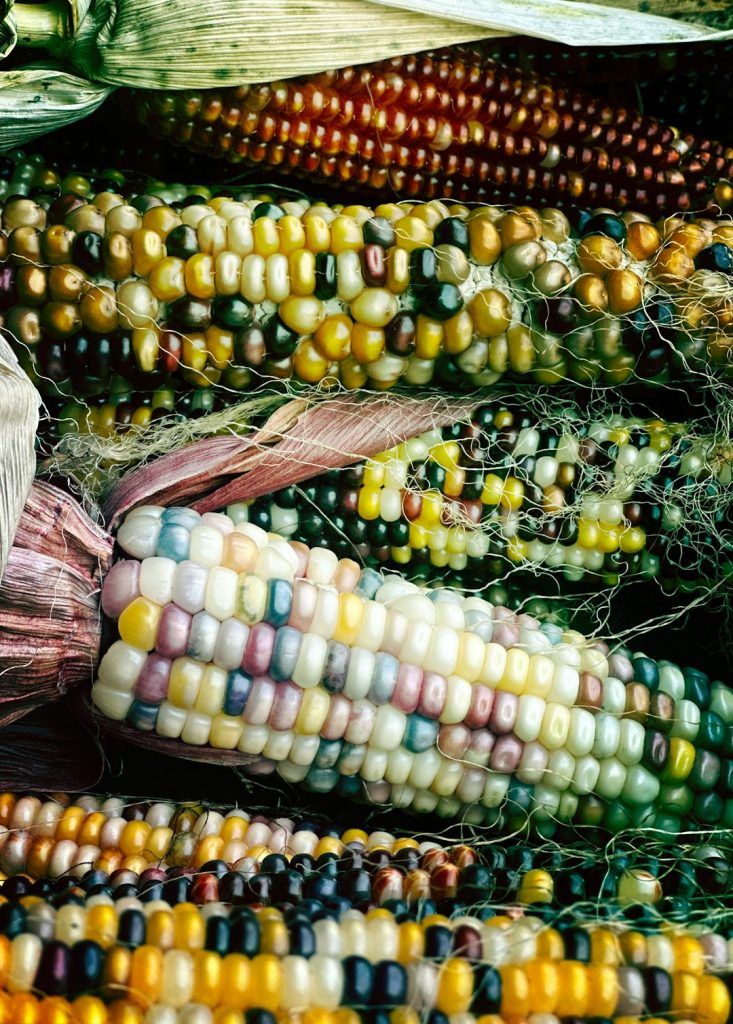
Have you ever wondered what keeps your meals fresh, tasty, and nutritious? The answer lies in the incredible variety of plants that make up our food supply.
Plant diversity isn’t just about having many kinds of fruits and vegetables—it’s the secret ingredient that protects your food from diseases, climate changes, and shortages. Understanding why plant diversity matters can change how you see the food on your plate and why it’s crucial for your health and future.
Keep reading to discover how this natural variety supports the world’s food supply and why it should matter to you.

Credit: phys.org
Plant Diversity And Food Security
Plant diversity is crucial for a stable food supply. It ensures we have a variety of crops to eat.
This diversity helps protect against crop failures and supports global food security.
Role In Crop Resilience
Diverse plants make crops stronger. They can better resist pests and diseases.
- Resistant to different pests
- Withstand harsh weather conditions
- Reduce the need for chemical pesticides
Genetic Resources For Breeding
Genetic diversity is a treasure for plant breeding. It helps develop new crop varieties.
| Crop | Benefit |
| Wheat | Disease resistance |
| Rice | Improved yield |
| Corn | Drought tolerance |
Adaptation To Climate Change
Climate change affects crops worldwide. Diverse plants help us adapt to these changes.

Credit: medium.com
Economic Benefits Of Diverse Crops
Plant diversity plays a key role in the world food supply. Different crops bring many economic advantages to farmers and markets. Diverse crops help create stable incomes and new opportunities.
Growing a variety of plants reduces risks and supports local economies. It also helps farmers adapt to changing conditions and meet different consumer needs.
Supporting Smallholder Farmers
Smallholder farmers grow many types of crops to earn steady incomes. Crop diversity helps them avoid total loss from pests or bad weather. They can sell different products to local markets.
Growing various plants allows farmers to use land more efficiently. It helps maintain soil health and reduce costs for fertilizers and pesticides.
- Reduces risk of crop failure
- Increases chances of income all year
- Improves soil and farm health
Market Opportunities
Diverse crops open new markets for farmers and sellers. Different crops meet the needs of various consumers and food industries. This diversity can increase sales and profits.
Farmers can grow specialty crops that fetch higher prices. They can also respond to changing trends in food demand by offering unique products.
- Access to niche markets
- Higher prices for specialty crops
- Ability to meet diverse consumer needs
Reducing Dependence On Single Crops
Relying on one crop can hurt farmers if prices drop or disease strikes. Plant diversity spreads economic risk across many crops. This helps keep food supplies steady and incomes safe.
Growing many crops also supports local food security. It reduces the chance of shortages caused by pests or climate problems affecting one crop.
- Limits financial risk
- Protects against pests and diseases
- Ensures steady food supply
Nutritional Value And Health
Plant diversity plays a big role in feeding the world. Different plants offer many nutrients that people need. Eating a mix of plants helps keep us healthy.
Using many kinds of plants in food helps fight diseases and improve our well-being. This is why plant diversity is important for the food supply.
Variety In Diets
Eating many different plants gives us a wide range of nutrients. Each plant has unique vitamins and minerals that help our bodies.
People who eat a variety of plants get better nutrition than those who eat only a few types. This helps keep their bodies strong and healthy.
Micronutrient Sources
Plants are rich sources of important micronutrients like vitamins and minerals. These nutrients help our immune system and body functions.
Having many plant types in our diet helps us get enough iron, vitamin A, vitamin C, and other micronutrients. This supports good health.
- Leafy greens provide iron and calcium
- Fruits like oranges give vitamin C
- Carrots are rich in vitamin A
- Legumes offer zinc and protein
Combating Malnutrition
Plant diversity helps fight malnutrition by offering many nutrients. This is important in areas where food is limited or not varied.
Growing and eating many kinds of plants can reduce nutrient deficiencies and improve health in communities worldwide.
Ecological Impact Of Plant Diversity
Plant diversity plays a key role in keeping our food supply safe and steady. Different plants help the environment in many ways. They support the soil, control pests, and help pollinators thrive.
Understanding how plant diversity affects the ecosystem helps us protect the world’s food sources. Healthy ecosystems lead to better crops and a stronger food supply.
Soil Health And Fertility
Diverse plants improve soil health by adding different nutrients. Their roots help break up the soil and keep it loose. This lets water and air reach the roots easily.
Some plants fix nitrogen in the soil, making it richer. Healthy soil grows stronger plants and better food crops.
- Roots add organic matter to the soil
- Different plants cycle various nutrients
- Improved soil structure helps water absorption
- Soil microbes thrive with plant variety
Pest And Disease Control
Having many types of plants reduces pest problems. Some plants repel harmful insects naturally. Others attract beneficial bugs that eat pests.
Plant diversity also lowers the risk of disease spreading. If one plant gets sick, others can still survive and grow.
- Plants produce natural pest repellents
- Supports predators that control pests
- Reduces pest buildup on one crop
- Limits spread of plant diseases
Pollination And Ecosystem Services
Many plants rely on pollinators like bees and butterflies. Diverse plants attract more pollinators. This helps plants produce fruits and seeds.
Plant diversity supports other ecosystem services. It helps control floods, stores carbon, and maintains clean water. These services protect our food supply.
- More flowers attract diverse pollinators
- Pollinators increase crop yields
- Plants help regulate water flow
- Carbon storage reduces climate impacts
Threats To Plant Diversity
Plant diversity is important for the world food supply. It helps protect crops and supports healthy ecosystems.
Several threats reduce plant diversity. These threats can harm food security and the environment.
Habitat Loss And Degradation
Many plants lose their homes due to human activities. Cutting forests and building cities destroy habitats.
When habitats disappear, plants struggle to survive. This reduces the number of plant types available.
- Deforestation removes forest plants
- Urban growth replaces natural areas
- Pollution harms soil and water quality
- Farming can degrade land over time
Monoculture Practices
Monoculture means growing only one crop in large areas. This reduces the variety of plants in farms.
Farming one type of plant makes crops more vulnerable to pests and diseases. It also lowers soil health.
- Less genetic variety in crops
- Higher risk of crop failure
- Increased use of chemicals
- Soil nutrients get used up quickly
Climate Change Effects
Climate change changes temperature and rainfall patterns. These changes affect where plants can grow.
Some plants cannot survive in new climate conditions. This reduces the number of useful food plants.
- Shifts in growing seasons
- More droughts and floods
- New pests and diseases spread
- Loss of wild plant varieties
Conservation Strategies
Plant diversity is key to feeding the world. Protecting this diversity helps keep food safe and available.
Conservation strategies help save different plants. These strategies support farming and the environment.
Seed Banks And Gene Banks
Seed banks store seeds from many plant types. They keep seeds safe for future use.
Gene banks save the genetic information of plants. This helps protect plants from diseases and climate change.
- Store seeds in cool, dry places
- Collect seeds from different plant varieties
- Use stored seeds to grow new plants
Sustainable Farming Practices
Sustainable farming uses methods that protect plants and soil. It keeps the land healthy for growing food.
These practices reduce harm to nature and help keep many plant types alive. They support food diversity.
- Crop rotation to improve soil health
- Use natural pest control instead of chemicals
- Plant cover crops to prevent erosion
Community Involvement
Communities play a big role in protecting plant diversity. Local knowledge helps in saving important plants.
People can share seeds and plant information. This helps keep many types of food plants alive.
- Organize seed sharing events
- Teach about native plants and farming
- Support local farmers who grow diverse crops
Future Directions For Food Security
Plant diversity plays a key role in feeding the growing world population. It helps create strong and resilient crops that can adapt to changes.
This section explores new ways to use plant diversity for a stable food supply in the future.
Innovations In Crop Breeding
Scientists are developing new crop varieties using plant diversity. These crops resist pests, diseases, and extreme weather.
- Using genetic traits from wild plants to improve crops
- Applying gene editing tools for precise changes
- Breeding crops that need less water and fertilizer
- Creating varieties with better nutrition and taste
Integrating Traditional Knowledge
Farmers and indigenous people have used plant diversity for centuries. Their knowledge guides sustainable farming practices.
| Traditional Practice | Benefits |
|---|---|
| Crop rotation | Reduces soil erosion and pests |
| Intercropping | Improves yield and soil health |
| Seed saving | Preserves local plant varieties |
| Natural pest control | Limits chemical use and pollution |
Policy And Global Cooperation
Governments and groups must work together to protect plant diversity. Policies can support research and fair sharing of resources.
- Protect wild habitats and seed banks
- Support farmers using diverse crops
- Share data and technology worldwide
- Create laws for fair use of plant genetics

Credit: medium.com
Frequently Asked Questions
Why Is Plant Diversity Crucial For Global Food Security?
Plant diversity ensures a wide range of crops, protecting against pests and diseases. It supports resilient food systems and helps adapt to climate change, securing food availability worldwide.
How Does Plant Diversity Improve Crop Resilience?
Diverse plant species provide genetic traits that resist pests, diseases, and extreme weather. This resilience helps maintain stable food production even under challenging environmental conditions.
What Role Does Plant Diversity Play In Nutrition?
Different plants offer varied nutrients essential for human health. High plant diversity in diets reduces malnutrition and improves overall food quality and dietary balance.
Can Plant Diversity Help Combat Climate Change Effects?
Yes, diverse plants adapt better to changing climates. They promote soil health, reduce erosion, and enhance carbon sequestration, supporting sustainable agriculture and climate resilience.
Conclusion
Plant diversity protects food crops from diseases and pests. It helps farmers grow healthy, strong plants. Different plants provide many types of nutrition for people. Diverse plants also adapt better to climate changes. This keeps our food supply steady and safe.
Saving plant variety means saving our future meals. We all depend on this natural variety to eat well. Supporting plant diversity is supporting life on Earth. It is a simple step with big benefits for everyone.