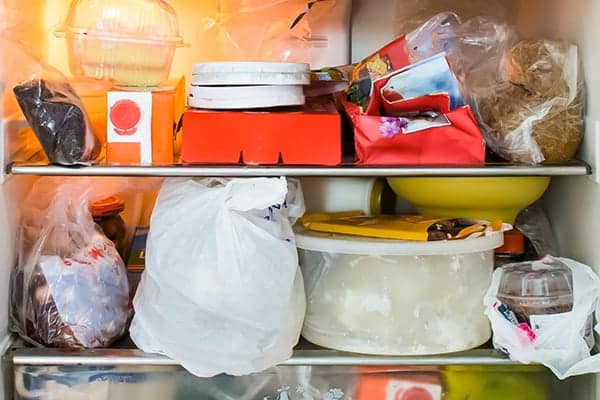
Have you ever opened your refrigerator, eager to grab a crisp salad or a juicy piece of fruit, only to find it frozen solid? If so, you’re not alone.
Many people face the perplexing problem of their refrigerator turning into an unexpected freezer, and it’s more than just an inconvenience. It can lead to food spoilage, unexpected grocery bills, and a lot of frustration. But why is your refrigerator freezing food, and how can you stop it?
Understanding the root causes can save you time, money, and hassle. We’ll unravel the mystery behind this common kitchen dilemma and guide you on how to keep your food just the way you like it—perfectly chilled, not frozen. Read on to discover solutions that can transform your cooling woes into a thing of the past.
Common Reasons For Freezing Food
Noticing your fresh vegetables or leftovers freezing unexpectedly can be frustrating. Understanding why your refrigerator is freezing food helps you fix the issue before your groceries turn into icy blocks. Several common reasons could be causing this problem, and identifying them is the first step to saving your food and energy bills.
Thermostat Set Too Low
Sometimes, the simplest cause is the thermostat being set too cold. If the temperature is below the recommended range (usually around 37°F or 3°C), your food might freeze. Have you checked your fridge’s temperature dial recently? Adjusting it slightly warmer can often stop unwanted freezing.
Blocked Air Vents
Air vents inside the fridge allow cold air to circulate evenly. When these vents get blocked by items or ice buildup, cold air can concentrate in one spot. This causes some food to freeze while other areas stay normal. Try rearranging your items and clearing any blockages to improve airflow.
Faulty Temperature Sensor
Your refrigerator relies on a temperature sensor to maintain the right climate. If this sensor malfunctions, it can send wrong signals, causing the compressor to run too long or short. You might notice inconsistent temperatures or freezing in unexpected places. Testing or replacing the sensor can solve this issue.
Damaged Door Seals
Door seals keep cold air inside and warm air out. When these seals are cracked or worn, warm air sneaks in, causing the fridge to overcool to compensate. This overcooling can freeze your food. Check the seals by closing the door on a piece of paper—if it slips out easily, the seal might need replacing.
Malfunctioning Defrost System
The defrost system prevents frost buildup inside your fridge. If it fails, ice can accumulate and block air circulation, leading to freezing spots. Signs include excessive frost on the walls or trays. A technician can inspect and repair defrost heaters, timers, or sensors to fix the problem.
Credit: www.electrolux.in
Effects Of Overfreezing On Food
Overfreezing food in your refrigerator might seem like a good way to keep it fresh longer, but it can actually cause some unwanted changes. These changes affect how your food feels, tastes, and even how healthy it is. Understanding these effects can help you store food better and enjoy it at its best.
Texture Changes
When food freezes for too long or at too low a temperature, ice crystals form inside it. These crystals can puncture cell walls, making the food mushy once thawed. Have you ever taken out frozen berries only to find them watery and soft? That’s the texture breaking down from overfreezing.
Meats can become tough and dry as well. The freezing process draws out moisture, which you can’t put back once lost. This means your juicy steak might end up chewy and less enjoyable.
Nutrient Loss
Freezing slows down nutrient loss but doesn’t stop it completely. Overfreezing can cause vitamins, especially vitamin C and some B vitamins, to break down over time. This means your frozen veggies might not be as healthy after months in the freezer.
Think about that bag of spinach you forgot about for six months. Even though it’s frozen, its nutritional value will have decreased. To keep nutrients intact, try to freeze food for shorter periods and at the right temperature.
Flavor Alterations
Food flavors can change during extended freezing periods. Overfreezing can cause freezer burn, which dries out the surface and leaves a stale, off taste. You might notice your frozen bread or meat tastes bland or even slightly bitter.
Also, strong-smelling foods can transfer odors to other items if not properly sealed. Ever had your ice cream taste like leftover fish? That’s a clear sign of flavor contamination caused by poor freezing habits.
Quick Fixes To Prevent Overfreezing
Overfreezing in refrigerators can spoil food quality and waste energy. Simple fixes can stop food from freezing inside the fridge. These quick steps help keep your food fresh and your fridge running well.
Adjusting The Thermostat
Set the thermostat to the right temperature. The ideal fridge temperature is between 37°F and 40°F (3°C to 4°C). Lower settings may cause overfreezing. Use a fridge thermometer to check the exact temperature.
Clearing Air Vents
Air vents inside the fridge allow cold air to flow evenly. Blocked vents can cause uneven cooling and frost buildup. Remove any items blocking these vents. Keep vents clear for proper air circulation.
Checking And Replacing Door Seals
Door seals keep cold air inside and warm air out. Damaged or worn seals let warm air in, causing frost. Check seals for cracks or gaps. Replace seals if they don’t close tightly.
Resetting The Defrost Timer
The defrost timer controls when the fridge melts frost. A stuck timer can cause excess frost and overfreezing. Find the timer and reset it by turning it off and on. This can clear minor malfunctions.
Consulting A Professional Technician
Complex fridge problems need expert care. If quick fixes don’t stop overfreezing, call a technician. Professionals can diagnose and fix deeper issues safely. Regular service helps avoid future problems.

Credit: oakvalleyappliance.com
Tips To Maintain Optimal Refrigerator Temperature
Maintaining the right temperature in your refrigerator is key to keeping food fresh. It also prevents food from freezing unexpectedly. Small changes can improve your fridge’s performance and save your groceries.
Here are practical tips to keep your refrigerator temperature optimal and steady.
Ideal Temperature Settings
Set your fridge temperature between 37°F and 40°F (3°C to 4°C). This range keeps food cold without freezing it. The freezer should be at 0°F (-18°C) for proper freezing. Use a fridge thermometer to check these settings regularly.
Regular Cleaning
Clean your fridge every few weeks. Remove old food and wipe shelves with mild soap and water. Clean the door seals to ensure they close tightly. Dust on coils also affects cooling, so vacuum the back or underneath the fridge carefully.
Proper Food Placement
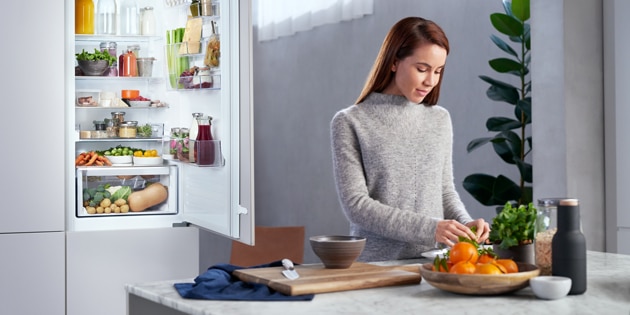
Do not overcrowd the fridge. Air must flow freely for even cooling. Store liquids on lower shelves and keep raw meat on the bottom to avoid drips. Use clear containers to help you see food and reduce door openings.
Routine Maintenance Checks
Check the fridge door seal for cracks or gaps. Replace if damaged. Listen for unusual noises, which may indicate a problem. Defrost manually if ice builds up in the freezer. Schedule professional service if cooling issues persist.

Credit: www.allaustinrepairs.com
Frequently Asked Questions
Why Is My Refrigerator Freezing Food Unexpectedly?
Your refrigerator might be too cold due to incorrect thermostat settings. Air vents could be blocked, causing uneven cooling. Also, a malfunctioning defrost system can lead to freezing. Regularly check temperature settings and ensure proper airflow for balanced cooling.
How To Stop Refrigerator From Freezing Fruits And Vegetables?
Keep fruits and vegetables in the crisper drawer with proper humidity settings. Avoid placing them near cooling vents. Adjust the refrigerator temperature to a moderate level, typically between 37°F and 40°F, to prevent freezing while keeping produce fresh.
Can A Faulty Thermostat Cause Food Freezing In Fridge?
Yes, a faulty thermostat can cause the fridge to cool excessively. This leads to freezing food items unintentionally. If your fridge temperature is too low despite adjustments, consider having the thermostat inspected or replaced by a professional.
Does Fridge Door Being Left Open Cause Freezing Issues?
Leaving the fridge door open can cause temperature fluctuations. This makes the compressor work harder, sometimes triggering overcooling and freezing. Always ensure the door seals properly and avoid frequent or prolonged opening to maintain stable temperatures.
Conclusion
Freezing food in your refrigerator can happen for several reasons. Temperature settings that are too low often cause this problem. Poor air circulation inside the fridge also plays a role. Fixing the issue keeps your food fresh and tasty. Regularly check and adjust the fridge’s temperature.
Clean vents and avoid blocking air paths. These small steps help prevent unwanted freezing. A well-maintained fridge protects your groceries and saves money. Don’t ignore early signs of freezing to avoid waste. Simple care makes a big difference in food storage.