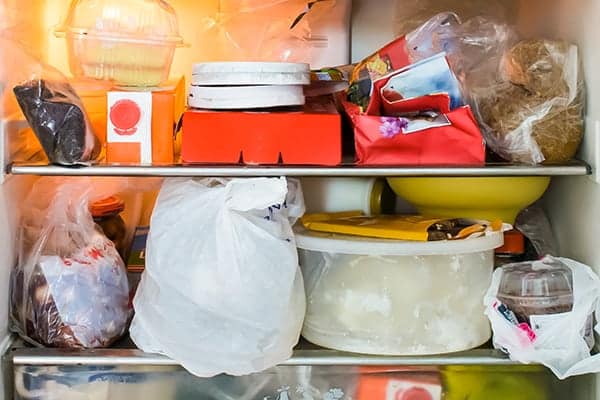
Have you ever opened your fridge only to find your fresh fruits, vegetables, or leftovers frozen solid? It’s frustrating when your food turns icy, changes texture, or loses its taste.
But why is your refrigerator freezing food when it’s supposed to keep it fresh, not frozen? Understanding this common problem can save you money, reduce waste, and help you enjoy your meals just the way they should be. Keep reading, and you’ll discover simple reasons behind this mystery and easy steps you can take to fix it fast.
Common Causes Of Freezing Food
When your refrigerator starts freezing food unexpectedly, it can be frustrating and wasteful. Understanding the common causes behind this problem helps you fix it quickly before your groceries turn into ice blocks. Here are some typical reasons why your fridge might be too cold and freezing your food.
Temperature Settings Too Low
Sometimes the simplest explanation is the right one. If your fridge temperature is set too low, it will freeze items that should only be chilled.
Check the dial or digital control and adjust it to the recommended setting, usually between 37°F and 40°F (3°C to 4°C). Have you ever bumped the control accidentally while grabbing something? This might be why your food is freezing.
Faulty Thermostat
Your fridge thermostat controls the cooling cycles. If it’s broken or malfunctioning, the fridge may run too long, causing excessive cold.
A faulty thermostat often requires professional repair or replacement. If adjusting the temperature doesn’t help, consider testing the thermostat or calling a technician.
Blocked Air Vents
Air vents inside the fridge allow cold air to circulate evenly. When these vents are blocked by food items, cold air can’t flow properly.
This results in some areas becoming colder than others and freezing your food. Have you ever packed your fridge so tightly that air can’t move around? That could be the culprit.
Damaged Door Seals
Door seals keep cold air inside and warm air out. If the seals are cracked or worn out, cold air escapes, and the fridge works harder to cool down.
This can cause uneven temperatures and freezing spots. Inspect your seals for gaps or tears and replace them if needed to maintain the right temperature.
Malfunctioning Defrost System
Modern refrigerators have defrost systems that prevent frost buildup. When the defrost heater or timer fails, frost can accumulate and block cold air circulation.
This often leads to freezing in certain areas. Notice thick frost inside your fridge? It’s a clear sign your defrost system needs attention.
Overcrowding Inside The Fridge
Stuffing your fridge with too many items restricts airflow. Without proper air movement, some foods get exposed to colder air pockets and freeze.
Organize your fridge with enough space between items to let cold air flow freely. Have you tried rearranging your shelves to avoid this?

Credit: www.dtappliance.com
Effects Of Freezing Food Unintentionally
Freezing food unintentionally in your refrigerator can have noticeable effects on what you eat and how you feel about your meals. It’s more than just an inconvenience; it changes the quality of your food in ways you might not expect. Understanding these effects helps you avoid surprises and keeps your food enjoyable and nutritious.
Texture And Taste Changes
Have you ever taken a bite of lettuce or a tomato that tasted watery and mushy? That’s a common result of unintentional freezing. When food freezes, ice crystals form inside its cells, breaking down the structure and causing a loss of the original texture.
This change isn’t just about mouthfeel—it can alter the taste too. For example, frozen fruits often become less sweet and more bland after thawing. You might find yourself avoiding certain items after a bad experience, even if they are still safe to eat.
Nutrient Loss
Freezing can also affect the vitamins and minerals in your food. While freezing slows down nutrient loss compared to refrigeration alone, unintentional freezing followed by thawing can cause nutrients to break down faster.
Vitamin C and B vitamins are especially vulnerable. If you rely on fresh produce for these nutrients, unintentional freezing could mean you’re not getting as much as you think. Have you noticed your meals feeling less energizing or satisfying? This could be one reason why.
Food Waste Increase
When food freezes unexpectedly, it often ends up discarded. You might toss out vegetables that turned slimy or fruits that lost flavor. This not only wastes food but also your money and effort spent shopping and preparing meals.
Think about the last time you threw away frozen leftovers or spoiled food. How could better temperature control in your fridge reduce this waste? Small adjustments can save you a lot over time, both financially and environmentally.
Simple Checks Before Calling A Technician
Before calling a technician for a refrigerator that freezes food, try simple checks. These checks can save time and money. Many freezing issues happen due to small, fixable problems. Start by checking the basic parts of your fridge.
Inspecting Temperature Controls
Check the temperature settings inside your fridge. Sometimes the thermostat is set too low. This causes food to freeze. Adjust the temperature to a warmer setting. Wait a few hours and see if the problem stops. The ideal fridge temperature is between 37°F and 40°F (3°C to 5°C).
Examining Door Seals For Gaps
Look closely at the door seals or gaskets. Damaged or loose seals let cold air escape. This can cause the fridge to overcool and freeze food. Press the door seal all around the fridge door. Replace the seal if it feels cracked or weak. A tight seal keeps the temperature stable.
Clearing Air Vents
Locate the air vents inside the refrigerator. These vents allow cold air to flow evenly. Blocked vents can cause uneven cooling and freezing in some areas. Remove any food items or containers blocking the vents. Keep the vents clear to maintain proper air circulation.
Avoiding Overloading
Do not pack the fridge too full. Overloading blocks air circulation. This can cause certain spots to become too cold and freeze food. Leave enough space between items for air to flow. Organize food neatly to help the fridge work better.
Quick Fixes For Freezing Issues
Dealing with a refrigerator that’s freezing your food can be frustrating. Luckily, some quick fixes can help you get things back to normal without calling a technician. These simple adjustments often solve the problem and save you both time and money.
Adjusting The Thermostat
Your fridge’s thermostat controls the temperature, but sometimes it’s set too low, causing freezing. Check the temperature dial and raise it slightly to around 37°F (3°C) for the fridge compartment. Small tweaks can make a big difference.
Have you noticed your freezer feels colder than usual? It might be worth experimenting with the settings until you find the right balance that keeps food fresh without freezing it.
Replacing Door Seals
Damaged or worn-out door seals can cause cold air to leak, making the refrigerator work harder and freeze food unexpectedly. Inspect the seals for cracks, gaps, or dirt buildup. Clean them with warm, soapy water or replace them if they’re damaged beyond repair.
Think about the last time you closed your fridge door—did it feel loose or not seal properly? Fixing the seal can improve temperature control and energy efficiency.
Defrosting The Fridge Manually
Ice buildup inside your fridge can block air vents and cause uneven cooling, freezing some items while leaving others warm. Manually defrost your fridge by unplugging it and letting the ice melt completely. This process usually takes a few hours but can restore proper airflow.
Have you noticed thick ice layers inside your fridge? Removing them might solve freezing problems instantly and prevent damage to your appliance.
Rearranging Food Items
Placing food too close to air vents or blocking them can lead to freezing issues. Make sure you leave space around items to allow cold air to circulate evenly. Avoid crowding the fridge, especially near the back walls where the coldest air flows.
Next time you organize your fridge, ask yourself if air can move freely around everything. Simple changes in arrangement can prevent food from freezing and spoilage.
When To Seek Professional Help
Sometimes, fixing a refrigerator freezing food is not simple. Certain issues need a professional’s skills and tools. Knowing when to call an expert saves time and prevents damage. It also keeps your food safe and fresh.
Persistent Temperature Problems
When the fridge keeps freezing food despite adjustments, it signals a deeper issue. Thermostat or sensor faults can cause this. A technician can test and replace these parts correctly. Persistent cold spots or inconsistent temperatures need expert care.
Electrical Or Mechanical Failures
Strange noises or the fridge not running properly may mean electrical or mechanical trouble. Problems with the compressor, fan motor, or wiring require a professional. These parts are complex and need special tools for repair. Handling them alone can cause more damage.
Complex Defrost System Repairs
The defrost system stops frost buildup inside the freezer. If it fails, ice may form and freeze food. Fixing this system involves checking heaters, sensors, and timers. These repairs are complicated and need expert knowledge. Professionals ensure the defrost system works safely and well.

Credit: foodguides.com
Preventing Future Freezing Problems
Freezing food unintentionally in your refrigerator can be frustrating and wasteful. Preventing these freezing issues starts with understanding what you can control daily. By adopting a few simple habits, you can keep your food fresh without the risk of it turning into an icy mess.
Regular Maintenance Tips
Keeping your refrigerator clean and well-maintained is key to avoiding freezing problems. Check the door seals regularly to ensure they close tightly; worn-out seals let cold air escape and cause uneven cooling.
Defrost your fridge if you notice frost buildup. This helps maintain consistent temperatures and prevents cold spots that freeze your food unexpectedly.
Don’t forget to clean the condenser coils at least twice a year. Dust and dirt reduce efficiency, causing the fridge to work harder and potentially overcool.
Proper Food Storage Practices
How you store your food can impact whether it freezes or stays fresh. Avoid placing items directly against the back wall where the cold air is strongest.
Use containers or wrap foods properly to protect them from cold air exposure. This simple step can make a big difference in preventing freezer burn or freezing.
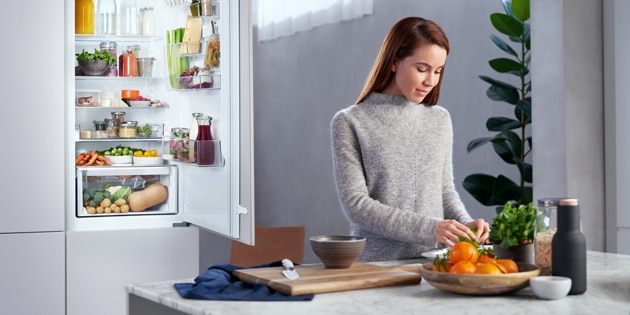
Organize your fridge so air can circulate freely. Overcrowding blocks airflow and leads to uneven cooling, increasing the risk of freezing certain foods.
Monitoring Temperature Consistently
Do you know the ideal temperature for your refrigerator? It should be between 37°F and 40°F (3°C to 4°C) to keep food safe without freezing it.
Use a fridge thermometer to check temperatures regularly, especially if your fridge doesn’t have a built-in display. Small fluctuations can cause freezing without you realizing it.
Adjust the settings if you notice food freezing or if the temperature falls below the recommended range. Taking quick action can save your groceries from turning into ice cubes.
Credit: www.electrolux.in
Frequently Asked Questions
Why Is My Fridge Making Food Icy?
Your refrigerator may be set too cold, causing food to freeze. Check the temperature settings. Ideally, the fridge should be between 37°F and 40°F. Poor air circulation or a faulty thermostat can also lead to freezing issues. Regularly inspect and maintain your refrigerator for optimal performance.
How To Prevent Food From Freezing In The Fridge?
To prevent food from freezing, ensure the temperature is set correctly between 37°F and 40°F. Avoid placing food too close to the air vents. Regularly check and clean the refrigerator coils and ensure the door seals are tight. Proper storage helps maintain consistent temperature and prevents freezing.
Is A Faulty Thermostat Causing Freezing Issues?
Yes, a faulty thermostat can cause your refrigerator to freeze food. It might not accurately detect temperatures, leading to incorrect cooling. If you suspect a malfunction, consult a professional for repair or replacement. Regular maintenance helps identify and fix such issues promptly.
Can Blocked Vents Cause Food To Freeze?
Blocked air vents can cause uneven cooling, leading to freezing in some areas. Ensure vents are clear of obstructions for proper air circulation. Arrange food items to allow air to flow freely. Regularly inspect and clean vents to maintain even cooling throughout the refrigerator.
Conclusion
A refrigerator freezing food can cause waste and frustration. Common reasons include wrong temperature settings or blocked vents. Check these areas often to keep food fresh. Regular cleaning helps the fridge work well. Small fixes can stop freezing problems fast.
Understanding why freezing happens saves money and time. Keep your food safe by fixing issues early. A well-maintained fridge keeps your food just right. Simple steps prevent frozen surprises in your fridge. Stay aware and enjoy fresh, tasty meals every day.