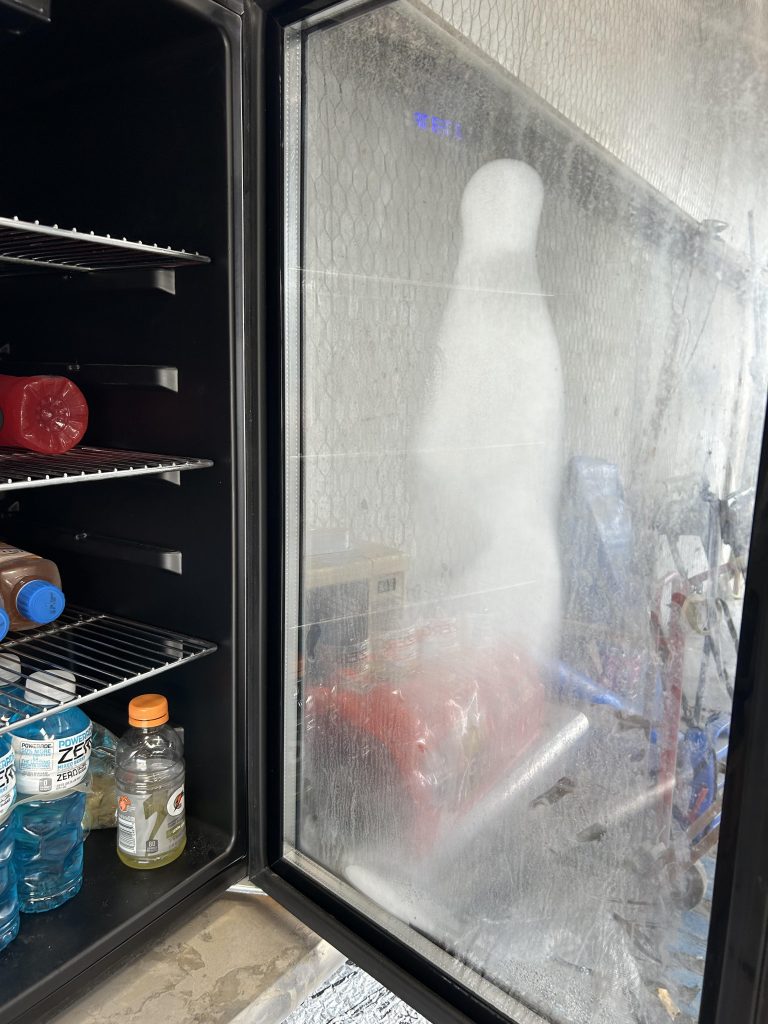
Have you ever opened your refrigerator only to find droplets of water clinging to the shelves or pooling at the bottom? If you’re wondering why there’s condensation in your refrigerator, you’re not alone.
This common issue can be both puzzling and frustrating. But don’t worry, you’re about to uncover the reasons behind this mystery. Understanding the causes of condensation can help you maintain your fridge more effectively, keeping your food fresh and your appliance running smoothly.
Stick around to discover simple solutions that can save you time, energy, and even money on potential repairs. Dive into this article to find out how you can tackle refrigerator condensation once and for all.
Common Causes Of Refrigerator Condensation
Condensation inside your refrigerator can be frustrating and confusing. Understanding the common causes helps you address the problem quickly and keep your food fresh. Let’s look at the main reasons why you might see moisture buildup inside your fridge.
Temperature Fluctuations
When the temperature inside your refrigerator varies too much, moisture in the air turns into water droplets on the walls or shelves. This often happens if the thermostat is set incorrectly or the fridge is overloaded, blocking cold air circulation. Have you checked if your fridge temperature stays steady around 37-40°F (3-4°C)?
Door Seal Issues
Your fridge door seal, or gasket, keeps cold air in and warm air out. If this seal is damaged, loose, or dirty, warm air sneaks in, causing condensation. Try running a simple test by closing the door on a piece of paper—if it slides out easily, the seal might need replacing.
Frequent Door Opening
Every time you open the fridge door, warm, humid air enters and causes moisture buildup. If your household opens the fridge often or leaves the door open for too long, condensation becomes a regular problem. Consider how often you open the door and if you can reduce the time it stays open.
High Humidity Levels
Living in a humid environment means the air inside your fridge contains more moisture. This moisture condenses when it meets the cooler surfaces inside the fridge. Using a dehumidifier in your kitchen or storing uncovered liquids properly can help reduce this effect.
Blocked Air Vents
Air vents inside your refrigerator allow cold air to circulate evenly. When these vents are blocked by food items, the airflow is disrupted, causing cold spots and condensation. Have you ever rearranged your fridge and noticed less moisture? Keeping vents clear makes a big difference.
Credit: homewarranty.firstam.com
Effects Of Condensation In Refrigerators
Condensation inside your refrigerator isn’t just a minor annoyance. It can lead to several problems that affect the quality of your food, the appliance’s performance, and your energy bills. Understanding these effects helps you take better care of your fridge and avoid costly issues down the line.
Food Spoilage Risks
Excess moisture creates the perfect environment for bacteria and mold to grow on your food. This speeds up spoilage, meaning your fruits, vegetables, and leftovers won’t last as long as they should. Have you ever opened your fridge and noticed a strange smell or slimy texture? That’s often condensation doing damage.
Keeping your fridge dry reduces waste and saves you money. It’s worth checking for water pooling or damp spots regularly to protect your groceries.
Frost Buildup
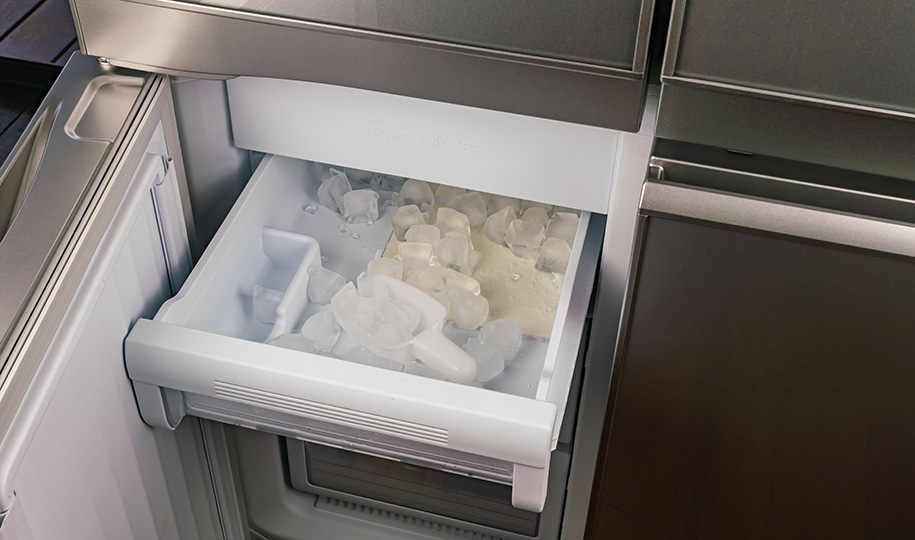
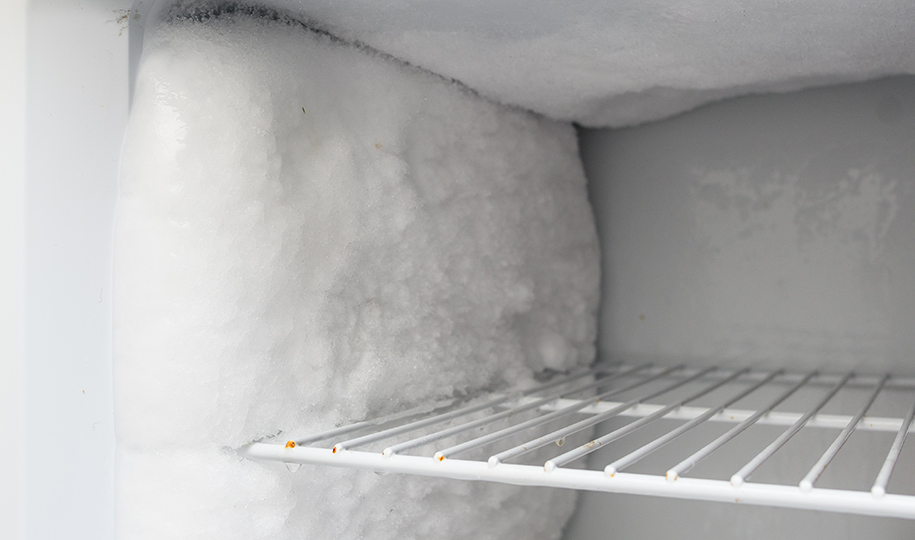
Condensation doesn’t just stay as water; it can freeze and form frost inside your freezer or fridge. This frost buildup blocks air vents and reduces the appliance’s ability to maintain a consistent temperature. You might find that your freezer becomes less efficient or that ice cubes take longer to freeze.
Removing frost manually or using a fridge with an automatic defrost feature can help maintain optimal performance. Think about how often you’ve had to defrost your freezer – this could be a sign of persistent condensation issues.
Energy Efficiency Impact
When condensation and frost build up, your refrigerator has to work harder to keep food cold. This extra effort increases electricity consumption, leading to higher energy bills. Have you noticed your fridge running loudly or more frequently? It might be struggling because of moisture problems.
Addressing condensation not only keeps your fridge in good shape but also makes your home more energy-efficient. Simple habits like keeping the door closed and checking seals can reduce moisture and save you money over time.
Simple Fixes To Reduce Condensation
Condensation in your refrigerator can be annoying and may lead to food spoilage or mold growth. Fortunately, there are straightforward steps you can take to reduce moisture buildup effectively. These simple fixes will help maintain a dry and efficient fridge, saving you both time and money.
Check And Replace Door Seals
Have you ever noticed a sticky or cracked rubber strip around your fridge door? That’s the door seal, and it plays a crucial role in keeping cold air inside and warm air out.
If the seal is damaged or worn out, warm air sneaks in, causing condensation. Try pressing the seal gently along the door to check for gaps or tears.
If you find any issues, replace the seal promptly to stop moisture from entering. You’ll be surprised how much this simple fix can reduce condensation.
Maintain Consistent Temperature
Fluctuating temperatures inside the fridge encourage moisture buildup. Keeping your fridge temperature steady—usually between 37°F and 40°F (3°C to 4°C)—helps prevent condensation.
Use a fridge thermometer to monitor the temperature regularly. If it swings too much, consider adjusting the thermostat or having a technician check the cooling system.
Limit Door Opening Frequency
Every time you open your fridge door, warm, humid air rushes inside. This sudden change can cause condensation on cold surfaces.
Try to plan what you need before opening the door to reduce the time it stays open. Think of it as a quick mission instead of a browsing session.
Use A Dehumidifier Or Moisture Absorbers
If your kitchen is especially humid, adding moisture absorbers inside the fridge can help. Products like silica gel packs or activated charcoal bags soak up excess moisture efficiently.
You can also place a small container of baking soda to absorb odors and some moisture. Have you tried these before? They’re inexpensive and easy to replace regularly.
Clear Air Vents Regularly
Air vents inside your fridge ensure proper circulation of cold air. If they get blocked by food items or ice buildup, moisture can settle and cause condensation.
Make it a habit to check and clear vents weekly. Keeping airflow smooth prevents damp spots and keeps your fridge running better.
When To Call A Professional
Knowing when to call a professional for refrigerator condensation issues can save you time and money. Some problems look simple but can signal deeper mechanical faults. If you’ve tried basic fixes and condensation keeps returning, it’s time to get expert help.
Persistent Moisture Problems
Does moisture keep building up inside your fridge no matter how often you wipe it? Persistent condensation might mean the door seals aren’t working right or there’s a hidden blockage in the drainage system. These problems can be tricky to spot and fix on your own, so a technician’s tools and experience are necessary.
Malfunctioning Thermostat
If your fridge temperature feels off or fluctuates wildly, condensation might be a symptom of a faulty thermostat. A professional can test and replace this component safely. Ignoring thermostat issues could lead to food spoilage and higher energy bills.
Refrigerant Leaks
Refrigerant leaks cause your fridge to lose its cooling power, resulting in excess moisture inside. Detecting leaks requires special equipment and knowledge. If you notice your fridge is warm and condensation appears, it’s best to call a pro before the problem worsens.
Preventive Tips For Long-term Maintenance
Condensation in your refrigerator can feel like a small nuisance, but it often signals a bigger issue that needs attention. Preventive care can save you from costly repairs and keep your fridge running smoothly for years. Let’s look at practical tips that you can apply today to avoid excess moisture buildup.
Regular Cleaning Schedule
Keeping your refrigerator clean is more than about appearance—it’s essential for preventing condensation. Wipe down shelves, walls, and door seals at least once a month to remove spills and crumbs that trap moisture.
Pay special attention to door gaskets; damaged or dirty seals let warm air in, increasing humidity inside. Have you checked your seals recently? A quick test: close the door on a dollar bill—if it slips out easily, the seal may need replacing.
Proper Food Storage Practices
How you store food affects moisture levels inside your fridge. Avoid placing hot or uncovered food directly in the refrigerator as steam adds to condensation.
Use airtight containers or wrap foods tightly to reduce moisture escape. Organize your fridge to allow air circulation; overcrowding blocks airflow and traps humidity.
Monitor Humidity Levels
Humidity inside the fridge is a direct cause of condensation. Consider using a small hygrometer to keep an eye on moisture levels, especially in humid climates.
Adjust your refrigerator’s settings if you notice excessive humidity. Some models have humidity control drawers—use them for fruits and vegetables to maintain optimal moisture balance.
Credit: homewarranty.firstam.com

Credit: www.reddit.com
Frequently Asked Questions
Why Does My Refrigerator Have Water Droplets Inside?
Water droplets form due to warm air entering the fridge. Moisture condenses on cold surfaces, causing condensation. Frequent door opening or a faulty seal often leads to excess moisture inside your refrigerator.
Can Condensation Damage My Refrigerator Or Food?
Yes, excess condensation can cause mold growth and spoil food faster. It may also damage refrigerator components. Regular cleaning and fixing leaks help prevent damage and keep food fresh.
How Can I Stop Condensation In My Refrigerator?
Keep the door closed as much as possible and check door seals. Avoid placing hot food directly inside. Use a dehumidifier or moisture absorber to reduce humidity levels inside the fridge.
Is Condensation A Sign Of A Refrigerator Malfunction?
Not always, but persistent condensation may indicate problems like damaged seals or blocked vents. If moisture buildup is constant, it’s best to inspect or service your refrigerator promptly.
Conclusion
Condensation in your refrigerator happens because warm air meets cold surfaces. This causes water droplets to form inside. Keeping the door closed helps reduce moisture. Also, avoid putting hot food directly inside. Regularly cleaning the fridge and checking the seal can prevent leaks.
Small changes make a big difference. Understanding why condensation appears helps you keep your fridge fresh. Stay aware and act quickly to stop moisture buildup. Your food stays safe and your fridge works well. Simple steps, better results.