
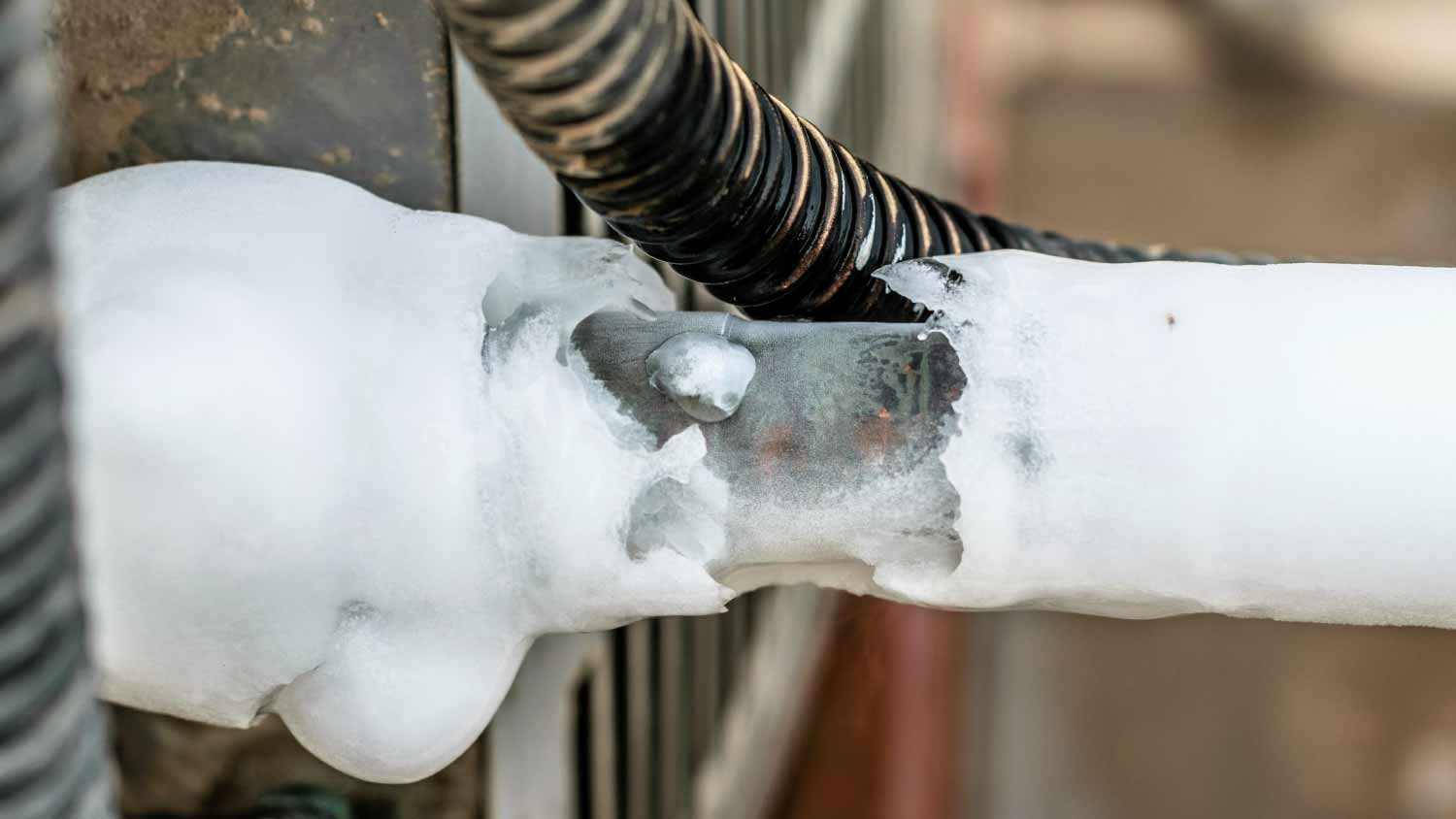
Have you ever looked at your air conditioner and wondered, “Why is there ice in my air conditioner?” Seeing frozen ice where you expect cool air can be confusing and frustrating. You might worry if your AC is broken or if you need an expensive repair.
But don’t panic just yet. Understanding why ice forms on your air conditioner can help you fix the problem quickly and keep your home comfortable. Keep reading to discover the common causes of ice buildup and what you can do to stop it before it gets worse.
Common Causes Of Ice Formation
Ice can form on air conditioners for several reasons. This can reduce cooling and damage your system.
Understanding why ice appears helps you fix the problem faster and avoid costly repairs.
Low Refrigerant Levels
Refrigerant cools the air in your system. If levels are low, the air conditioner can freeze up.
Leaks or poor installation often cause low refrigerant. A technician can find and fix leaks.
Dirty Air Filters
Dirty filters block airflow. This makes the coils too cold and causes ice to form.
- Check filters monthly
- Clean or replace dirty filters
- Use high-quality filters to trap dust
- Keep filters dry to avoid mold
Blocked Airflow
Blocked vents or closed registers reduce airflow. This leads to cold coils and ice buildup.
| Cause | Effect on Airflow | Result |
|---|---|---|
| Closed Air Vents | Air can’t flow freely | Coils freeze over |
| Obstructed Return Air | Reduced air intake | Ice forms on coils |
| Dirty Blower Fan | Weaker airflow | Freezing inside unit |
Thermostat Issues
A faulty thermostat can cause the air conditioner to run too long or stop too soon.
Signs of thermostat problems include:
- Temperature does not match setting
- Unit runs constantly without cooling
- System shuts off unexpectedly

Credit: www.advantageairtech.com
Impact Of Ice On Ac Performance
Ice forming inside your air conditioner can cause many problems. It affects how well your AC cools the room. Understanding these effects helps you keep your unit working properly.
Ice buildup is a sign that your AC is not working as it should. It can reduce cooling power, raise energy use, and even harm parts of the system.
Reduced Cooling Efficiency
When ice covers the AC coils, the unit cannot absorb heat from the air. This lowers the cooling output. The room stays warmer, and the AC runs longer to try to cool it.
- Ice blocks heat exchange
- Cooling takes more time
- Room temperature stays higher
- AC cycles run longer than normal
Increased Energy Consumption
Ice forces the AC to work harder. The compressor and fan use more electricity. This leads to higher power bills and extra strain on the system.
| Effect | Cause | Result |
| Higher energy use | Ice blocks airflow | Compressor runs longer |
| Electricity cost rise | Increased compressor work | More power consumed |
| System strain | Overworking parts | Possible breakdown |
Potential Damage To Components
Ice can harm your AC’s parts. The compressor can overheat, and the fan motor might fail. Water from melted ice can cause rust or electrical problems.
Common damages caused by ice buildup:
- Compressor overheating and failure
- Fan motor damage due to strain
- Rust on metal parts from water
- Electrical shorts from moisture
Diy Checks Before Calling A Technician
Ice can form inside your air conditioner for many reasons. You can do some simple checks yourself first. These checks might save you a service call.
Look closely and follow easy steps to find the cause of ice buildup. This guide covers air filters, thermostat settings, and blockages.
Inspecting Air Filters
Dirty air filters reduce airflow. Poor airflow causes the coil to get too cold and ice to form. Check if your filter is clogged or dusty.
- Remove the air filter from your unit
- Hold it up to a light source
- If light does not pass through, it needs cleaning or replacing
- Clean washable filters with water and let dry fully
- Replace disposable filters if they look dirty
Checking Thermostat Settings
Thermostat settings that are too low make the air conditioner work too hard. This can cause ice to build up on the coils.
| Setting | Recommended Range |
| Cooling Temperature | 72°F to 78°F (22°C to 26°C) |
| Fan Mode | Auto |
| Thermostat Type | Programmable or Manual |
Try raising the temperature setting slightly. See if the ice melts after a few hours of normal use.
Looking For Visible Blockages
Blockages in vents or around the outdoor unit stop airflow. This can cause freezing inside the system.
Check these common blockage spots:
- Air vents inside your home
- Outdoor condenser unit area
- Drain lines and pipes
Clear leaves, dirt, or objects blocking airflow.
Professional Solutions To Ice Problems
Ice forming on your air conditioner can cause damage and reduce cooling. Fixing this issue needs careful work by experts. They can find the cause and apply the right fix safely.
Many times, ice appears due to low refrigerant, dirt buildup, or broken parts. Professionals use special tools to solve these problems and keep your system running well.
Refrigerant Recharging
Low refrigerant levels cause ice to form on air conditioner coils. Experts check refrigerant pressure and add the correct amount. This helps the system cool without freezing.
- Detect leaks that reduce refrigerant
- Repair leaks before recharging
- Use the proper refrigerant type
- Measure pressure for accuracy
Cleaning And Maintenance Services
Dirt and debris block airflow and cause ice build-up. Professionals clean filters, coils, and drains to keep air moving freely. Regular maintenance prevents ice from forming.
| Maintenance Task | Purpose |
| Filter Cleaning | Improves airflow |
| Coil Cleaning | Prevents ice formation |
| Drain Clearing | Stops water backup |
Repairing Or Replacing Faulty Parts
Broken parts can disrupt the system and cause ice. Technicians inspect fans, thermostats, and valves. They repair or replace damaged parts to restore proper function.
- Evaporator fan motor
- Thermostat sensors
- Expansion valves
- Drain pans and pipes
Preventing Ice Build-up In The Future
Ice can form inside your air conditioner due to several reasons. Preventing this problem helps your AC run smoothly. Taking some simple steps can stop ice build-up.
Regular care and attention keep your system healthy. Let’s look at ways to avoid ice forming inside your air conditioner.
Regular Maintenance Schedule
Check your air conditioner often to keep ice from forming. Clean parts and replace worn-out pieces. This helps your system work without strain.
- Inspect the coils for dirt and debris
- Clear drain lines to prevent water blockage
- Check refrigerant levels and refill if needed
- Test the thermostat for correct operation
- Schedule professional tune-ups once a year
Using Quality Air Filters
Air filters stop dust and dirt from entering your AC. Using good filters helps air flow well. Dirty or poor filters cause ice by blocking airflow.
| Filter Type | Benefits | Change Frequency |
| Fiberglass | Low cost, basic filtration | Every 30 days |
| Pleated | Better dust removal | Every 60 days |
| HEPA | High filtration, removes fine particles | Every 90 days |
Ensuring Proper Airflow
Good airflow stops ice from forming. Keep vents open and clear. Blocked airflow makes the evaporator coil too cold and causes ice.
- Do not block or close air vents
- Keep furniture away from vents
- Clean air ducts periodically
- Use fans to help circulate air
- Seal leaks in ductwork
Credit: www.angi.com

Credit: aquariushomeservices.com
Frequently Asked Questions
Why Does My Ac Have Ice Buildup?
Ice buildup occurs when airflow is restricted or refrigerant levels are low. This can be due to dirty filters, blocked vents, or mechanical issues. Regular maintenance can help prevent these problems. If ice persists, contacting a professional is recommended to diagnose and fix the issue.
How Can I Stop Ice In My Ac?
To stop ice, ensure proper airflow by cleaning or replacing filters. Check for blocked vents or ducts. Keep the thermostat at a moderate temperature. If problems persist, it may indicate a refrigerant leak or mechanical issue. Professional inspection is advised for comprehensive diagnosis and repair.
Is Ice In The Ac Dangerous?
Ice in your AC can be harmful to the system. It can lead to reduced efficiency, higher energy bills, and potential damage. Ignoring ice buildup may cause long-term issues, requiring costly repairs. Regular maintenance and prompt attention to ice problems can ensure your AC operates safely and efficiently.
Can Dirty Filters Cause Ac Ice?
Yes, dirty filters restrict airflow, causing the evaporator coil to freeze. This results in ice buildup in the AC unit. Regularly cleaning or replacing filters helps maintain proper airflow and prevents ice formation. Ensuring clean filters is essential for efficient and smooth AC operation.
Conclusion
Ice in your air conditioner signals a problem that needs fixing. Poor airflow or low refrigerant often cause this issue. Cleaning filters and checking the system helps prevent ice buildup. Ignoring ice can lead to bigger, costly repairs. Regular maintenance keeps your AC running smoothly and cool.
Stay alert to signs of ice and act quickly. This protects your comfort and saves money in the long run. Don’t let ice stop your AC from working well. Simple steps can make a big difference.