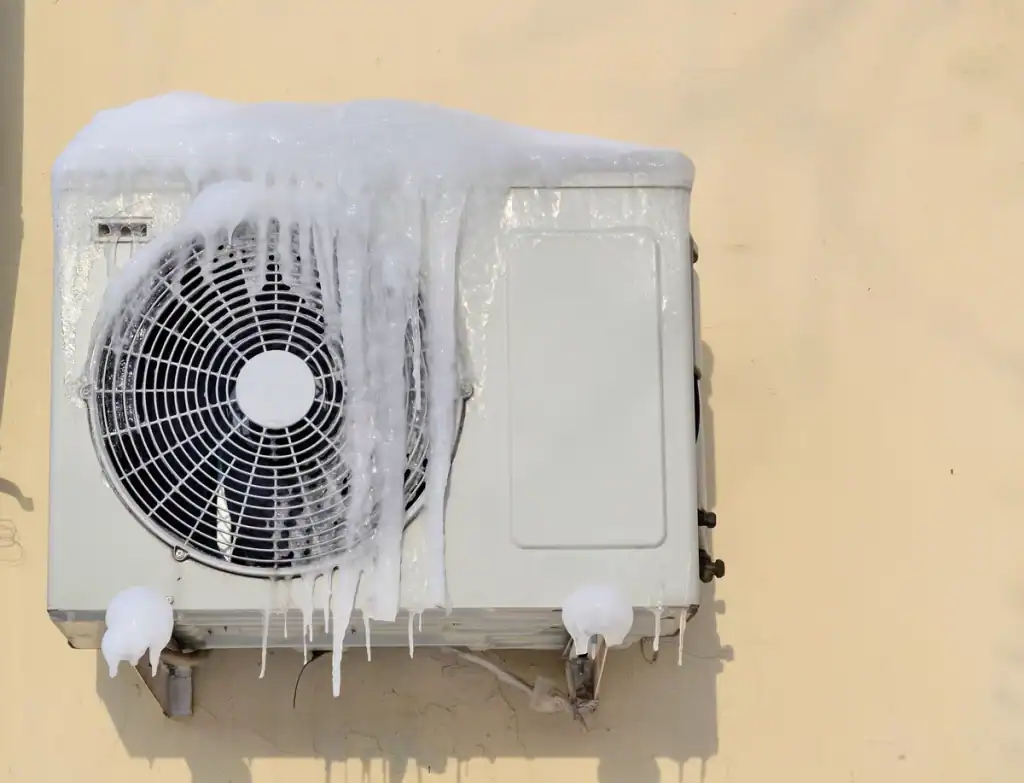
Have you ever looked at your air conditioner and noticed ice forming on it? It can be confusing and a little worrying.
You might wonder, “Why is there ice on my air conditioner? ” This isn’t just a strange sight—it’s a sign that something isn’t quite right. Understanding what causes this ice buildup can help you protect your AC and keep your home cool and comfortable.
Stick with me, and you’ll learn exactly why this happens and what you can do to fix it before it turns into a bigger problem.

Credit: www.advantageairtech.com
Common Causes Of Ice Formation
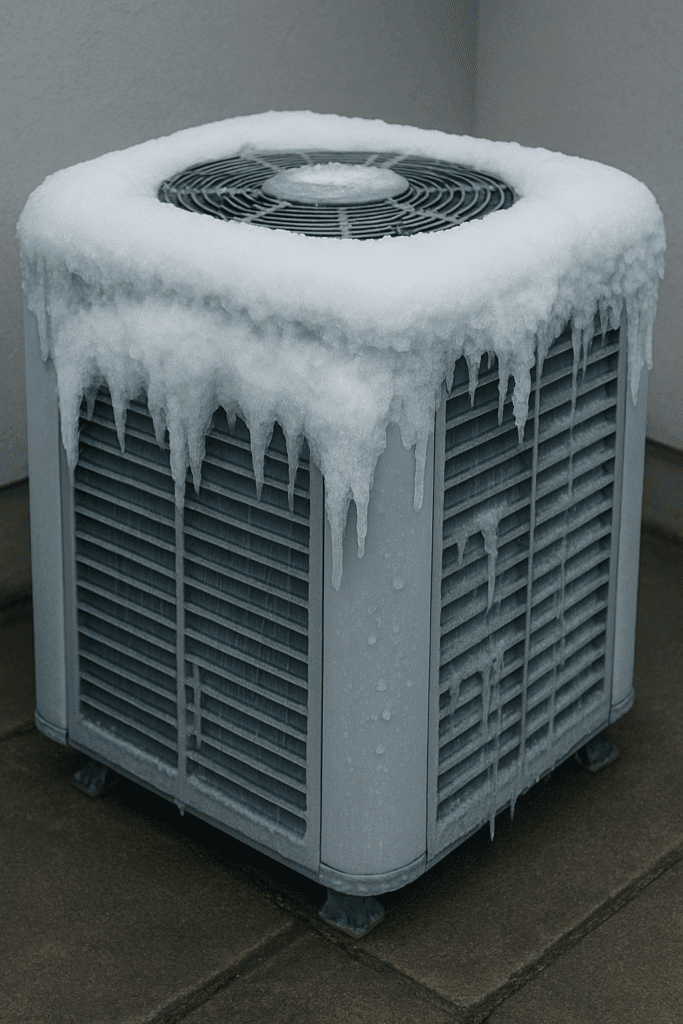
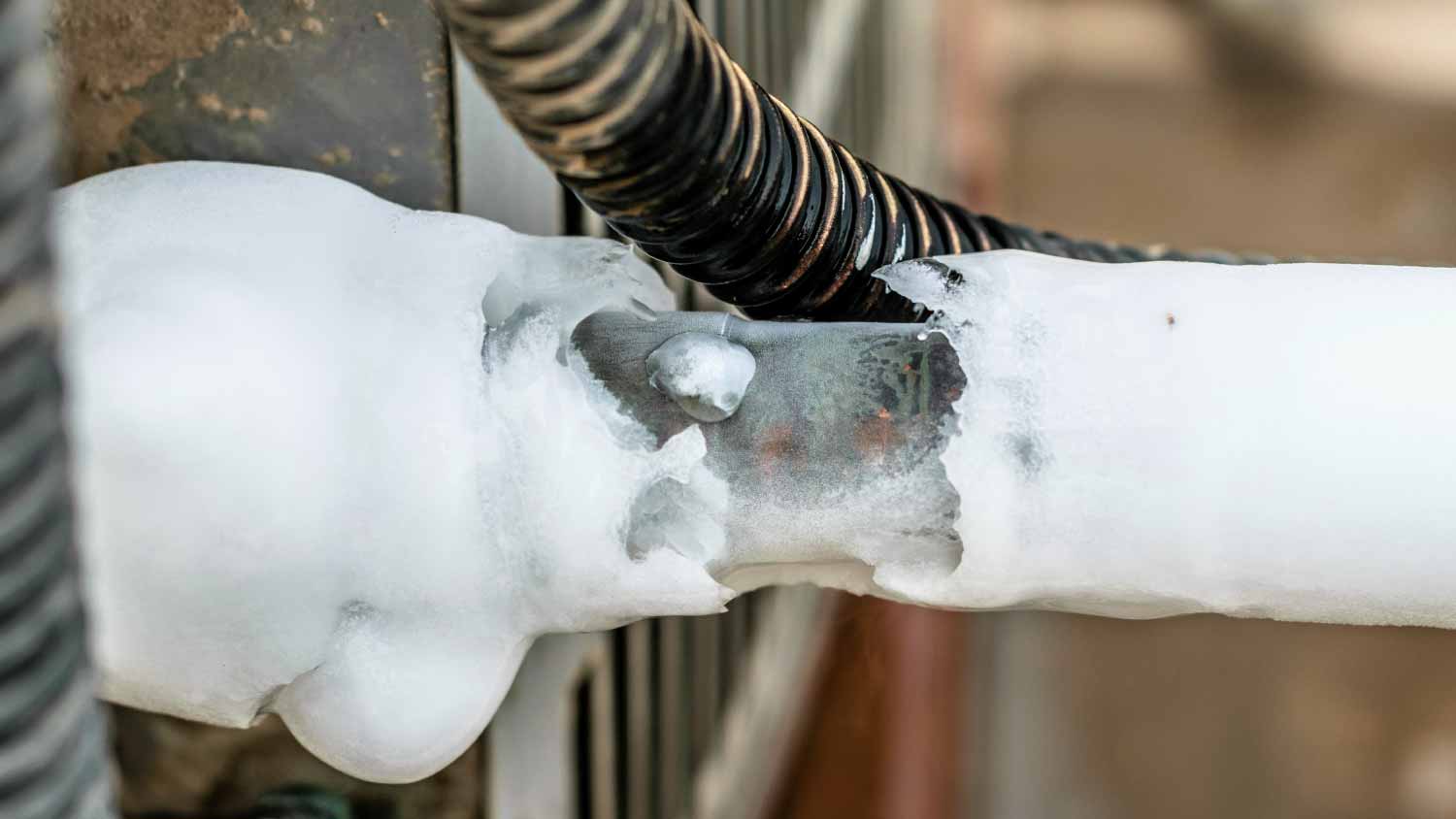
Low refrigerant levelscause the air conditioner to get too cold. This makes moisture freeze on the coils. The system cannot cool properly and ice builds up.
Restricted airflowslows down air movement over the coils. This can happen if vents are blocked or fans don’t work well. Less air means the coils get too cold and ice forms.
Dirty air filtersblock air from moving freely. Dust and dirt buildup reduce airflow and cause ice to appear on the unit. Regular filter cleaning helps prevent this.
Thermostat issuesmay cause the unit to run too long or too cold. This leads to freezing on the coils. Check if the thermostat is set correctly and working well.
Outdoor temperature effectscan also cause ice. Very cold weather makes the unit’s coils freeze. Some units have a defrost mode to fix this problem.
How Ice Affects Your Ac Performance
Ice on your air conditioner causes several problems. It lowers the unit’s cooling efficiency. The system struggles to cool the air properly, making your home less comfortable.
Running with ice builds up causes increased energy consumption. The AC works harder and uses more electricity, which raises your bills.
Ice can also lead to potential compressor damage. The compressor may overheat or break down, leading to costly repairs or replacement.
Quick Fixes To Remove Ice
Turn off the AC to stop ice from building up. Let it thaw slowly. This protects your unit from damage.
- Check air filters for dust and dirt. Dirty filters block air and cause ice.
- Replace old or clogged filters with new ones regularly.
Ensure proper airflow by keeping vents open and clean. Blocked airflow leads to cold spots and ice.
- Look for obstructions near the outdoor unit.
- Clear leaves, dirt, or debris around the AC.
Inspect refrigerant levels. Low refrigerant causes the coils to freeze. Call a professional to check and refill refrigerant safely.
Clean the coils to remove dirt and grime. Dirty coils reduce heat exchange and cause ice to form.
- Turn off power before cleaning coils.
- Use a soft brush or coil cleaner for best results.
Credit: bellplumbing.com
Preventing Ice Build-up
Regular cleaning helps keep your air conditioner running well. Change or clean air filters often. Dirty filters block airflow and cause ice to form. Check the thermostat settings. Set the temperature to a comfortable but not too low level. Very low settings can cause the unit to freeze.
Make sure air vents are open and clear. Blocked vents stop air from flowing properly. This can lead to ice build-up inside the system. Schedule professional inspections at least once a year. Experts can find small problems before they get big. They clean and check parts to avoid ice problems.
Credit: www.angi.com
Frequently Asked Questions
Why Is My Air Conditioner Covered In Ice?
Ice forms on your air conditioner when airflow is restricted or refrigerant is low. This causes the coils to freeze. Dirty filters, blocked vents, or low refrigerant levels are common reasons. Ice buildup reduces cooling efficiency and can damage your unit if not fixed promptly.
Can A Dirty Air Filter Cause Ac Ice?
Yes, a dirty air filter blocks airflow, causing the evaporator coil to freeze. Restricted airflow lowers the coil temperature, leading to ice formation. Regularly changing or cleaning filters prevents this problem and helps maintain your AC’s efficiency and longevity.
How Does Low Refrigerant Lead To Ac Freezing?
Low refrigerant causes the evaporator coil to become too cold, resulting in ice buildup. Refrigerant absorbs heat; when levels drop, the coil temperature falls below freezing. This disrupts normal operation and requires a professional to locate leaks and recharge the system.
What Should I Do If My Ac Is Iced Over?
Turn off the AC immediately to prevent damage. Let the ice melt naturally, then check air filters and vents. If ice returns, call a technician to inspect refrigerant levels and airflow. Prompt action protects your unit and restores proper cooling.
Conclusion
Ice on your air conditioner signals a problem. Possible causes include dirty filters or low refrigerant. Regular maintenance can prevent these issues. Keep an eye on your AC’s performance. Address small problems early to avoid costly repairs. Always consult a professional if unsure.
Your comfort depends on a well-functioning AC system. Simple checks make a big difference. Stay cool and enjoy your comfortable home. Remember, a little care goes a long way. Understanding your AC helps maintain efficiency. Stay informed and proactive for the best results.