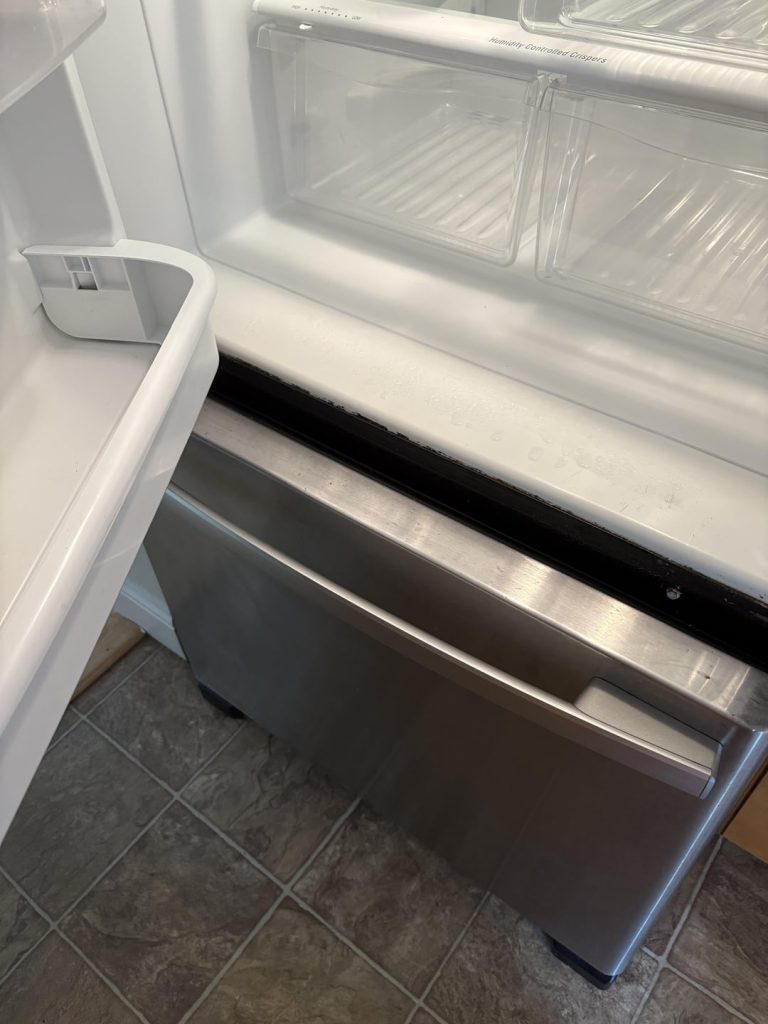
Are you frustrated with opening your refrigerator only to find a swamp of condensation on every shelf? You’re not alone.
Many people wonder why their fridge seems to be a magnet for moisture. This persistent problem can lead to soggy food packaging, unpleasant odors, and even mold growth. But why does it happen? Understanding the reasons behind the condensation can help you tackle the issue effectively.
Stick around as we delve into the common causes of this pesky problem and provide practical tips to keep your fridge fresh and dry. You’ll discover simple solutions that can transform your refrigerator from a damp disaster into a cool, crisp haven for your food. Let’s clear up the confusion and get your fridge back in top shape!
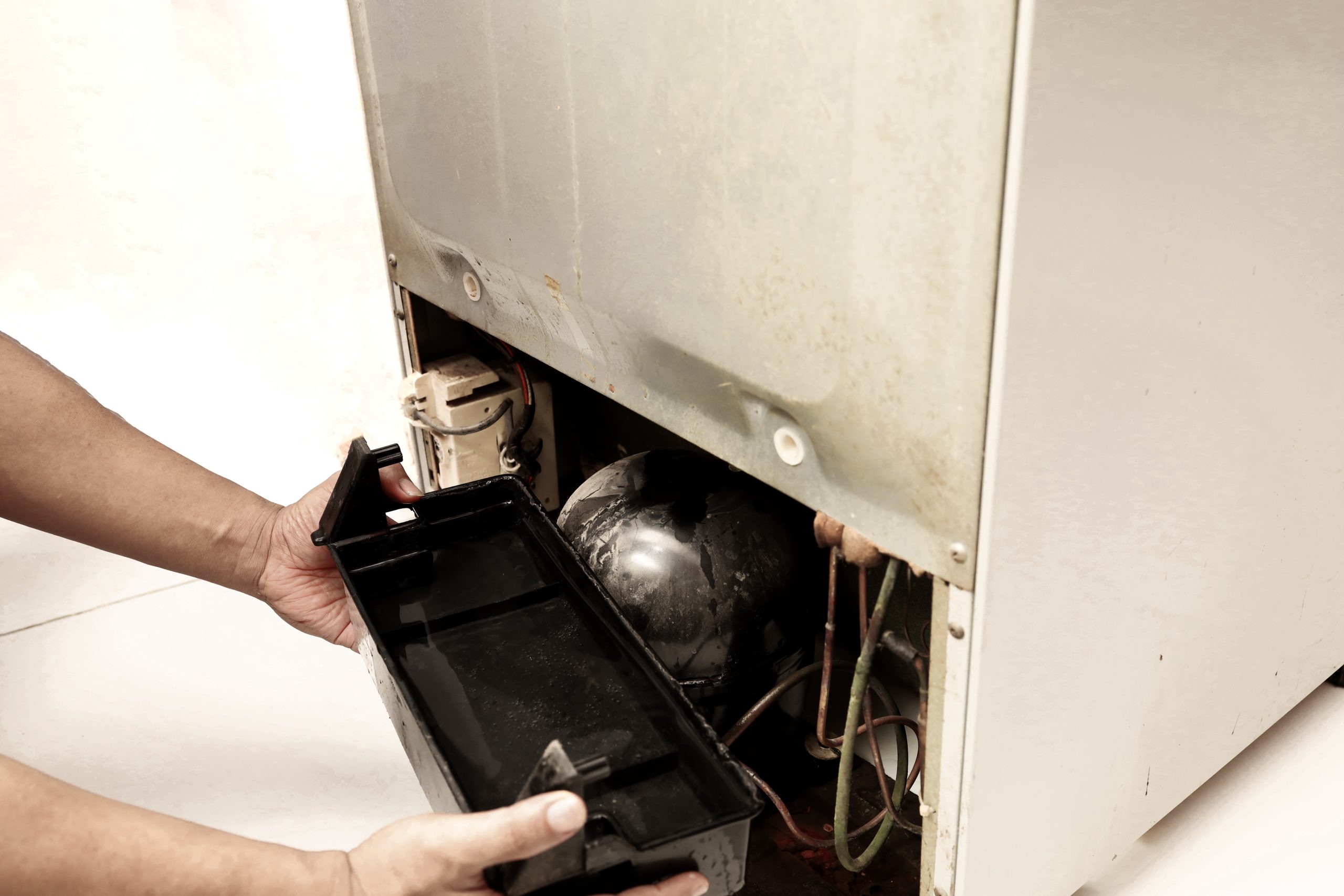
Credit: www.thesealcompany.co.uk
Causes Of Refrigerator Condensation
Condensation inside your refrigerator can be frustrating and puzzling. It not only makes the fridge look unclean but can also affect the freshness of your food. Understanding what causes this moisture buildup will help you manage or even prevent it from happening.
Humidity Levels Inside The Fridge
High humidity inside your fridge creates the perfect environment for condensation. When moist air comes into contact with cold surfaces, water droplets form quickly. Have you noticed your fridge feels clammy or wet after storing fruits and vegetables? That’s often due to their natural moisture increasing the internal humidity.
Frequent Door Opening
Opening your refrigerator door often lets warm, moist air rush in. This sudden temperature change causes condensation as the cold air inside meets the incoming warm air. Think about how many times you open your fridge daily—each time, you invite extra moisture inside.
Improper Door Seals
If your fridge door doesn’t seal tightly, warm air can sneak in constantly. This causes persistent condensation because the temperature inside fluctuates. Have you checked if the rubber gasket around your fridge door is cracked or loose? Fixing or replacing it can reduce unwanted moisture effectively.
Blocked Air Vents
Air vents inside the refrigerator help circulate cool air evenly. When these vents are blocked by food items, cold air can’t flow properly, leading to uneven cooling and condensation. Ever noticed certain areas inside your fridge are wetter than others? Clearing space around vents can solve this issue.
Storing Hot Or Warm Food
Placing hot or warm food directly into your fridge increases moisture inside quickly. The heat releases steam, raising humidity levels and causing condensation. Next time, try letting your leftovers cool down before storing—they’ll keep your fridge drier and your food fresher.
Credit: homewarranty.firstam.com
Effects Of Excess Condensation
Excess condensation inside your refrigerator can cause more trouble than just a little water buildup. It affects how well your fridge works and can even harm the food you store. Understanding these effects helps you take better care of your fridge and avoid unnecessary problems.
Food Spoilage Risks
Too much moisture creates a perfect environment for bacteria and mold to grow on your food. This speeds up spoilage, making fruits and vegetables go bad faster than usual. You might notice that leftovers develop strange smells or slimy textures sooner than expected.
Have you ever found your milk souring quickly or your bread becoming damp and moldy? That’s often a direct result of excess condensation. Keeping your fridge dry can extend the life of your groceries and save you money.
Frost Buildup
Condensation can freeze over time, leading to frost buildup on the walls and shelves of your freezer or fridge. This frost reduces the available space and blocks air vents, causing your appliance to work harder. A thick layer of frost also makes it tough to see and access stored items.
Have you tried scraping off frost repeatedly? It’s frustrating and wastes your time. Managing condensation helps prevent frost, so you avoid this hassle and keep your fridge neat.
Energy Efficiency Impact
When condensation and frost build up, your refrigerator’s cooling system struggles to maintain the right temperature. This forces the compressor to run longer and consume more electricity. You’ll likely see a rise in your energy bills without realizing why.
Think about the last time you noticed your fridge running loudly or constantly. That might mean it’s working overtime due to excess moisture. Controlling condensation keeps your fridge running efficiently and reduces energy waste.
Preventing Condensation
Condensation inside a refrigerator causes moisture buildup and can harm food quality. Preventing condensation helps keep your fridge dry and fresh. Small changes in how you use and maintain your fridge make a big difference.
Maintain Proper Temperature
Set your refrigerator between 37°F and 40°F (3°C to 4°C). This range stops moisture from forming inside. Avoid setting the temperature too low, which can cause frost and excess condensation.
Limit Door Opening Frequency
Opening the fridge door often lets warm air inside. Warm air meets cold surfaces, creating condensation. Keep door openings brief and only open when necessary to reduce moisture buildup.
Check And Replace Door Seals
Damaged or worn door seals allow warm air to enter. Check seals for cracks or gaps regularly. Replace them if they don’t fit tightly to keep the fridge airtight and dry.
Organize Food For Airflow
Proper airflow inside the fridge helps maintain even temperature. Avoid overpacking shelves or blocking vents. Leave space between items so cold air circulates freely, reducing condensation spots.
Use Moisture Absorbers
Place moisture absorbers like silica gel packs or activated charcoal inside the fridge. These materials soak up excess moisture. Change them regularly to keep the fridge environment dry and fresh.
When To Call A Professional
Condensation inside a refrigerator can cause problems beyond just wet shelves. Sometimes, the issue needs expert help. Knowing when to call a professional saves time and avoids damage. Signs that point to deeper problems require a technician’s skills.
Persistent Condensation Issues
Condensation that keeps coming back after cleaning needs attention. It may indicate a seal problem or blocked vents. Experts check door gaskets and airflow to find the cause. Persistent moisture can lead to mold and food spoilage.
Malfunctioning Defrost System
If frost builds up and causes water leaks, the defrost system may fail. A broken defrost heater or timer stops ice from melting properly. Technicians test these parts and replace faulty components. This fix stops excess condensation and maintains cooling.
Refrigerator Cooling Problems
Cooling issues cause temperature swings and moisture inside the fridge. A faulty thermostat, compressor, or fan can disrupt the cold air flow. Professionals diagnose these parts with special tools. Proper cooling prevents condensation and keeps food fresh longer.

Credit: rvfridgeguys.com
Frequently Asked Questions
Why Does My Fridge Have Excessive Condensation Inside?
Excess condensation occurs when warm, moist air enters the fridge. This can happen if the door is opened frequently or not sealed properly. It causes water droplets to form on cold surfaces inside the refrigerator.
How Does Humidity Affect Refrigerator Condensation?
High humidity increases moisture in the air, leading to more condensation inside your fridge. Moist air condenses on cold surfaces, causing water buildup. Controlling humidity and sealing the fridge well helps reduce this issue.
Can A Faulty Door Seal Cause Fridge Condensation?
Yes, a damaged or loose door seal lets warm air in. This warm air meets the cold fridge interior, causing condensation. Inspect and replace seals to maintain proper fridge temperature and minimize moisture buildup.
Does Fridge Temperature Setting Impact Condensation Levels?
Incorrect temperature settings can cause condensation. If the fridge is too cold, moisture freezes and then melts, creating water droplets. Keeping the fridge between 37-40°F helps reduce condensation and keeps food fresh.
Conclusion
Condensation in your fridge often means warm air meets cold surfaces. This causes water droplets to form inside. Check the door seal for gaps or damage. Avoid placing hot food directly inside. Keep the fridge temperature steady and not too low.
Clean the vents to help air flow well. These small steps can reduce moisture build-up. A dry fridge keeps your food fresh longer. Stay aware of these tips to prevent excess condensation. Simple care makes a big difference in fridge health.