Have you ever noticed a puddle of water under your refrigerator and wondered why it’s there? It can be confusing and even a little worrying when you see water where it shouldn’t be.
But don’t panic—this is a common issue that many people face. Understanding why water collects under your fridge can save you from costly repairs and keep your kitchen safe and dry. You’ll discover the main reasons behind this problem and simple steps you can take to fix it quickly.
Keep reading to find out how to protect your home and keep your refrigerator running smoothly.

Credit: www.reddit.com
Common Causes Of Water Under Refrigerators
Water pooling under your refrigerator signals a common household issue. Identifying the root cause helps in quick fixing. Several reasons explain this water leakage. Each involves different parts and actions. Understanding these causes can prevent damage and save money.
Clogged Defrost Drain
The defrost drain carries melted frost to a drain pan. It can get blocked by food particles or ice. Blockage causes water to pool under the fridge. Cleaning the drain regularly stops this problem.
Leaking Water Supply Line
Fridges with water dispensers or ice makers connect to a water line. This line can leak from cracks or loose fittings. Leaks drip water beneath the fridge. Checking the line for damage is important.
Damaged Or Frozen Defrost Drain
Extreme cold can freeze the defrost drain pipe. Frozen pipes block water flow, causing leaks. Damage to the pipe can also cause leaks. Repair or thaw the pipe to stop water buildup.
Faulty Water Filter Or Ice Maker
A broken water filter or ice maker may leak water. Filters that are old or improperly installed drip water. Ice makers with worn parts can also cause leaks. Replacing faulty parts fixes the issue.
Condensation Build-up
Warm air entering the fridge causes condensation. This moisture collects and drips down. Poor door seals or frequent door openings increase condensation. Wiping away moisture and sealing gaps helps prevent water under the fridge.

Credit: www.searspartsdirect.com
Identifying The Source Of The Leak
Finding water pooling under your refrigerator can be frustrating and confusing. Before rushing to call a technician, it’s important to pinpoint exactly where the leak is coming from. Understanding the source of the water will help you address the issue quickly and prevent further damage to your kitchen floor or appliance.
Inspecting The Drain Pan
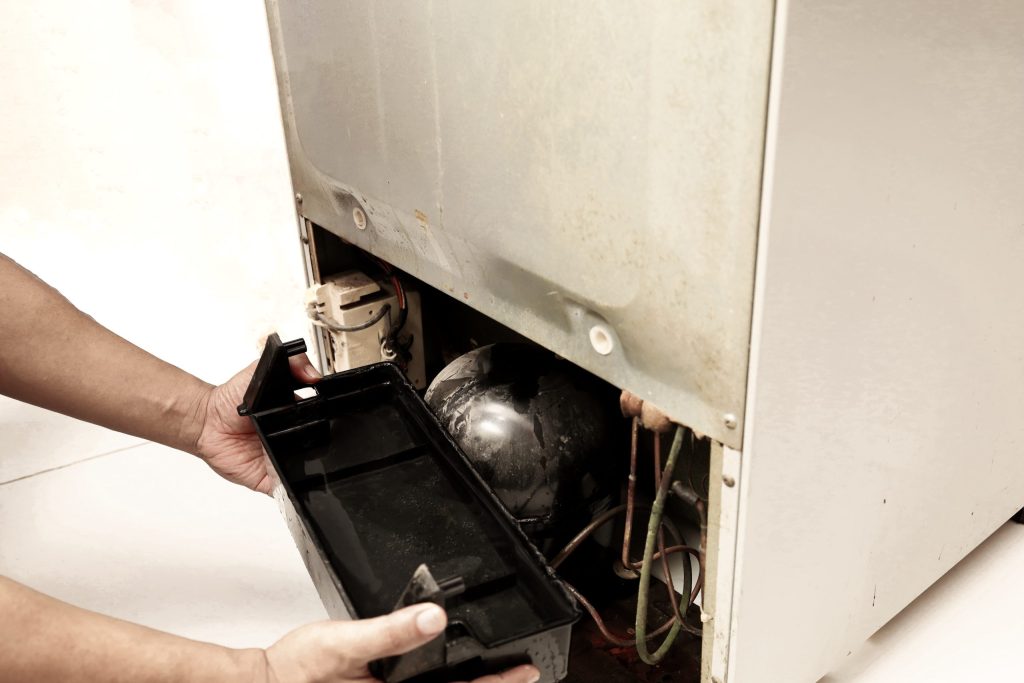
The drain pan collects condensation and defrost water from your fridge. Over time, it can crack or overflow if clogged. Pull out the fridge and look underneath to check if the pan is damaged or filled with water.
If you notice cracks or standing water in the pan, this is likely your culprit. Cleaning the pan regularly can prevent buildup, but if it’s broken, replacing it is the best solution.
Checking Water Connections
If your refrigerator has a water dispenser or ice maker, the water lines may leak. Inspect the hoses and connections at the back for any signs of moisture or drips. Sometimes, a loose connection or a small puncture causes water to escape.
Try tightening fittings gently and look for cracks in the tubing. Even a tiny leak here can lead to noticeable puddles under your fridge.
Examining Door Seals
Damaged or dirty door seals can let warm air inside, causing excess condensation. This moisture can drip down and pool beneath the fridge. Check the rubber gaskets around the doors for cracks, tears, or dirt buildup.
Run your hand along the seal to feel for gaps. If the seal doesn’t close tightly, replacing or cleaning it can stop leaks and improve your fridge’s efficiency.
Looking For Ice Build-up
Excess ice buildup inside the freezer can block drainage paths, causing water to drip out during defrost cycles. Look for thick layers of ice on the back wall or around the freezer compartment. This can lead to water pooling below.
Defrosting your fridge manually can clear the blockage. If ice keeps building up, it might indicate a problem with the defrost system or thermostat that needs professional attention.
Quick Fixes For Water Leaks
Water pooling under your refrigerator can be frustrating and confusing. Luckily, many common causes have straightforward fixes you can try yourself. These quick solutions can stop leaks fast and keep your appliance running smoothly.
Clearing The Defrost Drain
The defrost drain often clogs with food particles or ice, causing water to leak inside. You can clear it by locating the drain hole, usually at the back or bottom of the fridge, and flushing it with warm water. Using a pipe cleaner or a small brush helps remove stubborn blockages and prevents future backups.
Replacing Damaged Water Lines
Cracked or loose water lines can drip and create puddles beneath your fridge. Check the water supply line behind the unit for visible damage or leaks. If you spot any, replace the line with a new one designed for refrigerators to avoid ongoing water issues.
Thawing Frozen Drains
If the drain pipe freezes, water can’t flow properly and spills out. Use a hairdryer on a low setting to gently warm the frozen area, or place a bowl of warm water inside the fridge to speed up melting. Make sure to keep the fridge door open during this process to avoid moisture buildup.
Resetting Or Replacing Water Filters
A clogged or incorrectly installed water filter can cause leaks. Try removing and reinstalling the filter to ensure a tight seal. If the filter is old or damaged, replace it with a compatible one to maintain proper water flow and prevent drips.
Improving Refrigerator Leveling
An uneven fridge can cause water to pool instead of draining away. Use a level tool to check your appliance’s balance. Adjust the front legs or place shims under the base until your refrigerator sits evenly and water drains where it should.
Preventive Tips To Avoid Future Leaks
Regularly check and clean the refrigerator’s drip pan and drain hole to prevent clogs. Ensure door seals are tight to stop moisture buildup. Keep the fridge level to avoid water pooling underneath.
Preventive Tips to Avoid Future Leaks Discovering a pool of water under your refrigerator is never a pleasant surprise. Fortunately, there are several proactive steps you can take to prevent leaks from becoming a recurring issue. By adopting a few simple habits, you can keep your kitchen floor dry and your fridge running smoothly.Regular Cleaning And Maintenance
Keeping your refrigerator clean is not just about hygiene; it’s also crucial for its proper functioning. Dust and debris can accumulate around the coils and vents, causing your fridge to work harder, potentially leading to leaks. Schedule a monthly cleaning routine to wipe down the exterior and vacuum the coils.Monitoring Temperature Settings
Is your fridge too cold? Excessive cooling can cause frost to build up, leading to water drips when it melts. Check your refrigerator’s temperature settings and ensure they are within the recommended range. An optimal setting not only prevents leaks but also keeps your food fresh longer.Ensuring Proper Door Seal
A faulty door seal can let warm air in, causing condensation and eventually water leakage. Test the seal by closing the door on a piece of paper; if you can pull it out easily, it might be time to replace the gasket. A tight seal is vital for efficient cooling and preventing unnecessary moisture buildup.Routine Inspection Of Water Connections
If your refrigerator has a built-in water dispenser or ice maker, inspect the water lines and connections regularly. Look for signs of wear or damage, such as cracks or leaks. Tightening loose connections or replacing worn-out hoses can prevent a small drip from turning into a big problem. Taking these preventive measures can save you time, money, and the headache of dealing with unexpected water on your kitchen floor. Why wait until disaster strikes when you can take action today?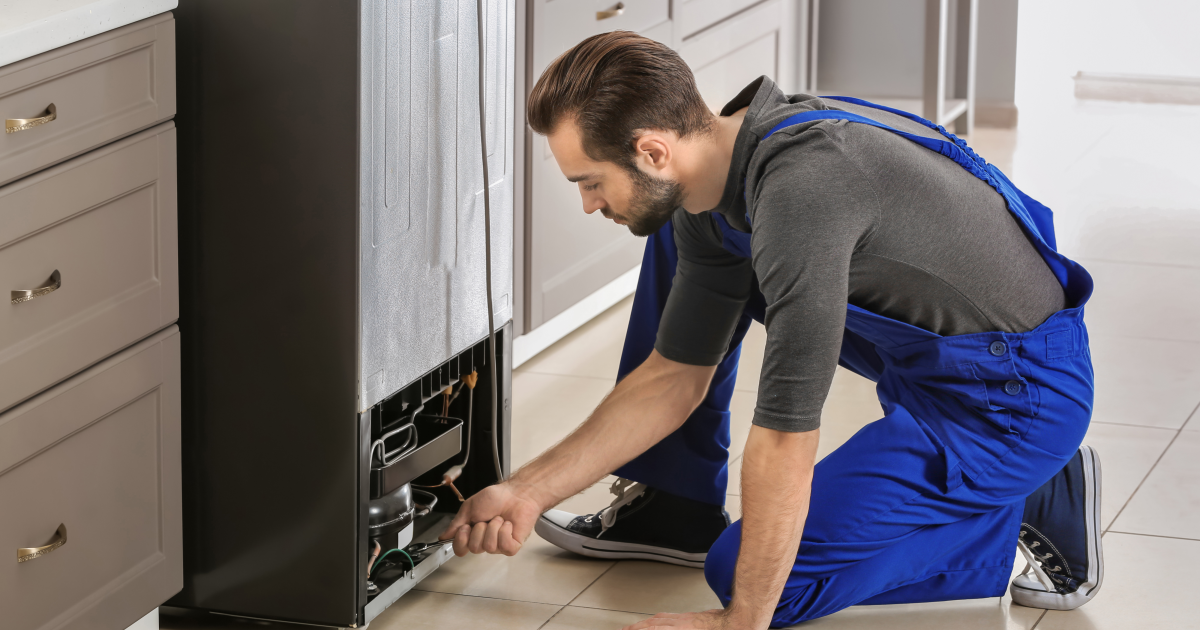
Credit: dengarden.com
Frequently Asked Questions
Why Is My Refrigerator Leaking Water Underneath?
Water under your fridge usually comes from clogged or frozen defrost drains. It causes melted ice to drip. Cleaning the drain can stop leaks. Also, check the water supply line for damage or loose connections.
Can A Blocked Defrost Drain Cause Water Pooling?
Yes, a blocked defrost drain stops water from draining properly. This leads to water leaking underneath. Regularly clearing the drain with warm water or a pipe cleaner helps prevent water buildup and leaks.
How Often Should I Clean My Refrigerator Drain Pan?
Clean the drain pan every 3 to 6 months. This prevents mold, mildew, and water overflow. A clean pan ensures proper water evaporation and stops water from leaking on your floor.
Is A Damaged Water Line Causing Water Under Fridge?
A damaged or loose water line can leak water beneath your fridge. Inspect the supply line to your ice maker or water dispenser. Replace or tighten any faulty connections to prevent water pooling.
Conclusion
Water under your refrigerator usually means a simple issue. It could be a clogged drain or a leak from the water line. Cleaning the drain hole or checking the water supply can often fix the problem. Ignoring water can cause damage to your floor or fridge.
Acting quickly helps avoid bigger repairs later. Keep an eye on your fridge and clean it regularly. Small steps prevent water from pooling and keep your kitchen safe. Stay alert and fix leaks as soon as you notice them.