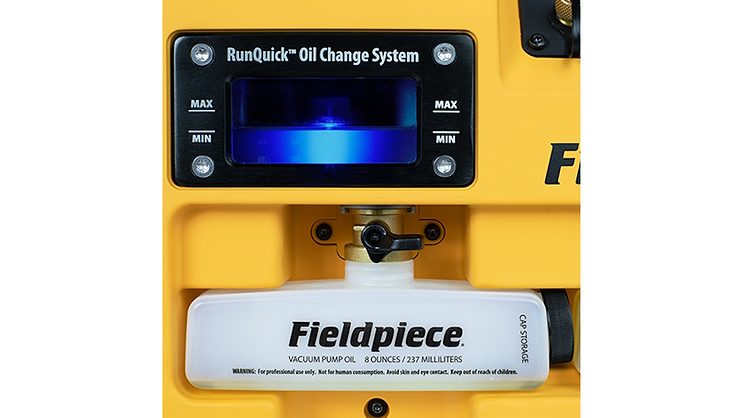
Have you ever wondered why vacuum pump oil is preferred over refrigerant oil in certain applications? This choice might seem trivial at first, but it plays a crucial role in the efficiency and functionality of your equipment.
Understanding the difference can save you time, money, and a lot of frustration. You might not realize it, but using the right oil is like giving your machinery a lifeline, ensuring it runs smoothly and lasts longer. As you continue reading, you’ll discover the essential reasons behind this choice.
Uncover the secrets that could enhance your equipment’s performance and prevent unexpected breakdowns. Stay with us, and you’ll never have to second-guess this critical decision again.
Credit: hvacolink.com
Role Of Vacuum Pump Oil
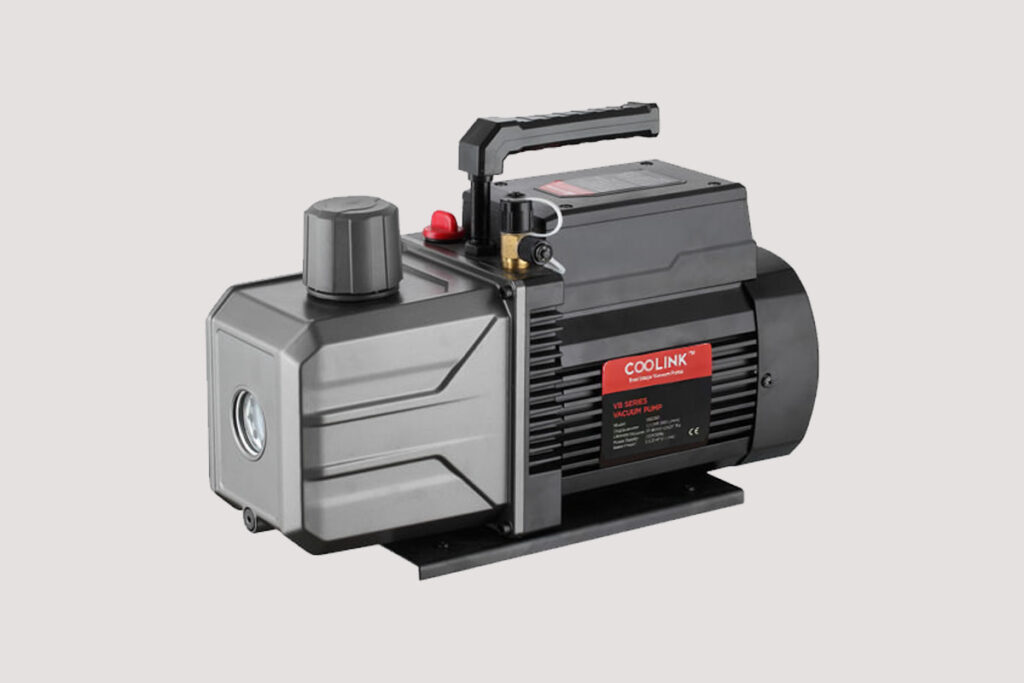
Vacuum pump oil plays a crucial role in the operation of vacuum pumps. It ensures smooth functioning and protects the pump’s internal parts. Using the right oil is essential for maintaining pump efficiency and longevity. Vacuum pump oil differs significantly from refrigerant oil in both purpose and composition.
Properties Of Vacuum Pump Oil
- High viscosity to create a strong seal
- Thermal stability to resist heat during operation
- Low vapor pressure to prevent evaporation under vacuum
- Chemical resistance to avoid breakdown from contaminants
- Good lubricity to reduce wear on moving parts
Function In Vacuum Pumps
Vacuum pump oil forms a tight seal between the pump’s moving parts. This seal helps maintain a strong vacuum inside the pump chamber. The oil also lubricates the mechanical components, reducing friction and wear.
It absorbs heat generated by the pump’s operation. This keeps the pump running cool and prevents damage. The oil also traps contaminants and particles, protecting the pump’s internal surfaces.
Refrigerant oil lacks these specific properties. It can evaporate quickly under vacuum, causing pump failure. Vacuum pump oil is specially designed for the harsh conditions inside vacuum pumps.
Limitations Of Refrigerant Oil
Refrigerant oil is commonly used in HVAC systems, but it has certain limitations that make it less suitable for vacuum pump applications. Understanding these drawbacks can help you choose the right oil for your equipment, ensuring better performance and longevity.
Chemical Compatibility Issues
Refrigerant oils often struggle with chemical compatibility in vacuum environments. They can react with contaminants or moisture, leading to the formation of acids and sludge. This not only degrades the oil but also damages the pump’s internal components.
Have you ever noticed your vacuum pump oil turning thick or sticky after a few uses? That’s a sign of chemical breakdown caused by incompatible oil. Vacuum pump oils are specially formulated to resist these reactions, maintaining stability and protecting your system.
Performance Under Vacuum Conditions
Refrigerant oil is designed to work under pressure, not in deep vacuum conditions. Its viscosity and vapor pressure properties are not optimized for vacuum pumps, leading to poor sealing and reduced efficiency.
This means your pump might take longer to reach the desired vacuum or struggle to maintain it. Vacuum pump oils have lower vapor pressures, which prevents them from evaporating quickly and ensures consistent performance during operation.
Would you risk your equipment’s efficiency by using oil not designed for vacuum? Choosing the right oil can save you time and costly repairs down the line.
Advantages Of Using Vacuum Pump Oil
Vacuum pump oil offers clear benefits over refrigerant oil in vacuum pumps. It is specially formulated to meet the demands of vacuum systems. Using vacuum pump oil improves pump efficiency and longevity. It also helps maintain a clean and stable vacuum environment.
Enhanced Lubrication
Vacuum pump oil provides better lubrication under low-pressure conditions. It reduces wear and tear on pump parts. This oil flows smoothly and forms a strong protective layer. It keeps the pump running quietly and efficiently.
Improved Heat Resistance
Vacuum pump oil handles high temperatures without breaking down. It resists oxidation and maintains stability during long use. This prevents sludge and deposits inside the pump. The oil helps keep the pump cool and working well.
Reduced Contamination Risks
Vacuum pump oil resists contamination from water and gases. It does not mix with refrigerants or other fluids. This purity protects the pump from corrosion and damage. Cleaner oil means fewer repairs and longer pump life.
Credit: unicrown-tw.com
Impact On Equipment Longevity
The choice between vacuum pump oil and refrigerant oil directly affects how long your equipment lasts. Using the right oil can mean the difference between frequent breakdowns and smooth, long-term operation. Understanding this impact helps you make smarter decisions that protect your investment.
Wear And Tear Reduction
Vacuum pump oil is specially designed to handle the high temperatures and pressures inside vacuum pumps. It forms a strong lubricating layer that reduces friction between moving parts. This means less wear and tear, keeping your equipment running smoothly for longer.
Refrigerant oil, on the other hand, is optimized for refrigeration systems, not vacuum environments. Using it in a vacuum pump can lead to inadequate lubrication, causing parts to degrade faster. Have you ever noticed unusual noises or vibrations from your pump? That’s often a sign of increased wear due to improper oil.
Maintenance Frequency
With vacuum pump oil, maintenance intervals can be extended because the oil maintains its properties under tough conditions. This reduces how often you need to stop operations for oil changes or repairs. Fewer interruptions save you time and money.
Using refrigerant oil in vacuum pumps forces more frequent maintenance. The oil breaks down quickly, contaminates the system, and can cause corrosion. Wouldn’t you prefer to schedule maintenance based on your workload rather than unexpected failures?
Cost And Efficiency Considerations
Choosing vacuum pump oil over refrigerant oil is not just about chemistry; it’s a smart decision driven by cost and efficiency. Understanding these factors can help you optimize your equipment’s performance while keeping expenses manageable. Let’s break down how vacuum pump oil stands out in these areas.
Operational Cost Benefits
Vacuum pump oil generally costs less than specialized refrigerant oils. This price difference can add up quickly, especially if you operate multiple pumps or perform frequent oil changes.
Besides the upfront savings, vacuum pump oil lasts longer under typical operating conditions. Its better resistance to contamination means fewer oil changes, reducing maintenance costs and downtime.
Have you noticed how unexpected equipment stops can drain your budget? Using vacuum pump oil helps minimize these interruptions, saving you money on repairs and lost productivity.
Energy Efficiency Gains
Vacuum pump oil is formulated to reduce friction inside the pump, which helps the motor work less hard. Lower friction translates directly into less energy consumption.
Using the right oil can improve your pump’s sealing and cooling, keeping it running smoothly. A well-lubricated pump uses energy more efficiently, cutting your electricity bills.
Imagine cutting energy costs without upgrading your entire system. Switching to vacuum pump oil can be that simple and effective step to boost your energy savings.

Credit: www.provac.com
Frequently Asked Questions
Why Is Vacuum Pump Oil Preferred Over Refrigerant Oil?
Vacuum pump oil has better sealing and lubrication properties under vacuum. It resists oxidation and contamination more effectively than refrigerant oil, ensuring reliable vacuum pump performance and longer lifespan.
Can Refrigerant Oil Damage A Vacuum Pump?
Yes, refrigerant oil can cause poor lubrication and contamination in vacuum pumps. It lacks vacuum-specific additives and breaks down faster, leading to pump failure and reduced efficiency.
What Properties Make Vacuum Pump Oil Ideal?
Vacuum pump oil has low vapor pressure, high thermal stability, and excellent viscosity. These properties help maintain vacuum integrity, reduce wear, and prevent oil vapor from contaminating the system.
Is Vacuum Pump Oil Compatible With Refrigerants?
Vacuum pump oil is designed for vacuum pumps, not for use inside refrigerant circuits. Using it with refrigerants can cause chemical reactions and system contamination.
Conclusion
Vacuum pump oil works best because it handles air and moisture well. Refrigerant oil cannot do this job properly. Vacuum pump oil keeps the pump clean and running smoothly. It also protects parts from damage and wear. Using the right oil saves money and time on repairs.
Choosing vacuum pump oil helps your equipment last longer. This small detail makes a big difference in performance. Remember, the right oil keeps everything working as it should. Simple but important.