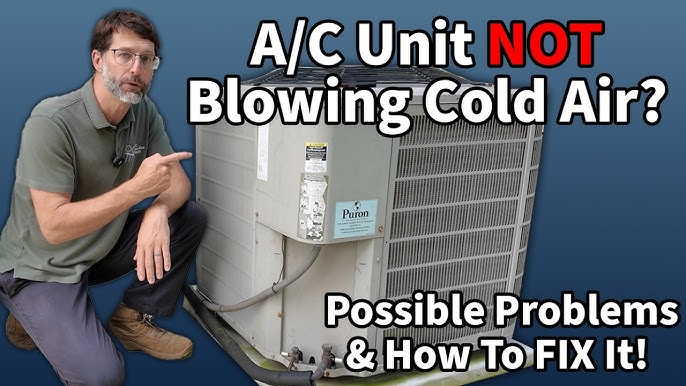
Is your air conditioner running, but the cool breeze you expect just isn’t coming through? You’re not alone.
When your AC isn’t blowing cold air, it can turn your home into an uncomfortable space fast. You might feel frustrated and wonder what’s wrong or how to fix it without spending a fortune. The good news is, understanding why this happens can save you time, money, and stress.
Keep reading, and you’ll discover simple reasons behind this common problem—and easy steps you can take to bring back the cool comfort you deserve.
Common Causes Of Warm Air
When your air conditioner blows warm air, it can make your home uncomfortable. Many problems can cause this issue.
Knowing the common causes helps you find the right fix faster. Check these key parts of your AC system.
Dirty Air Filters
Dirty air filters block airflow inside your AC. This stops cool air from moving through your home.
Clogged filters make your AC work harder and may cause warm air to blow out.
Low Refrigerant Levels
Refrigerant cools the air in your AC system. If the level is too low, the air will not get cold.
Leaks or damage often cause low refrigerant. A professional can find and fix these problems.
Thermostat Issues
A broken or wrong thermostat setting can stop your AC from cooling properly.
Check that the thermostat is set to “cool” and the temperature is lower than the room.
Clogged Condenser Coils
Condenser coils release heat from your home. Dirt and debris can clog these coils.
When coils are dirty, your AC cannot cool the air well. Cleaning them helps restore cooling.
Frozen Evaporator Coils
Frozen coils block airflow and stop cooling. This can happen if air filters are dirty or refrigerant is low.
Turn off your AC to thaw the coils and call a technician to fix the root cause.
Simple Diy Checks
When your air conditioner isn’t blowing cold air, it can be frustrating. Luckily, there are simple checks you can do yourself. These steps help you find and fix common issues.
These checks are easy and don’t need special tools. Let’s look at how to get your air conditioner working well again.
Inspect And Replace Filters
Filters can get clogged with dust and dirt. This stops cool air from coming through. It’s important to check them often.
- Turn off the air conditioner before inspecting the filters.
- Remove the filters and hold them up to the light. If you can’t see through them, it’s time to clean or replace.
- Rinse washable filters with water and let them dry before reinstalling.
- Replace non-washable filters with new ones of the same size.
Check Thermostat Settings
Sometimes, the thermostat settings might be wrong. This can stop your unit from cooling properly. Make sure the settings are correct.
Clear Debris Around Unit
Debris around the outdoor unit can block airflow. This makes it hard for the unit to cool your home. It’s good to keep this area clear.
| Task | Frequency |
| Remove leaves and branches | Weekly |
| Trim plants and bushes | Monthly |
| Check for any blockages | Weekly |
When To Recharge Refrigerant
Your air conditioner needs refrigerant to cool the air. Over time, it can leak or get low. Knowing when to recharge refrigerant helps your AC work well.
Recharging refrigerant is not a regular task. It should only happen if the refrigerant level is low. Low refrigerant means your AC is less effective and may get damaged.
Signs Of Low Refrigerant
Low refrigerant causes your air conditioner to blow warm air. It may also run longer than usual without cooling well.
- AC blows warm or less cold air
- Longer cooling cycles than normal
- Ice forms on the evaporator coil
- Hissing or bubbling sounds near AC unit
- Higher energy bills without more use
These signs show your AC may need a refrigerant recharge. A professional should check to confirm and fix leaks if any.
Risks Of Diy Refrigerant Handling
Handling refrigerant yourself can be dangerous. It requires special tools and knowledge to do it safely.
- Refrigerant can harm your skin and eyes
- Improper handling can damage the AC system
- Wrong recharge amount lowers AC efficiency
- Refrigerants are harmful to the environment
- Legal rules control refrigerant use and handling
Always hire a certified technician to recharge refrigerant. They follow safety rules and protect your AC and home.

Credit: www.youtube.com
Fixing Frozen Coils
Frozen coils in your air conditioner can stop it from blowing cold air. This problem needs quick attention to prevent damage.
Knowing the causes of freezing and how to thaw coils safely helps you fix the issue faster.
Causes Of Freezing
Coils freeze due to several common reasons. Identifying the cause helps prevent future freezing.
- Low refrigerant levels reduce cooling and cause ice build-up.
- Poor airflow from dirty filters or blocked vents leads to coil freezing.
- Faulty blower fans do not move enough air over the coils.
- Thermostat settings set too low can cause excess cooling and freezing.
- Dirty or damaged coils trap moisture, which freezes on the surface.
Steps To Thaw Coils Safely
Thawing frozen coils requires care to avoid damage to your AC system.
- Turn off the air conditioner to stop the freezing process.
- Switch the system to fan mode to help melt the ice faster.
- Use a hair dryer or a fan to gently warm the coils.
- Check and replace dirty air filters to improve airflow.
- Inspect and clear any blocked vents or registers.
- Call a professional to check refrigerant levels and repair leaks.
| Action | Purpose |
| Turn off AC | Stop ice build-up and prevent damage |
| Use fan mode | Circulate air to melt ice |
| Warm coils gently | Speed up thawing safely |
| Replace filters | Improve airflow and prevent freezing |
| Clear vents | Ensure proper air movement |
| Call technician | Fix refrigerant and system issues |
Electrical Issues To Watch For
When your air conditioner does not blow cold air, electrical problems might be the cause. Electrical issues can stop the AC from working well.
Checking the electrical parts can help you find the problem fast. Two common problems are faulty capacitors and wiring problems.
Faulty Capacitors
Capacitors help start the compressor and fan motors in your AC. If a capacitor is weak or broken, the motors may not work properly.
- The AC may not start at all.
- You might hear a humming sound but no cooling.
- The compressor or fan may stop running suddenly.
- Sometimes the capacitor looks swollen or leaks fluid.
Replacing a bad capacitor is often a simple fix and can restore your AC’s cooling power.
Wiring Problems
Wiring issues can cause your air conditioner to lose power or stop working. Damaged wires may create shorts or breaks in the circuit.
| Signs of Wiring Problems | What to Do |
| Burnt or melted wire insulation | Turn off power and call a professional |
| Loose or disconnected wires | Check connections and tighten or reconnect |
| Frequent tripping of circuit breakers | Inspect for shorts and repair wiring faults |
Always turn off power before inspecting wires. If unsure, hire a licensed electrician to fix wiring safely.

Credit: www.youtube.com
When To Call A Professional
If your air conditioner is not blowing cold air, you might need help from a professional. Some issues need expert tools and skills to fix.
Knowing when to call a technician can save you time and prevent more damage to your AC unit.
Complex Repairs
Some problems are too hard to fix by yourself. Issues like refrigerant leaks, electrical faults, or compressor problems need a trained technician.
These repairs require special tools and knowledge. Trying to fix them alone can be dangerous and may worsen the problem.
- Refrigerant leaks need proper handling to avoid harm.
- Electrical issues require safety precautions.
- Compressor repairs are complex and costly.
Regular Maintenance Benefits
Calling a professional for regular AC maintenance keeps your unit working well. It helps catch small problems before they grow.
Regular check-ups improve air quality and save energy. Professionals clean parts, check refrigerant, and test controls.
- Improves cooling efficiency
- Prevents unexpected breakdowns
- Extends the life of your AC
- Reduces energy bills

Credit: www.delcohvac.com
Frequently Asked Questions
Why Is My Air Conditioner Not Cooling Properly?
Your AC may have a dirty filter, low refrigerant, or a blocked condenser. Regular maintenance helps keep it efficient.
Can A Clogged Air Filter Cause Ac To Blow Warm Air?
Yes, a clogged filter restricts airflow, causing the AC to struggle and blow warm air. Replace filters regularly.
How Does Low Refrigerant Affect Air Conditioner Cooling?
Low refrigerant reduces the AC’s ability to absorb heat, leading to poor cooling. A professional should check and refill it.
Could A Faulty Thermostat Cause My Ac To Stop Cooling?
Yes, a malfunctioning thermostat can misread temperatures and fail to signal the AC to cool. Calibration or replacement may be needed.
Conclusion
An air conditioner not blowing cold air can have many causes. Check the filters and clean them often. Make sure the thermostat is set correctly. Low refrigerant or a dirty coil might block cool air. Sometimes, the fan or compressor may need repair.
Regular maintenance helps avoid problems. Don’t wait too long to fix issues. A cool home means a happy, comfortable day. Stay aware of your AC’s health for better cooling.