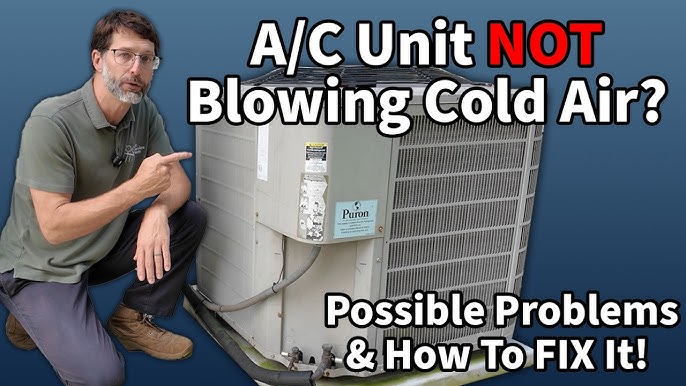
Is your air conditioner running, but the air feels warm or just not as cool as it should be? You’re not alone, and it’s frustrating when your home doesn’t feel comfortable.
Understanding why your air conditioner isn’t blowing cold air can save you time, money, and stress. You’ll discover simple reasons that might be causing the problem and easy steps you can take to fix it. Keep reading to get your cool back fast and enjoy a refreshing home again.

Credit: www.youtube.com
Common Causes Of Warm Air
Thermostat Issuescan stop your air conditioner from cooling properly. Sometimes the thermostat is set too high or may not work correctly. This causes the AC to blow warm air instead of cold.
Refrigerant Leaksreduce the cooling power of your AC. Low refrigerant means less cold air. Leaks should be fixed by a professional to restore cooling.
Clogged Air Filtersblock airflow and reduce cooling. Dirty filters cause the AC to work harder and blow warm air. Changing filters regularly helps avoid this problem.
Dirty Evaporator Coilsstop the AC from absorbing heat. Dust and dirt on coils lower cooling efficiency. Cleaning coils can improve cold air flow.
Credit: www.hannainc.com
Thermostat Troubleshooting
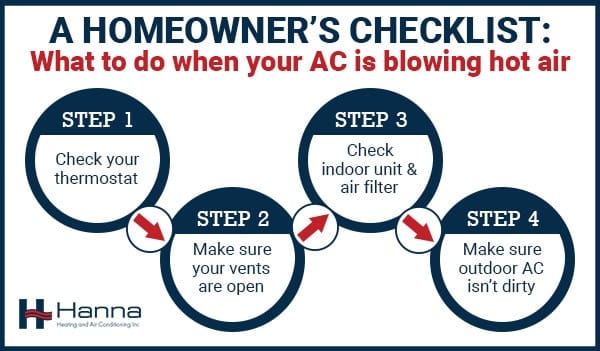
Check if the thermostat is set to cool mode. The temperature should be lower than the room temperature. This tells the AC to start cooling.
Old or weak batteries can stop the thermostat from working well. Replace batteries regularly to keep it running.
Calibration means the thermostat shows the right temperature. If it is off, the AC might not cool properly. Use a thermometer to compare and adjust the thermostat if needed.
Refrigerant Leak Solutions
A refrigerant leak often causes an air conditioner to stop blowing cold air. Low refrigerant levels reduce cooling power and make the unit less effective. Fixing leaks quickly helps restore proper cooling and saves energy.
Signs Of A Leak
Low cooling poweris a common sign of refrigerant leaks. The air conditioner may run longer but fail to cool well. You might notice hissing soundsnear the unit or ice buildupon coils. Another sign is higher electricity billsdue to the system working harder. Sometimes, a musty smellappears when refrigerant leaks inside the house.
Professional Repair Options
- Technicians use special tools to find leaks precisely.
- Refrigerant is safely removed and replaced.
- Damaged parts like coils or valves can be repaired or changed.
- System is tested thoroughly after repair for proper cooling.
Preventive Maintenance Tips
- Check air filters regularly and replace when dirty.
- Keep outdoor unit clean and free of debris.
- Schedule yearly professional inspections to catch leaks early.
- Ensure proper refrigerant levels for efficient cooling.
Cleaning Air Filters
Clogged air filtersblock airflow and lower cooling power. Dust and dirt build up over time. Check filters for dark spots or thick dust layers. Filters that look grey or brown need cleaning or replacement.
- Turn off the AC before removing the filter.
- Vacuum the filter gently to remove loose dirt.
- Wash with warm water and mild soap if very dirty.
- Let the filter dry completely before placing it back.
Filters usually last 3 to 6 months. Replace if torn or very dirty. Using clean filters keeps air fresh and cool. Regular filter care improves AC performance and saves energy.
Maintaining Evaporator Coils
Clean evaporator coilshelp your air conditioner blow cold air. Dirt and dust block airflow and reduce cooling power. Dirty coilsmake the system work harder and waste energy.
Simple cleaning can fix many problems. Turn off the power first. Use a soft brush or vacuum to remove dust gently. Avoid bending the fins on the coils. A mild detergent mixed with water can help clean tough dirt. Rinse carefully and let dry before turning the system back on.
Call a professional if coils are hard to reach or very dirty. They have special tools and knowledge to clean coils safely. Also, a pro can check for leaks or damage that need repair. Regular coil cleaning keeps your AC running well and saves money on energy bills.

Credit: www.youtube.com
Checking And Resetting Circuit Breakers
Find the breaker box. It is usually near the main electrical panel. Common places include basements, garages, or utility rooms. The box holds switches called circuit breakers. These control power to your home’s systems, including the air conditioner.
Look for a breaker labeled for the air conditioner or HVAC system. Sometimes, it might be marked as “AC” or “cooling.” If the breaker is in the offposition or stuck in the middle, it needs to be reset.
- Switch the breaker fully to the offposition.
- Wait a few seconds.
- Flip it back to the onposition.
Watch for signs of electrical problems like frequent tripping, sparks, or burning smells. These can mean a serious issue. In such cases, contact a professional electrician for help.
Inspecting The Condenser Unit
Outdoor Unit Obstructionscan block airflow and stop cooling. Check for leaves, dirt, or objects around the unit. Clear away plants, toys, or debris that may be close. Make sure nothing is touching the condenser.
Cleaning the Condenserhelps the unit work better. Gently remove dirt and dust from the fins using a soft brush or hose. Avoid bending the fins. A clean condenser cools air more well.
Ensuring Proper Airflowis key for cool air. Keep at least 2 feet of space around the unit for air to move freely. Check that fan blades spin without stopping. Blocked airflow makes the air conditioner less cold.
Professional Help Vs Diy
Choosing professional help ensures proper diagnosis and safe repairs, saving time and effort. DIY fixes may seem simple but risk causing more damage or missing hidden issues. Trusting experts often leads to faster, effective solutions for your air conditioner problems.
When To Hire A Technician
Strange noises, no airflow, or leaking waterneed expert care. DIY fixes might not solve complex problems. Call a technician if the unit won’t turn onor blows warm air. Simple tasks like cleaning filterscan be done at home. Avoid trying to fix electrical parts alone. Safety first.
Cost Analysis Of Repairs
| Repair Type | DIY Cost | Professional Cost | Notes |
|---|---|---|---|
| Filter Cleaning | Low (Free to $20) | Low ($30-$50) | Easy to do yourself |
| Refrigerant Recharge | Not recommended | High ($150-$350) | Needs special tools |
| Compressor Repair | Not possible | Very High ($400-$1200) | Expertise required |
Safety Considerations
- Electric shock risk with DIY electrical repairs.
- Refrigerant can be harmful to skin and lungs.
- Proper tools and knowledge are vital.
- Professional help reduces injury risk.
- Turn off power before inspecting or cleaning.
Frequently Asked Questions
Why Is My Air Conditioner Not Blowing Cold Air?
Your AC may lack refrigerant, have a dirty filter, or a faulty compressor. Check these first for cold airflow issues.
How Often Should I Clean My Ac Filters?
Clean AC filters every 1-3 months to ensure proper airflow and cooling efficiency. Dirty filters reduce cold air output.
Can A Frozen Evaporator Coil Cause Warm Air?
Yes, a frozen coil blocks airflow, causing warm air. It often results from low refrigerant or poor airflow.
When Should I Call A Professional For Ac Issues?
Call a technician if basic fixes fail, or you notice strange noises, leaks, or persistent warm air from your AC.
Conclusion
An air conditioner not blowing cold air can be frustrating. Check filters, thermostat, and power first. Dirty filters or wrong settings often cause problems. Sometimes, low refrigerant or a mechanical issue stops cooling. Regular cleaning and maintenance keep your AC working well.
Don’t wait until it gets hot. Fix small issues early to avoid bigger costs. Stay cool and comfortable all summer long by caring for your AC. Simple steps can make a big difference.