Have you ever wondered what happens to the refrigerant from your old air conditioner or refrigerator? It’s not just disposed of; it’s recycled to protect our environment.
But there’s a critical step in this process that you might not be aware of: checking the recycled refrigerant for air contamination. You may think this sounds like a minor detail, but it plays a significant role in ensuring the efficiency and safety of your appliances.
This step isn’t just about quality; it’s about protecting your investment and the planet. Discover why this small check can make a big difference and how it directly impacts you, your home, and the world around you. Keep reading to uncover the hidden importance of this process and how it affects your daily life.
Risks Of Air In Refrigerants
Air trapped in recycled refrigerants can create serious problems for your HVAC system. Even small amounts of air can disrupt the delicate balance needed for efficient cooling and heating. Understanding the risks of air contamination helps you protect your equipment and avoid costly repairs.
Impact On System Performance
Air inside the refrigerant reduces the system’s ability to cool or heat effectively. It causes pressure fluctuations that make the compressor work harder. You might notice your system running longer without reaching the desired temperature.
Have you ever experienced a cooling system that seemed to struggle during hot days? Air contamination could be the hidden culprit. It lowers energy efficiency and increases your utility bills without obvious signs.
Potential Safety Hazards
Air contains moisture, which can lead to corrosion inside your system’s components. This corrosion can cause leaks or even dangerous breakdowns. Moisture combined with refrigerant can form acids that damage seals and valves.
Imagine a sudden refrigerant leak in your home—this not only wastes refrigerant but can also expose you to harmful chemicals. Checking for air ensures your system operates safely and prevents unexpected hazards.
Long-term Equipment Damage
Continuous presence of air shortens the lifespan of your HVAC equipment. The extra strain on the compressor and other parts accelerates wear and tear. Over time, you may face expensive repairs or need to replace the entire system.
Think about your HVAC investment—wouldn’t you want to protect it? Regularly verifying that recycled refrigerant is free of air helps you avoid premature breakdowns and keeps your system running smoothly for years.
Credit: www.gat-matic.com
Sources Of Air Contamination
Air contamination in recycled refrigerants is a hidden threat that can severely impact the efficiency and safety of HVAC systems. Understanding where this contamination comes from helps you prevent costly damages and maintain optimal performance. Below, we dive into the common sources where air sneaks into your refrigerant during various stages of recovery and handling.
Improper Recovery Techniques
Using incorrect recovery methods can introduce air into the refrigerant. If the recovery equipment is not properly evacuated before use, air remains trapped inside and mixes with the refrigerant. This reduces the refrigerant’s purity and can cause system malfunctions later on.
Have you ever rushed to recover refrigerant without checking your tools? That small oversight might be the reason your system isn’t running as smoothly as it should. Always ensure recovery machines are leak-free and evacuated before starting.
Leaks During Handling
Leaks are a major culprit when it comes to air contamination. Even tiny cracks or loose connections during the transfer or charging process let air slip inside. This can lead to moisture build-up, corrosion, and reduced cooling capacity.
Think about the last time you handled refrigerant—did you check every connection? Double-checking seals and fittings before you start can save you from future headaches.
Storage And Transport Issues
Storing and transporting recycled refrigerants improperly can also lead to air contamination. Cylinders that aren’t sealed tightly or are stored in fluctuating temperatures may allow air to seep in. Additionally, damaged or old containers pose a higher risk of leaks over time.
Are your storage practices airtight? Small improvements, like using well-maintained cylinders and storing them in stable environments, can make a big difference. Protecting your refrigerant here protects your whole system later.
Testing Methods For Air Detection
Testing recycled refrigerant for air is crucial. Air in refrigerant reduces system efficiency and can cause damage. Detecting air ensures the refrigerant is pure and safe to reuse.
Several reliable methods help detect air in recycled refrigerants. Each method uses different technology to find even small air amounts. These tests keep refrigeration systems running smoothly.
Pressure Decay Testing
Pressure decay testing measures pressure loss over time in a sealed container. The refrigerant sample is placed under pressure and observed. If pressure drops, air or leaks may be present. This method is simple and effective for quick checks.
Gas Analyzers
Gas analyzers identify gases by measuring their chemical properties. They detect nitrogen and oxygen mixed with the refrigerant. These devices provide fast and accurate air content results. Gas analyzers are valuable for detailed air analysis.
Vacuum Leak Detectors
Vacuum leak detectors use vacuum pressure to find leaks or air in refrigerants. They create a vacuum around the sample and monitor changes. Any air intrusion shows as a pressure change. This method is sensitive and widely used in the industry.
Steps To Ensure Safe Refrigerant Use
Ensuring safe use of recycled refrigerant requires careful handling. Air contamination can harm equipment and reduce cooling efficiency. Following specific steps helps maintain refrigerant purity and system safety.
Proper Recovery Procedures
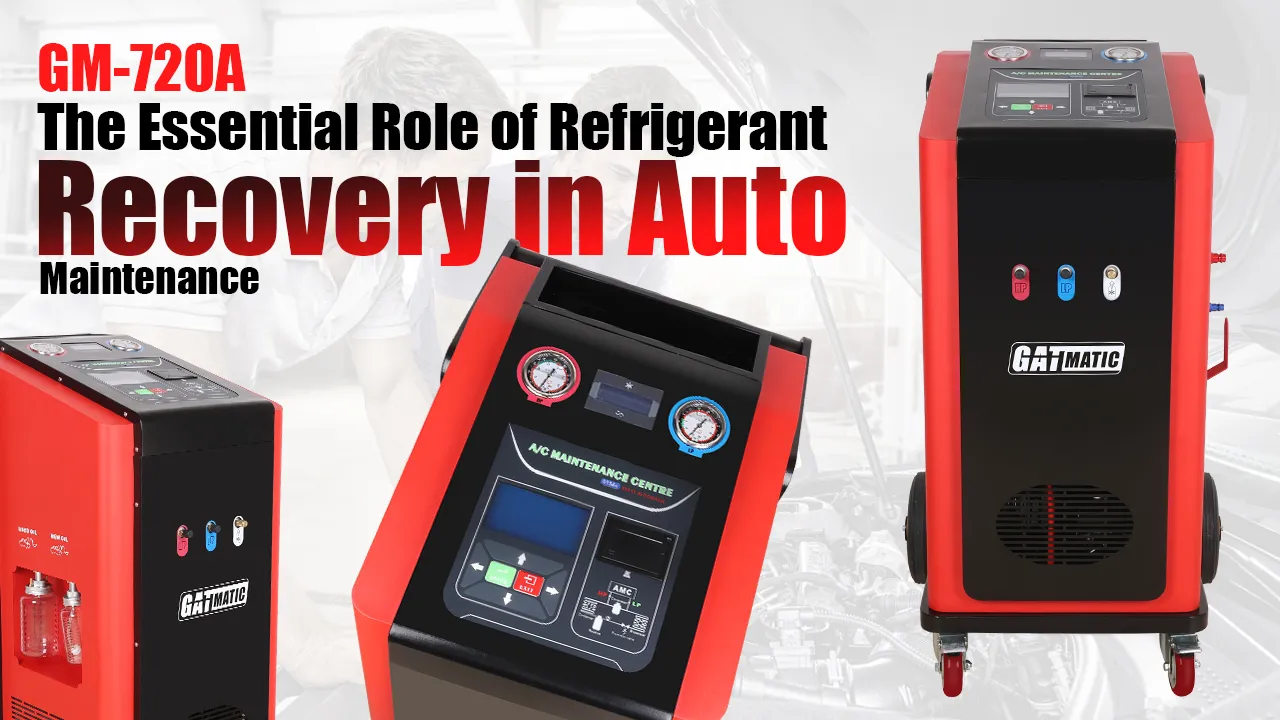
Refrigerant must be recovered using approved equipment. Avoid releasing refrigerant into the air. Use recovery machines that capture refrigerant without letting air enter. Store recovered refrigerant in clean, sealed containers. Label containers clearly to avoid mixing with other substances.
Thorough Air Removal Process
Remove air from refrigerant before reuse. Air causes pressure problems and reduces cooling power. Use vacuum pumps to evacuate air and moisture. Check for leaks in the recovery system. Perform multiple evacuation cycles if needed to ensure purity.
Regular Equipment Maintenance
Keep recovery and recycling machines in good condition. Inspect hoses and connections for cracks or leaks. Clean filters and replace worn parts regularly. Calibrate gauges and meters for accurate readings. Proper maintenance prevents air contamination and equipment failure.
Benefits Of Air-free Recycled Refrigerant
Checking recycled refrigerant for air is crucial to ensure it remains pure and effective. Air contamination can significantly reduce the performance of the refrigerant, affecting both your equipment and the environment. Understanding the benefits of using air-free recycled refrigerant can help you see why this step should never be skipped.
Enhanced Efficiency
Air in recycled refrigerant lowers its cooling ability. This means your system has to work harder to achieve the desired temperature. Removing air keeps the refrigerant’s performance at its peak, helping your equipment run more smoothly and use less energy.
Have you noticed your cooling system running longer than usual? Air contamination could be the culprit, forcing your system to strain unnecessarily.
Extended Equipment Lifespan
Air inside the refrigerant can cause corrosion and wear in your HVAC components. This leads to frequent breakdowns and expensive repairs. Using air-free recycled refrigerant protects your system’s internal parts, helping them last longer and operate reliably.
Think about how often you’ve had to fix or replace parts. Ensuring the refrigerant is free of air can reduce these hassles and save you money in the long run.
Reduced Environmental Impact
Air-contaminated refrigerant can cause leaks and inefficient operation, increasing energy consumption. Higher energy use means more greenhouse gas emissions. By checking and removing air, you help keep the refrigerant cleaner and your system greener.
Do you want to reduce your carbon footprint? Maintaining air-free recycled refrigerant is a simple yet effective way to make your cooling system more eco-friendly.

Credit: www.achrnews.com
Credit: www.pippinbrothers.com
Frequently Asked Questions
Why Is Air Contamination In Recycled Refrigerant Harmful?
Air contamination reduces refrigerant efficiency and can cause system damage. It leads to improper cooling and increased energy use. Moisture and air cause corrosion and blockages, affecting system performance and lifespan. Checking for air ensures the refrigerant is clean and safe to reuse.
How Does Air Enter Recycled Refrigerant?
Air can enter during recovery, storage, or handling if seals fail or equipment is faulty. Improper procedures or leaks introduce air and moisture. Detecting and removing air maintains refrigerant purity, protecting HVAC systems from damage and inefficiency.
What Tools Detect Air In Recycled Refrigerant?
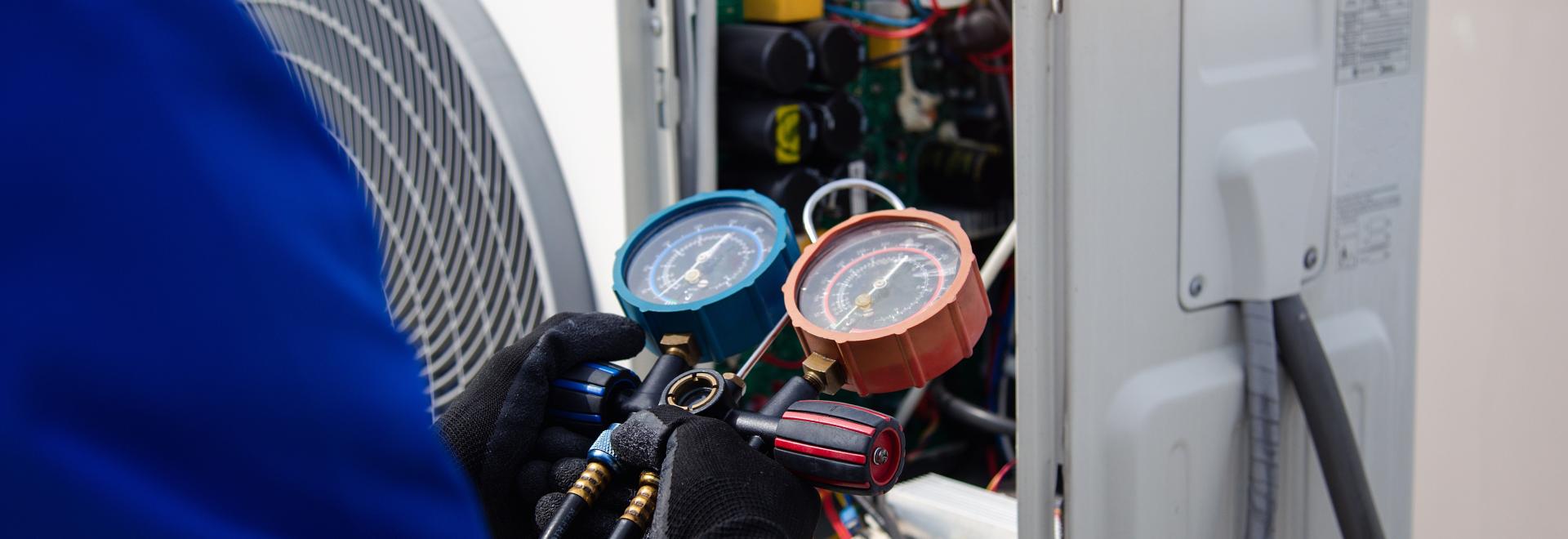
Specialized refrigerant analyzers and moisture meters detect air contamination. These tools measure purity levels, moisture, and non-condensable gases. Regular testing ensures recycled refrigerant meets safety and performance standards before reuse.
Can Air In Recycled Refrigerant Cause System Failure?
Yes, air causes corrosion, ice formation, and pressure issues in HVAC systems. These problems reduce cooling efficiency and increase wear. Removing air from recycled refrigerant prevents costly repairs and extends system life.
Conclusion
Checking recycled refrigerant for air keeps systems safe and efficient. Air inside refrigerant can cause damage and reduce cooling power. It also raises energy use and costs. Clean refrigerant helps machines last longer and work better. Technicians must test for air to avoid problems.
This simple step protects equipment and saves money. Always ensure recycled refrigerant is free from air before reuse. Safety and performance depend on it.