Is your central air conditioner leaking water and leaving you worried? You’re not alone, and understanding why this happens can save you from costly repairs and discomfort.
When your AC starts dripping, it’s a clear sign that something isn’t right—whether it’s a simple clog or a more serious issue. You’ll discover the common reasons behind water leaks in your central air system and learn what you can do to fix them quickly.
Keep reading to protect your home and stay cool without the stress.
Common Causes Of Ac Water Leaks
Water leaks from a central air conditioner can cause damage at home. Knowing the main causes helps to fix the problem fast.
Here are common reasons why your AC might be leaking water. Each issue needs a different approach to repair.
Clogged Condensate Drain Line
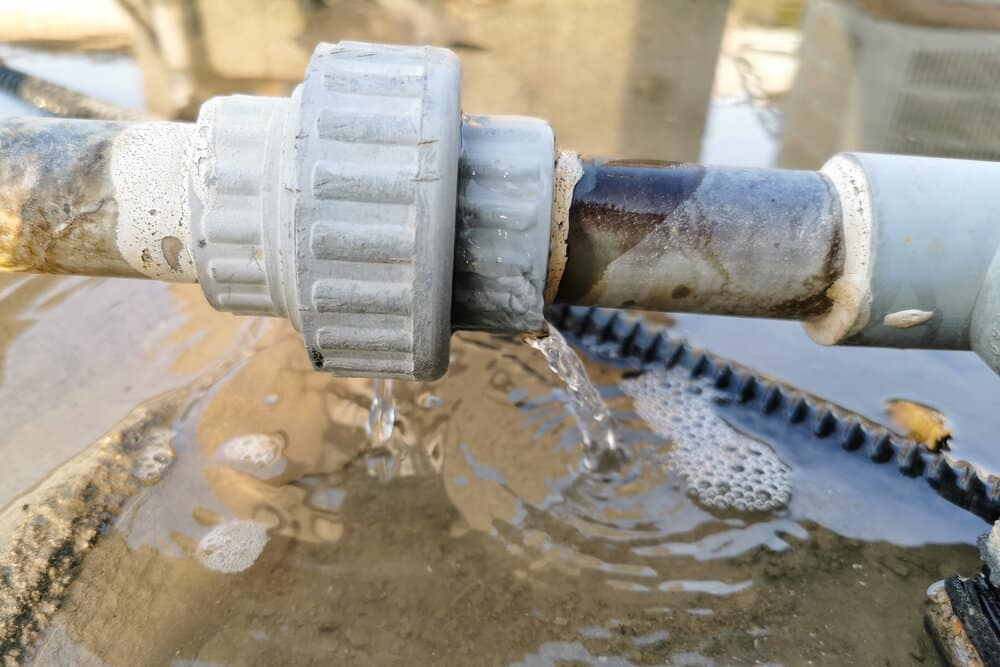
The condensate drain line carries water outside. Dirt and algae can clog it. This causes water to back up and leak inside.
- Leaves and dirt block the drain.
- Algae growth narrows the pipe.
- Drain line may crack or break.
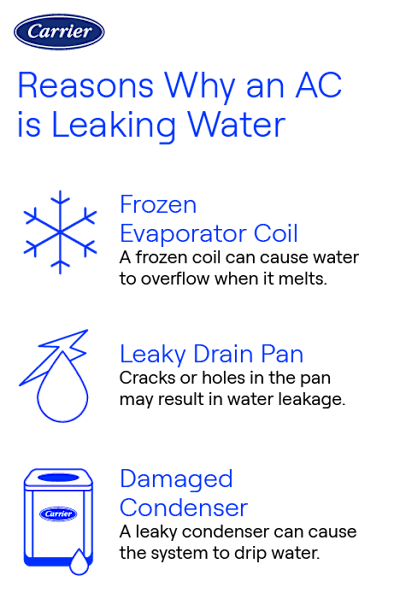
Frozen Evaporator Coil
The evaporator coil cools the air. If it freezes, water builds up when it melts. This water can drip outside the pan.
Damaged Drain Pan
The drain pan collects water from the evaporator coil. If the pan is cracked or rusted, water will leak out.
| Cause | Effect | Fix |
|---|---|---|
| Cracked Drain Pan | Water leaks on floor | Replace or seal the pan |
| Rusted Pan | Slow leak over time | Replace pan |
Improper Installation
If the AC is installed wrong, water may not drain properly. Poor leveling or wrong pipe placement causes leaks.
Low Refrigerant Levels
Low refrigerant makes the coil too cold. This leads to freezing and melting, causing water leaks around the unit.
Signs Of A Leaking Air Conditioner
Water leaking from a central air conditioner is a common problem. It can cause damage if ignored. Knowing the signs helps you act fast.
Look for clear clues around your unit and inside your home. These signs show if your air conditioner is leaking water.
Water Puddles Near Unit
One sign of a leaking AC is water pooling near the outdoor unit. This happens when the drain line clogs or freezes.
- Small puddles or wet spots around the unit
- Water dripping from the unit base
- Wet ground that does not dry quickly
Increased Humidity Indoors
When your AC leaks, it cannot remove moisture properly. This raises indoor humidity and makes rooms feel damp.
| Humidity Level | Effect on Home |
| Below 50% | Comfortable and dry |
| 50% to 60% | Feels slightly damp |
| Above 60% | Musty smell and condensation |
Unusual Noises
Leaks can cause strange sounds from your air conditioner. Listen for any unusual noises during operation.
- Gurgling sounds from water buildup
- Hissing noises from refrigerant leaks
- Clicking or banging due to frozen coils
Reduced Cooling Efficiency
A leaking AC loses its ability to cool well. You may notice your home takes longer to cool or stays warm.
- Higher energy bills from longer run times
- Uneven temperatures in different rooms
- Frequent cycling on and off
How To Fix A Clogged Drain Line
Water leaking from your central air conditioner often means the drain line is clogged. This line removes water from the system. When it gets blocked, water backs up and leaks inside.
Fixing a clogged drain line can stop leaks and protect your home. You can try simple tools and safe cleaners to clear the blockage.
Using A Wet/dry Vacuum
A wet/dry vacuum can suck out the clog from the drain line. This tool creates strong suction to clear the blockage fast.
Attach the vacuum hose to the drain line’s outdoor end. Turn on the vacuum for about 2 minutes. This pulls out dirt and debris blocking the pipe.
Applying Vinegar Flush
Vinegar is a natural cleaner that breaks down slime and mold inside the drain line. Use white vinegar for the best results.
Pour one cup of vinegar into the drain line’s access point. Let it sit for 30 minutes to an hour. Then, flush the line with water to clear loosened buildup.
Preventive Maintenance Tips
Keeping the drain line clean stops future clogs. Regular care helps your air conditioner run smoothly.
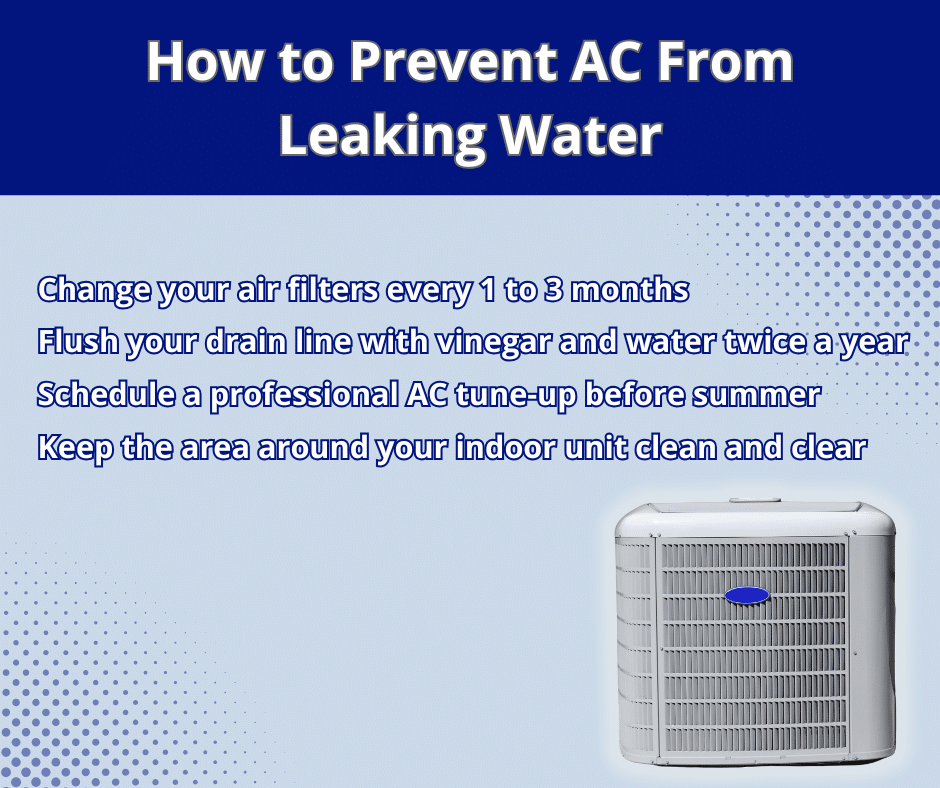
- Check the drain line every few months for blockages
- Flush the line with vinegar every 3 to 6 months
- Keep the area around the outdoor unit clean and clear
- Change air filters regularly to reduce dirt buildup
- Schedule yearly professional inspections for your AC
Credit: fischerheating.com
Addressing A Frozen Evaporator Coil
Your central air conditioner may leak water if the evaporator coil freezes. This happens because ice melts and drips outside the normal drain path.
Understanding why the coil freezes can help you fix the leak and avoid future problems.
Causes Of Freezing
Several issues can cause the evaporator coil to freeze. Low airflow and low refrigerant levels are the most common reasons.
- Dirty or clogged air filters reduce airflow.
- Blocked vents stop cool air from circulating.
- Low refrigerant due to leaks lowers pressure.
- Thermostat set too low for long periods.
- Faulty blower fan fails to move air.
Thawing Techniques
Thawing a frozen coil is important before fixing the cause. Turn off the AC and let the ice melt naturally.
You can speed up thawing by using a fan to blow warm air on the coil. Avoid using sharp objects to chip ice off.
- Switch off the air conditioner.
- Turn on a fan to warm the coil.
- Let the ice melt completely.
- Do not force ice off with tools.
Preventing Recurrence
Fixing the root cause stops freezing from happening again. Regular maintenance helps keep your AC working well.
Change air filters often. Check refrigerant levels and clean vents. Set the thermostat to a reasonable temperature.
- Replace or clean air filters monthly.
- Inspect refrigerant levels yearly.
- Keep vents and ducts clean and open.
- Set thermostat between 72 and 78 degrees.
- Schedule professional AC checkups annually.
Repairing Or Replacing A Damaged Drain Pan
Your central air conditioner has a drain pan to collect water. A damaged drain pan can cause leaks. Fixing or replacing it stops water damage.
Knowing when to repair or replace the drain pan helps protect your home. It also keeps your AC running well.
Identifying Damage
Look under your air conditioner for water pooling. Check the drain pan for rust, cracks, or holes. These signs mean the pan is damaged.
Damaged drain pans often smell musty or show mold. Water may drip from the unit or around the pan.
- Rust spots on the pan
- Visible cracks or holes
- Water leaking or pooling
- Musty or moldy smell near the AC
Temporary Fixes
Use temporary fixes to stop leaks until you repair or replace the pan. Clean the pan to remove dirt and mold first.
Apply waterproof tape or sealant over cracks. Place a shallow container under leaks to catch water. These fixes reduce damage but do not last long.
- Clean the drain pan thoroughly
- Use waterproof tape on cracks
- Apply sealant around holes
- Catch leaks with a container
When To Replace
Replace the drain pan if damage is severe. Large cracks, rust holes, or frequent leaks mean the pan can no longer hold water.
Replacing ensures your air conditioner works well and prevents water damage to your home’s structure.
- Rust covers most of the pan
- Large cracks or holes present
- Temporary fixes fail repeatedly
- Water damage to nearby areas
Credit: honorservices.com
Ensuring Proper Ac Installation
Water leaking from a central air conditioner often starts with poor installation. Proper setup helps avoid common problems.
Focus on key areas like unit leveling, drainage, and choosing the right installer. These steps reduce water leaks and keep your AC running well.
Correct Unit Leveling
Leveling the outdoor AC unit is essential. If the unit tilts, water may not drain properly and can leak inside.
Make sure the base is flat and stable. This helps the condensate drain as it should and prevents water buildup.
Proper Drainage Setup
Drainage pipes must be installed correctly to carry away condensation. A bad drainage setup causes water to back up.
- Use the right size drain pipe for your AC model.
- Keep the drain line clear from blockages.
- Install a slight downward slope for easy water flow.
- Check the drain pan regularly for cracks or damage.
Hiring Qualified Professionals
Professional installation matters. Experts follow guidelines to prevent leaks and ensure proper AC function.
| Benefit | Why It Matters |
| Correct Leveling | Prevents water pooling and leaks |
| Proper Drainage | Ensures water flows away safely |
| Right Equipment Use | Supports system efficiency and durability |
| Safety Checks | Reduces risk of damage and hazards |
Managing Refrigerant Issues
Water leaks in central air conditioners often relate to refrigerant problems. Proper refrigerant levels keep your system running smoothly. Low refrigerant can cause ice build-up and water leaks.
Understanding the signs of low refrigerant helps prevent damage. Knowing when to get professional help and how to avoid leaks keeps your AC efficient.
Signs Of Low Refrigerant
Low refrigerant causes your AC to work harder and leak water. Watch for these signs:
- Longer cooling times and weak airflow
- Ice forming on the evaporator coil
- Hissing or bubbling sounds near the refrigerant lines
- Increased energy bills
- Water dripping around the indoor unit
Professional Recharge Services
Only licensed technicians should handle refrigerant recharging. They use special tools to measure and refill refrigerant safely. Improper handling can harm the system or the environment.
| Service | Description | Importance |
| Leak Detection | Finds where refrigerant escapes | Prevents system damage |
| Refrigerant Recharge | Refills refrigerant to proper levels | Restores cooling efficiency |
| System Inspection | Checks for other problems | Ensures safe operation |
Avoiding Leaks
Leaks often happen from wear and tear or poor maintenance. Follow these tips to avoid refrigerant leaks:
- Schedule regular AC check-ups
- Clean or replace air filters monthly
- Keep the outdoor unit clear of debris
- Check refrigerant lines for damage or corrosion
- Fix leaks immediately with professional help

Credit: honorservices.com
Preventive Tips To Avoid Water Leaks
Water leaks from a central air conditioner cause damage and waste energy. Preventing leaks keeps your home safe and your system running well.
Simple actions can stop leaks before they start. Follow these tips to protect your air conditioner.
Regular Maintenance Schedule
Set a clear schedule for checking your air conditioner. Regular maintenance helps spot problems early and keeps parts working well.
- Inspect the drain pan for cracks or rust
- Check the condensate drain line for blockages
- Schedule professional tune-ups twice a year
- Replace worn-out parts promptly
Cleaning Filters And Coils
Dirty filters and coils block airflow and cause water to build up. Keep these parts clean to avoid leaks and improve cooling.
| Component | Cleaning Frequency | Cleaning Method |
| Air Filters | Every 1-2 months | Wash or replace as needed |
| Evaporator Coils | Yearly | Use coil cleaner or hire a technician |
| Condensate Drain Line | Every 6 months | Flush with bleach or vinegar solution |
Monitoring System Performance
Watch how your air conditioner works daily. Early signs of trouble help you fix leaks fast and avoid bigger damage.
- Listen for strange noises or vibrations
- Check for unusual moisture around the unit
- Feel for cool air coming from vents
- Observe any sudden rise in energy bills
Frequently Asked Questions
Why Is My Air Conditioner Leaking Water?
Your air conditioner may leak water due to a clogged drain line or a frozen evaporator coil. A blocked drain pan or improper installation can also cause leaks. Regular maintenance and cleaning can prevent these issues and keep your system running efficiently.
How Can I Fix My Leaking Ac Unit?
To fix a leaking AC, first, check the drain line for clogs. Clean or unclog it if necessary. Ensure the drain pan is not damaged or overflowing. If the problem persists, contact a professional HVAC technician for further assistance.
Is A Leaking Ac Dangerous?
A leaking air conditioner is not immediately dangerous, but it can cause water damage or mold growth. Addressing the issue promptly can prevent further complications. Regular maintenance can help avoid leaks and ensure your AC operates safely and efficiently.
Can I Prevent My Ac From Leaking?
Yes, regular maintenance can prevent your AC from leaking. Clean or replace air filters monthly. Ensure the drain line is clear of clogs. Schedule annual professional inspections to keep your system running smoothly and avoid potential leaks.
Conclusion
A leaking central air conditioner needs quick attention. Clogged drains or broken parts often cause leaks. Regular cleaning and timely repairs keep your system working well. Ignoring leaks can lead to bigger problems and higher costs. Stay alert to any water around your unit.
Fix issues early to save money and avoid damage. Proper care helps your air conditioner last longer. Keep your home cool and dry by acting fast. Simple steps make a big difference in performance.