Have you ever opened your fridge only to find your fresh fruits or leftovers frozen solid? It’s frustrating when your food turns icy, changing texture and taste in ways you didn’t expect.
You might wonder why your refrigerator is freezing your food when it’s supposed to keep it fresh, not turn it into a mini icebox. Understanding the reasons behind this common problem can save you from wasting food and money. You’ll discover the simple causes of why your refrigerator freezes food and learn easy tips to stop it from happening again.
Keep reading to protect your groceries and enjoy your meals just the way they should be.
Common Causes Of Food Freezing
Food freezing inside a refrigerator is a common problem that confuses many users. This issue often happens due to a few simple causes. Understanding these causes helps prevent your food from freezing unexpectedly. Below are the common reasons your fridge might freeze food.
Thermostat Setting Issues
The thermostat controls the fridge temperature. If set too low, the fridge becomes colder than needed. This causes food to freeze, especially items near the cooling vents. Check the thermostat and adjust it to a proper temperature, usually between 35°F and 38°F (1.6°C to 3.3°C).
Cold Air Vents Problems
Cold air vents spread chilled air inside the fridge. Blocked or damaged vents cause uneven cooling. Some areas become very cold, freezing food placed nearby. Make sure vents are clear and not blocked by food containers or packaging.
Faulty Temperature Sensors
Temperature sensors help the fridge maintain the right temperature. A broken or faulty sensor gives wrong signals to the compressor. This leads to the fridge cooling too much, freezing your food. If suspecting this, call a technician to check or replace the sensor.
Overloading The Fridge
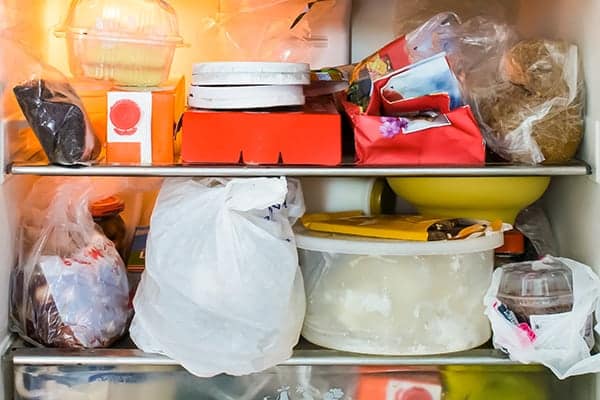
Putting too much food in the fridge blocks air circulation. Poor airflow causes some spots to get colder than others. These cold spots freeze food quickly. Avoid stuffing the fridge and leave space for air to move freely.

Credit: oakvalleyappliance.com
Effects Of Freezing On Food Quality
Freezing food is a common way to preserve it, but have you noticed changes in your meals after they come out of the freezer? The freezing process affects food quality in several ways, impacting texture, nutrients, and taste. Understanding these effects helps you manage your food better and keep meals enjoyable.
Texture Changes
Freezing turns water inside food into ice crystals. These crystals can damage cell walls, especially in fruits and vegetables. When thawed, you may find your food feels softer or mushy compared to fresh.
Meats can become tougher if frozen too long or thawed incorrectly. On the other hand, some foods like bread maintain texture well if wrapped tightly. Have you ever noticed your frozen berries turning into a soft mess? That’s the ice crystal effect in action.
Nutrient Loss
Freezing slows down nutrient loss but doesn’t stop it completely. Vitamins like C and B are more sensitive and may degrade over time, even in the freezer. However, freezing soon after harvesting helps lock in most nutrients.
Cooking frozen food can cause additional nutrient loss, especially if boiled. Steaming or microwaving can help retain more vitamins. Are you considering how long your food stays in the freezer? The longer it stays, the more nutrients might fade.
Taste Alterations
Freezing can dull the flavor of some foods, while others keep their taste well. Fatty foods like cheese or cream can develop off-flavors if frozen too long. Spices and herbs might lose their punch after freezing.
Proper packaging and fast freezing can help preserve flavor better. Have you tried freezing leftovers in airtight containers? That simple step can make a big difference in taste when reheated.
Diagnosing Freezing Problems
Figuring out why your refrigerator is freezing food can be tricky. It’s not always about the settings you think. Often, a few simple checks can reveal what’s causing your fresh veggies to turn into ice cubes overnight.
Checking Temperature Settings
Start by looking at your fridge’s temperature control. Most refrigerators should be set between 37°F and 40°F (3°C to 4°C). If it’s lower than this, your food could freeze without warning.
Have you ever noticed your fridge feels colder than usual but didn’t think to check the dial? It’s an easy fix that can save you from wasted groceries.
Inspecting Door Seals
Next, check the door seals for any cracks or gaps. A poor seal lets cold air escape and forces the fridge to work harder, sometimes causing uneven cooling and freezing in spots.
Try closing the door on a piece of paper. If it slips out easily, the seal might need cleaning or replacing. This simple test helped me catch a faulty seal before my lettuce turned to ice.
Monitoring Air Circulation
Good air circulation inside your fridge keeps temperatures even. Overcrowding blocks vents, causing cold spots that freeze food. Have you ever packed your fridge so full you couldn’t see the back? That’s a common culprit.
Make sure there’s space around items and vents aren’t blocked. Proper airflow can stop freezing in its tracks and keep your food fresh longer.
Expert Solutions To Prevent Freezing
Freezing food unintentionally in your refrigerator can be frustrating and wasteful. Luckily, there are clear solutions you can apply to stop this problem from happening. Understanding how to manage temperature settings, organize your food properly, and maintain your fridge can make a big difference.
Adjusting Thermostat Correctly
Your fridge’s thermostat controls the temperature, but setting it too low often causes freezing. Aim for a temperature between 37°F (3°C) and 40°F (5°C) for the fridge compartment. Have you checked your thermostat recently? Sometimes a simple tweak can prevent frozen vegetables and spoiled leftovers.
Keep in mind that placing the thermostat near the back can cause inaccurate readings, leading to overcooling. If your fridge has multiple settings, try adjusting by one degree at a time and observe the changes over a day or two. This gradual approach helps find the perfect balance without freezing your food.
Rearranging Food For Better Airflow
Proper airflow inside your fridge is crucial to avoid cold spots where freezing happens. Avoid stuffing the fridge completely full; leave space between items to let cold air circulate evenly. Ever noticed frost accumulating in one corner? That’s usually a sign of poor airflow.
Place items like fruits and vegetables in drawers designed for them, and keep containers away from air vents. Using clear bins can also help you see everything without constantly moving things around, which disrupts airflow and temperature. How often do you rearrange your fridge contents to keep air flowing?
Replacing Faulty Components
Sometimes freezing issues arise from broken parts like a malfunctioning thermostat, defrost timer, or temperature sensor. If your fridge keeps freezing food despite correct settings and good airflow, it might be time to inspect these components. Have you noticed inconsistent temperatures or unusual noises?
Replacing faulty parts can restore your fridge’s normal function. Consult a professional technician if you’re unsure, as handling electrical components can be risky. Addressing these issues early prevents bigger problems and food waste.
Regular Maintenance Tips
Routine maintenance keeps your refrigerator running smoothly and prevents freezing problems. Clean the condenser coils every six months to improve cooling efficiency. Dust and debris buildup can cause your fridge to overcool in some spots.
Check door seals regularly to ensure they close tightly. Broken seals let warm air in, forcing the fridge to work harder and sometimes overcool. Do you remember the last time you cleaned and inspected your fridge? Small upkeep tasks can save you time, money, and spoiled food in the long run.
When To Call A Professional
Knowing when to call a professional for your refrigerator is crucial. Freezing food unexpectedly can be more than just a minor annoyance—it might signal a deeper issue that needs expert attention. Ignoring the signs can lead to costly repairs or even a total appliance failure.
Signs Of Mechanical Failure
Does your fridge run constantly or make loud noises? These could be signs of a failing compressor or fan motor. Another red flag is uneven cooling—if some areas are freezing while others stay warm, the thermostat or temperature sensor might be broken.
Look out for water pooling inside or around the fridge. This can indicate a blocked defrost drain or malfunctioning defrost heater. If you notice frost building up excessively inside the freezer, it might mean the defrost system isn’t working properly.
Have you tried adjusting the temperature settings without any change? This often points to a control board or sensor failure. If your fridge is old and showing multiple signs like these, calling a professional can save you time and money.
Complex Repairs To Avoid
Some repairs are best left to the experts, especially if they involve electrical or sealed system components. Don’t attempt fixing the compressor, refrigerant leaks, or sealed system parts yourself. These require special tools and certification.
Replacing the defrost heater or thermostat can be tricky without proper knowledge. Incorrect handling might cause further damage or safety hazards. If your fridge needs internal wiring repairs or control board replacement, it’s safer to call a technician.
Think about this: Would you try to fix your car’s engine without training? Your refrigerator’s complex parts deserve the same respect. Professional help ensures the problem is fixed correctly and prevents future breakdowns.

Credit: getmainelobster.com

Credit: paradiseapplianceservice.com
Frequently Asked Questions
Why Does My Refrigerator Freeze Food Unexpectedly?
Your refrigerator may freeze food due to incorrect temperature settings or faulty thermostat. Cold air vents near the freezer can cause localized freezing. Ensure proper airflow and keep the temperature between 37°F and 40°F to prevent freezing.
How Does A Faulty Thermostat Cause Food Freezing?
A faulty thermostat can misread temperatures, causing the fridge to overcool. This leads to freezing of food items not meant to freeze. Replacing or repairing the thermostat helps maintain stable, safe temperatures and prevents unwanted freezing.
Can Improper Fridge Airflow Cause Food To Freeze?
Yes, improper airflow can cause cold spots in your fridge. Air vents near the freezer release cold air that may freeze nearby food. Keep vents clear and avoid blocking them to maintain even cooling and prevent freezing.
What Temperature Should My Fridge Be To Avoid Freezing?
Set your refrigerator temperature between 37°F (3°C) and 40°F (4°C). This range keeps food fresh without freezing. Temperatures below 37°F increase the risk of unwanted freezing of food items.
Conclusion
Freezing food in your refrigerator happens due to low temperatures. It can spoil the texture and taste of your food. Adjust the temperature settings to avoid this problem. Keep food away from the freezer section inside the fridge. Use airtight containers to protect your food better.
Regularly check your fridge’s thermostat and door seals. These simple steps keep your food fresh and safe. Understanding why your refrigerator freezes food helps you prevent waste. Small changes make a big difference in food storage. Stay aware and keep your meals tasty every day.