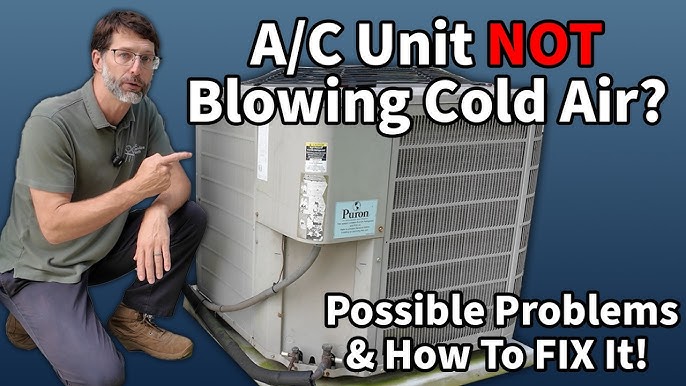
Is your air conditioner running, but the room just won’t cool down? It’s frustrating when you expect a cool breeze, but all you get is warm air.
You might wonder, “Why is my AC not cooling? ” You’re not alone, and the answer could be simpler than you think. Understanding the common reasons behind this problem can save you time, money, and discomfort. Keep reading to discover what might be stopping your air conditioner from doing its job—and how you can fix it fast.
Credit: fischerheating.com
Common Causes Of Poor Cooling
Air conditioners sometimes fail to cool your home properly. Several common problems can cause this issue. Knowing these causes helps you find the right fix.
This guide explains five main reasons why your air conditioner may not cool well. Each section covers one cause and what to check.
Dirty Air Filters
Air filters trap dust and dirt from the air. When they get clogged, airflow slows down. This makes your AC less effective and may cause it to freeze up.
- Check filters every month during heavy use
- Replace or clean filters if dirty
- Use the correct filter size for your unit
Refrigerant Leaks
Refrigerant cools the air inside your home. Leaks reduce its level, lowering cooling power. Signs include hissing sounds or ice on pipes.
A professional should find and fix leaks. Adding refrigerant without repair wastes money and harms the system.
Thermostat Issues
If the thermostat is set wrong or broken, the AC won’t cool properly. It might turn off too soon or not turn on at all.
| Problem | Effect |
| Wrong temperature setting | Room stays too warm or cold |
| Dead batteries | Thermostat stops working |
| Faulty sensor | Incorrect temperature reading |
Blocked Condenser Unit
The condenser is outside and helps release heat. Dirt, leaves, or debris can block it. This stops heat from escaping and reduces cooling.
- Keep area around condenser clean
- Remove leaves and grass regularly
- Trim plants at least two feet away
Electrical Problems
Electric parts control your air conditioner. Broken wires or bad connections stop it from working well. The unit might not start or run inconsistently.
Signs of electrical issues include:
- AC won’t turn on
- Frequent circuit breaker trips
- Strange noises or burning smells
Quick Troubleshooting Steps
Is your air conditioner not cooling your home effectively? This guide helps you find simple solutions. Try these quick steps to restore cool air in your space.
Follow these easy steps before calling a technician. They might just save you time and money.
Check And Replace Filters
Dirty filters block airflow and reduce cooling efficiency. Check your air filter to see if it needs cleaning or replacing.
Replace filters every 1-3 months. This ensures proper airflow and cleaner air.
- Turn off the air conditioner.
- Locate the air filter slot.
- Remove and inspect the filter.
- Replace if dirty or clogged.
Inspect Thermostat Settings
Sometimes, incorrect thermostat settings can stop your AC from cooling. Double-check the thermostat’s settings to ensure it’s set to cool mode.
Ensure the temperature setting is lower than the room temperature. This prompts the AC to start cooling.
- Check if the thermostat is set to “cool”.
- Adjust the temperature setting.
- Replace batteries if the display is dim or off.
Clear Obstructions Around Unit
Obstructions around the AC unit can block airflow. Look for objects or debris near the unit.
Clear away any plants, leaves, or furniture that might block the air.
- Ensure two feet of clearance around the unit.
- Remove leaves and debris from the unit’s base.
- Trim nearby bushes or shrubs.
Reset Circuit Breaker
A tripped circuit breaker can cut power to your AC. Locate your home’s electrical panel to check the breakers.
If the AC breaker is off, reset it to restore power. This might solve cooling issues.
- Open the electrical panel door.
- Look for the AC breaker.
- Flip it to the “off” position, then back to “on”.
When To Call A Professional
If your air conditioner is not cooling, you may need expert help. Some problems need special tools and skills.
Calling a professional can save time and prevent more damage. They can fix complex issues safely and quickly.
Handling Refrigerant Problems
Low refrigerant can stop your AC from cooling well. Only certified technicians should handle refrigerant.
They check for leaks and refill refrigerant safely. Incorrect handling can harm the environment or damage the system.
- Technicians find and fix leaks
- They recharge refrigerant to proper levels
- They use tools that avoid leaks and spills
Electrical Repairs
Electrical problems can cause your AC to stop working or cool poorly. Professionals know how to find wiring issues.
They can replace fuses, capacitors, and contactors safely. Avoid trying electrical repairs on your own.
- Check wiring connections and circuit breakers
- Replace damaged electrical parts
- Test the system for safe operation
Compressor Issues
The compressor is the heart of your AC. If it fails, the system will not cool.
Only trained technicians can diagnose compressor problems. Repairs often need special tools and parts.
- Test the compressor motor and pressure
- Replace or repair the compressor if needed
- Check the system after repair to confirm cooling

Credit: www.delcohvac.com
Preventive Maintenance Tips
Air conditioners need care to work well and cool your home. Regular maintenance helps avoid problems and saves energy.
Follow simple steps to keep your air conditioner in good shape all year.
Regular Filter Cleaning
Dirty filters block airflow and reduce cooling. Clean or replace filters often to keep air moving freely.
- Check filters every month during heavy use.
- Wash reusable filters with water and let them dry.
- Replace disposable filters every 1-3 months.
- Keep spare filters handy for quick changes.
Scheduled Professional Inspections
Experts find issues that are hard to see. Schedule yearly checkups to keep your system running smoothly.
Professionals check refrigerant levels, clean coils, and test electrical parts for safety and efficiency.
Proper Unit Placement
Place the air conditioner where it can get enough fresh air. Avoid spots near heat sources or direct sunlight.
| Placement Tip | Reason |
|---|---|
| Shade the outdoor unit | Keeps it cooler and improves efficiency |
| Clear debris around unit | Allows good airflow |
| Install away from vents or exhausts | Prevents hot air recirculation |
| Mount on a flat, stable surface | Reduces vibration and noise |
Seasonal System Checkups
Check your air conditioner before summer and after winter. Seasonal care keeps it ready for hot days.
- Clean coils and fins to improve heat exchange.
- Inspect and clear the drain line to avoid water leaks.
- Test thermostat and controls for accuracy.
- Lubricate moving parts to reduce wear.
Credit: northnjhvac.com
Frequently Asked Questions
Why Is My Air Conditioner Blowing Warm Air?
Your AC may blow warm air due to low refrigerant, dirty filters, or a faulty compressor. Check these issues promptly to restore cooling efficiency.
How Does A Dirty Air Filter Affect Cooling?
A dirty filter blocks airflow, reducing cooling performance. Replace or clean filters regularly to maintain proper air circulation and cooling.
Can A Frozen Evaporator Coil Cause No Cooling?
Yes, frozen coils restrict airflow and reduce cooling. This often happens from low refrigerant or poor airflow due to dirty filters.
Why Is My Air Conditioner Not Cooling Enough?
Insufficient cooling can result from refrigerant leaks, dirty coils, or thermostat issues. Regular maintenance helps keep your AC running efficiently.
Conclusion
A cooling air conditioner makes home comfortable. Dust, dirty filters, or low refrigerant stop cooling. Regular cleaning helps your AC work well. Check for leaks or blocked vents often. Small problems can turn into big ones fast. Call a professional if you cannot fix it.
Stay cool by keeping your AC in good shape. Simple care saves money and keeps you comfortable. Don’t let a broken AC ruin hot days. Act quickly to enjoy cool air again.