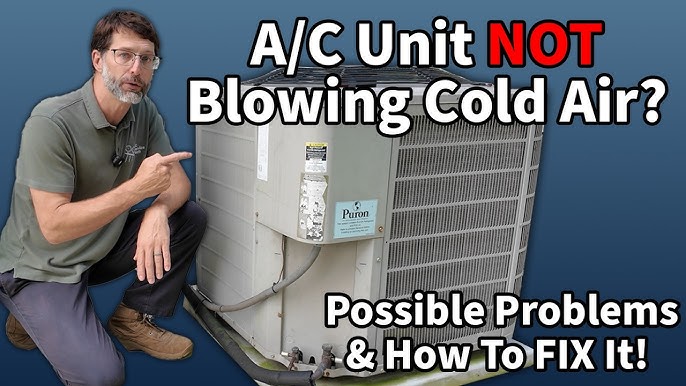
Is your air conditioner running but not cooling your space like it should? It’s frustrating when you expect a refreshing breeze, but instead, you’re left sweating and uncomfortable.
You might be wondering why your AC isn’t doing its job. The good news is, you’re not alone—and understanding the common reasons behind this problem can help you fix it faster. Keep reading, and you’ll discover simple explanations and practical tips to get your air conditioner back to cooling your home effectively.
Don’t let the heat win—let’s find out what’s going wrong with your AC right now.
Credit: acerefrigeration.ca
Common Causes Of Poor Cooling
Dirty air filtersblock airflow and reduce cooling efficiency. Regular cleaning or replacement keeps air flowing freely.
Refrigerant leakscause the system to lose cooling power. Low refrigerant means the AC can’t cool properly and needs a professional fix.
Thermostat issuesmay cause wrong temperature readings. This leads the AC to turn off early or not cool enough.
Blocked condenser coilsstop heat from leaving the unit. Dirt and debris build-up means the AC struggles to cool the air.
Faulty compressorcan stop the cooling cycle. It is the heart of the AC system, and problems here need expert repair.

Credit: www.delcohvac.com
Quick Diy Fixes
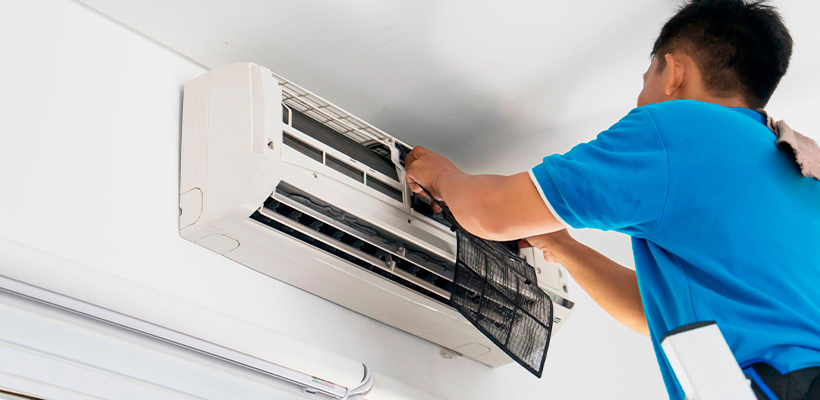
Dirty or clogged air filters block airflow and reduce cooling. Clean filters with water or replace them every 1-3 months for better air quality and efficiency.
Incorrect thermostat settings can stop your AC from cooling well. Set the thermostat to a lower temperature than room temperature. Ensure it is on “cool” mode, not “fan” or “heat.”
Leaves, dirt, and debris around the condenser unit can cause poor cooling. Clear away all debris and keep the area around the unit clean and open for proper airflow.
When To Call A Professional
Refrigerant problemsrequire special tools and knowledge. A professional checks for leaks and refills the refrigerant safely. Trying to fix this alone can cause more damage or harm.
Electrical componentslike capacitors, fuses, and wiring can fail. These parts need careful testing and replacement by an expert. Incorrect handling may lead to bigger electrical issues or fire risks.
Sometimes the compressorstops working. This is a complex part that moves refrigerant through the system. Replacing it needs skill and proper equipment. A professional ensures the new compressor fits and works well.

Credit: fischerheating.com
Preventive Maintenance Tips
Cleaning the air filter often keeps the air conditioner working well. A dirty filterblocks airflow and reduces cooling power. Setting a regular cleaning schedulehelps keep the system efficient and fresh. Filters should be cleaned or replaced every 1-3 months depending on use.
Seasonal inspections catch small problems early. A professional checkbefore summer finds leaks, worn parts, or low refrigerant. Fixing these issues keeps the air conditioner running cool and saves money on repairs later.
Placing the thermostat in the right spot helps the system work better. Avoid spots near windows, direct sunlight, or heat sources. A proper thermostat placementensures accurate temperature reading and avoids overworking the AC unit.
Energy Efficiency And Cooling Performance
Upgrading to energy-efficient air conditionerscan reduce power use. These models cool better while using less energy. They help save money on electric bills.
Sealing leaks in ductworkstops cool air from escaping. This keeps the air conditioner working well. Small leaks can cause big cooling problems.
Using smart thermostatshelps control temperature easily. They learn your schedule and adjust cooling. This saves energy and keeps your home comfortable.
Frequently Asked Questions
Why Is My Ac Blowing Warm Air?
Your AC might blow warm air due to a refrigerant leak or a dirty filter. Check for blocked airflow or malfunctioning components. Regular maintenance can prevent these issues, ensuring efficient cooling.
How Often Should I Clean Ac Filters?
Clean AC filters every 1-2 months to maintain efficient airflow. Dirty filters can restrict airflow, causing the AC to work harder and reduce cooling efficiency. Regular cleaning can improve air quality and extend your AC’s lifespan.
What Causes Ac Refrigerant Leaks?
Refrigerant leaks can occur due to corrosion or faulty connections. Leaks lead to reduced cooling performance and potential damage. Regular inspections by a professional can help detect and fix leaks early, ensuring optimal cooling.
Why Does My Ac Freeze Up?
An AC can freeze due to restricted airflow or low refrigerant levels. This can cause coils to ice over and hinder cooling. Ensure proper airflow and refrigerant levels to prevent freezing.
Conclusion
A cool air conditioner means comfort at home. Dusty filters or low refrigerant can stop cooling. Regular cleaning and timely repairs keep it working well. Check the thermostat settings to avoid simple errors. Small issues can turn into big problems fast.
Stay alert to unusual sounds or smells from the unit. Quick action saves money and prevents heat troubles. A well-maintained AC cools your space efficiently all summer. Don’t ignore signs your air conditioner needs help. Keep cool and enjoy your home’s comfort.