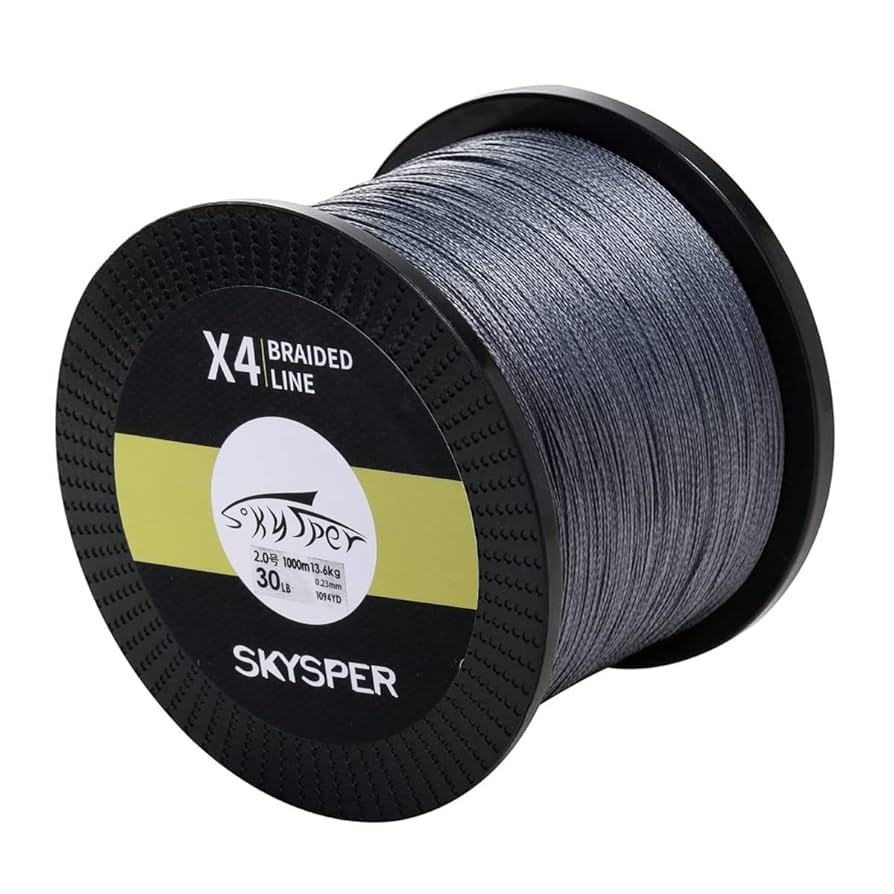
Are you tired of losing fish because your fishing line snaps or stretches too much? Choosing the right fishing line can make all the difference in your success on the water.
That’s where braid fishing line comes in. It’s strong, sensitive, and reliable, giving you the edge you need to catch more fish. You’ll discover why so many anglers trust braid fishing line and how it can improve your fishing experience.
Keep reading to find out how this simple change can boost your confidence and your catch.
Benefits Of Braid Fishing Line
Braid fishing lines offer unique benefits for anglers. They are popular for their strength and performance.
Understanding the advantages helps you choose the right line for your fishing needs.
Enhanced Strength
Braid fishing lines have higher tensile strength than many other lines. This strength lets you catch bigger fish without breaking your line.
The thin diameter and strong fibers work together to hold heavy loads.
Superior Sensitivity
Braid lines transmit vibrations better than monofilament lines. This helps anglers feel even the smallest bites.
- Feel subtle movements underwater
- Detect light bites quickly
- Improve hook setting accuracy
Low Stretch Advantage
Braid fishing lines stretch very little under pressure. This means more direct control over your lure and better hook sets.
| Line Type | Stretch Percentage |
| Braid | 1-3% |
| Fluorocarbon | 15-25% |
| Monofilament | 20-30% |
Durability In Harsh Conditions
Braid lines resist abrasion better than many other types. They stand up well to rocks, weeds, and rough surfaces.
Key durability features include:
- Resistance to UV damage
- Low water absorption
- High wear resistance
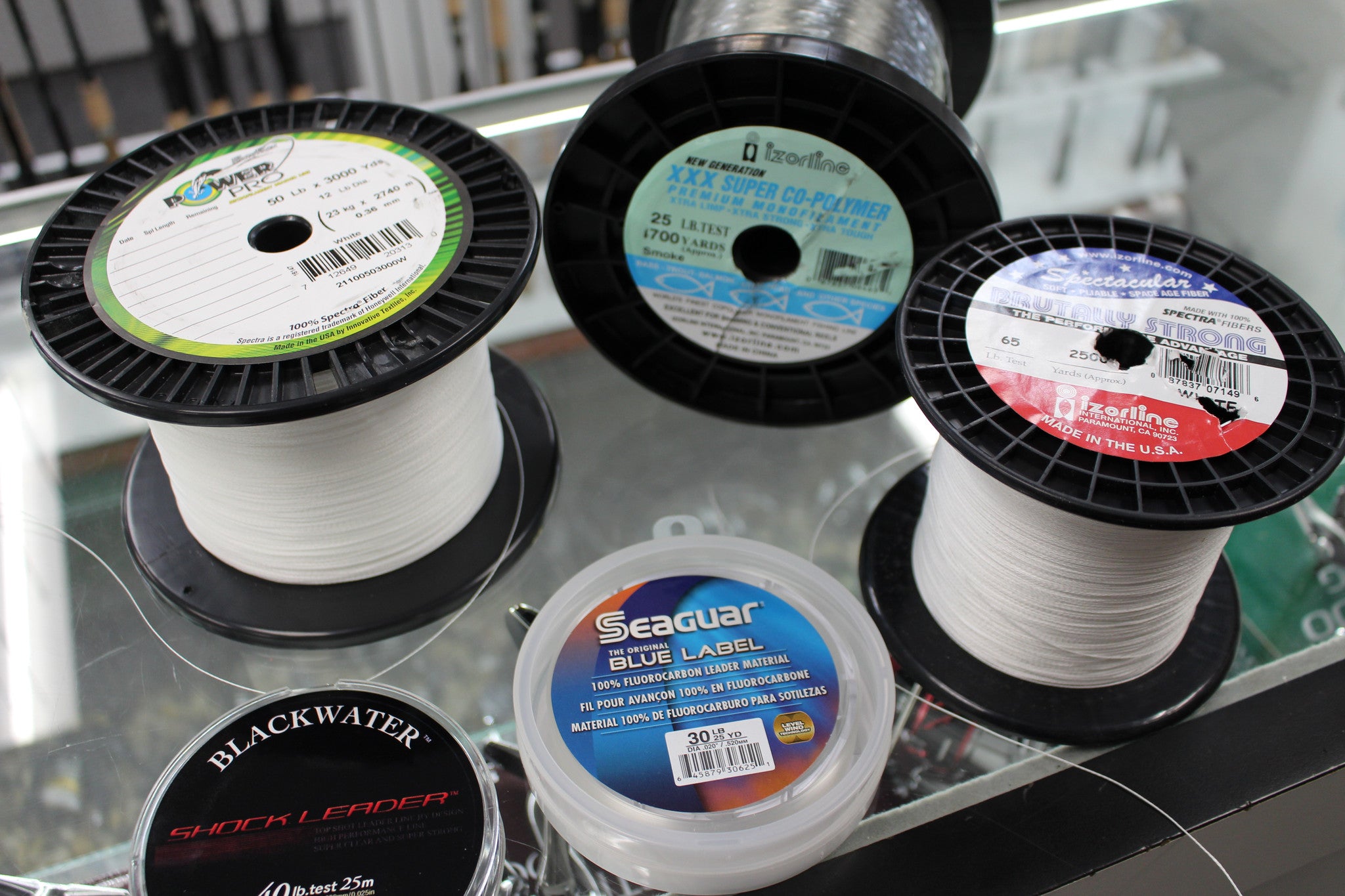
Credit: tackleexpress.com
Comparing Braid To Other Lines
Choosing the right fishing line affects your success on the water. Braid fishing line offers unique features compared to other types. This guide compares braid to monofilament and fluorocarbon lines.
We also look at cost and how long each line lasts. Understanding these differences helps you pick the best line for your needs.
Braid Vs Monofilament
Braid line is made of woven fibers, making it very strong and thin. Monofilament is a single strand of plastic, which is thicker and stretches more. Braid has low stretch, so it gives better sensitivity. Monofilament stretches, which can help absorb big fish shocks.
- Braid is thinner but stronger than monofilament of the same diameter.
- Monofilament stretches, braid does not.
- Braid is less visible underwater than monofilament.
- Monofilament floats, braid sinks.
- Braid lasts longer and resists abrasion better.
Braid Vs Fluorocarbon
Fluorocarbon line is clear and sinks fast. It is harder to see underwater than monofilament. Braid is stronger and thinner but more visible above water. Fluorocarbon stretches more than braid but less than monofilament. It resists abrasion well but not as much as braid.
| Feature | Braid | Fluorocarbon |
| Visibility Underwater | Moderate | Low |
| Stretch | Very Low | Low |
| Strength-to-Diameter | High | Moderate |
| Abrasion Resistance | High | Moderate |
| Sinking Rate | Fast | Fast |
Cost And Longevity Differences
Braid fishing line costs more upfront than monofilament but lasts longer. Fluorocarbon is usually the most expensive. Braid holds up well to sun and water damage. Monofilament breaks down faster from UV rays. Fluorocarbon resists UV but can get brittle over time.
- Braid has high initial cost but good long-term value.
- Monofilament is cheapest but needs frequent replacement.
- Fluorocarbon costs the most and lasts moderately.
- Braid resists abrasion and UV damage best.
- Monofilament is less durable under sunlight.
- Fluorocarbon can become brittle after long use.
Choosing The Right Braid
Choosing the right braid fishing line makes your fishing better. It helps you catch fish with less trouble and more control.
Different braids have different features. Knowing these helps you pick the best line for your needs.
Material Types
Braid fishing lines come from different materials. Each material changes how strong and smooth the line feels.
Polyethylene is the most common. It is strong and resists water well. Other materials may add softness or stretch.
- Polyethylene: strong and durable
- Polyester blends: softer and easier to handle
- Dyneema: very strong and thin
Line Diameter And Strength
Line diameter affects how far you can cast and how sensitive the line is. Thinner lines cast farther and feel better.
Strength is how much weight the line can hold. Choose a line strong enough for your target fish but not too thick.
| Line Diameter | Strength | Best For |
|---|---|---|
| 0.10 mm | 10 lbs | Small fish, light tackle |
| 0.20 mm | 30 lbs | Medium fish, general use |
| 0.30 mm | 50 lbs | Large fish, heavy tackle |
Color Options And Visibility
Braid lines come in many colors. The color affects how visible the line is to fish and to you.
Choose bright colors if you want to see the line easily. Use natural colors to keep the line hidden from fish.
- Bright colors: easy to see above water
- Camouflage colors: blend with water and plants
- Clear lines: low visibility in clear water

Credit: www.amazon.in
Using Braid Effectively
Braid fishing line is strong and sensitive. It helps anglers feel bites better than other lines.
Using braid correctly improves your fishing experience. It needs different care than monofilament lines.
Knot Techniques
Braid is slippery, so use knots that hold tight. Some knots work best with braid to avoid slipping.
Try knots like the Palomar knot or the Double Uni knot. These knots keep braid strong and secure.
- Moisten the knot before tightening
- Pull slowly to seat the knot
- Trim tag ends close but not too short
Spooling Tips
Spooling braid needs care to avoid twists and line damage. Use a backing line under braid on the spool.
Keep tension on the line while spooling. This helps the braid lay evenly and prevents tangles.
- Use monofilament as backing
- Apply steady pressure when winding
- Fill the spool to about 90% capacity
Handling And Maintenance
Handle braid with clean hands to avoid dirt and oils. Store the line in a dry place to keep it strong.
Check your braid often for frays or damage. Replace it if you see wear to avoid losing fish.
- Rinse with fresh water after saltwater fishing
- Keep line away from sharp edges
- Store spool in a cool, dry area
Common Challenges And Solutions
Fishing with braid line comes with some common problems. Knowing these helps you fish better.
This guide covers three main issues and how braid line helps solve them.
Dealing With Line Twist
Line twist happens when your line spins during casting or retrieving. It causes tangles and knots.
Braid line is less stretchy, so it reduces twist problems. It keeps your line straight and smooth.
- Use a swivel to reduce twist
- Keep braid line tight on the spool
- Check your reel setup often
Abrasion Resistance
Abrasion happens when the line rubs against rocks, wood, or other rough surfaces. It can break your line.
Braid line has strong fibers that resist cuts and wear. It lasts longer near rough edges.
- Inspect your line after each use
- Avoid dragging line over sharp objects
- Replace damaged line sections quickly
Managing Casting Distance
Casting distance is important to reach fish far from shore or boat. Braid line helps with longer casts.
The thin and smooth braid slides easily through the rod guides. This reduces friction and helps your cast go far.
- Use the right rod and reel for braid line
- Keep your line clean and dry
- Practice smooth casting motions

Credit: www.amazon.in
Best Fishing Scenarios For Braid
Braid fishing line is strong and thin. It offers great sensitivity and casting distance. This makes it popular among many anglers.
Understanding where to use braid line helps improve your fishing experience. Different fishing spots and species benefit from braid’s unique features.
Saltwater Fishing
Braid is excellent for saltwater fishing. It resists saltwater damage better than many lines. It also holds up well against sharp rocks and coral.
The thin diameter lets you fit more line on your reel. This helps when fighting strong saltwater fish that swim far.
- Deep sea fishing for large fish
- Surf fishing on rocky beaches
- Fishing in reefs and wrecks
Freshwater Applications
Braid works well in freshwater too. It gives great control for casting and setting hooks. The line’s sensitivity helps detect light bites.
It is useful in thick weeds and heavy cover. Braid’s strength lets you pull fish out without breaking the line.
- Fishing in heavy vegetation
- Casting long distances in lakes
- Fishing around fallen trees or rocks
Targeting Specific Fish Species
Braid is favored for certain fish due to its strength and low stretch. It helps anglers feel every movement of the fish.
Species that fight hard or live in tough environments benefit from braid line. It lets you handle strong runs and sharp teeth.
- Bass – for quick hooksets and strong cover
- Catfish – for heavy drag and long fights
- Pike and Muskie – for sharp teeth and strong pulls
- Saltwater species like Snapper and Grouper – for strength and abrasion resistance
Frequently Asked Questions
What Are The Benefits Of Braid Fishing Line?
Braid fishing line offers several benefits. It has a high strength-to-diameter ratio, allowing more line on your reel. It provides better sensitivity, enabling you to feel the slightest bites. Its durability means it lasts longer, and it also cuts through vegetation more easily than other lines.
How Does Braid Fishing Line Improve Casting Distance?
Braid fishing line enhances casting distance due to its thin diameter and smooth surface. These features reduce air resistance, allowing for longer casts. Its low stretch also helps in providing more control and accuracy during casting, making it a preferred choice for anglers.
Is Braid Fishing Line More Durable Than Monofilament?
Yes, braid fishing line is generally more durable than monofilament. Its tightly woven fibers provide superior strength and resistance to abrasion. This durability makes it ideal for fishing in heavy cover. Unlike monofilament, it doesn’t degrade quickly in sunlight, ensuring longevity and reliability.
Why Is Braid Fishing Line Sensitive?
Braid fishing line is sensitive because it has minimal stretch. This characteristic allows anglers to feel even the lightest bites. The enhanced sensitivity helps in detecting fish activity and improves hook-setting power. This makes it easier to catch fish, especially in deep or murky waters.
Conclusion
Braid fishing line offers strength and sensitivity anglers appreciate. It resists stretching, letting you feel every bite clearly. The thin diameter helps cast farther and handle heavy fish. Its durability stands up well to rough conditions. Many anglers trust braid for tough fishing situations.
Choosing braid can improve your fishing experience today. Simple, strong, and reliable—braid line gets the job done. Give it a try and feel the difference yourself.