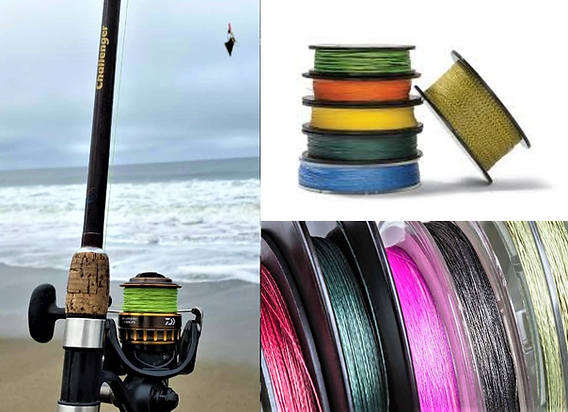
When you’re out on the water, the right fishing line can make all the difference. Have you ever wondered why so many anglers are switching to braided fishing line?
It’s not just a trend—braided line offers strength, sensitivity, and durability that can change your fishing game. If you want to catch more fish and enjoy a smoother, more reliable experience, understanding why you should use braided fishing line is key.
Keep reading, and you’ll discover how this simple switch can boost your confidence and success every time you cast.
Braided Line Basics
Braided fishing line is popular for its strength and thin diameter. It lets anglers feel bites better and cast farther.
This line differs from others in how it is made and the materials used. Understanding these basics helps you choose the right line.
Material Composition
Braided line is made of several synthetic fibers. These fibers give it high strength and durability.
- Polyethylene fibers are common for their strength and low stretch.
- Other fibers include Spectra and Dyneema, known for toughness.
- The fibers are coated with a smooth finish to reduce friction.
Braiding Process
The fibers are woven tightly to create the braided line. This process gives the line its unique features.
| Step | Purpose |
| Fiber Selection | Choose strong, thin fibers |
| Weaving | Interlock fibers tightly |
| Coating | Apply smooth surface for durability |
| Spooling | Wind line onto reels evenly |
Common Sizes And Colors
Braided lines come in many sizes and colors. Size affects strength and visibility in water.
- Sizes range from very thin (10 lb test) to thick (80 lb test).
- Colors include green, yellow, black, and camo patterns.
- Bright colors help with line tracking above water.
- Dark colors blend in for less visibility to fish.

Credit: www.amazon.com
Strength Advantages
Braided fishing line offers several strength benefits that anglers rely on. Its design helps it stay strong under pressure.
Understanding these advantages can help you choose the right line for tough fishing tasks.
High Tensile Strength
Braided lines have very high tensile strength compared to other types. This means they can hold more weight without breaking.
Anglers prefer braided lines for catching big fish because they handle heavy loads better.
Abrasion Resistance
Braided lines resist wear from rough surfaces like rocks and wood. This helps them last longer in harsh environments.
- Stays strong after rubbing against sharp edges
- Does not easily fray or cut
- Good choice for fishing near structures
Durability In Tough Conditions
| Condition | Braided Line | Monofilament Line |
| Sun Exposure | Resistant | Degrades faster |
| Water Absorption | Does not absorb | Absorbs water |
| Temperature Changes | Stable | May weaken |
Braided lines keep their strength in different weather and water conditions. This makes them reliable for tough fishing trips.
Sensitivity Benefits
Sensitivity is a key factor in fishing success. Braided fishing line offers unique benefits that help anglers feel even the slightest movements below the water.
Using braided line improves the connection between the angler and the fish. This leads to quicker reactions and better control during the catch.
Enhanced Bite Detection
Braided line has almost no stretch. This means you can feel the smallest nibbles on the bait. Early bite detection helps you react fast and set the hook before the fish gets away.
- Detect light bites easily
- Feel subtle fish movements
- React quickly to strikes
Reduced Stretch For Better Control
Less stretch means more direct control over the lure and fish. Braided line transmits every pull and tug without delay. This helps keep steady pressure and avoid slack in the line.
| Line Type | Stretch Percentage |
| Monofilament | 15% – 30% |
| Fluorocarbon | 10% – 20% |
| Braided | 1% – 3% |
Improved Hook Setting
Because braided line is very sensitive and has little stretch, you can set the hook firmly and quickly. This increases the chance of a solid catch and reduces lost fish.
- Firm hook set with less effort
- Better control during the strike
- More successful catches

Credit: www.meltontackle.com
Casting Performance
Casting performance is key for a good fishing experience. Braided fishing lines offer unique benefits that improve casting.
These lines help anglers cast further and with more control. They also reduce issues caused by wind and friction.
Longer And Accurate Casts
Braided lines are thinner and stronger than many other lines. This allows for longer casts without breaking.
- Thin diameter reduces air drag
- Strong fibers prevent stretching
- Consistent thickness improves accuracy
- Better control over line placement
Less Wind Resistance
The thin braided line cuts through the wind better than thick monofilament lines. This helps keep casts straight and stable.
| Line Type | Diameter | Wind Resistance |
|---|---|---|
| Braided Line | Thin | Low |
| Monofilament | Thicker | High |
| Fluorocarbon | Medium | Medium |
Smooth Line Flow
Braided lines have a smooth surface that flows easily through the rod guides. This reduces friction and wear on equipment.
- Less friction means smoother casting
- Improves reel performance
- Extends rod and guide life
- Helps prevent line tangles
Comparing Lines
Choosing the right fishing line is key to a good fishing experience. Different lines suit different needs. Understanding how they compare helps you pick the best one.
This guide compares braided fishing line with monofilament and fluorocarbon lines. It also looks at cost and how long each line lasts.
Braided Vs Monofilament
Braided lines are strong and thin. They have almost no stretch, which helps with sensitivity. Monofilament lines stretch more, which can absorb shocks.
- Braided line has higher strength for its diameter.
- Monofilament is easier to handle and knots well.
- Monofilament floats; braided line sinks.
- Braided line resists abrasion better than monofilament.
- Monofilament is less visible underwater than braided.
Braided Vs Fluorocarbon
Fluorocarbon lines are nearly invisible underwater and have low stretch. They sink faster than braided lines. Braided lines have no stretch but are more visible.
| Feature | Braided Line | Fluorocarbon Line |
|---|---|---|
| Visibility | More visible | Nearly invisible |
| Stretch | Almost none | Low stretch |
| Sink Rate | Sinks slowly | Sinks fast |
| Abrasion Resistance | High | Moderate |
| Sensitivity | High | Good |
Cost And Longevity
Cost and durability vary by line type. Braided line tends to cost more but lasts longer. Monofilament is cheaper but breaks down faster. Fluorocarbon is usually the most expensive.
- Braided line is strong and resists wear, so it lasts many fishing trips.
- Monofilament can weaken due to sun and water exposure.
- Fluorocarbon resists UV light and water but can be brittle over time.
- Replacing lines regularly keeps performance high and prevents breakage.
Best Uses For Braided Line
Braided fishing line is strong and thin. It offers great sensitivity and durability. Many anglers choose it for specific fishing conditions.
This type of line works well in situations where strength and low stretch matter most. It helps you feel bites and pull fish from tough spots.
Saltwater Fishing
Braided line resists saltwater better than some other lines. It handles large fish and rough conditions well. Its thin diameter lets you fit more line on the reel.
- Ideal for deep sea fishing
- Works well around reefs and rocks
- Strong against big saltwater species
- Good for long-distance casting
Heavy Cover Angling
When fishing near weeds, brush, or heavy cover, braided line shines. Its strength helps pull fish out of thick spots. The low stretch improves hook sets in tight cover.
| Cover Type | Benefit of Braided Line |
| Thick weeds | Strong enough to cut through |
| Brush piles | High abrasion resistance |
| Wood structures | Durable and tough |
| Rocky banks | Less likely to snap |
Techniques That Benefit Most
Certain fishing methods work best with braided line. Its sensitivity and strength fit these styles very well.
- Flipping and pitching
- Jigging for bottom fish
- Trolling with heavy lures
- Topwater fishing with fast hook sets
Handling And Maintenance
Braided fishing line is strong and sensitive, but it needs careful handling. Proper care helps the line last longer.
Learning how to handle and maintain braided line can prevent damage and improve your fishing experience.
Knot Tying Tips
Knots hold your line and lure together. Braided line is slippery, so use knots that grip well.
Keep knots tight and wet before pulling hard. This protects the line from heat damage.
- Use knots like Palomar or Double Uni for braided line.
- Trim tag ends close to knots to avoid snags.
- Practice knots to tie them quickly and securely.
Line Storage
Store braided line in a cool, dry place away from sunlight. Heat and UV rays weaken the line over time.
Keep the line on the spool or in a sealed bag to avoid dust and dirt.
- Do not leave line in direct sunlight for long periods.
- Use a line spooler to prevent tangles when rewinding.
- Check line regularly for frays and damage.
Avoiding Common Issues
Braided line can catch on rough surfaces and fray easily. Handle it gently to avoid problems.
Replace the line if you see cuts or thinning. Using damaged line risks losing fish.
- Use a leader to protect braided line from sharp teeth and rocks.
- Rinse line with fresh water after saltwater fishing.
- Do not tie knots too close to the spool to reduce stress.

Credit: www.amazon.com
Frequently Asked Questions
What Are The Benefits Of Using Braided Fishing Line?
Braided fishing line offers high strength and durability with a thin diameter. It resists abrasion well and provides excellent sensitivity, allowing anglers to detect bites quickly. Its low stretch enhances hook-setting power, making it ideal for various fishing conditions.
How Does Braided Line Compare To Monofilament?
Braided line is stronger and thinner than monofilament. It has almost no stretch, offering better sensitivity. Unlike monofilament, it floats poorly but resists abrasion and UV damage better. Braided line is preferred for heavy cover fishing and long casts.
Is Braided Fishing Line Suitable For Beginners?
Yes, braided line suits beginners due to its strength and durability. It handles heavy fish and rough conditions well. However, beginners should learn proper knot tying since braided line is slippery. Overall, it enhances fishing success and confidence.
Can Braided Line Improve Casting Distance?
Braided line’s thin diameter and smooth texture reduce friction, enhancing casting distance. Anglers can achieve longer, more accurate casts compared to thicker lines. This makes it a popular choice for fishing in open water and targeting distant fish.
Conclusion
Braided fishing line offers strength and sensitivity for better fishing. It lasts longer and resists breaking under pressure. The thin diameter lets you cast farther and feel bites clearly. Many anglers trust it for tough conditions and big catches. Choosing braided line can improve your fishing experience.
Try it and see the difference yourself. Simple, strong, and reliable—braided line fits many fishing needs.