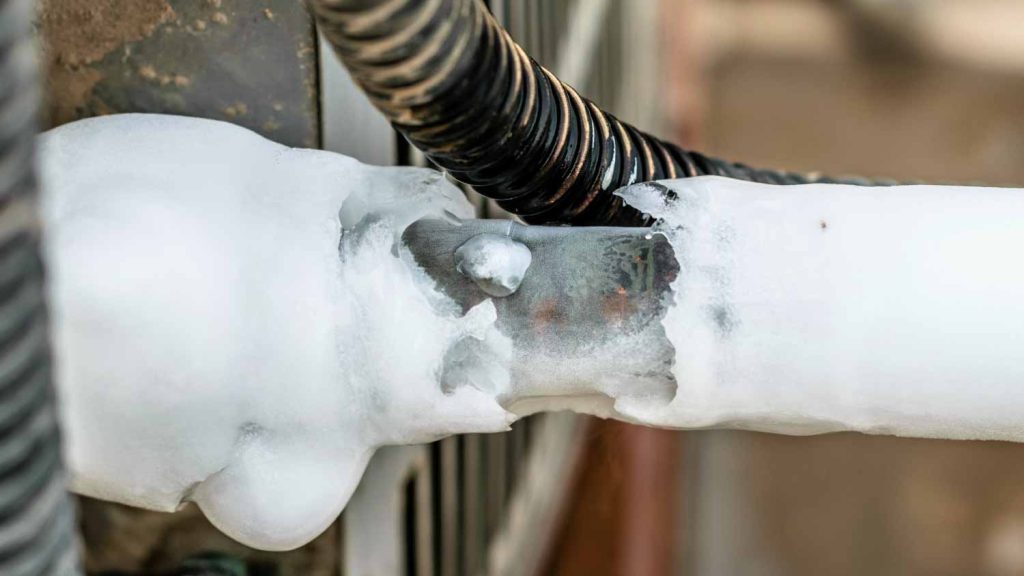
Have you ever noticed your air conditioner looking like it’s covered in ice? It’s frustrating when your AC suddenly freezes up, leaving your home uncomfortable and your mind racing about what went wrong.
You might wonder, “Why would my air conditioner freeze up? ” Understanding the reasons behind this problem can help you fix it faster and avoid costly repairs. You’ll discover the common causes of a frozen AC and what you can do to keep your system running smoothly all summer long.
Keep reading—you don’t want to miss these simple tips that could save you time and money.
Common Causes Of Ac Freezing
Low refrigerant levelscause the AC coil to get too cold. This leads to ice buildup and freezing.
Dirty air filtersblock airflow. This makes the coil too cold and causes ice to form.
Blocked airflowfrom closed vents or dirty ducts stops warm air from reaching the coil. This results in freezing.
Thermostat issuescan cause the AC to run too long or too cold, leading to freezing.
Faulty blower fanmeans less air moves over the coil. The coil gets cold enough to freeze.
Outdoor temperature effects: very cold weather can cause freezing, especially if the AC runs when it is chilly outside.

Credit: www.advantageairtech.com
Signs Your Ac Is Freezing
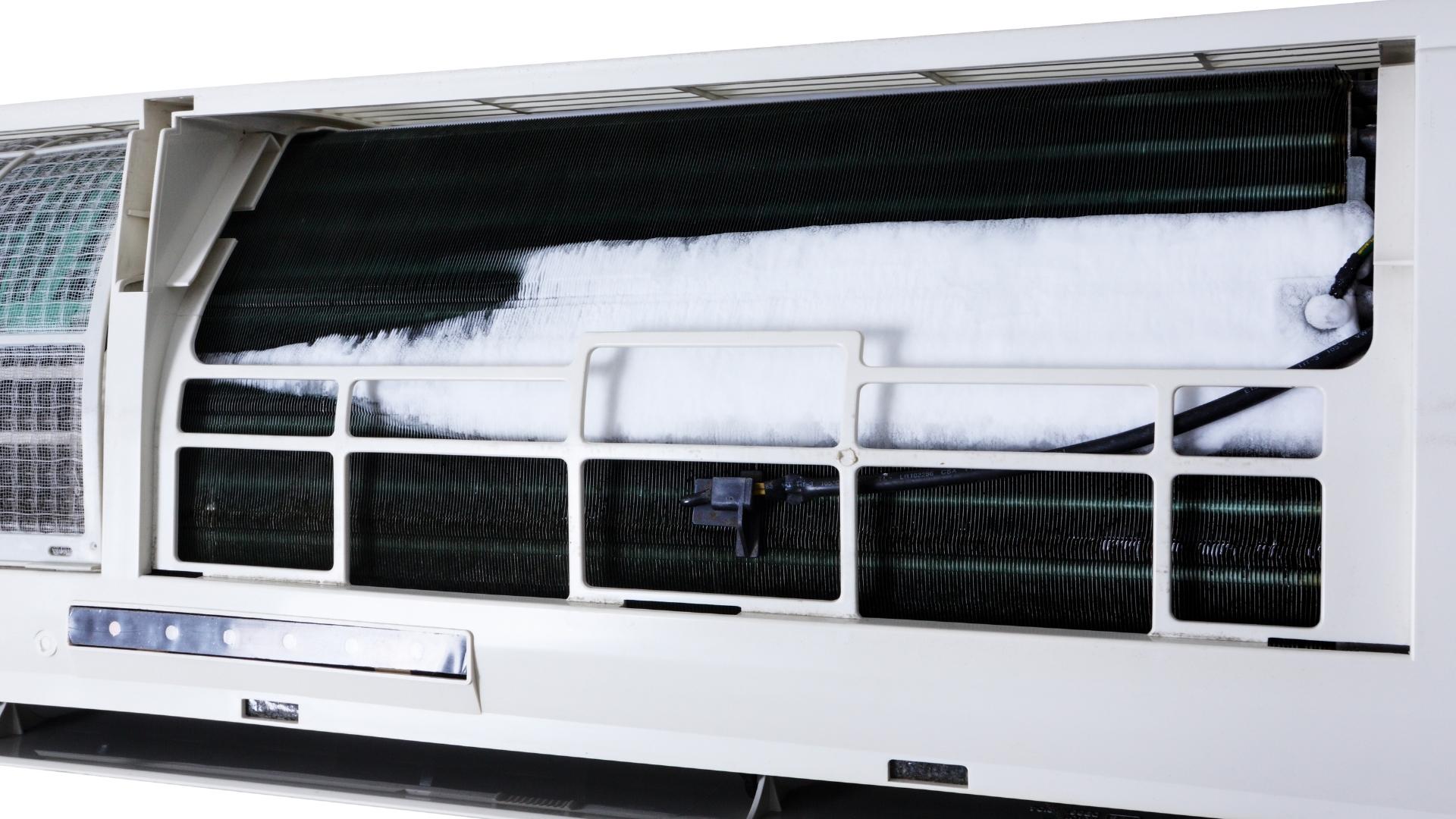
Ice on evaporator coilsis a clear sign that your AC is freezing. The coils look frosty or covered in ice. This stops the AC from cooling properly.
Reduced cooling efficiencymeans the air conditioner takes longer to cool the room. The air feels less cold than usual.
Unusual noiseslike banging or hissing can happen when ice blocks the airflow. These sounds show the AC is struggling.
Water leaks around unitoccur because melting ice drips outside the system. Puddles or wet spots near the AC should not be ignored.
Quick Fixes For A Frozen Ac
Turn off the systemto stop ice from building up further. This lets the ice melt safely without harming the AC unit.
Replace or clean air filtersregularly. Dirty filters block airflow and cause freezing. Clean filters help air flow freely and keep the system working well.
Check and clear ventsfor any blockages. Furniture or dust can stop air from moving properly, leading to frozen coils.
Inspect refrigerant levelsto ensure they are correct. Low refrigerant can cause the coils to get too cold and freeze up.
Reset thermostat settingsto a comfortable temperature. Setting it too low can make the AC work too hard and freeze.
Credit: www.thervgeeks.com
Preventing Future Freezing
Regular maintenancekeeps your air conditioner running smoothly. Clean or replace filters often to help airflow. Clear debris around the unit to avoid blockages. Check refrigerant levels to prevent freezing.
Professional inspectionsfind small problems before they get big. Experts check coils, fans, and electrical parts. Scheduling inspections yearly can save money and headaches.
Upgrading componentslike old filters or fans improves performance. New parts work better and last longer. Consider energy-efficient models to reduce costs and freeze risk.
Optimizing thermostat usecontrols temperature wisely. Avoid setting it too low; this strains the system. Using a programmable thermostat helps maintain steady cooling without overwork.

Credit: www.delcohvac.com
Frequently Asked Questions
Why Does My Air Conditioner Freeze Up?
Air conditioners freeze due to restricted airflow or low refrigerant levels. Dirty filters or blocked vents cause poor airflow, leading to ice formation on coils.
Can A Dirty Filter Cause Ac To Freeze?
Yes, a dirty filter blocks airflow. This causes the evaporator coil to get too cold and ice to form, freezing the air conditioner.
How Does Low Refrigerant Make Ac Freeze?
Low refrigerant reduces pressure in the coils. This causes the temperature to drop below freezing, leading to ice buildup on the AC components.
Is Poor Airflow Responsible For Ac Freezing?
Poor airflow limits warm air reaching the coils. This causes the coils to become too cold, resulting in ice forming and the AC freezing.
Conclusion
Understanding why your air conditioner freezes is crucial. Regular maintenance helps prevent issues. Check filters and vents for blockages. Ensure refrigerant levels are correct. Keep an eye on thermostat settings. These steps can keep your unit running smoothly. Avoid costly repairs with simple checks.
A little care goes a long way. If problems persist, consult a professional. They can diagnose deeper issues. Your comfort depends on a well-functioning air conditioner. Stay cool and worry-free by being proactive. Keep your home environment pleasant. Regular attention ensures your air conditioner works efficiently.