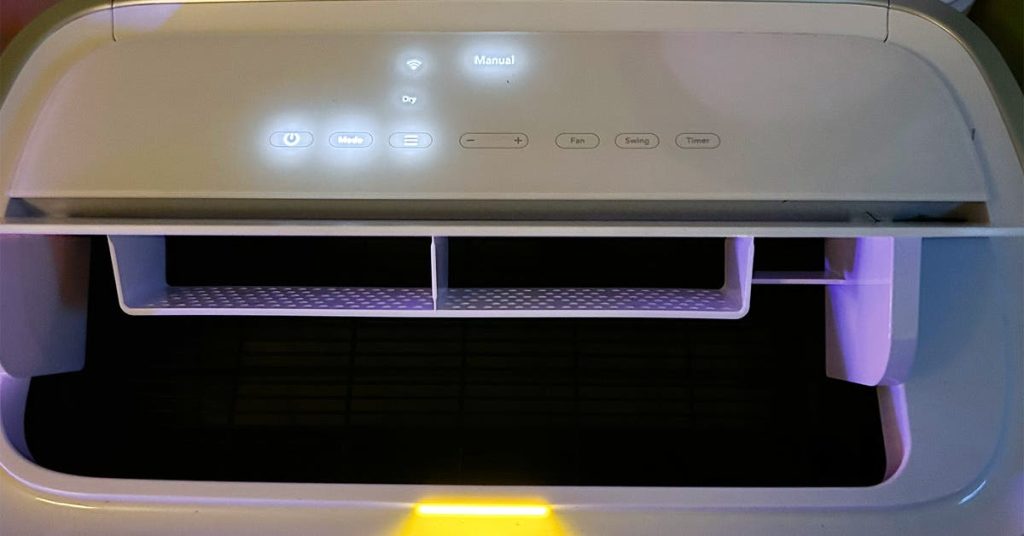
Are you wondering if a dehumidifier can make your air conditioner work better? You’re not alone.
When your home feels hot and sticky, it’s tempting to crank up the AC. But sometimes, the problem isn’t just heat—it’s humidity. What if there’s a simple way to cool your space more efficiently and feel more comfortable? Keep reading to discover how a dehumidifier might be the secret to improving your air conditioner’s performance and making your home a cooler, more pleasant place to be.

Credit: www.nytimes.com
How Dehumidifiers Work
Dehumidifiers remove extra moisture from the air. They help keep rooms dry and comfortable.
These devices pull in humid air and cool it down. Water collects inside, and dry air goes back out.
Removing Excess Moisture
Dehumidifiers lower the humidity level in your home. This stops dampness that can cause problems.
By removing moisture, they reduce mold, mildew, and dust mites. This also helps your air conditioner work better.
- Air passes over cold coils inside the dehumidifier
- Water condenses and collects in a tank
- Dry air is warmed and released back into the room
Impact On Indoor Air Quality
Lower humidity improves air quality by reducing allergens. It makes breathing easier, especially for people with allergies.
Dry air also helps prevent musty odors. It keeps your living space fresh and healthier.

Credit: www.nytimes.com
Ac Performance And Humidity
High humidity in the air can make your home feel warmer than it really is. This extra moisture can affect how well your air conditioner cools your space.
Using a dehumidifier can help reduce moisture. It may improve your air conditioner’s ability to cool and lower energy use.
How Humidity Affects Cooling
Humidity adds moisture to the air, making it feel hotter. Your air conditioner must work harder to remove this moisture and cool the air.
When humidity is high, your AC spends more time running. This can make your home less comfortable and raise your energy bills.
- High moisture makes the air feel warmer
- AC removes heat and some moisture
- More moisture means longer AC run times
- Longer run times increase energy use
Strain On Air Conditioners
When your AC works too hard, it can wear out faster. High humidity causes this extra work by forcing the system to cool and dry the air at the same time.
A dehumidifier can reduce the strain on your AC. It lowers moisture first, so your AC only needs to cool the air.
- High humidity makes the AC run longer
- Longer operation wears out parts quicker
- Dehumidifiers remove moisture separately
- This reduces AC workload and wear
Benefits Of Using A Dehumidifier With Ac
Using a dehumidifier with your air conditioner can improve how well your home feels. It helps control moisture in the air.
Lower humidity makes it easier for your AC to cool your space. This can save energy and increase comfort.
Enhanced Cooling Efficiency
A dehumidifier removes extra moisture from the air. Dry air feels cooler and lets the AC work less hard.
This means your air conditioner can cool your home faster and better. It also reduces wear on the AC unit.
Energy Savings
When humidity is low, your AC uses less energy to cool the air. This helps lower your electricity bill.
Running a dehumidifier with your AC can reduce the time the AC needs to run. This saves energy over time.
- Less AC runtime means lower energy use
- Dehumidifier uses less power than extra AC cooling
- Combining both can balance comfort and cost
Improved Comfort Levels
High humidity makes the air feel sticky and hot. A dehumidifier reduces this feeling and helps you stay cool.
Dry air feels fresher and more comfortable. This creates a better indoor environment all day long.
When To Use A Dehumidifier
Dehumidifiers help reduce moisture in the air. This can make your home feel cooler and more comfortable.
Using a dehumidifier at the right time can also help your air conditioner work better and last longer.
High Humidity Situations
High humidity can cause problems like mold, musty smells, and sticky air. A dehumidifier works best in these cases.
- After heavy rain or storms
- In basements or crawl spaces
- During hot and humid summer days
- In bathrooms or laundry rooms with poor ventilation
- In homes with poor airflow or many occupants
Signs Your Ac Needs Help
Your air conditioner might struggle if it cannot remove enough moisture. Look for these signs to know when a dehumidifier can help.
| Sign | What It Means |
| Cold but sticky air | AC cools but does not remove moisture well |
| Water or mold near vents | Excess humidity inside your home |
| Longer cooling cycles | AC works harder to reach set temperature |
| Musty odors | High moisture causes smells and mold growth |
| Condensation on windows | Too much moisture in indoor air |
Choosing The Right Dehumidifier
Using a dehumidifier can help your air conditioner work better. It removes extra moisture from the air. This makes your home feel cooler and less sticky.
To get the best results, you need the right dehumidifier. Picking the right one depends on your room size and needs.
Capacity And Size
Dehumidifiers come in different sizes and capacities. Capacity means how much water the unit can remove in one day. Choose a size that fits your space.
If the dehumidifier is too small, it won’t remove enough moisture. If it is too big, it will use more energy than needed.
- Small rooms (up to 300 sq ft): 20-30 pints per day
- Medium rooms (300-500 sq ft): 30-50 pints per day
- Large rooms (over 500 sq ft): 50+ pints per day
Features To Consider
Look for features that make the dehumidifier easier to use and more effective. Some features add comfort and save energy.
- Auto shut-off to stop when the tank is full
- Built-in humidistat to control humidity levels
- Continuous drain option for long use
- Low noise level for quiet operation
- Energy Star rating to save electricity
Choosing the right features helps keep your air conditioner working well and your home comfortable.

Credit: www.everydayhealth.com
Placement Tips For Best Results
Using a dehumidifier with your air conditioner can help keep your home comfortable. The right placement of your dehumidifier matters. It helps the device work well and saves energy.
This guide shares tips on where to place your dehumidifier. It also shows common mistakes to avoid for better results.
Ideal Locations In Your Home
Place the dehumidifier where air flows freely. Avoid corners and tight spaces. Good spots include:
- Basements, to reduce dampness
- Bathrooms, to control moisture after showers
- Bedrooms, for better air quality
- Living rooms, if they feel humid
- Near your air conditioner’s return vent for faster drying
Keep the dehumidifier at least 6 inches from walls and furniture. This space helps air circulate better.
Avoiding Common Mistakes
| Common Mistake | Why to Avoid | Better Option |
| Placing on carpet or soft rugs | Blocks air intake and drainage | Use a hard, flat surface |
| Putting too close to walls | Limits airflow and efficiency | Leave 6 to 12 inches clearance |
| Near heat sources | Causes false humidity readings | Away from heaters and direct sunlight |
| Ignoring water collection | Leads to leaks or overflow | Empty the tank regularly or use drainage hose |
Maintenance For Optimal Performance
Keeping your dehumidifier and air conditioner in good shape helps both work better. Regular care can extend their life and save energy.
Simple maintenance tasks make sure your devices remove moisture and cool air efficiently. Let’s look at how cleaning and checks help.
Cleaning And Filter Care
Clean filters and surfaces help the dehumidifier and AC run smoothly. Dirt and dust block airflow and reduce performance.
- Remove and wash filters every 2 to 4 weeks.
- Wipe the exterior with a soft, damp cloth.
- Check vents for dust build-up and clean them gently.
- Empty the water collection bucket regularly to avoid mold.
Regular Checks
| Check | What to Do | Frequency |
| Power Cord | Look for damage or wear | Monthly |
| Drain Hose | Ensure it is clear and not kinked | Monthly |
| Fan | Listen for strange noises | Every 3 months |
| Thermostat Settings | Verify correct temperature settings | Seasonally |
Frequently Asked Questions
Will A Dehumidifier Reduce Air Conditioner Workload?
Yes, a dehumidifier removes excess moisture from the air. This makes your air conditioner work less to cool your space efficiently and can save energy.
Can A Dehumidifier Improve Indoor Air Quality?
Absolutely, dehumidifiers reduce humidity levels that promote mold and dust mites. This leads to fresher, healthier air and less allergy risk indoors.
Does Using A Dehumidifier Lower Electricity Bills?
Using a dehumidifier can lower AC energy use by easing its cooling load. This often results in reduced overall electricity consumption and cost savings.
Should I Use A Dehumidifier With My Air Conditioner?
Yes, especially in humid climates. A dehumidifier complements your AC by controlling moisture, improving comfort, and enhancing cooling performance.
Conclusion
A dehumidifier can aid your air conditioner. It removes excess moisture. This helps the AC work better. Less humidity means more comfort in your home. Your air conditioner doesn’t have to work as hard. Energy bills may decrease. Indoor air quality can improve too.
Consider using both devices together. This combination can offer a cooler, drier environment. Simple adjustments can lead to a more comfortable space. Enjoy a pleasant, refreshing home atmosphere.