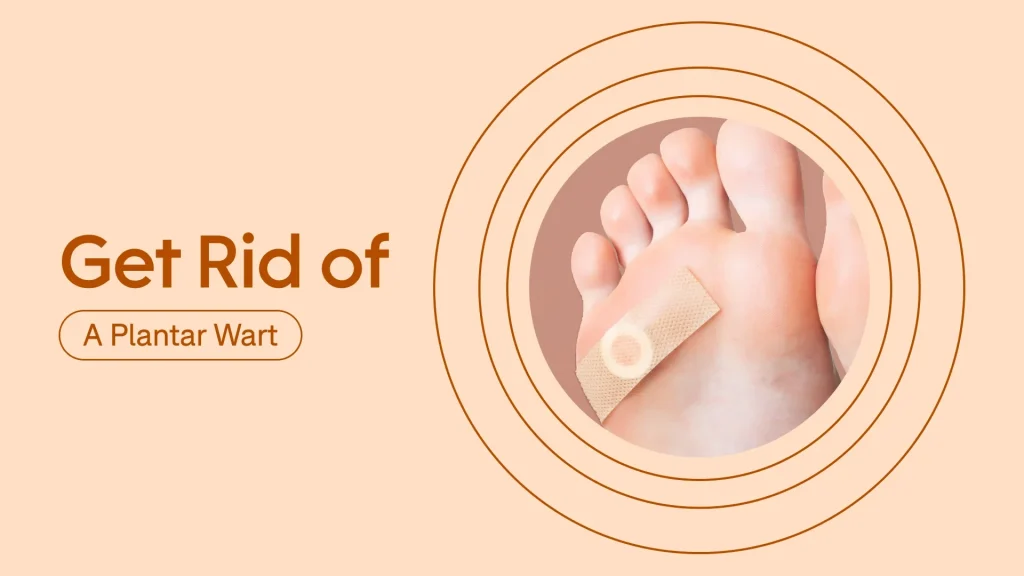
Have you noticed a small, rough bump on the sole of your foot and wondered if it will just disappear on its own? Planter’s warts can be annoying and sometimes painful, making you question whether to wait it out or take action.
You’re not alone in this—many people want to know if these warts will simply vanish without treatment. You’ll discover what planter’s warts really are, how your body fights them, and when it’s time to step in. Keep reading to find out exactly what you need to know to protect your feet and feel comfortable again.
What Are Planters Warts?
Planters warts are small growths that appear on the feet. They are caused by a virus that infects the skin.
These warts can be uncomfortable and sometimes painful. They often grow on the weight-bearing areas of the foot.
Causes And Transmission
Planters warts are caused by the human papillomavirus (HPV). This virus enters the skin through tiny cuts or breaks.
The virus spreads in places where people walk barefoot, like pools or locker rooms.
- Walking barefoot in public areas
- Touching a wart and then your foot
- Sharing shoes or socks
- Having weak immune system
Common Symptoms
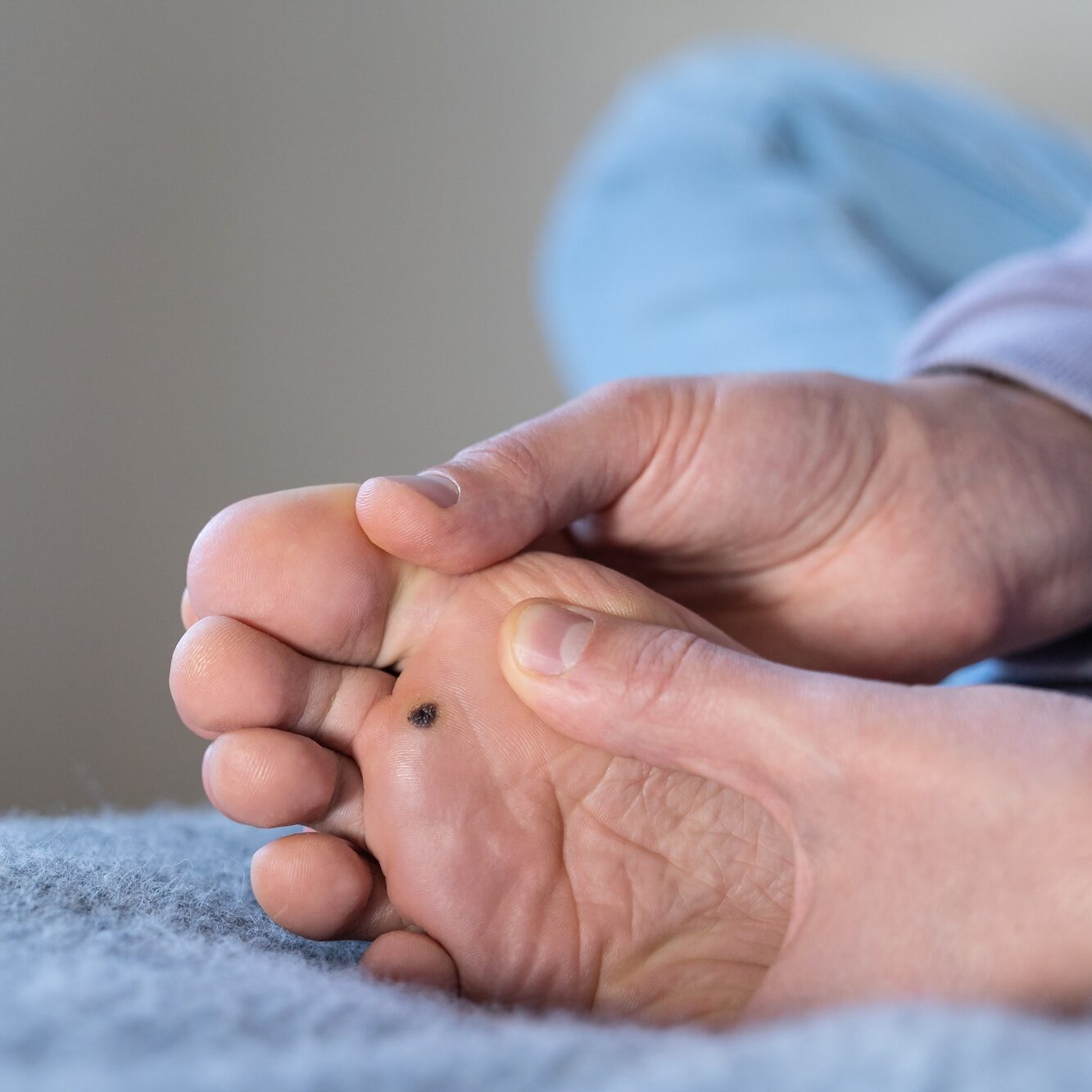
Planters warts look like small, rough bumps on the foot. They can be skin-colored or darker.
They often cause pain when walking or standing. Sometimes, tiny black dots appear in the wart.
- Small, grainy growths on the foot
- Hard, thickened skin over the wart
- Black pinpoints inside the wart
- Discomfort or pain while walking

Credit: www.goodrx.com
Natural Course Of Planters Warts
Planters warts are common skin growths on the feet. They are caused by a virus called HPV. Many people wonder if these warts will disappear without treatment.
Understanding how planters warts behave helps to know what to expect. Some warts may go away on their own, while others can last for months or years.
Possibility Of Spontaneous Resolution
Planters warts can clear up without medical help. The body’s immune system fights the virus causing the wart. This can lead to the wart shrinking and disappearing.
- Many warts vanish within two years.
- Children often clear warts faster than adults.
- Some warts may stay for a long time without change.
- Warts can sometimes come back after disappearing.
Factors Influencing Healing
Several factors affect how fast a planters wart heals. These include the person’s health, immune response, and wart size.
| Factor | Effect on Healing |
| Age | Children heal faster than adults |
| Immune System Strength | Stronger immunity speeds up healing |
| Wart Size | Smaller warts clear more quickly |
| Location | Areas with less pressure heal better |
| Duration | Older warts can be harder to treat |
Risks Of Leaving Planters Warts Untreated
Planters warts are small growths on the feet caused by a virus. They can sometimes go away on their own, but not always.
Ignoring these warts can lead to other problems. Understanding the risks helps in making the right choice for treatment.
Potential Complications
Planters warts can cause discomfort and pain, especially when walking. If left untreated, they might become more painful.
- Thickened skin around the wart
- Increased pain while standing
- Difficulty in walking properly
Spread To Other Areas
Warts can spread to other parts of the foot or even to other people. This happens through direct contact or sharing items like towels.
| Area | Risk of Spread |
| Feet | High |
| Hands | Medium |
| Other People | Low but Possible |

Credit: www.katyfootcare.com
Home Remedies To Support Healing
Planter’s warts can sometimes go away on their own. You can use home remedies to help your skin heal faster. These remedies support your body’s natural fight against the wart.
It is important to keep the wart clean and protected. This helps stop the wart from spreading or getting worse.
Over-the-counter Options
Many over-the-counter treatments can help remove planter’s warts. These products contain ingredients that slowly peel the wart away. Use them as the package says.
- Salicylic acid is a common ingredient that softens the wart.
- Freezing sprays can kill the wart cells by cold.
- Adhesive pads protect the wart and help treatment work better.
Be patient. These treatments take weeks to work. Avoid picking or scratching the wart to stop infection.
Lifestyle Tips
Simple changes in your daily habits can support healing. These tips help keep your feet healthy and prevent new warts.
- Keep your feet clean and dry every day.
- Wear shoes in public places like pools and locker rooms.
- Change socks daily to avoid moisture buildup.
- Do not share towels, socks, or shoes with others.
- Use a pumice stone gently to smooth the skin around the wart.
Following these steps helps your body heal and lowers the chance of warts returning.
When To Seek Medical Treatment
Planter’s warts can sometimes heal without treatment. But some cases need a doctor’s care. Knowing when to see a doctor is important.
If your wart causes pain or spreads, medical help can stop problems early. Learn the signs that show it’s time to visit a doctor.
Signs It’s Time To See A Doctor
Most planter’s warts are harmless. But check with a doctor if you notice these signs:
- The wart grows quickly or changes color
- It becomes painful while walking or standing
- You see many warts spreading on your feet
- The wart bleeds or shows signs of infection
- Home treatments do not reduce the wart after several weeks
Common Medical Procedures
Doctors use different treatments to remove planter’s warts. These methods are safe and work well.
| Treatment | Description | Recovery Time |
| Cryotherapy | Freezes the wart with liquid nitrogen | 1 to 2 weeks |
| Laser Therapy | Uses laser light to destroy wart tissue | 2 to 3 weeks |
| Salicylic Acid | Applies acid to peel off the wart layer by layer | Several weeks |
| Minor Surgery | Doctor cuts out the wart under local anesthesia | 1 to 2 weeks |
Preventing Planters Warts
Planters warts are small growths that appear on the feet. They can cause discomfort and spread easily. Taking care of your feet helps prevent these warts.
Good habits and avoiding certain risks lower your chances of getting planters warts. Learn what you can do to keep your feet healthy.
Hygiene Practices
Keeping your feet clean and dry is important. Germs that cause warts thrive in warm, moist areas. Follow these hygiene tips to reduce risk.
- Wash your feet daily with soap and water
- Dry your feet thoroughly, especially between toes
- Change socks every day or more if they get sweaty
- Wear clean shoes and rotate them to air out
- Use foot powder to keep feet dry if needed
- Avoid sharing towels, socks, or shoes with others
Avoiding Risk Factors
Certain places and habits raise the chance of planters warts. Avoiding these risks helps protect your skin.
| Risk Factor | Why It Increases Risk |
| Walking barefoot in public areas | Contact with virus on floors |
| Using shared showers or pools | Virus spreads in wet environments |
| Having cuts or broken skin on feet | Easy entry point for virus |
| Weakened immune system | Body less able to fight virus |
Credit: balancehealth.com
Frequently Asked Questions
What Is A Plantar Wart And How Does It Form?
A plantar wart is a small growth caused by the human papillomavirus (HPV). It appears on the sole of the foot. The virus enters through tiny cuts or breaks in the skin. Plantar warts often cause discomfort or pain when walking.
Can Plantar Warts Disappear Without Treatment?
Yes, plantar warts can sometimes go away on their own. The immune system may fight the virus over time. However, this process can take months or even years. Many warts persist longer and may require treatment for removal.
When Should I See A Doctor For A Plantar Wart?
See a doctor if the wart is painful, spreading, or bleeding. Also, consult if it doesn’t improve after several months. Medical treatment can prevent complications and speed up healing. Early intervention often leads to better results.
Are Home Remedies Effective For Plantar Wart Removal?
Some home remedies may help reduce plantar warts. These include salicylic acid and duct tape therapy. However, results vary, and some warts resist home treatment. Consult a healthcare professional for persistent or painful warts.
Conclusion
Planters warts can sometimes disappear without treatment. Yet, many last months or even years. Pain or discomfort often makes people seek help. Over-the-counter treatments may help speed healing. Seeing a doctor is wise if the wart grows or hurts. Early care can prevent spreading or worsening.
Taking care of your feet keeps warts from returning. Stay patient and watch your skin closely. Your health matters, so don’t ignore persistent warts.